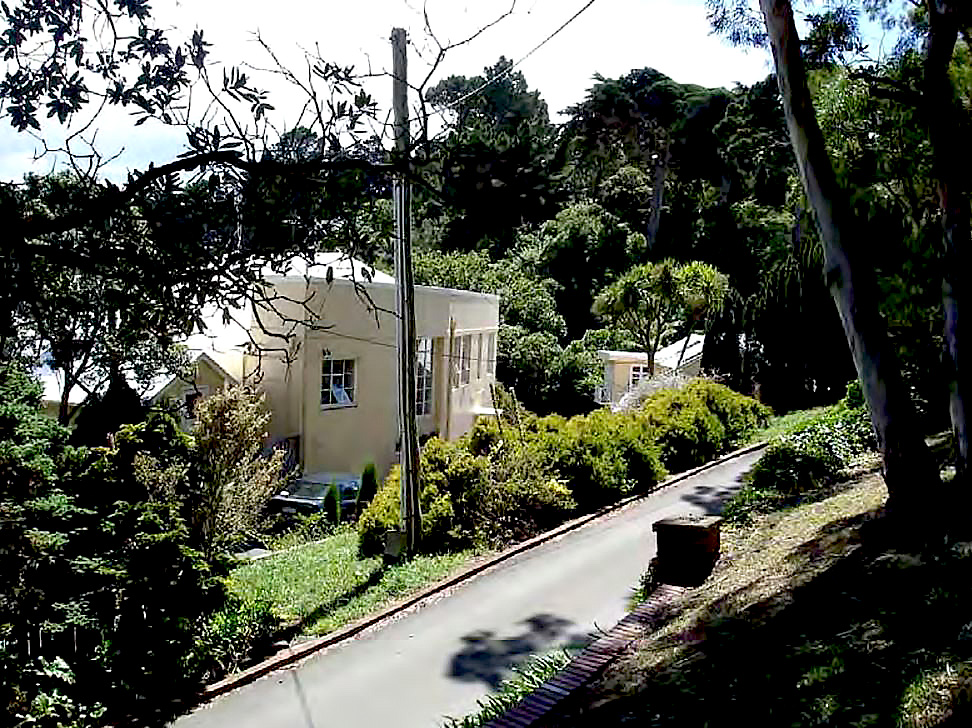
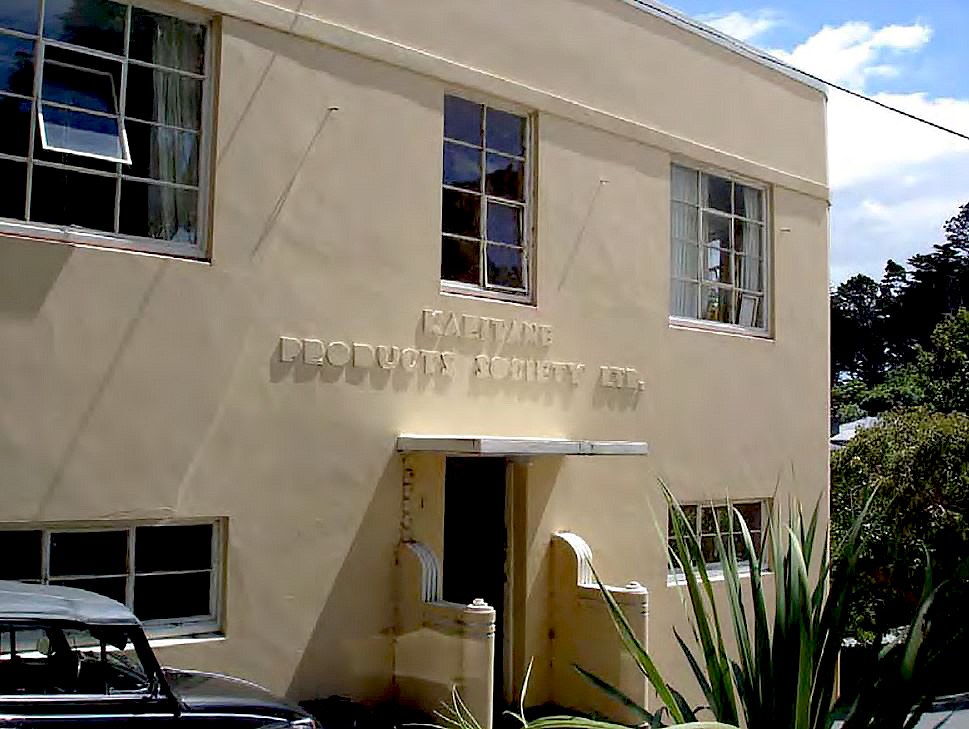
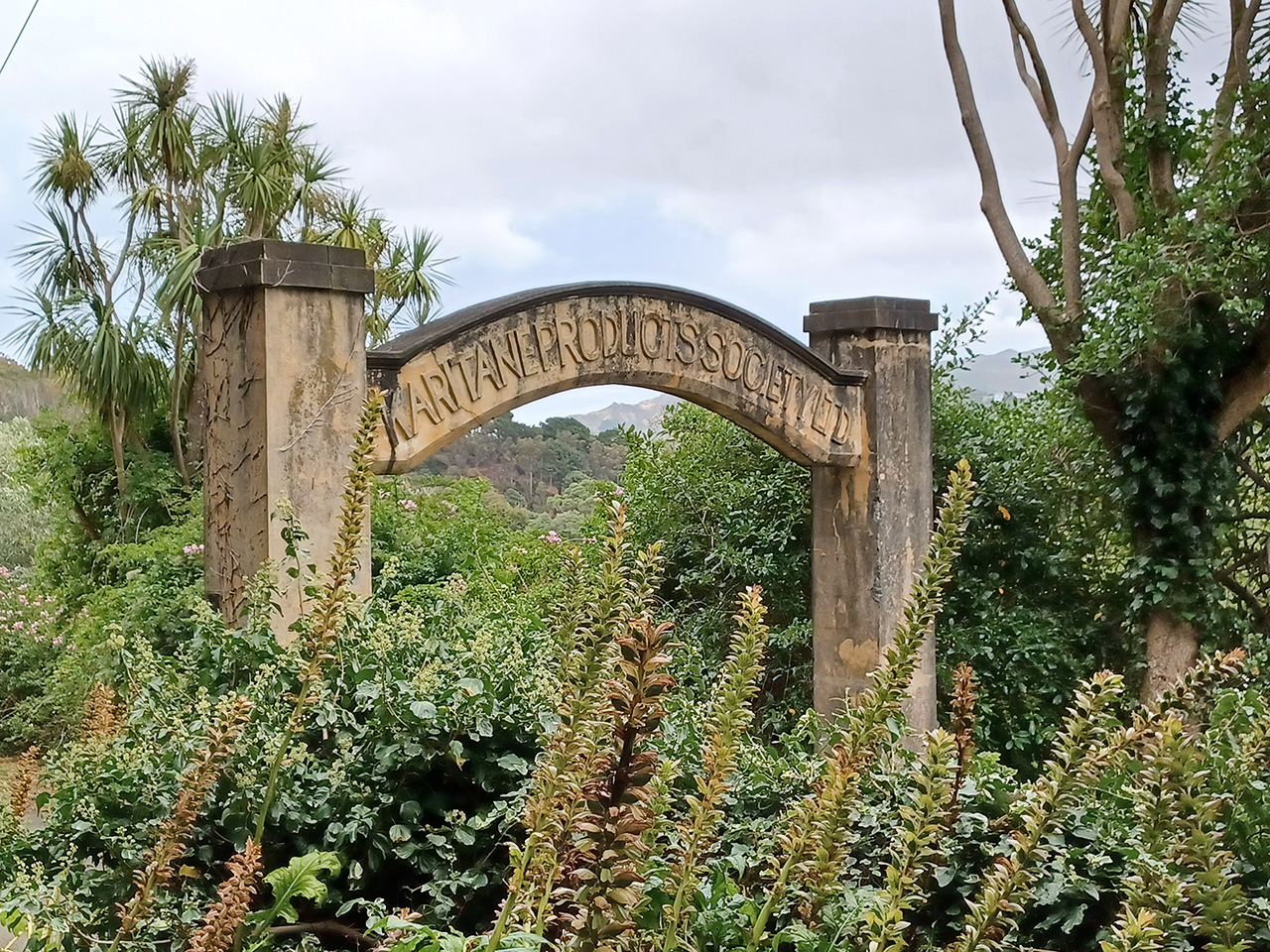
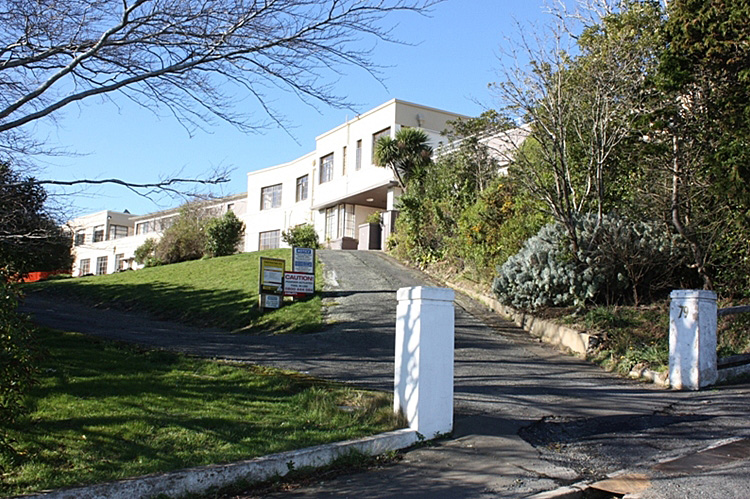
The former Karitane Products Society factory (KPS) was commissioned by the co-founder of the Plunket Society, Frederic Truby King [1838-1938], in 1922.
Born and raised in New Plymouth, King trained as a doctor in Edinburgh, England. While in England, he married Isabella Cockburn Millar. The Kings moved to New Zealand in 1887 and together established the Plunket Society in 1907. Named after its patron, Lady Victoria Plunket, wife of the then Governor, the society aimed to reduce the high infant mortality rate through the promotion of breastfeeding, domestic hygiene and strict adherence to routine. Plunket clinics and 'Karitane' hospitals were opened throughout the country and by 1930, 65 per cent of all non-Maori infants were under the care of trained Plunket nurses. By 1947 this figure had risen to 85 per cent. Truby King was awarded a Companion of St Michael and St George in 1917 and was knighted for his services to health in 1925.
Between 1923 and 1932 Truby and Isabella King lived on the top of a hilly section at Mount Melrose in a house designed by well-known Wellington architect William Grey Young (1885-1962). The KPS Factory was also designed by Young and construction was undertaken by Wilson and Johnson of Kilbirnie. The building was completed in 1924.
The factory was established following King's investigation of infant disease and death, which he partially attributed to poor forms of artificial baby feeding products. To remedy this, King experimented with 'humanizing' cow's milk, making it more suitable for babies. King devised his own additive formulas, Karil, Kariol and Karilac, which could be simply added to cow's milk. These additives were produced at the factory, which was equipped with machinery taken from Seacliffe, where King undertook his initial experiments. The KPS's mission was stated as the 'manufacture, at the lowest practical rates, of the best and highest grades of pure food materials for use in the ideal rearing of infants.'
At its peak the factory employed four men and eight women, and King intended the site to be a 'model' working environment, hence the surrounding garden, and the attention to cleanliness and sterilisation of products, as the KPS booklet explains:
Surrounded by trees and shrubs, and at some considerable distance from any residential are, the atmosphere is practically free from undesirable elements, such as smoke and dust. The machinery and equipment used in the different processes of manufacture is of the latest and most up-to-date type, and is designed with two main objects in view, namely, a minimum handling of products by the staff, and a maximum of sterility in the finished product.
KPS was run by a board of directors who received no compensation, after King's shortcomings in financial dealings were realised. This meant that the factory's, at times considerable, profits were directly received by the Plunket Society. Though sales of the products were initially restricted solely to Plunket Society Nurses, demand from consumers and the Chemist's Guild led to them being made available in Chemists - but only with a note from a Plunket Society Nurse! Products were also 'dispatched to... UK, Aus, SA, East Africa, Canada... supplies are forwarded to China, India, Ceylon, [and the] Straits Settlement.' Significantly, after King's death the heavily mortgaged surrounding land and buildings were transferred to the Karitane Products Society and it underwent a number of significant renovations. In 1938 the north facing façade and entry hall was removed, and extensions were made to the building and the distinctive art deco entrance façade was constructed, while in 1942 air raid shelters were installed in the building.
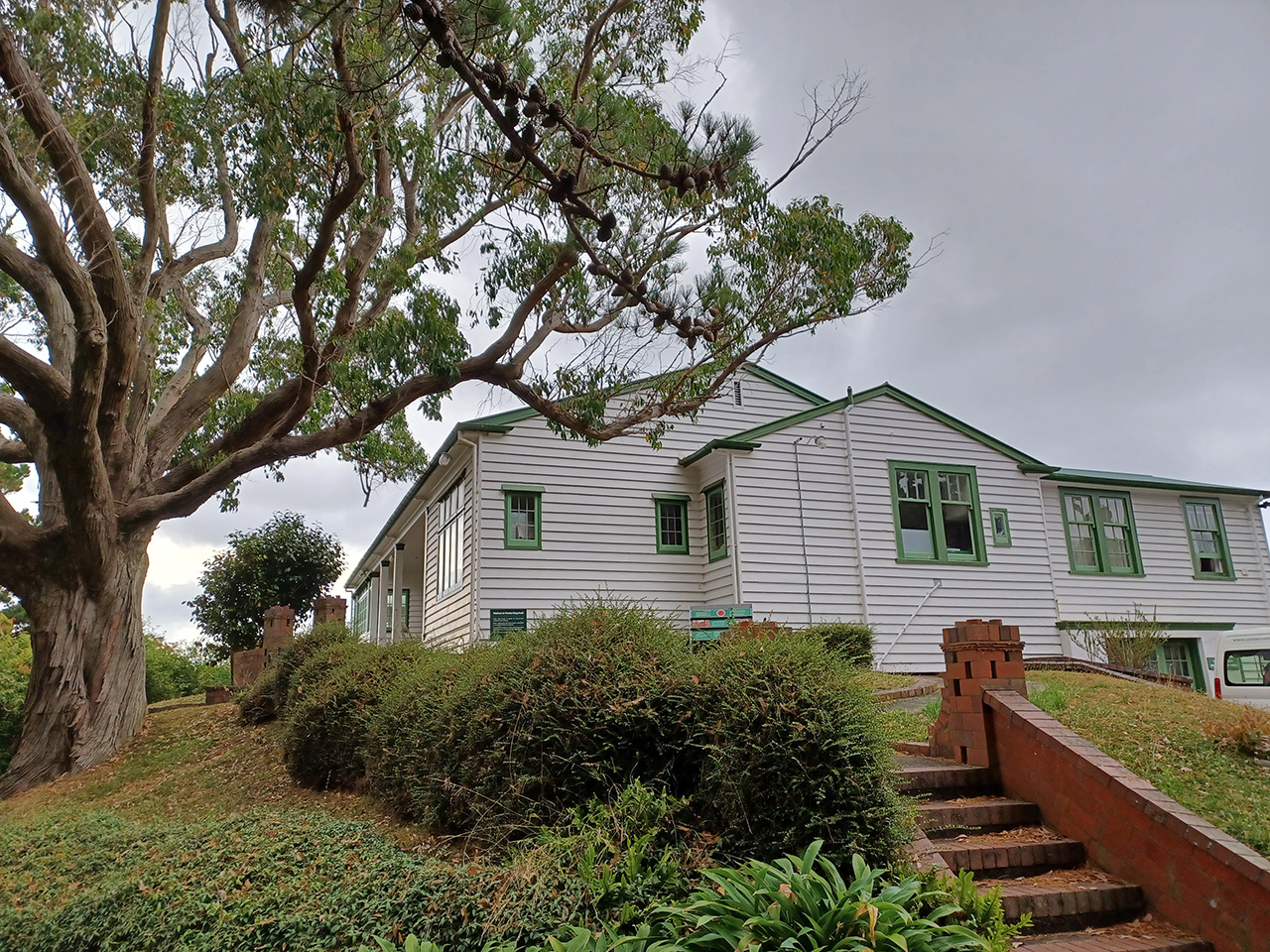
In 1924 the Kings commissioned William Grey Young to erect a Karitane Hospital down the hill on the site of their former tennis court. Their four hectare [10 acre] section was developed into a blossoming garden with brick paths and pergolas to 'provide an intangible sense of refreshment, regeneration and recreation' for the mothers staying in the hospital.
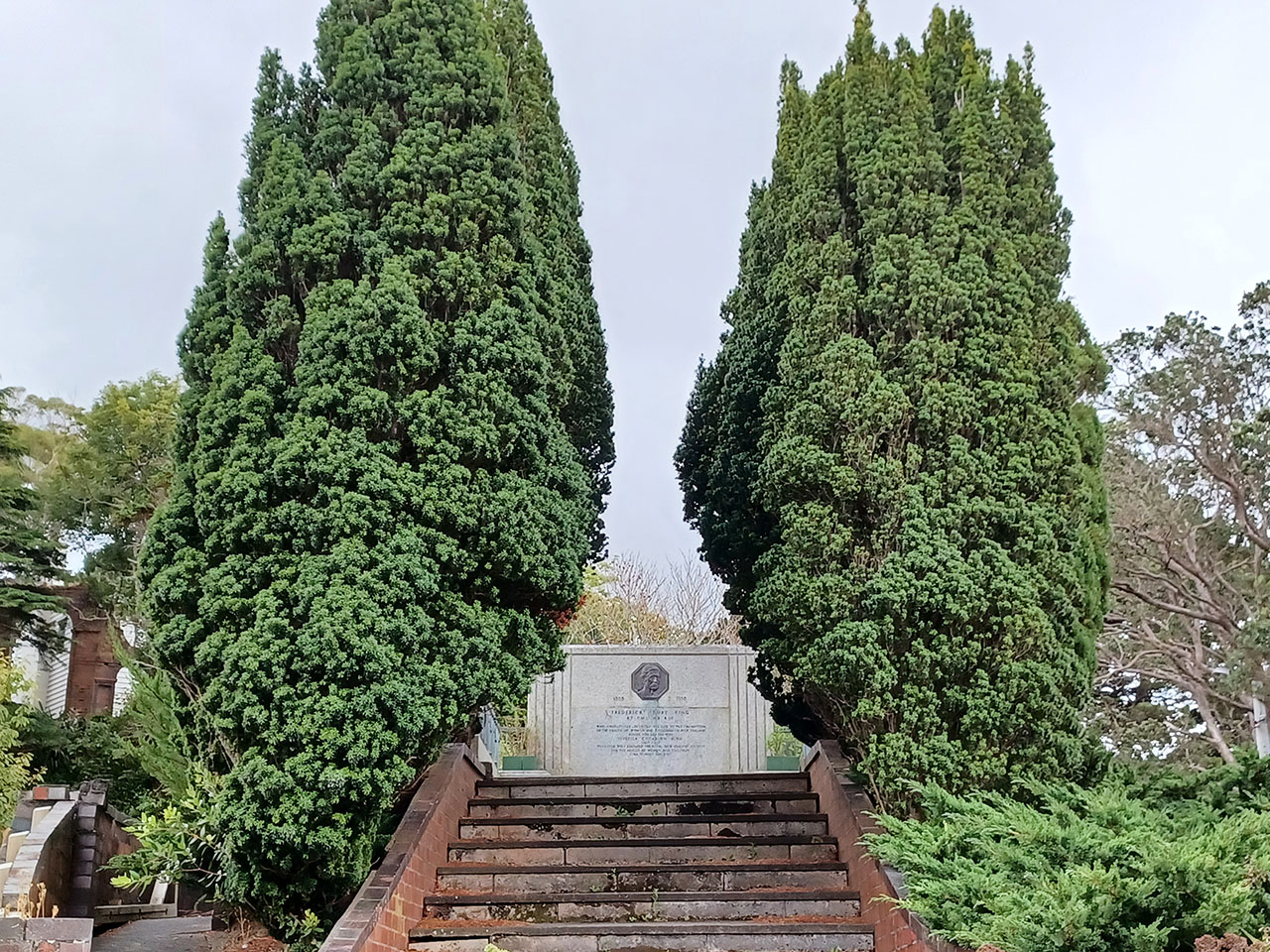
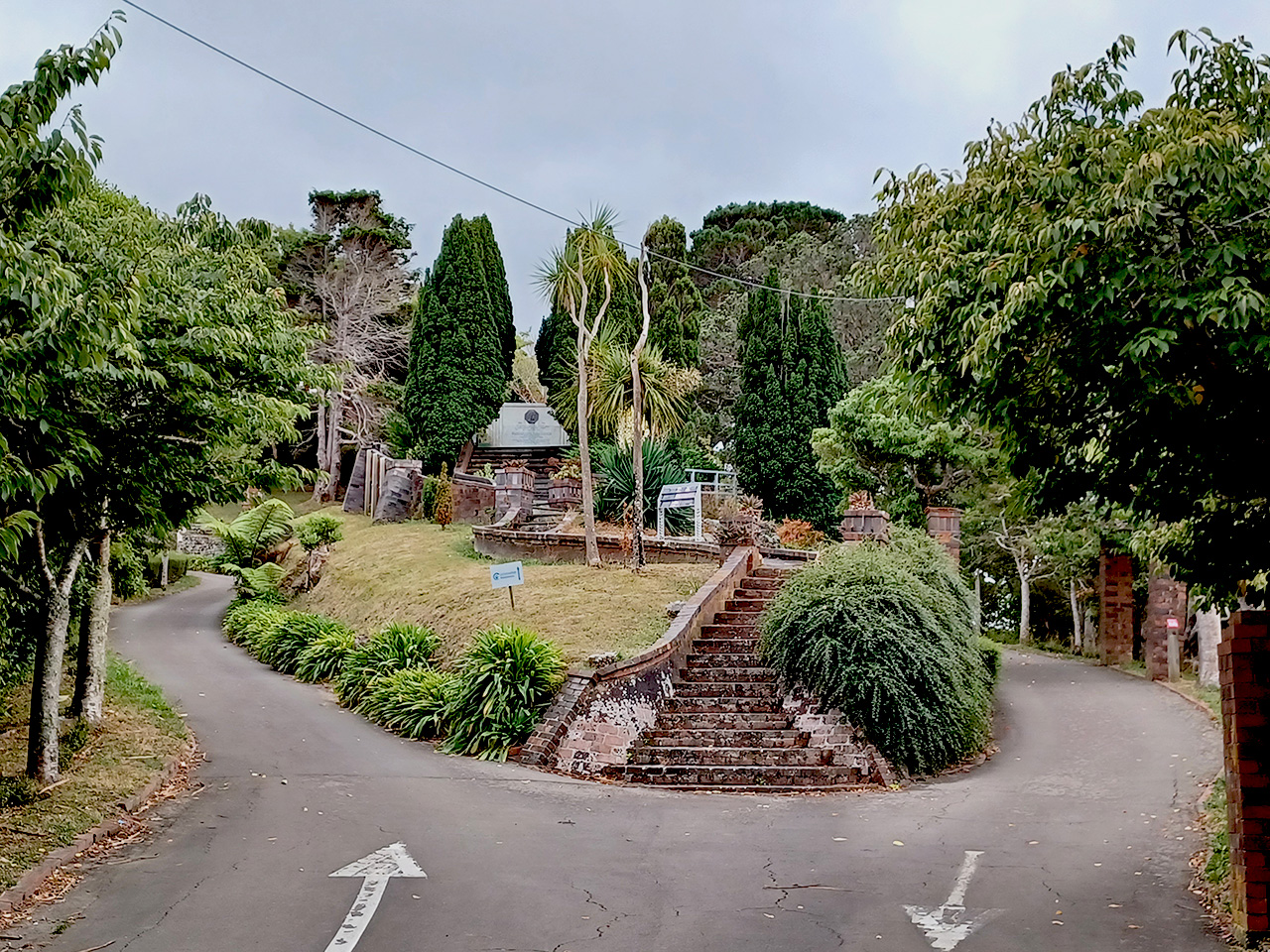
In 1932 King donated the entire property to the Plunket Society. When King died in 1938, he was buried in the Melrose garden on an elevated section that had originally featured a pergola. On the suggestion of the then Minister of Health Peter Fraser, he was honoured with a state funeral, the first private citizen in New Zealand to receive such a tribute. Isabella King, the mainstay behind King's work, had died in 1927 and her remains were transferred to the Melrose site from their original resting-place in a cemetery in Porirua.
The factory continued to produce Kariol, Karil and Karilac through until the 1980s, and provide the Plunket Society with a tidy revenue stream. By the time the society was facing serious financial problems in the late 1970s, KPS provided hundreds of thousands of dollars in assistance. However, the same problems affecting the Plunket Society also began to influence KPS' profitability. In 1970 the factory stopped producing Kariol, and by the mid-1980s the company's products were no longer in demand. The Plunket Society sold the brand name Karilac, and in 1986 KPS was finally shut down, after over sixty years of production at the site. In 1988 the KPS factory, and the land and associated buildings were sold. Machinery was removed from the factory and it was leased as a design studio, and has since been sublet into five individual titles.
Unfortunately, the machinery that was still in working condition in 1987 at the factory has been removed, meaning that the chance to preserve an authentic 1920s food production plant has been lost. Despite this the former KPS factory retains aesthetic and architectural significance with its stylised Art-Deco entrance façade, and sloping design, which takes advantage of its hillside site. It also has high levels of historical importance, as it was built specifically to manufacture baby products for Sir Frederic Truby King.
Born and raised in New Plymouth, King trained as a doctor in Edinburgh, England. While in England, he married Isabella Cockburn Millar. The Kings moved to New Zealand in 1887 and together established the Plunket Society in 1907. Named after its patron, Lady Victoria Plunket, wife of the then Governor, the society aimed to reduce the high infant mortality rate through the promotion of breastfeeding, domestic hygiene and strict adherence to routine. Plunket clinics and 'Karitane' hospitals were opened throughout the country and by 1930, 65 per cent of all non-Maori infants were under the care of trained Plunket nurses. By 1947 this figure had risen to 85 per cent. Truby King was awarded a Companion of St Michael and St George in 1917 and was knighted for his services to health in 1925.
Between 1923 and 1932 Truby and Isabella King lived on the top of a hilly section at Mount Melrose in a house designed by well-known Wellington architect William Grey Young (1885-1962). The KPS Factory was also designed by Young and construction was undertaken by Wilson and Johnson of Kilbirnie. The building was completed in 1924.
The factory was established following King's investigation of infant disease and death, which he partially attributed to poor forms of artificial baby feeding products. To remedy this, King experimented with 'humanizing' cow's milk, making it more suitable for babies. King devised his own additive formulas, Karil, Kariol and Karilac, which could be simply added to cow's milk. These additives were produced at the factory, which was equipped with machinery taken from Seacliffe, where King undertook his initial experiments. The KPS's mission was stated as the 'manufacture, at the lowest practical rates, of the best and highest grades of pure food materials for use in the ideal rearing of infants.'
At its peak the factory employed four men and eight women, and King intended the site to be a 'model' working environment, hence the surrounding garden, and the attention to cleanliness and sterilisation of products, as the KPS booklet explains:
Surrounded by trees and shrubs, and at some considerable distance from any residential are, the atmosphere is practically free from undesirable elements, such as smoke and dust. The machinery and equipment used in the different processes of manufacture is of the latest and most up-to-date type, and is designed with two main objects in view, namely, a minimum handling of products by the staff, and a maximum of sterility in the finished product.
KPS was run by a board of directors who received no compensation, after King's shortcomings in financial dealings were realised. This meant that the factory's, at times considerable, profits were directly received by the Plunket Society. Though sales of the products were initially restricted solely to Plunket Society Nurses, demand from consumers and the Chemist's Guild led to them being made available in Chemists - but only with a note from a Plunket Society Nurse! Products were also 'dispatched to... UK, Aus, SA, East Africa, Canada... supplies are forwarded to China, India, Ceylon, [and the] Straits Settlement.' Significantly, after King's death the heavily mortgaged surrounding land and buildings were transferred to the Karitane Products Society and it underwent a number of significant renovations. In 1938 the north facing façade and entry hall was removed, and extensions were made to the building and the distinctive art deco entrance façade was constructed, while in 1942 air raid shelters were installed in the building.
In 1924 the Kings commissioned William Grey Young to erect a Karitane Hospital down the hill on the site of their former tennis court. Their four hectare [10 acre] section was developed into a blossoming garden with brick paths and pergolas to 'provide an intangible sense of refreshment, regeneration and recreation' for the mothers staying in the hospital.
In 1932 King donated the entire property to the Plunket Society. When King died in 1938, he was buried in the Melrose garden on an elevated section that had originally featured a pergola. On the suggestion of the then Minister of Health Peter Fraser, he was honoured with a state funeral, the first private citizen in New Zealand to receive such a tribute. Isabella King, the mainstay behind King's work, had died in 1927 and her remains were transferred to the Melrose site from their original resting-place in a cemetery in Porirua.
The factory continued to produce Kariol, Karil and Karilac through until the 1980s, and provide the Plunket Society with a tidy revenue stream. By the time the society was facing serious financial problems in the late 1970s, KPS provided hundreds of thousands of dollars in assistance. However, the same problems affecting the Plunket Society also began to influence KPS' profitability. In 1970 the factory stopped producing Kariol, and by the mid-1980s the company's products were no longer in demand. The Plunket Society sold the brand name Karilac, and in 1986 KPS was finally shut down, after over sixty years of production at the site. In 1988 the KPS factory, and the land and associated buildings were sold. Machinery was removed from the factory and it was leased as a design studio, and has since been sublet into five individual titles.
Unfortunately, the machinery that was still in working condition in 1987 at the factory has been removed, meaning that the chance to preserve an authentic 1920s food production plant has been lost. Despite this the former KPS factory retains aesthetic and architectural significance with its stylised Art-Deco entrance façade, and sloping design, which takes advantage of its hillside site. It also has high levels of historical importance, as it was built specifically to manufacture baby products for Sir Frederic Truby King.