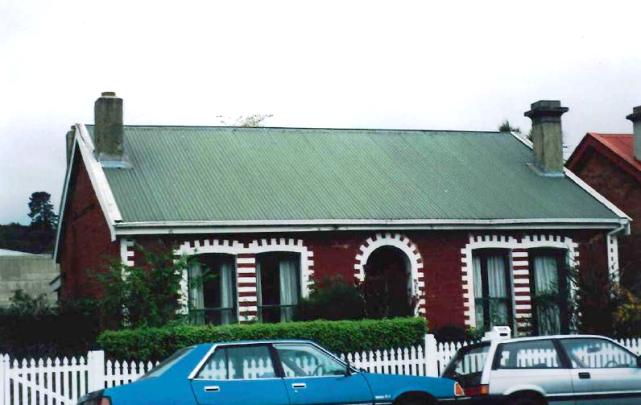
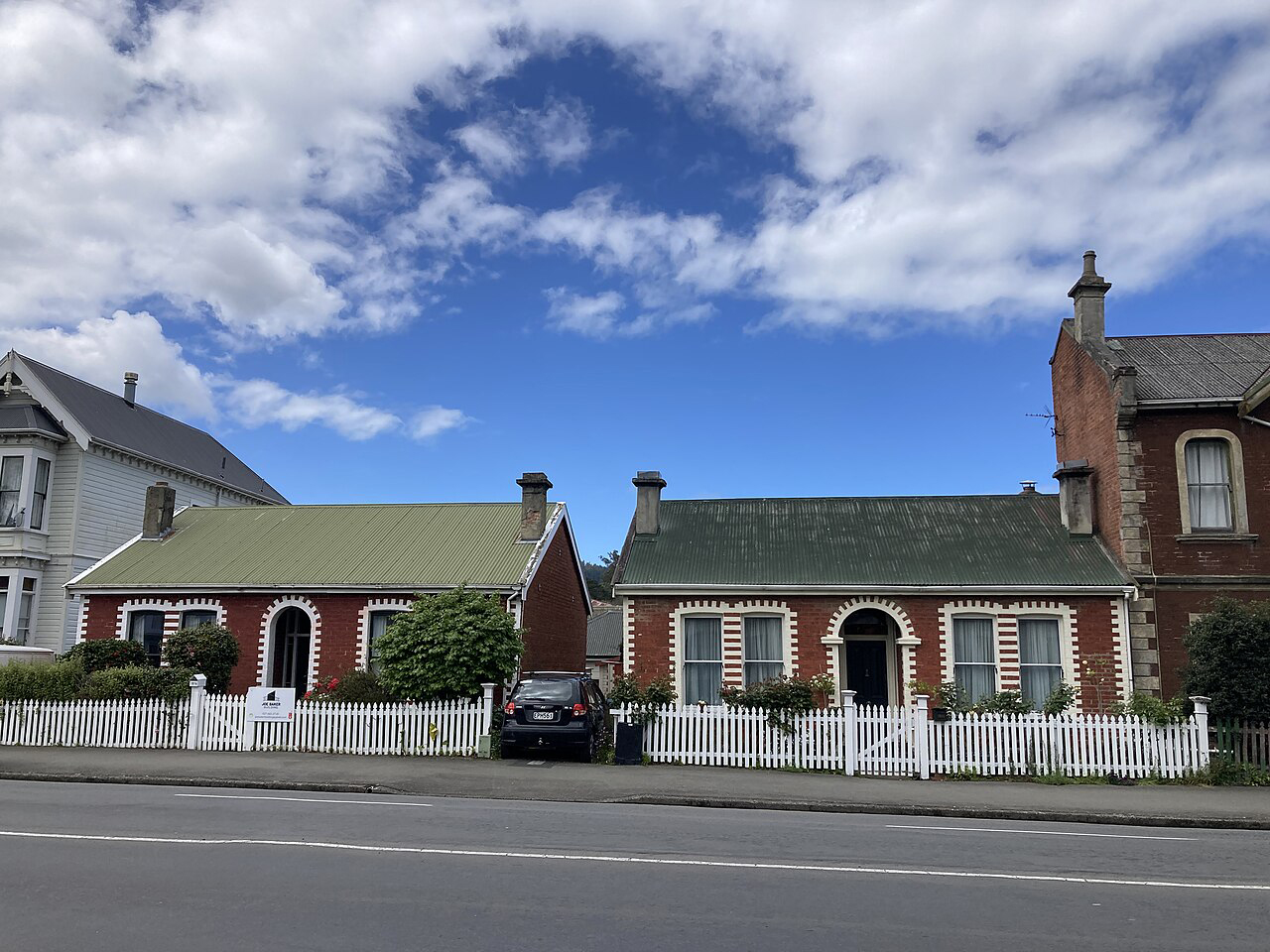
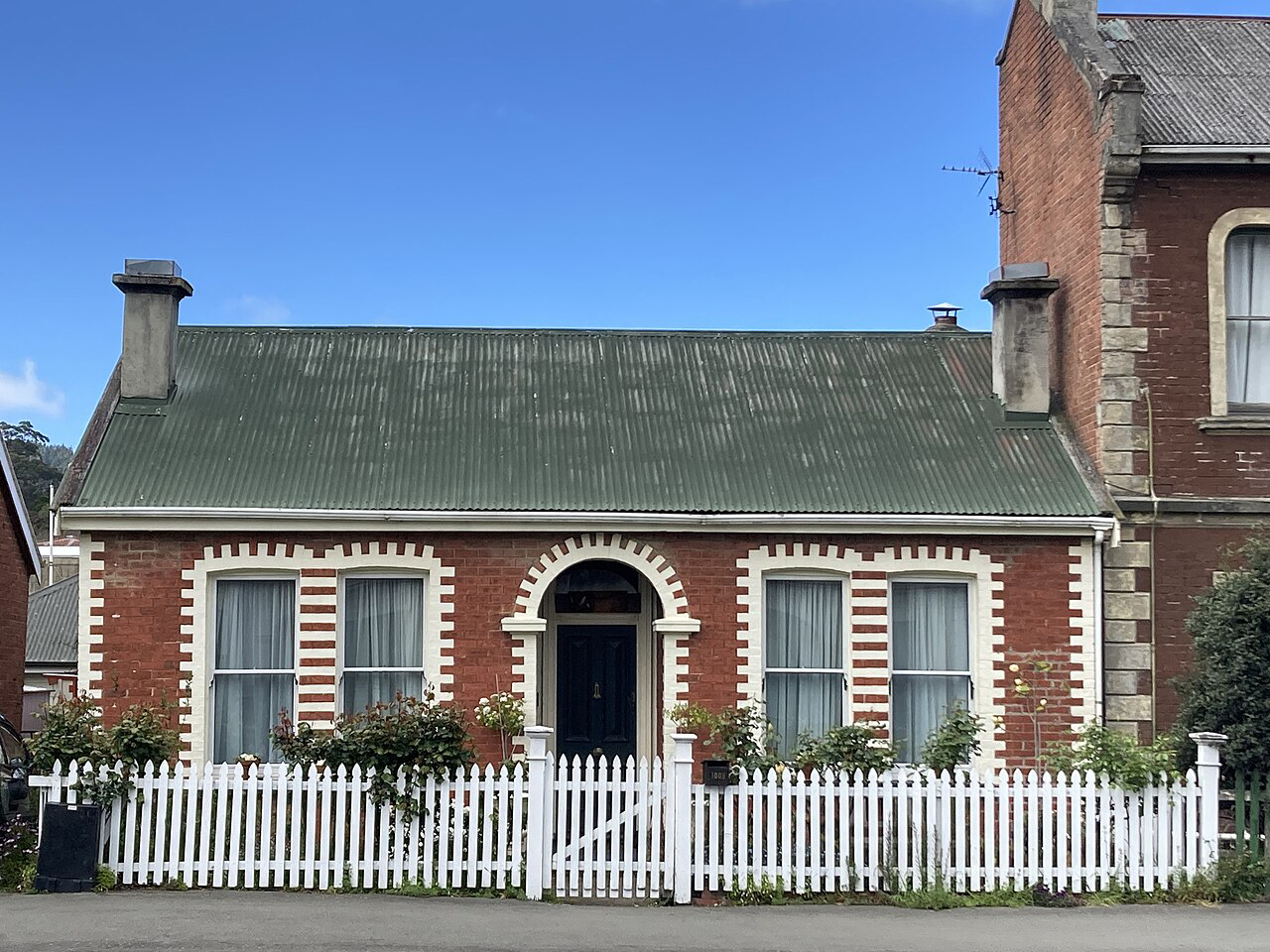
Located in the Willowbank Residential Heritage Precinct at the northern end of George Street, 1014 George Street was built in 1895 by building contractor William King. The building has historic, architectural and aesthetic significance as a notable example of vernacular, brick cottage that was popular in the Victorian colonial era and is important to the streetscape of the historic precinct.
Both iwi history and archaeological evidence show Māori occupation in the Ōtākou / Otago region since the 12th century. Today, Kāi Tahu mana whenua is recognised over a large part of Te Wai Pounamu. Kāti Māmoe and Waitaha shared occupation are always acknowledged. The hapū Kai Te Pahi, Kāti Moki, and Kāti Taoka still maintain their presence and responsibility as kaitiaki in this region. Traditional Māori place names include Ōwheo (the Water of Leith), a river that runs in North Dunedin nearby to the property, would have facilitated travel by waka from the coast to places further inland and the mouth of Ōwheo, known as Te Tutai o Te Matauira, was likely a valuable settlement area for accessing kaimoana and other resources.
By the 1870s Pākehā settlement at this end of George Street also saw the value of the Water of the Leith and breweries and distilleries were established in the area where they could access a source of fresh water. Well Park Brewery was established in Block 34 by George Duncan in 1862 and later operated by James Wilson. James Wilson owned sections 11 and 12, Block 34, (part of overall Well Park complex) from 1870 before selling to Job Wain (owner of the Wains Hotel (List no. 2236) and the Provincial Hotel). Between 1878 and 1895, Wain subdivided the property and the portion of land containing 1014 George Street was purchased by the builder, William King, in 1895. That same year, King further subdivided the property and constructed two cottages, 1014 and neighbouring property 1008 George Street (List no. 4731) and King sold 1008 George Street to Jessie Black. A tender advertisement for the plastering, plumbing and painting for the cottages appeared in January 1896.
King was selling land and new brick buildings in the 1890s and he operated initially from what is now 1014 George Street. He first entered into partnership with Richard Pope and George Albery. After their deaths King continued, operating on a large scale in buying and subdividing blocks of land and building on some, particularly from 1894-1898.
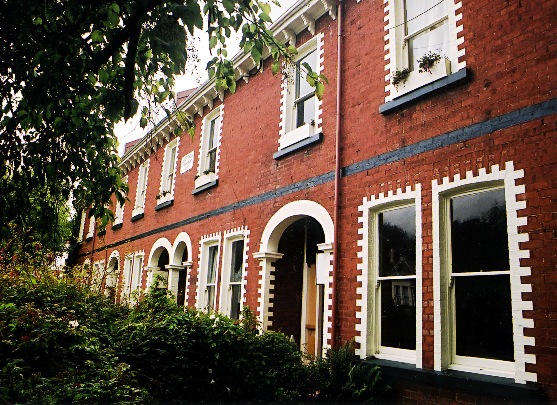
Both buildings at 1008 and 1014 George Street first appear in the 1895-1896 rates record, each occupied by their respective owners (Black and King). The two buildings similarity is instantly apparent from the street. The buildings have significance as notable example of vernacular, brick cottage style, residential dwellings popular in the Victorian colonial era. The distinctive facade of tuck-pointed red brick, highlighted with openings painted white to imitate quoin work, is covered by a corrugated iron roof. King built many of his houses in this style which can also be as in the nearby Victoria Terrace (List no. 2232 ) which he built in 1897. There were 5 rooms – a bathroom, 3 bedrooms and a kitchen with all the modern conveniences such as Venetian blinds, incandescent gas fittings, built-in cupboards, and gas throughout.
From 1897, the Valuation Rolls and Rates records show the building at 1014 George Street was owned by William’s wife Jane King and was rented out until her death in 1910. The new owner of the property, Peter Campbell, also a builder, moved into the dwelling in 1910. Throughout the twentieth century, the overall layout of building has had little modification except for two main changes. The first was the removal of the extension of the building north sometime between 1906 and 1980. The second was the addition of a modern kitchen in 1983 to the eastern extent of the building. Further strengthening works were undertaken in 2003, including excavations for concrete footings and underpinning. Today it remains a family home.