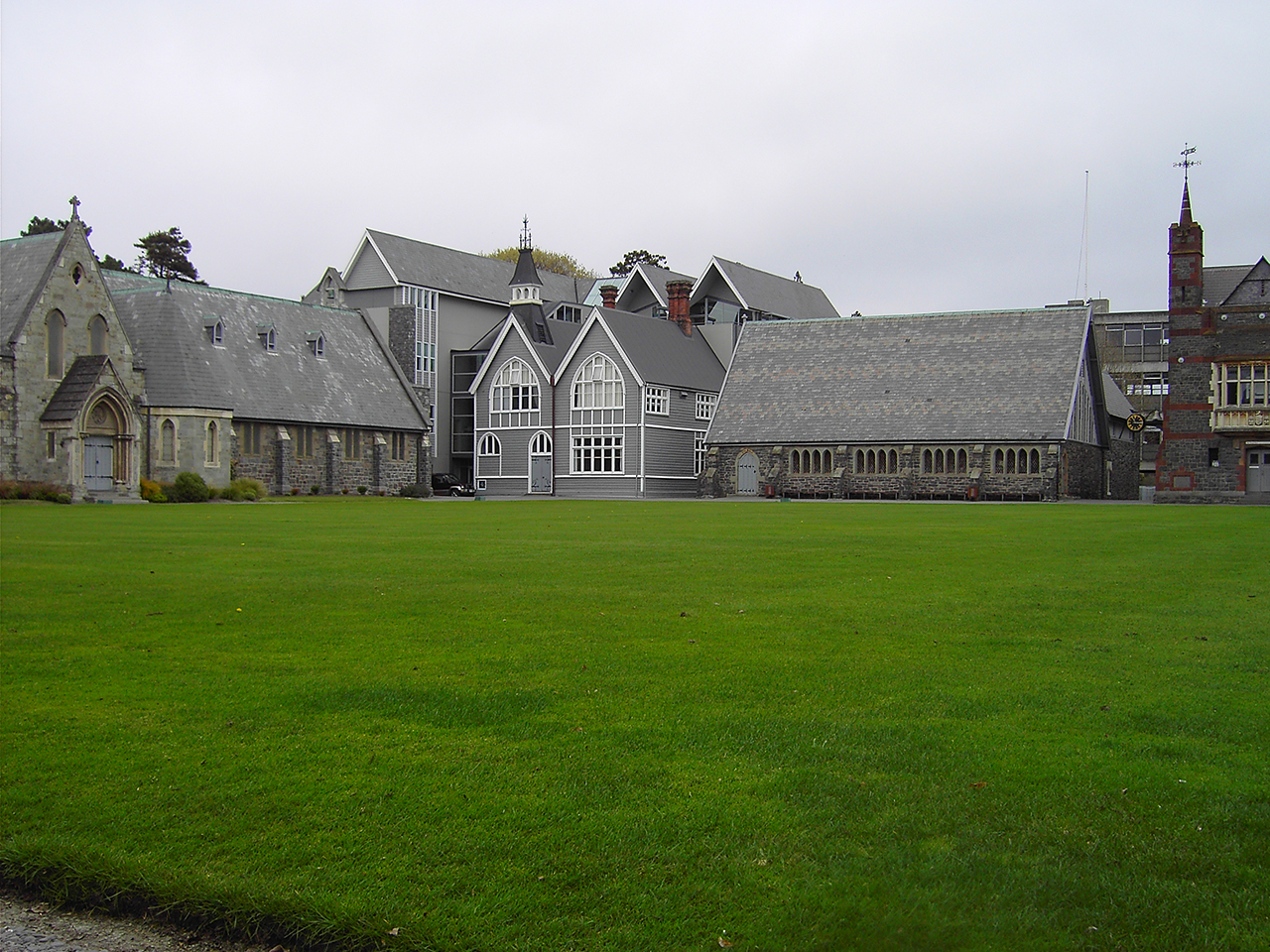
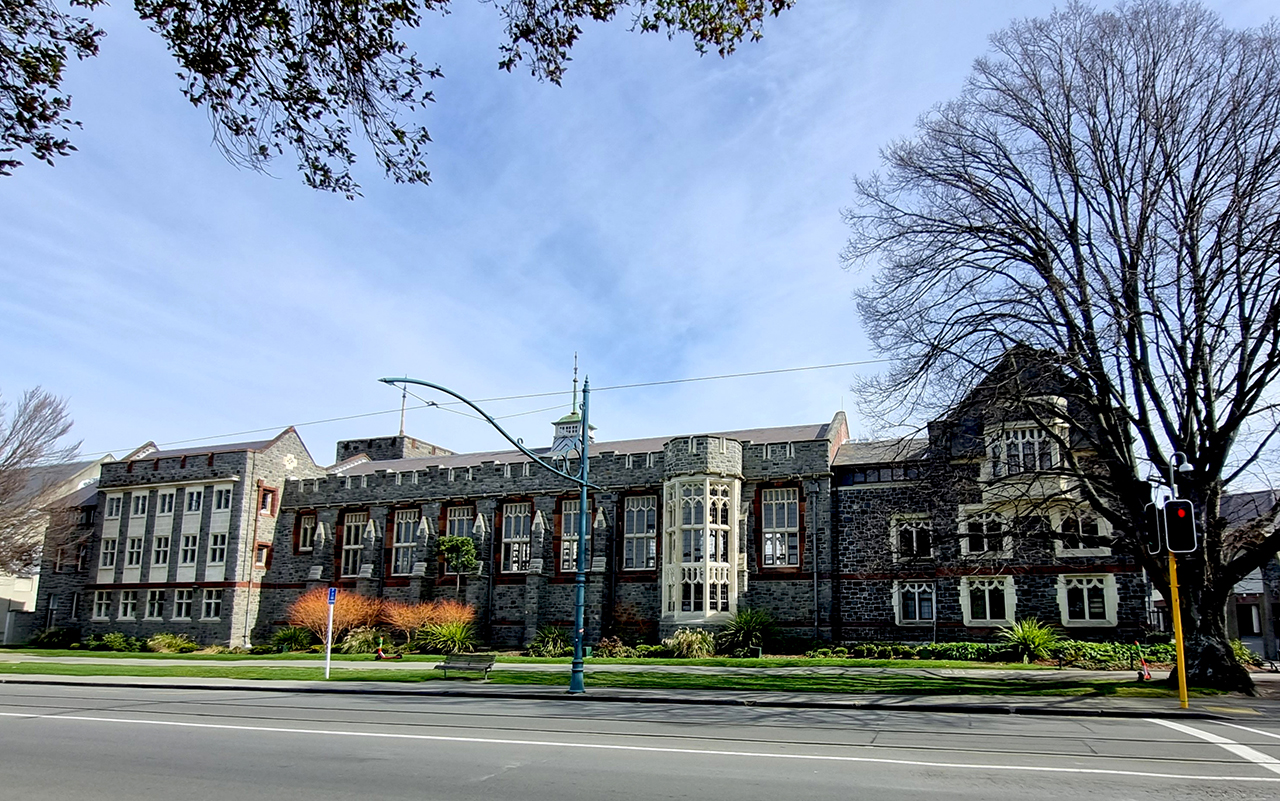
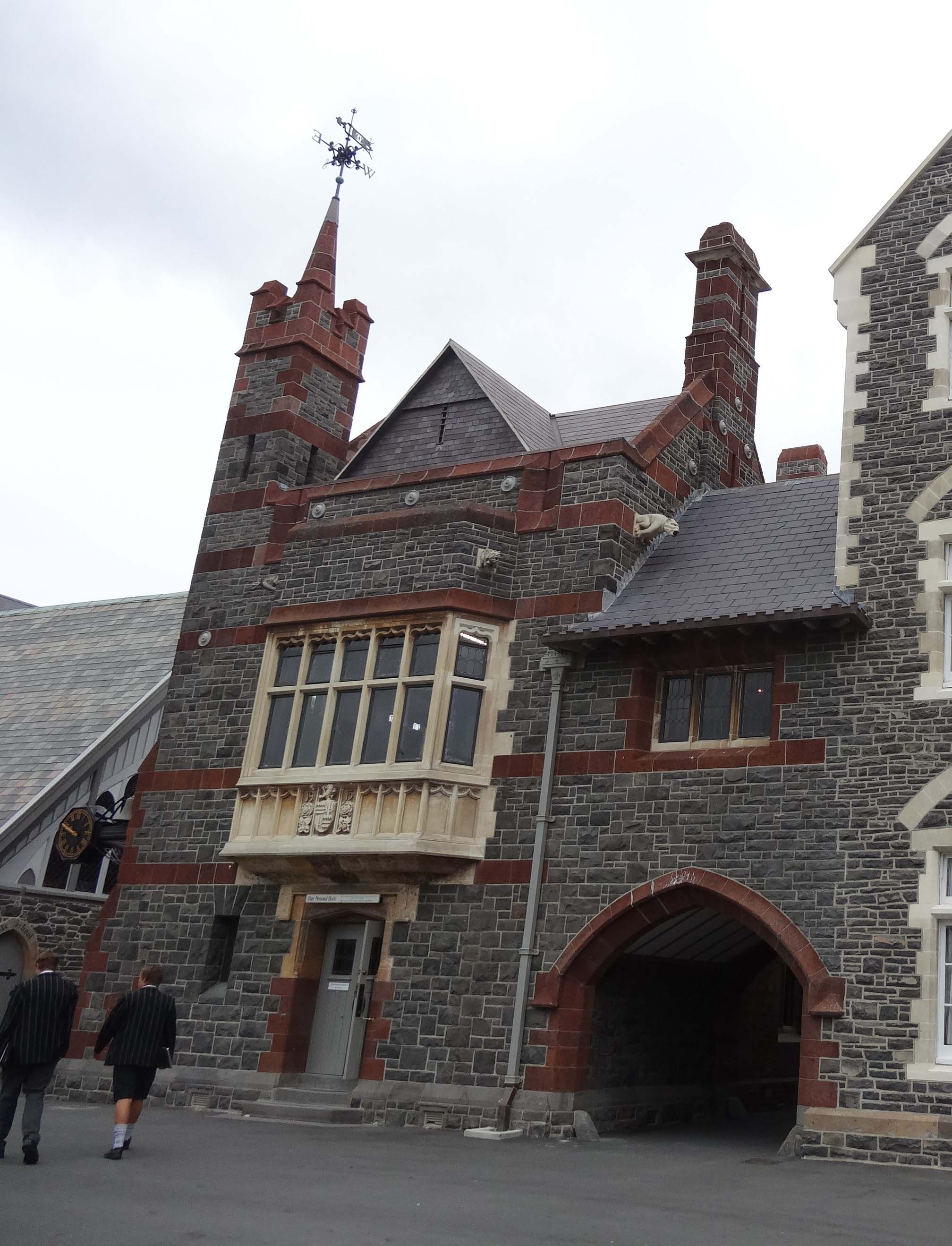
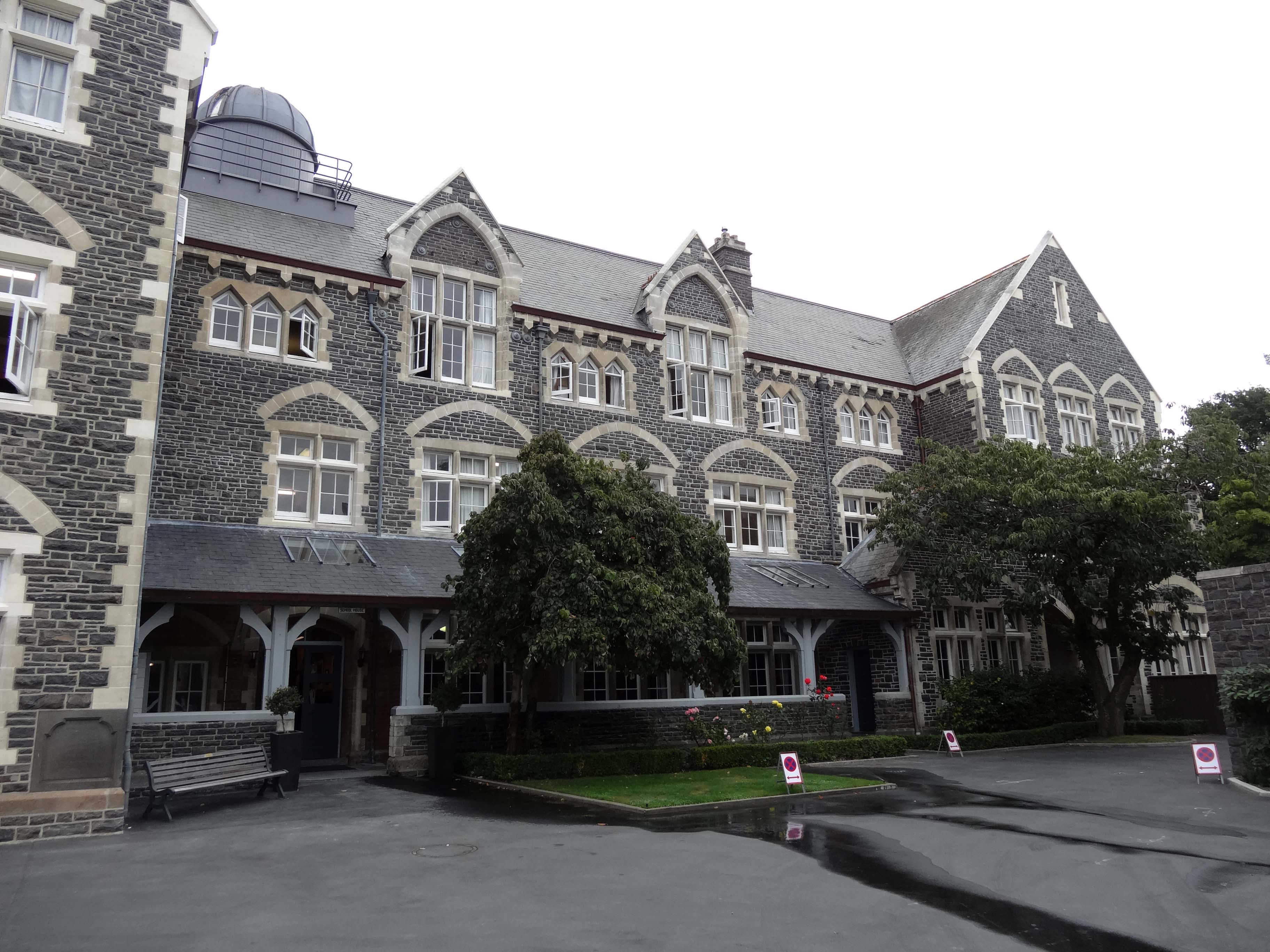
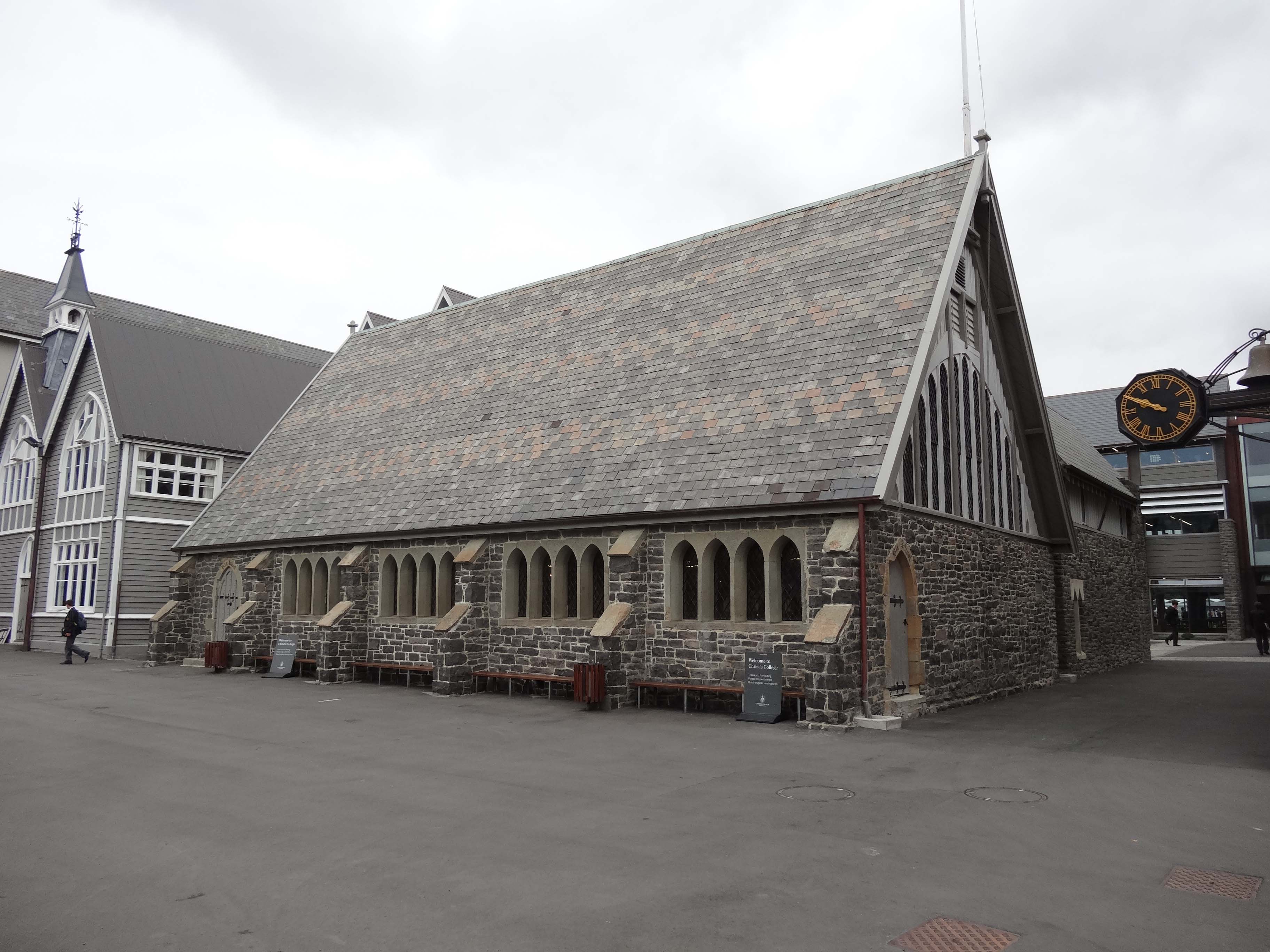
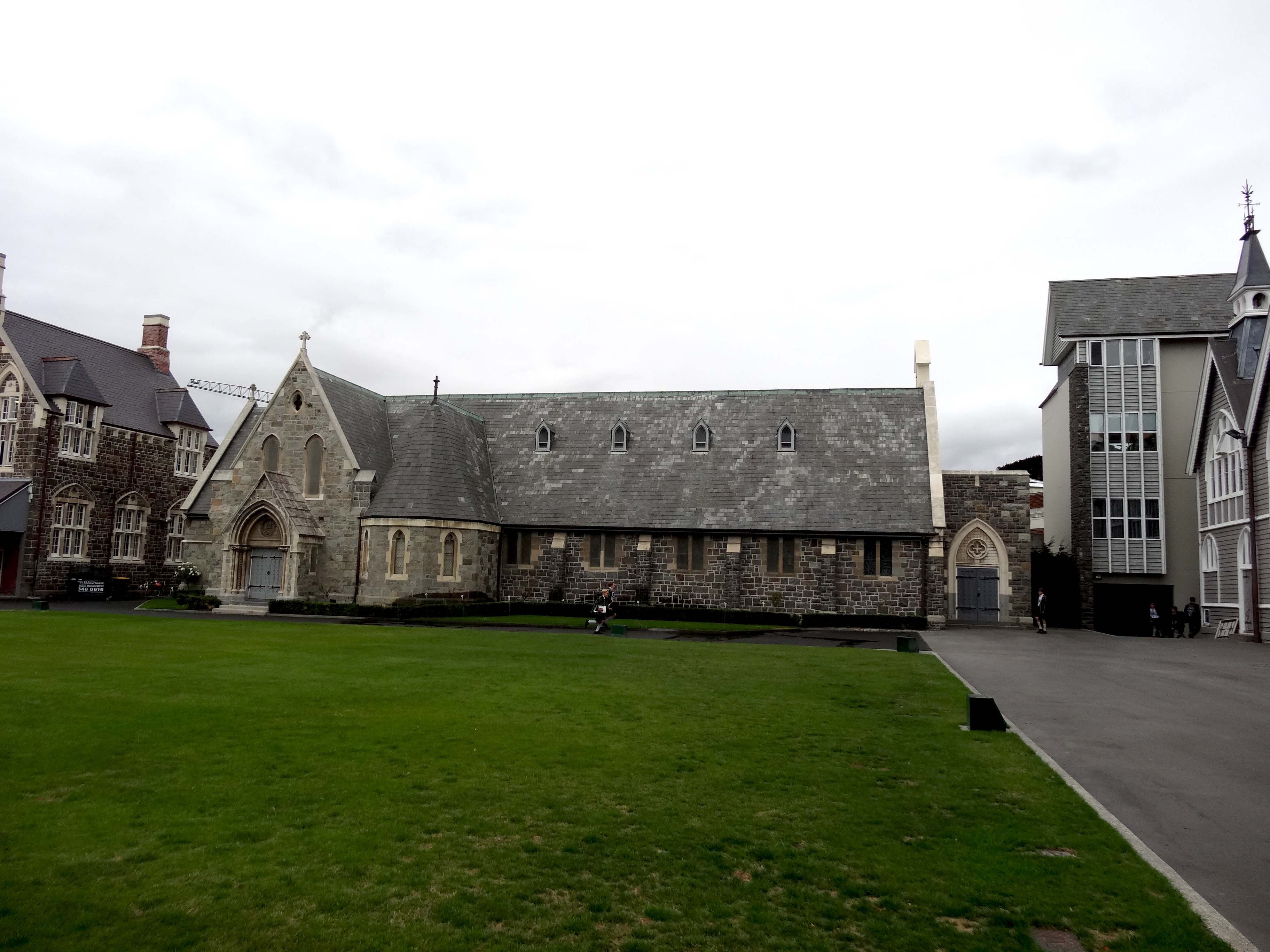
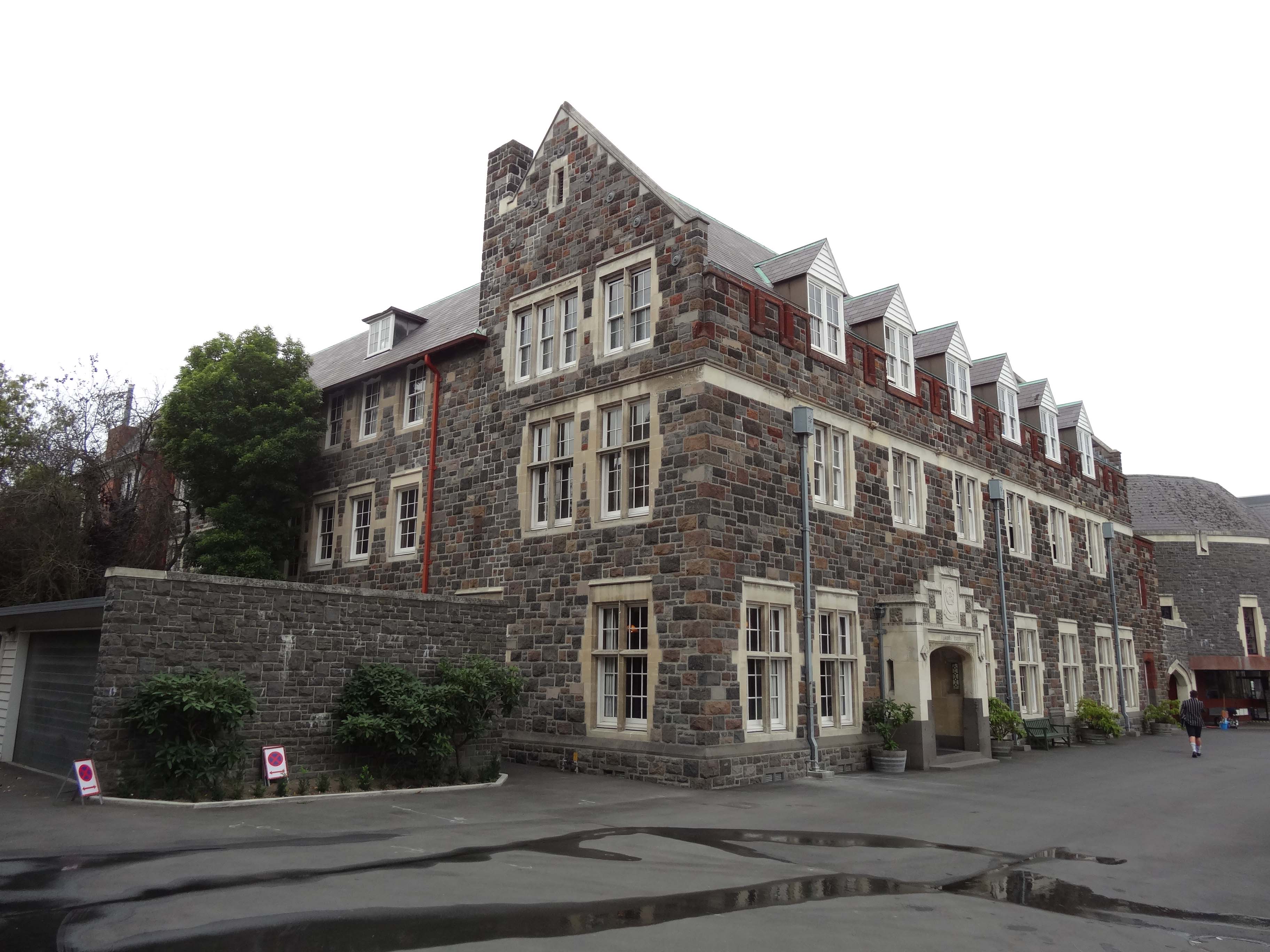
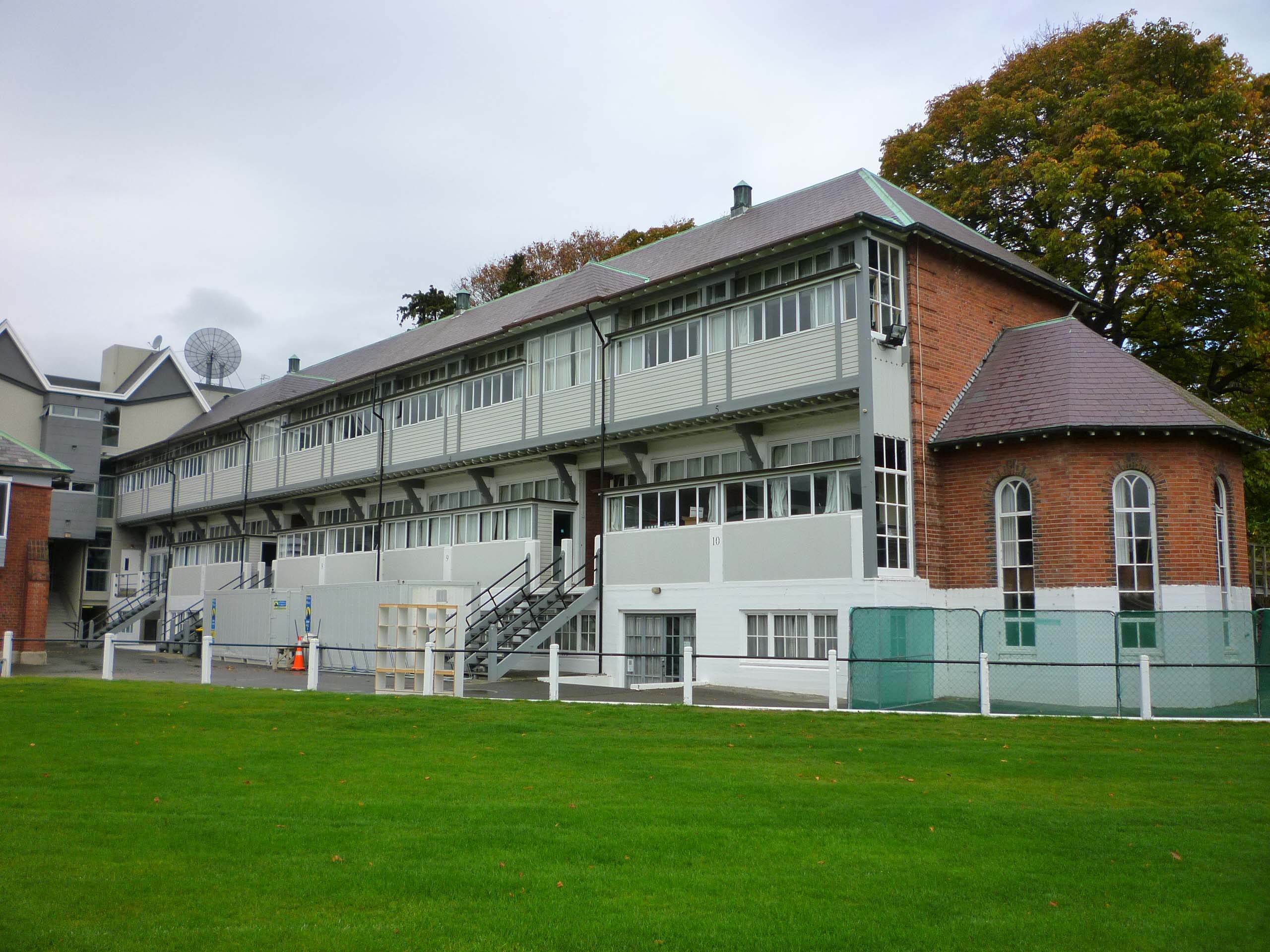
Christ's College, Christchurch's well-known Anglican boys' secondary school was founded in the Immigration Barracks in Lyttelton in 1850, and moved to Christchurch the following year. The school began to develop its Rolleston Avenue site in 1857, and over nearly 150 years has built a remarkable complex of buildings in a wide variety of styles. As a consequence, Christ's College is acknowledged as one of New Zealand's most handsome built environments. Condells House is important as the second oldest building (after Big School/Library) and the only timber building remaining on the Rolleston Avenue site. It also makes a significant contribution to the quadrangle, the highly visible 'shop front' of the school.
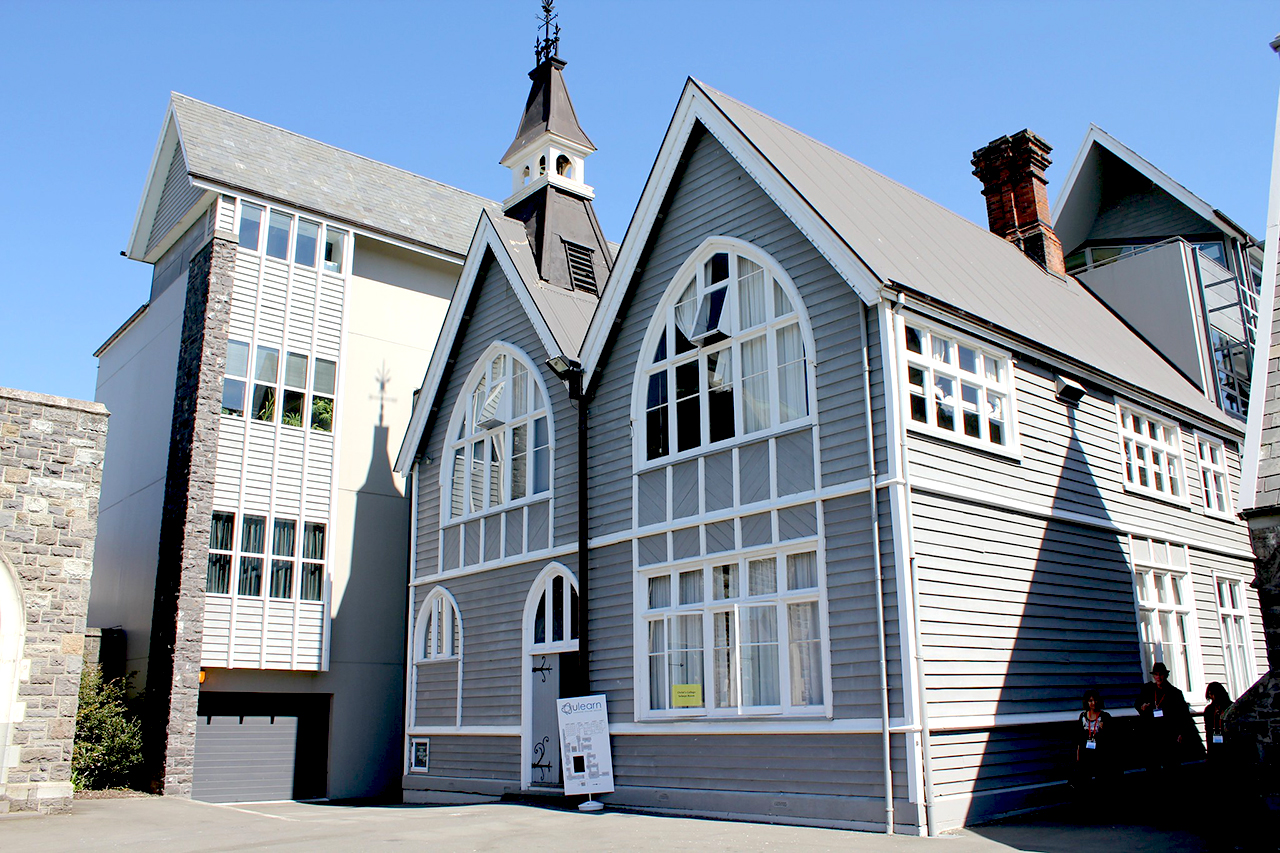
Condells House at Christ's College was designed by architect Thomas Cane, and constructed by James Goss in 1878 at a cost of [£2,115]. Originally it provided accommodation for a Housemaster and boarders on the first floor, and classrooms on the ground floor. T. D. Condell, the first Old Boy to join the staff when he became a Master in 1867, became the first Housemaster. Condell lived in the building with about 20 boarders until 1893, when he retired. Due to a decline in numbers it then served as a Master's residence until 1918. At that point a substantial dormitory wing was added to the south and west, and the following year the building reopened as a boarding house (Jenkins) with 42 boarders. The Condell name was resumed in 1923. In 1932 the boarding house again closed due to declining numbers, and the building became a Master's residence once more. However, it reopened as a Day-Boy Waiting House in 1935, and as a fully-fledged Day-Boy House, Condell House, in 1940. The western end continued to serve as a Master's residence for the Tothill family from 1937 until 1954.
In 1960 the first of a series of significant renovations was carried out to accommodate Corfe (another day-boy house) with Condell. Warren and Mahoney made further alterations to accommodate a rising role in 1975-76, and 1978. Locker and shower rooms were added to the southern wing at this time. In 1984 a new western wing was added to house the art and photography departments. The most substantial alteration to Condell's House, however, took place in 2001-2. At this time a new four storey block designed by Warren/Wilkie and Bruce, was wrapped around the south and west elevations of the building, to contain the art and technology departments. This involved the demolition of the western (1918/84) and southern (1918/77) wings of the existing building. The core 1878 building now contains meeting rooms, choir vestry, chaplain's study, and a religious education room. Some internal modification was carried out, although original spaces remain - most notably on the ground floor. Upon commencement of work, Corfe Condell day boys' house shifted to new premises on Gloucester St, taking the name with them. The original Condells House was subsequently renamed 'Selwyn'.
Thomas Cane (1830-1905) was born in Brighton, England, and worked for Sir George Gilbert Scott before emigrating to Canterbury in 1874. Cane succeeded Benjamin Mountfort as Provincial Architect in 1875, but became Education Board architect following the abolition of the provinces in 1876. Buildings designed by Cane include the Lyttelton Time Ball Station (1876), original Christchurch Girls High School (1876), and St. John's Church, Winchester (1879). Cane was also an accomplished water colourist.
Condells House at Christ's College was designed by architect Thomas Cane, and constructed by James Goss in 1878 at a cost of [£2,115]. Originally it provided accommodation for a Housemaster and boarders on the first floor, and classrooms on the ground floor. T. D. Condell, the first Old Boy to join the staff when he became a Master in 1867, became the first Housemaster. Condell lived in the building with about 20 boarders until 1893, when he retired. Due to a decline in numbers it then served as a Master's residence until 1918. At that point a substantial dormitory wing was added to the south and west, and the following year the building reopened as a boarding house (Jenkins) with 42 boarders. The Condell name was resumed in 1923. In 1932 the boarding house again closed due to declining numbers, and the building became a Master's residence once more. However, it reopened as a Day-Boy Waiting House in 1935, and as a fully-fledged Day-Boy House, Condell House, in 1940. The western end continued to serve as a Master's residence for the Tothill family from 1937 until 1954.
In 1960 the first of a series of significant renovations was carried out to accommodate Corfe (another day-boy house) with Condell. Warren and Mahoney made further alterations to accommodate a rising role in 1975-76, and 1978. Locker and shower rooms were added to the southern wing at this time. In 1984 a new western wing was added to house the art and photography departments. The most substantial alteration to Condell's House, however, took place in 2001-2. At this time a new four storey block designed by Warren/Wilkie and Bruce, was wrapped around the south and west elevations of the building, to contain the art and technology departments. This involved the demolition of the western (1918/84) and southern (1918/77) wings of the existing building. The core 1878 building now contains meeting rooms, choir vestry, chaplain's study, and a religious education room. Some internal modification was carried out, although original spaces remain - most notably on the ground floor. Upon commencement of work, Corfe Condell day boys' house shifted to new premises on Gloucester St, taking the name with them. The original Condells House was subsequently renamed 'Selwyn'.
Thomas Cane (1830-1905) was born in Brighton, England, and worked for Sir George Gilbert Scott before emigrating to Canterbury in 1874. Cane succeeded Benjamin Mountfort as Provincial Architect in 1875, but became Education Board architect following the abolition of the provinces in 1876. Buildings designed by Cane include the Lyttelton Time Ball Station (1876), original Christchurch Girls High School (1876), and St. John's Church, Winchester (1879). Cane was also an accomplished water colourist.