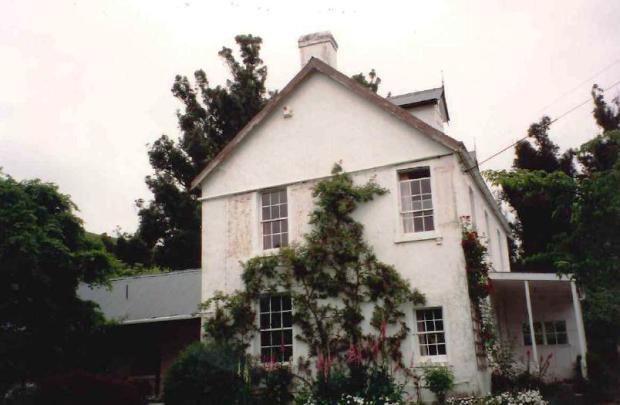
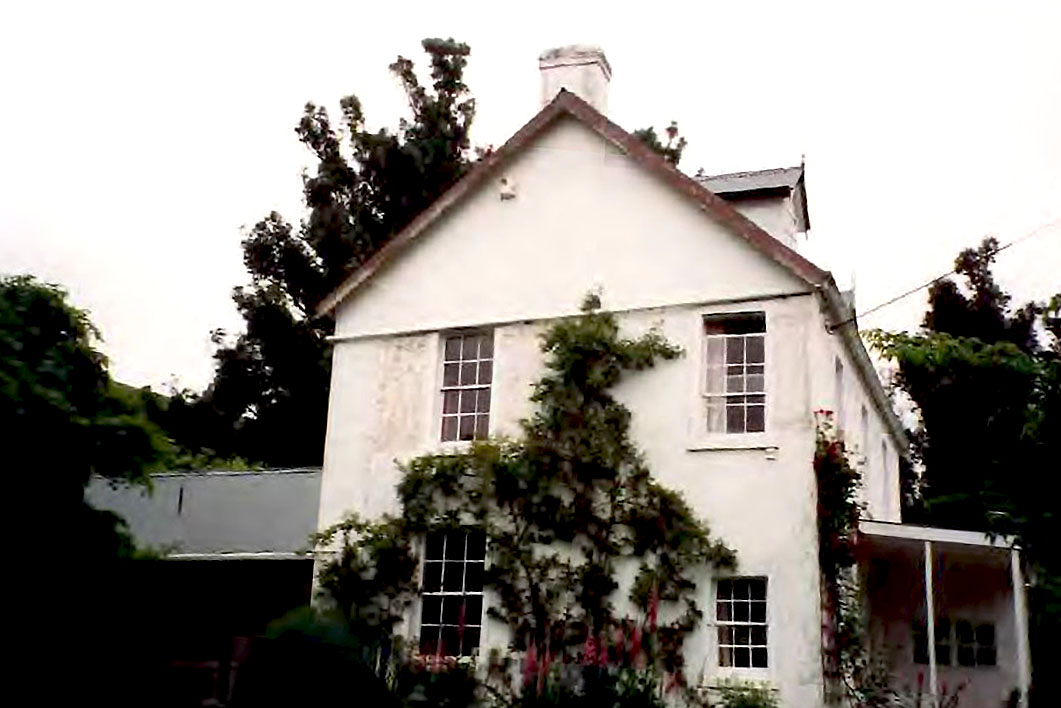
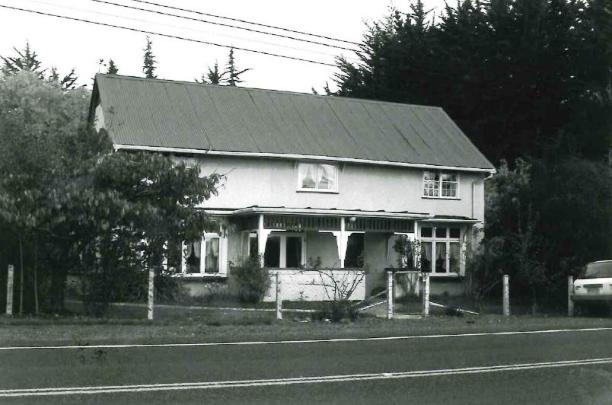
The Taieri Plain is noted for its early European domestic dwellings associated with the establishment of the small settlements. Springfield View, Allanton (as well as Springbank, List No. 5241) is an early example of one of the settlements by the Callander family which forms part of the wider historical landscape of the Taieri Plain. It is historically and architecturally significant due to its age and connection with one of the founding settler families on the Taieri.
From its source, the Taiari [Taieri] River flows almost entirely around Pātearoa (the Rock & Pillar Range) before discharging into Te Tai-o-Āraiteuru (the Otago coastline). Tradition tells us the Taiari and its various waterways was created by the taniwha Makaka who is immortalised as Pukemakamaka / Saddle Hill. Kāi Tahu ki Otago used all areas of the Taiari / Taieri Plain as evidenced by the hundreds of mahika kai sites associated with the numerous waterways, lakes and wetlands in the area, which was one of the most significant food baskets of the Otago region. The Ōwhiro Stream flows across the Taieri Plain into the Taieri River near the Allanton township, west of Mosgiel. The name Ōwhiro was used to denote the eastern part of the Taiari plain.
Reverend Thomas Burns arrived in Dunedin on the ship Philip Laing on 15 April 1848. Burns first visited the Taieri Plain in 1849 describing it as “a truly magnificent plain”. Before arriving in New Zealand, Burns purchased rural sections on behalf of the Church Trustees and supporters of the Free Church settlement, and he chose a large majority from the plain. The first road from Dunedin to the Taieri Plains was constructed in 1849, and with this farms and houses began to be constructed along this road. Springbank View is located on the East Taieri- Allanton Road, formerly known as Main District Road.
Husband and wife Alexander Adam and Agnes Jack Callander arrived on the Robert Henderson in 1858 with children James Adam (1838-1910), John Adam (1840-1927) and Elizabeth (1843-1889). Alexander had been a Rag and Waste merchant and Agnes was a registered midwife.
They lived in New Street in the heart of the Paisley weaving, cotton and thread industry. In the 1840s the industry suffered which may have led to the Callanders immigrating.
Alexander and his sons are thought to have built Springbank View and the neighbouring Springbank Hotel (List No. 5241) which was opened by Alexander in 1860. It appears from newspaper articles that Alexander lived at Springbank View while leasees ran the hotel. He advertised his farm and stock for sale in December 1872 as he was “giving up farming and dairying”. He died at the Springbank View residence in July 1873 aged 65 after a lingering illness. Alexander left the farmland to his sons and left only two rooms for his wife and daughter with use of the gardens. He later updated the will so the women could have the whole house for their use. From 1875 J and JA Callander are listed as owners.
The house consists of two portions - the front, formerly two storey, now three storeyed and the back single storeyed section. The front part of this house was built of double brick and was original roofed in slate. The bricks were burnt in their kiln which stood between Springbank and Springbank View, opposite Gladfield Road. The one storey building at the back was built later as a coal house and store and may date to the 1860s.
The brothers leased the Spring Bank View Farm in 1876, although from death notices of the family it appears that John, James, Elizabeth and Agnes all lived at Springbank View. The two brothers lived at the house with a housekeeper until the 1920s after the women had died. James died in 1909 and brother John sold the property in 1920 before his death in 1927.
Sheltered on one site by walnut and gum trees, the house has been well kept with attractive gardens. In 1928 Jessie McMillan, sister of Elizabeth Callander (another branch of the Callander family), owned the property and the house may have been roughcast during her time. After Jessie’s death in 1943 the property passed briefly to Thomas McMillan and then it was purchased by John Colquhoun in 1944 and who continued to own it until 1970.
In 1970 Prue and Robert Wilson purchased the property from Mrs Colquhoun. The Wilsons added the dormer windows to the attic and converted the area for use as a second floor (third storey). They also converted the former dairy in the single-storey portion into a family living room and divided the bathroom into two to create a laundry. When the sitting room needed relining they installed exposed beams and also plastered the fireplace/chimney. The original roof has been replaced by iron.
From its source, the Taiari [Taieri] River flows almost entirely around Pātearoa (the Rock & Pillar Range) before discharging into Te Tai-o-Āraiteuru (the Otago coastline). Tradition tells us the Taiari and its various waterways was created by the taniwha Makaka who is immortalised as Pukemakamaka / Saddle Hill. Kāi Tahu ki Otago used all areas of the Taiari / Taieri Plain as evidenced by the hundreds of mahika kai sites associated with the numerous waterways, lakes and wetlands in the area, which was one of the most significant food baskets of the Otago region. The Ōwhiro Stream flows across the Taieri Plain into the Taieri River near the Allanton township, west of Mosgiel. The name Ōwhiro was used to denote the eastern part of the Taiari plain.
Reverend Thomas Burns arrived in Dunedin on the ship Philip Laing on 15 April 1848. Burns first visited the Taieri Plain in 1849 describing it as “a truly magnificent plain”. Before arriving in New Zealand, Burns purchased rural sections on behalf of the Church Trustees and supporters of the Free Church settlement, and he chose a large majority from the plain. The first road from Dunedin to the Taieri Plains was constructed in 1849, and with this farms and houses began to be constructed along this road. Springbank View is located on the East Taieri- Allanton Road, formerly known as Main District Road.
Husband and wife Alexander Adam and Agnes Jack Callander arrived on the Robert Henderson in 1858 with children James Adam (1838-1910), John Adam (1840-1927) and Elizabeth (1843-1889). Alexander had been a Rag and Waste merchant and Agnes was a registered midwife.
They lived in New Street in the heart of the Paisley weaving, cotton and thread industry. In the 1840s the industry suffered which may have led to the Callanders immigrating.
Alexander and his sons are thought to have built Springbank View and the neighbouring Springbank Hotel (List No. 5241) which was opened by Alexander in 1860. It appears from newspaper articles that Alexander lived at Springbank View while leasees ran the hotel. He advertised his farm and stock for sale in December 1872 as he was “giving up farming and dairying”. He died at the Springbank View residence in July 1873 aged 65 after a lingering illness. Alexander left the farmland to his sons and left only two rooms for his wife and daughter with use of the gardens. He later updated the will so the women could have the whole house for their use. From 1875 J and JA Callander are listed as owners.
The house consists of two portions - the front, formerly two storey, now three storeyed and the back single storeyed section. The front part of this house was built of double brick and was original roofed in slate. The bricks were burnt in their kiln which stood between Springbank and Springbank View, opposite Gladfield Road. The one storey building at the back was built later as a coal house and store and may date to the 1860s.
The brothers leased the Spring Bank View Farm in 1876, although from death notices of the family it appears that John, James, Elizabeth and Agnes all lived at Springbank View. The two brothers lived at the house with a housekeeper until the 1920s after the women had died. James died in 1909 and brother John sold the property in 1920 before his death in 1927.
Sheltered on one site by walnut and gum trees, the house has been well kept with attractive gardens. In 1928 Jessie McMillan, sister of Elizabeth Callander (another branch of the Callander family), owned the property and the house may have been roughcast during her time. After Jessie’s death in 1943 the property passed briefly to Thomas McMillan and then it was purchased by John Colquhoun in 1944 and who continued to own it until 1970.
In 1970 Prue and Robert Wilson purchased the property from Mrs Colquhoun. The Wilsons added the dormer windows to the attic and converted the area for use as a second floor (third storey). They also converted the former dairy in the single-storey portion into a family living room and divided the bathroom into two to create a laundry. When the sitting room needed relining they installed exposed beams and also plastered the fireplace/chimney. The original roof has been replaced by iron.