Quick links


Quick links
Quick links
Quick links
Quick links
Quick links
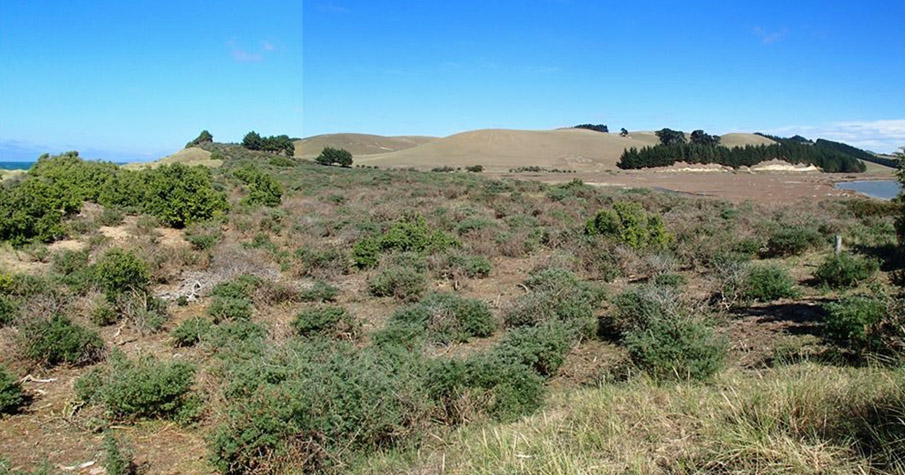
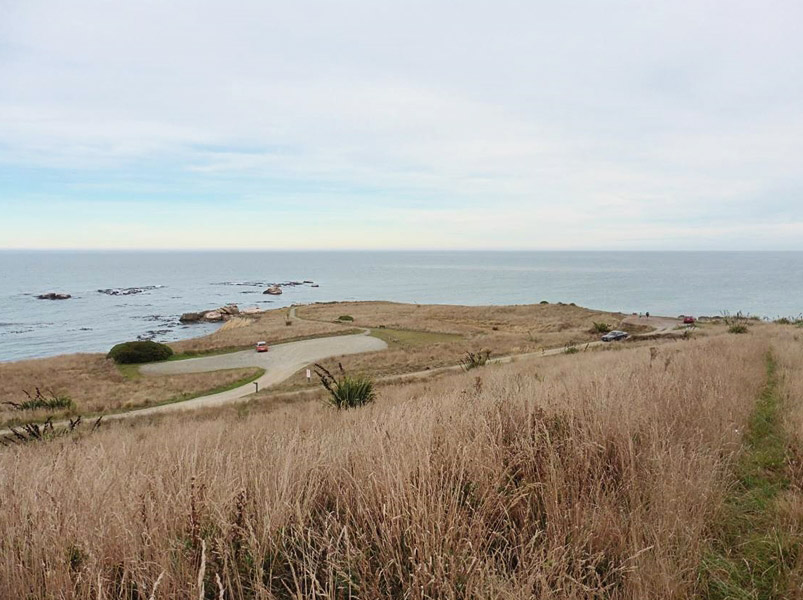
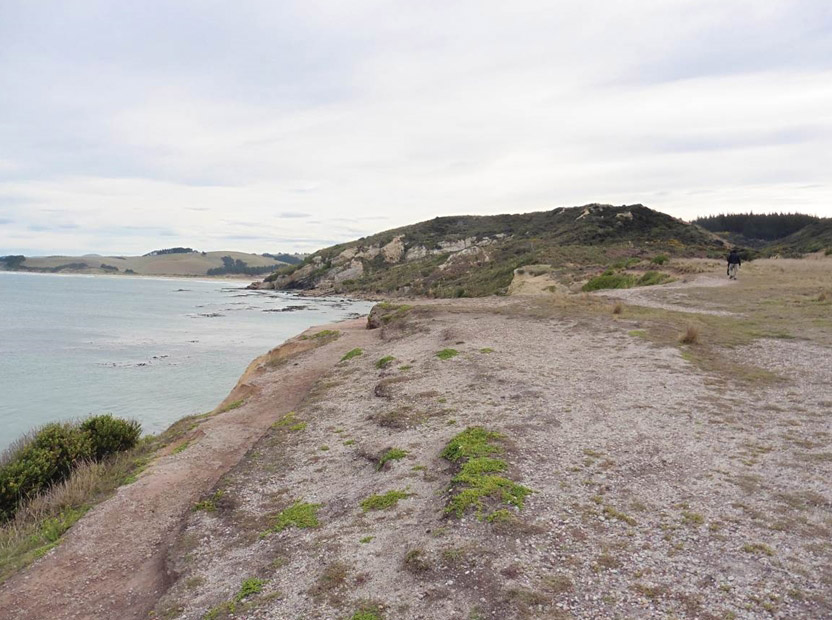
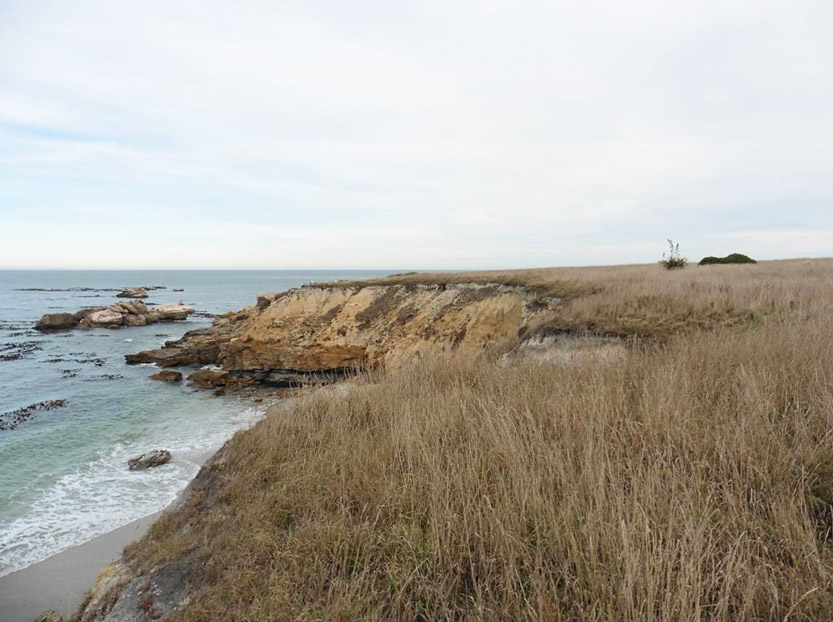
Shag Point Road, SHAG POINT
Public
Historic Place Category 2
List No. 5702
List Entry Information
Status
Listed
List Entry Status
Historic Place Category 2
Access
Able to Visit
List Number
5702
Date Entered
11th March 1985
Date of Effect
11th March 1985
City/District Council
Waitaki District
Region
Otago Region
Extent of List Entry
Extent includes part of the land described as Pt Sec 98 BLK III Moeraki SD (RT OT18C/114), Otago Land District. Refer to the extent map tabled at the Rārangi Kōrero Committee meeting on 8 March 2018.
Legal description
Pt Sec 98 BLK III Moeraki SD (RT OT18C/114), Otago Land District
Status
Listed
List Entry Status
Historic Place Category 2
Access
Able to Visit
List Number
5702
Date Entered
11th March 1985
Date of Effect
11th March 1985
City/District Council
Waitaki District
Region
Otago Region
Extent of List Entry
Extent includes part of the land described as Pt Sec 98 BLK III Moeraki SD (RT OT18C/114), Otago Land District. Refer to the extent map tabled at the Rārangi Kōrero Committee meeting on 8 March 2018.
Legal description
Pt Sec 98 BLK III Moeraki SD (RT OT18C/114), Otago Land District
Construction Details
Type
Original Construction
Description
Temporary occupation during this period
Period
1400-1700
Type
Damaged
Description
Site damaged
Period
1950's
Start Year
1954
Finish Year
1957
Type
Other
Description
Trotter excavations
Start Year
1964
Finish Year
1965
Type
Other
Description
Trotter excavations
Start Year
1998
Type
Other
Description
Weisler excavation
Start Year
2000
Type
Other
Description
Weisler excavation
Construction Details
Type
Original Construction
Description
Temporary occupation during this period
Period
1400-1700
Type
Damaged
Description
Site damaged
Period
1950's
Start Year
1954
Finish Year
1957
Type
Other
Description
Trotter excavations
Start Year
1964
Finish Year
1965
Type
Other
Description
Trotter excavations
Start Year
1998
Type
Other
Description
Weisler excavation
Start Year
2000
Type
Other
Description
Weisler excavation
Historical and Associated Iwi / Hapū / Whānau
Public NZAA Number
J43/11
Completion Date
29th January 2018
Report Written By
Heather Bauchop
Information Sources
Archaeology in New Zealand
Archaeology in New Zealand
Archaeology in New Zealand
Archaeology in New Zealand
The Archaeology of Otago
Jill Hamel, The Archaeology of Otago, Department of Conservation, Wellington, 2001
Shag Point artefact illustrations
Shar Briden, ‘Shag Point artefact illustrations: Excavations by University of Otago Anthropology Field School 2004’ NZAA Site Record J43/11.
Records of the Canterbury Museum
Records of the Canterbury Museum
Other Information
This place was identified as significant under previous legislation with different information requirements. It remains significant under the current legislation. There is opportunity under our legislation and policies to add to this information. Further information about this place may be available from the Otago/Southland Office of Heritage New Zealand Pouhere Taonga. Please note that entry on the New Zealand Heritage List/Rarangi Korero identifies only the heritage values of the property concerned, and should not be construed as advice on the state of the property, or as a comment of its soundness or safety, including in regard to earthquake risk, safety in the event of fire, or insanitary conditions. A fully referenced upgrade report is available on request from the Otago/Southland Area Office of Heritage New Zealand
Historical and Associated Iwi / Hapū / Whānau
Public NZAA Number
J43/11
Completion Date
29th January 2018
Report Written By
Heather Bauchop
Information Sources
Archaeology in New Zealand
Archaeology in New Zealand
Archaeology in New Zealand
Archaeology in New Zealand
The Archaeology of Otago
Jill Hamel, The Archaeology of Otago, Department of Conservation, Wellington, 2001
Shag Point artefact illustrations
Shar Briden, ‘Shag Point artefact illustrations: Excavations by University of Otago Anthropology Field School 2004’ NZAA Site Record J43/11.
Records of the Canterbury Museum
Records of the Canterbury Museum
Other Information
This place was identified as significant under previous legislation with different information requirements. It remains significant under the current legislation. There is opportunity under our legislation and policies to add to this information. Further information about this place may be available from the Otago/Southland Office of Heritage New Zealand Pouhere Taonga. Please note that entry on the New Zealand Heritage List/Rarangi Korero identifies only the heritage values of the property concerned, and should not be construed as advice on the state of the property, or as a comment of its soundness or safety, including in regard to earthquake risk, safety in the event of fire, or insanitary conditions. A fully referenced upgrade report is available on request from the Otago/Southland Area Office of Heritage New Zealand
Former Usages
General Usage: Maori
Specific Usage: Midden
General Usage: Maori
Specific Usage: Occupational site - temporary
General Usage: Maori
Specific Usage: Terrace
General Usage: Ruin
Specific Usage: Misc Archaeological
Themes
Of Significance to Maori
Former Usages
General Usage: Maori
Specific Usage: Midden
General Usage: Maori
Specific Usage: Occupational site - temporary
General Usage: Maori
Specific Usage: Terrace
General Usage: Ruin
Specific Usage: Misc Archaeological
Themes
Of Significance to Maori
Get the latest heritage news, features and events delivered
straight to your inbox.