

Ōtātara Pā is one of the most outstanding pā complexes in New Zealand and has international significance. It is an extensive defensive and settlement complex strategically located to provide expansive views and access to a range of natural resources. Archaeological features include an upper pā (Hikurangi), lower pā (Ōtātara Pā proper) and numerous terraces, house sites and pits. The majority of these features have been incorporated into the now enlarged Ōtātara Pā Historic Reserve.
Ōtātara Pā has considerable archaeological significance as it is one of the earliest and most remarkable extant pā complexes in New Zealand. Ōtātara Pā stands apart from other pā complexes such as One Tree Hill and Te Koru because of its sheer size (44 hectares) and the complexity of its archaeological features, which have largely remained intact since the site's abandonment. The elaborate design of Ōtātara Pā with its numerous small terraces and immense storage pits is a testament to the skill of the original builders. Ōtātara Pā is also a rare example of early pā construction as the large scale earthwork defences commonly found on pā sites throughout the North Island and upper South Island are notably absent, a fact that has long puzzled archaeologists given the physical extent of the site and the considerable population that would have lived there (as implied by the abundance of pits and terraces).
Ōtātara Pā is a place of tremendous cultural, traditional and spiritual significance to Ngāti Kahungunu iwi, particularly Ngāti Paarau Hapu of Waiohiki who are kaitiaki for the site The people of Waiohiki 'live in the shadow' of Ōtātara Pā and regard it as the original marae of Heretaunga. Ōtātara Pā commemorates the arrival of Taraia and his people (Ngāti Kahungunu) in Heretaunga. Maori oral tradition indicates that Ōtātara Pā was captured by Taraia of Ngāti Kahungunu in the sixteenth century, forcing its inhabitants to flee the area. It was from Ōtātara Pā that Ngāti Kahungunu 'gained a foothold in Heretaunga' and established themselves as the dominant iwi in the Hawkes Bay and Wairarapā through a variety of means including conquest and intermarriage. Ngāti Paarau feel that they have traditional responsibility for looking after Ōtātara Pā and have been closely involved with the management of the Ōtātara Pā Historic Reserve since the late 1980's. Ngāti Paarau's immense pride for Ōtātara Pā is reflected by their desire to see the archaeological complex classified as an ICOMOS World Heritage Site.
Ōtātara Pā has considerable archaeological significance as it is one of the earliest and most remarkable extant pā complexes in New Zealand. Ōtātara Pā stands apart from other pā complexes such as One Tree Hill and Te Koru because of its sheer size (44 hectares) and the complexity of its archaeological features, which have largely remained intact since the site's abandonment. The elaborate design of Ōtātara Pā with its numerous small terraces and immense storage pits is a testament to the skill of the original builders. Ōtātara Pā is also a rare example of early pā construction as the large scale earthwork defences commonly found on pā sites throughout the North Island and upper South Island are notably absent, a fact that has long puzzled archaeologists given the physical extent of the site and the considerable population that would have lived there (as implied by the abundance of pits and terraces).
Ōtātara Pā is a place of tremendous cultural, traditional and spiritual significance to Ngāti Kahungunu iwi, particularly Ngāti Paarau Hapu of Waiohiki who are kaitiaki for the site The people of Waiohiki 'live in the shadow' of Ōtātara Pā and regard it as the original marae of Heretaunga. Ōtātara Pā commemorates the arrival of Taraia and his people (Ngāti Kahungunu) in Heretaunga. Maori oral tradition indicates that Ōtātara Pā was captured by Taraia of Ngāti Kahungunu in the sixteenth century, forcing its inhabitants to flee the area. It was from Ōtātara Pā that Ngāti Kahungunu 'gained a foothold in Heretaunga' and established themselves as the dominant iwi in the Hawkes Bay and Wairarapā through a variety of means including conquest and intermarriage. Ngāti Paarau feel that they have traditional responsibility for looking after Ōtātara Pā and have been closely involved with the management of the Ōtātara Pā Historic Reserve since the late 1980's. Ngāti Paarau's immense pride for Ōtātara Pā is reflected by their desire to see the archaeological complex classified as an ICOMOS World Heritage Site.
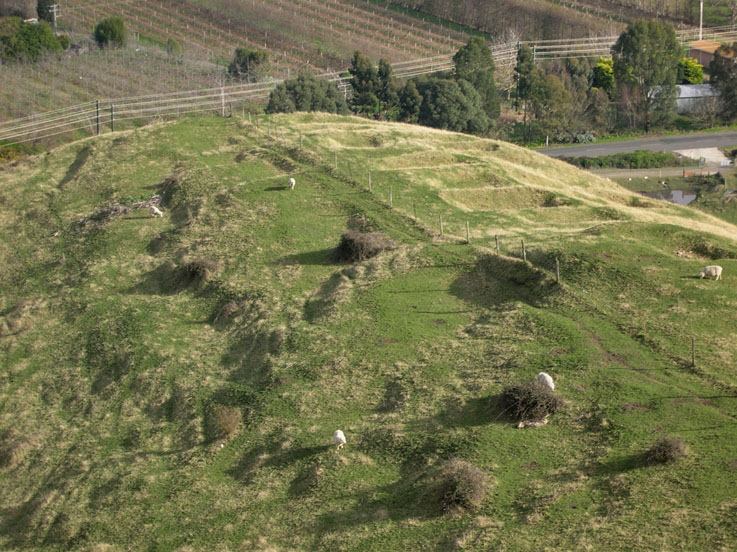
Ōtātara pā, Hawkes Bay. 'Aidan's Pits [V21/218], Otatara.' | Emma Brooks | Heritage New Zealand Pouhere Taonga
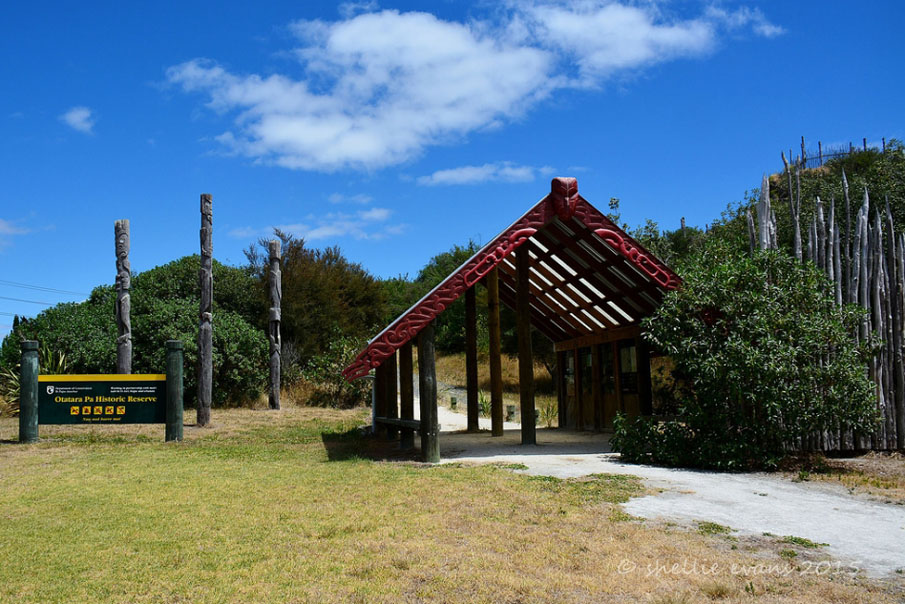
Ōtātara pā, Hawkes Bay. Image courtesy of www.flickr.com | Shellie Evans – flyingkiwigirl | 26/01/2015 | Shellie Evans
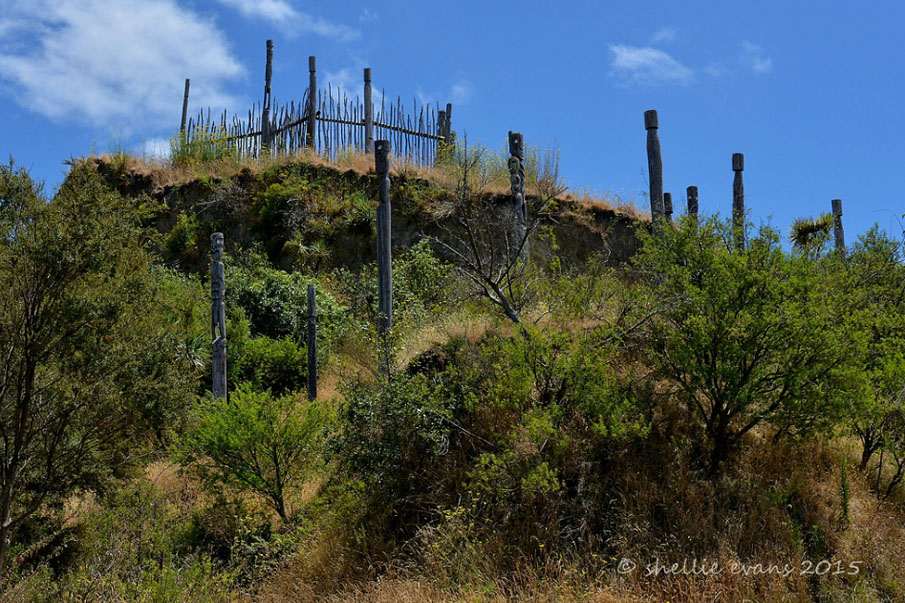
Ōtātara pā, Hawkes Bay. Palisades. Image courtesy of www.flickr.com | Shellie Evans – flyingkiwigirl | 26/01/2015 | Shellie Evans
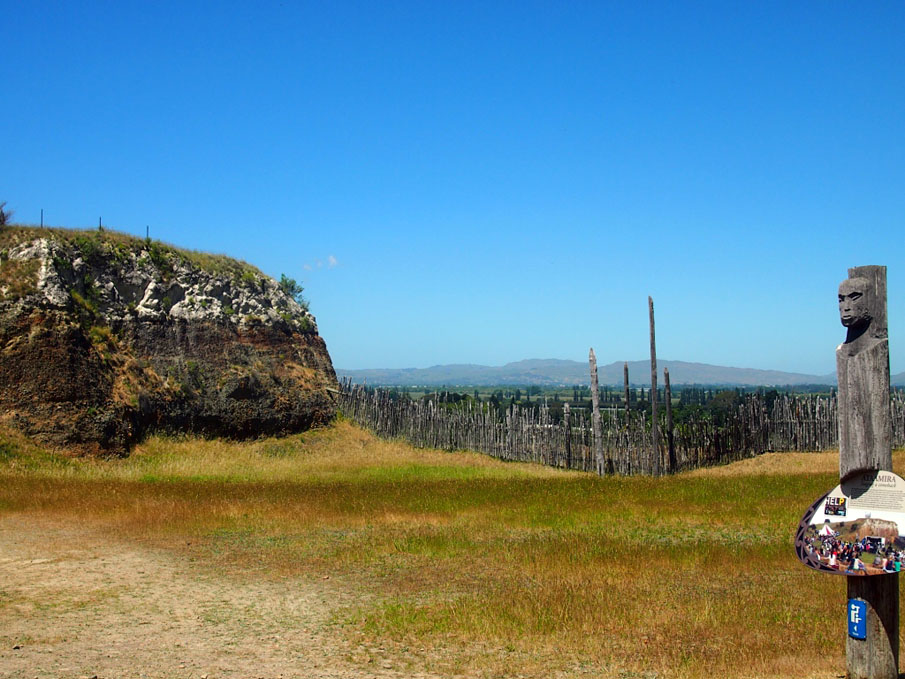
Ōtātara pā, Hawkes Bay. View looking south over the Heretaunga Plains towards Te Mata Hills | Karen Astwood | 22/11/2016 | Heritage New Zealand Pouhere Taonga
Ōtātara pā, Hawkes Bay. 'Aidan's Pits [V21/218], Otatara.' | Emma Brooks | Heritage New Zealand Pouhere Taonga
Ōtātara pā, Hawkes Bay. Image courtesy of www.flickr.com | Shellie Evans – flyingkiwigirl | 26/01/2015 | Shellie Evans
Ōtātara pā, Hawkes Bay. Palisades. Image courtesy of www.flickr.com | Shellie Evans – flyingkiwigirl | 26/01/2015 | Shellie Evans
Ōtātara pā, Hawkes Bay. View looking south over the Heretaunga Plains towards Te Mata Hills | Karen Astwood | 22/11/2016 | Heritage New Zealand Pouhere Taonga
