

This historic area was registered under the Historic Places Act 1993. This report includes text from the original Recommendation for Registration considered by the NZHPT Board at the time of registration.
The Waitaki Hydro dam (sited not far from Kurow) was the fifth power station to be built by the State in New Zealand. Investigation into the suitability of the site began in 1925 with work commencing three years later. Working and living conditions were very difficult at Waitaki and the completion of a dam across the Waitaki without the use of a diversion channel or modern machinery was seen as a civil engineering feat. Excavation work was done mainly by pick and shovel and only one full-time draughtsman was employed working from the drawings produced by the Public Works Department's design office in Wellington. Despite the difficult conditions, only nine lives were lost of the 500-1,250 people that worked on the project which reached completion in 1935.
The Waitaki project was not only significant for its innovative engineering work (under project engineer, R.H. Packwood) but also for the welfare policies that were instated to improve living and working conditions during the Depression years of the early 1930's. Permanent accommodation was provided for the workers and a scheme was developed by the Waitaki Hydro Medical Association whereby a small amount of money was deducted regularly from the workers' earnings and paid into an insurance programme to provide free health care for the worker and his family.
The concrete block houses within the area were built early in the project (1929) to provide accommodation for the camp's senior staff and their families. Single men and more junior staff were provided with wooden houses or huts in a separate part of the complex. In the 1980's the remaining concrete block houses, hostel and environs were threatened with demolition but are now protected by a heritage covenant which ensures their future protection.
The Waitaki Hydro dam (sited not far from Kurow) was the fifth power station to be built by the State in New Zealand. Investigation into the suitability of the site began in 1925 with work commencing three years later. Working and living conditions were very difficult at Waitaki and the completion of a dam across the Waitaki without the use of a diversion channel or modern machinery was seen as a civil engineering feat. Excavation work was done mainly by pick and shovel and only one full-time draughtsman was employed working from the drawings produced by the Public Works Department's design office in Wellington. Despite the difficult conditions, only nine lives were lost of the 500-1,250 people that worked on the project which reached completion in 1935.
The Waitaki project was not only significant for its innovative engineering work (under project engineer, R.H. Packwood) but also for the welfare policies that were instated to improve living and working conditions during the Depression years of the early 1930's. Permanent accommodation was provided for the workers and a scheme was developed by the Waitaki Hydro Medical Association whereby a small amount of money was deducted regularly from the workers' earnings and paid into an insurance programme to provide free health care for the worker and his family.
The concrete block houses within the area were built early in the project (1929) to provide accommodation for the camp's senior staff and their families. Single men and more junior staff were provided with wooden houses or huts in a separate part of the complex. In the 1980's the remaining concrete block houses, hostel and environs were threatened with demolition but are now protected by a heritage covenant which ensures their future protection.
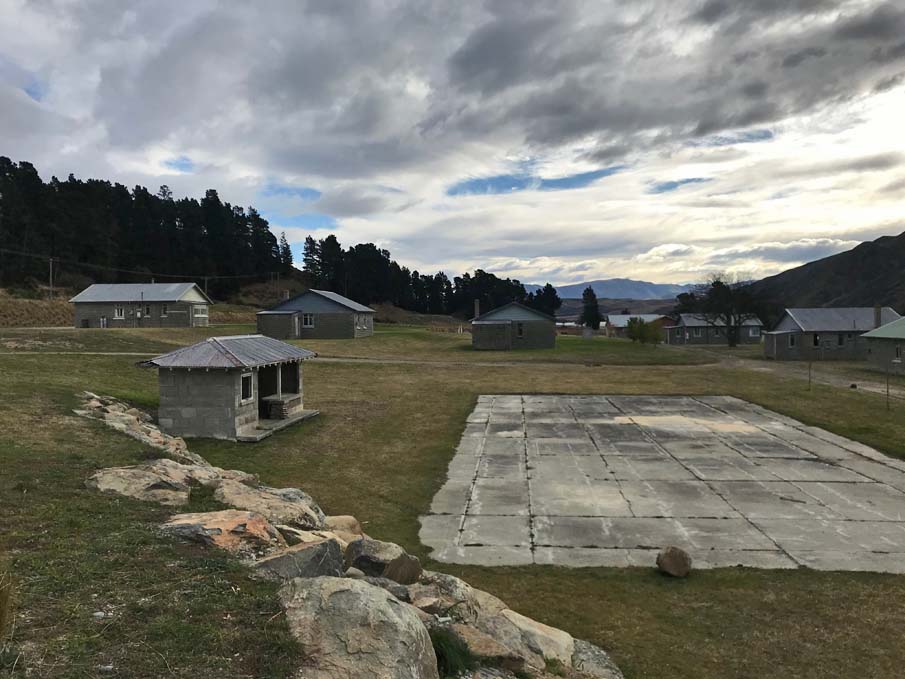
Waitaki Hydro Village (Former), Kurow | Sarah Gallagher | 16/06/2019 | Heritage New Zealand Pouhere Taonga
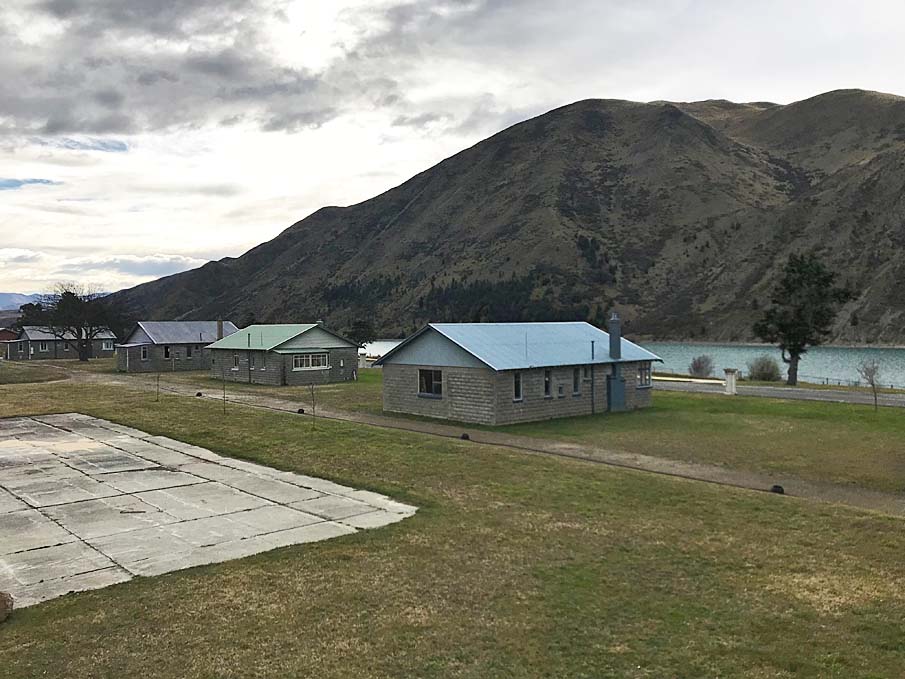
Waitaki Hydro Village (Former), Kurow | Sarah Gallagher | 16/06/2019 | Heritage New Zealand Pouhere Taonga
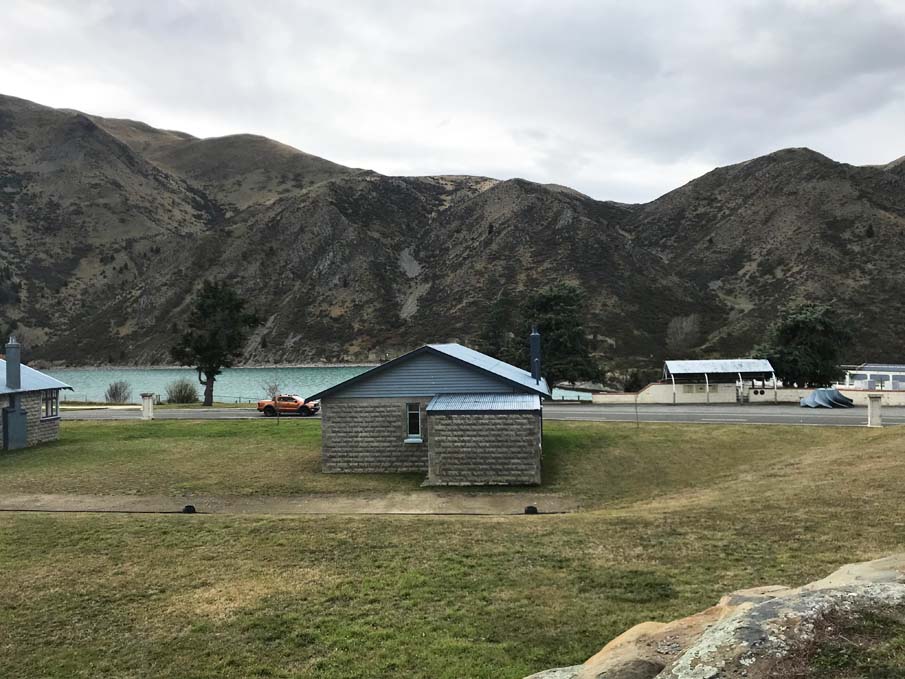
Waitaki Hydro Village (Former), Kurow | Sarah Gallagher | 16/06/2019 | Heritage New Zealand Pouhere Taonga
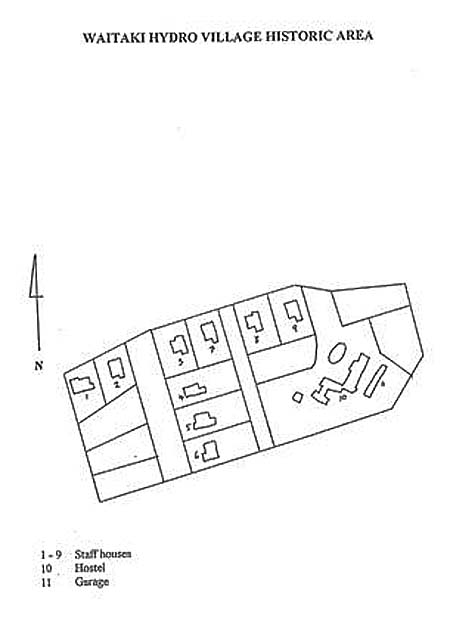
Waitaki Hydro Village (Former), Kurow. Plan of Historic Area | Heritage New Zealand Pouhere Taonga
Waitaki Hydro Village (Former), Kurow | Sarah Gallagher | 16/06/2019 | Heritage New Zealand Pouhere Taonga
Waitaki Hydro Village (Former), Kurow | Sarah Gallagher | 16/06/2019 | Heritage New Zealand Pouhere Taonga
Waitaki Hydro Village (Former), Kurow | Sarah Gallagher | 16/06/2019 | Heritage New Zealand Pouhere Taonga
Waitaki Hydro Village (Former), Kurow. Plan of Historic Area | Heritage New Zealand Pouhere Taonga
