Quick links


Quick links
Quick links
Quick links
Quick links
Quick links
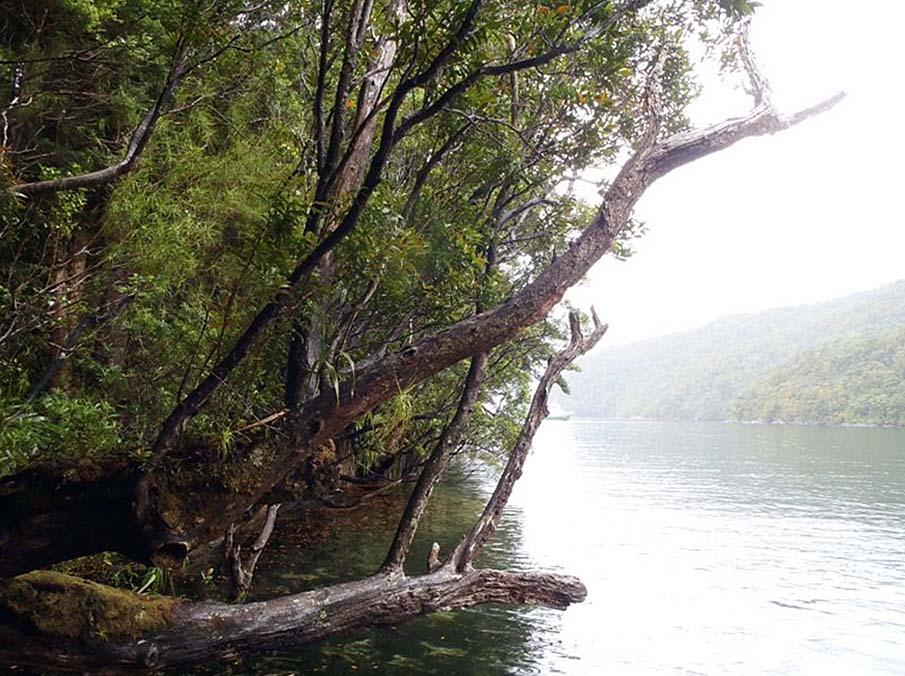
Pigeon Island, Dusky Sound, FIORDLAND
Public
Historic Place Category 1
List No. 7171


List Entry Information
Status
Listed
List Entry Status
Historic Place Category 1
Access
Able to Visit
List Number
7171
Date Entered
21st April 1994
Date of Effect
21st April 1994
City/District Council
Southland District
Region
Southland Region
Status
Listed
List Entry Status
Historic Place Category 1
Access
Able to Visit
List Number
7171
Date Entered
21st April 1994
Date of Effect
21st April 1994
City/District Council
Southland District
Region
Southland Region
Why is this place significant?
Historic Significance
Historical Significance or Value Richard Henry's Bird Pen provides evidence of the first attempt at state funded nature conservation in New Zealand. The bird pen is of very great historical significance; not only was it associated with Richard Henry, it was a necessary adjunct to his conservation work. The work started by Richard Henry is now a high profile Department of Conservation programme.
Physical Significance
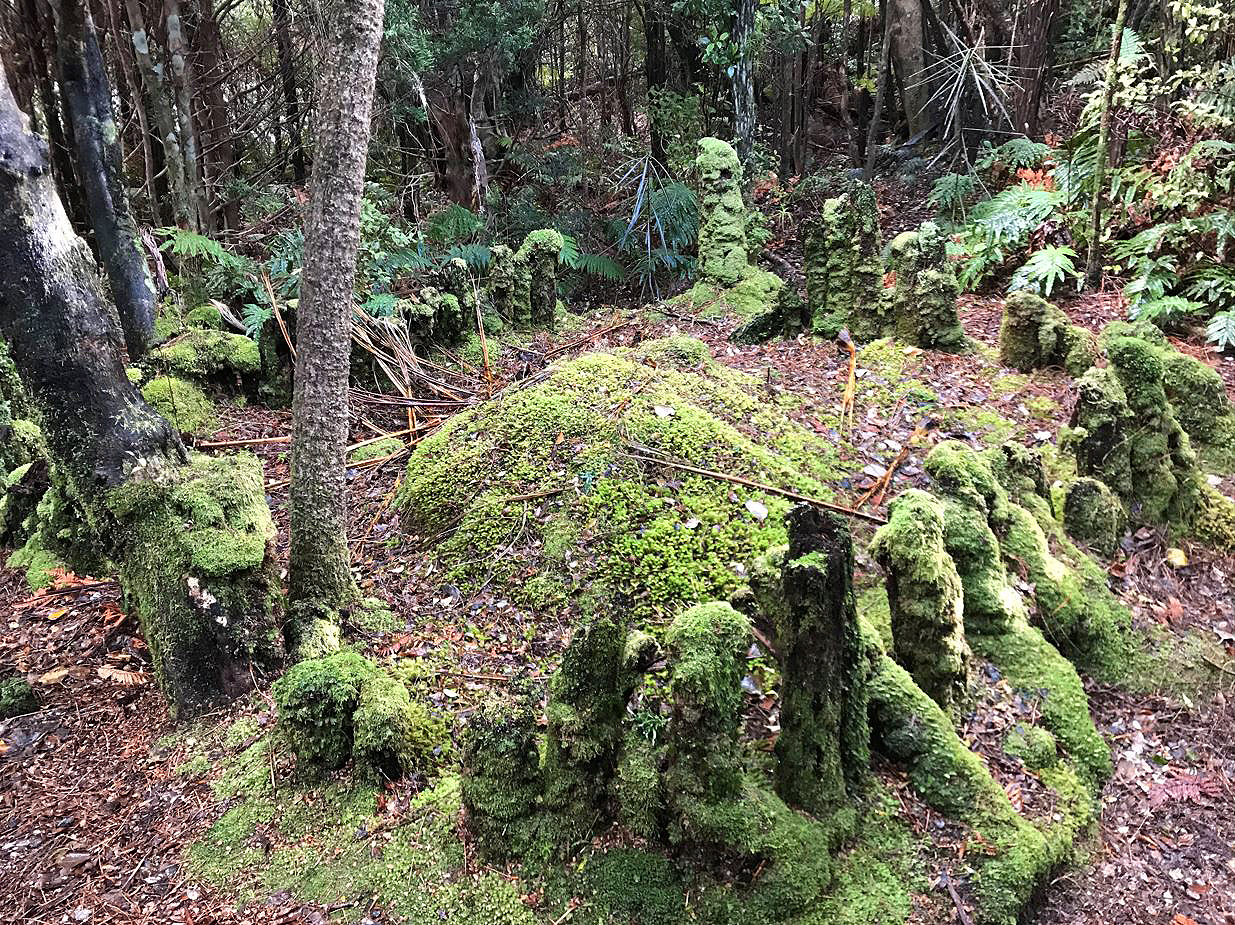
ARCHITECTURAL QUALITY: Richard Henry's Bird Pen is a practical response to the problem of housing captured birds. The remains of the pen have survived remarkably well in the damp Fiordland forest, outlasting Henry's house and other buildings on Pigeon Island. TOWNSCAPE/LANDMARK VALUE: The bird pen is situated in regenerating forest and being built of punga logs appears almost as part of the natural flora. The pen and the remains of the chimney of Henry's house are the only substantial structures that remain on Pigeon Island.
Construction Details
Start Year
1898
Type
Original Construction
Description
July 1898 Richard Henry constructed a house 10ft x 6 ft for kiwi. In October of the same year he built the punga pen
Start Year
1992
Finish Year
1993
Type
Other
Description
Stabilisation work carried out by Department of Conservation
Construction Materials
The pen consists of a series of upright punga logs.
The following text is from the original Proposal for Classification report 9 December 1993 considered by the NZHPT Board at the time of registration: The assault on Southland's ground birds really began with the introduction of the rabbit for sporting purposes. Rabbits were liberated in 1862 and by 1866 were spreading uncontrollably. To contain the escalating problem, the mustelids family of stoats, weasels and ferrets was introduced. They were natural predators of the rabbit. With no previous enemies, however, flightless birds were easier game than rabbits. Bird populations were severely reduced and there was concern that some species would become extinct. Acclimatisation societies and scientists urged the government to intervene and it was suggested that Resolution Island be set aside as a refuge for ground birds. The island became a reserve in 1891 but a caretaker was not appointed for another three years. Richard Henry had been studying ground birds in the Te Anau district for many years and was recognised as a resourceful and self-sufficient individual. He was selected from seven applicants and took up his duties in July 1894. He chose Pigeon Island, near Resolution Island, as his base and spent thirteen years at Dusky Sound. Initially he devoted his time to transferring kakapo and kiwi to Resolution Island and other islands in the sound. He pioneered and developed many techniques in the capture, tending and observation of birds. In addition to transferring birds to islands, he caught specimens for New Zealand scientists and collectors. He had difficulty keeping the birds alive while waiting for a boat to collect them. Their principle enemies were sand flies which attacked the birds with vigour. Henry built a bird pen out of punga logs to house the captured birds. He did not use netting as the birds would try to escape through it. The pen was dark so that sand flies would not bother the birds. Unfortunately, Richard Henry's efforts were in vain. Resolution Island had been chosen because it was thought to be beyond the swimming range of the mustelids. In March 1900 a stoat or weasel was spotted on Resolution Island and the experiment was effectively doomed. Henry moved other birds to even more distant islands with varying degrees of success. Some proved to be unsuitable habitats for the birds and when the area was checked for kakapo and kiwi in 1980, none were found. Henry left Dusky Sound in 1907.
The following text is from the original Proposal for Classification report 9 December 1993 considered by the NZHPT Board at the time of registration: The assault on Southland's ground birds really began with the introduction of the rabbit for sporting purposes. Rabbits were liberated in 1862 and by 1866 were spreading uncontrollably. To contain the escalating problem, the mustelids family of stoats, weasels and ferrets was introduced. They were natural predators of the rabbit. With no previous enemies, however, flightless birds were easier game than rabbits. Bird populations were severely reduced and there was concern that some species would become extinct. Acclimatisation societies and scientists urged the government to intervene and it was suggested that Resolution Island be set aside as a refuge for ground birds. The island became a reserve in 1891 but a caretaker was not appointed for another three years. Richard Henry had been studying ground birds in the Te Anau district for many years and was recognised as a resourceful and self-sufficient individual. He was selected from seven applicants and took up his duties in July 1894. He chose Pigeon Island, near Resolution Island, as his base and spent thirteen years at Dusky Sound. Initially he devoted his time to transferring kakapo and kiwi to Resolution Island and other islands in the sound. He pioneered and developed many techniques in the capture, tending and observation of birds. In addition to transferring birds to islands, he caught specimens for New Zealand scientists and collectors. He had difficulty keeping the birds alive while waiting for a boat to collect them. Their principle enemies were sand flies which attacked the birds with vigour. Henry built a bird pen out of punga logs to house the captured birds. He did not use netting as the birds would try to escape through it. The pen was dark so that sand flies would not bother the birds. Unfortunately, Richard Henry's efforts were in vain. Resolution Island had been chosen because it was thought to be beyond the swimming range of the mustelids. In March 1900 a stoat or weasel was spotted on Resolution Island and the experiment was effectively doomed. Henry moved other birds to even more distant islands with varying degrees of success. Some proved to be unsuitable habitats for the birds and when the area was checked for kakapo and kiwi in 1980, none were found. Henry left Dusky Sound in 1907.
Designed and Built by: Richard Henry (1845-1929) was born in Ireland and his family immigrated to Australia when he was five. He arrived in New Zealand in the 1870s. He settled in Te Anau in 1883 and fostered a keen interest in New Zealand's fauna, especially its flightless birds. Having lived in Fiordland for eleven years, Henry was appointed wildlife caretaker on Resolution Island in 1894. Henry was the first wildlife caretaker on Resolution Island and in effect New Zealand's first conservation officer. He was appointed to transfer large numbers of kakapo and kiwi to island havens as they were threatened on the mainland by introduced predatory land animals such as stoats, weasels and ferrets. He chose Pigeon Island as his base and spent thirteen years in Dusky Sound. Henry's standards of observation and the conservation techniques which he developed are still respected today. In 1907 Henry left Dusky Sound and moved to Kapiti Island where he took up the position of caretaker. He retired in 1912. ARCHITECTURAL DESCRIPTION: The bird pen is a rectangular arrangement of upright punga logs. The logs were set in the ground and probably had a roof. The structure was once considerably taller but logs today have a height of no more than a metre and average about half a metre. MODIFICATIONS: 1992-93: Stabilisation undertaken by the Department of Conservation
Designed and Built by: Richard Henry (1845-1929) was born in Ireland and his family immigrated to Australia when he was five. He arrived in New Zealand in the 1870s. He settled in Te Anau in 1883 and fostered a keen interest in New Zealand's fauna, especially its flightless birds. Having lived in Fiordland for eleven years, Henry was appointed wildlife caretaker on Resolution Island in 1894. Henry was the first wildlife caretaker on Resolution Island and in effect New Zealand's first conservation officer. He was appointed to transfer large numbers of kakapo and kiwi to island havens as they were threatened on the mainland by introduced predatory land animals such as stoats, weasels and ferrets. He chose Pigeon Island as his base and spent thirteen years in Dusky Sound. Henry's standards of observation and the conservation techniques which he developed are still respected today. In 1907 Henry left Dusky Sound and moved to Kapiti Island where he took up the position of caretaker. He retired in 1912. ARCHITECTURAL DESCRIPTION: The bird pen is a rectangular arrangement of upright punga logs. The logs were set in the ground and probably had a roof. The structure was once considerably taller but logs today have a height of no more than a metre and average about half a metre. MODIFICATIONS: 1992-93: Stabilisation undertaken by the Department of Conservation
Historical and Associated Iwi / Hapū / Whānau
Public NZAA Number
A44/1
Report Written By
Melanie Lovell-Smith
Information Sources
Dictionary of New Zealand Biography
Dictionary of New Zealand Biography
Hill, 1987
Susanne and John Hill, Richard Henry of Resolution Island, Dunedin, 1987
New Zealand Historic Places
New Zealand Historic Places
Other Information
A fully referenced Registration Report is available from the NZHPT Southern region office. Please note that entry on the New Zealand Heritage List/Rarangi Korero identifies only the heritage values of the property concerned, and should not be construed as advice on the state of the property, or as a comment of its soundness or safety, including in regard to earthquake risk, safety in the event of fire, or insanitary conditions.
Current Usages
Uses: Civic Facilities
Specific Usage: Historic or recreation reserve
Former Usages
General Usage: Research
Specific Usage: Scientific building/ laboratory
Web Links
description: DOC |History of Richard Henry's house site
description: NZ History|History of Richard Henry's house site
url: https://nzhistory.govt.nz/media/photo/pigeon-island-bird-pen
description: Dictionary of New Zealand Biography | Henry, Richard Treacy
url: https://teara.govt.nz/en/biographies/2h30/henry-richard-treacy
Get the latest heritage news, features and events delivered
straight to your inbox.