Quick links


Quick links
Quick links
Quick links
Quick links
Quick links
Taylors Mistake, BANKS PENINSULA
Private
Historic Area
List No. 7267
List Entry Information
Status
Listed
List Entry Status
Historic Area
Access
Private/No Public Access
List Number
7267
Date Entered
27th October 1995
Date of Effect
27th October 1995
City/District Council
Christchurch City
Region
Canterbury Region
Extent of List Entry
Extent includes part of the land described as Legal Road, Canterbury Land District and the thirteen buildings known as Rotten Row Baches at 34, 35, 36, 37, 38, 39, 40, 41, 42, 43, 44, 45, 46 Rotten Row thereon.
Legal description
Legal Road, Canterbury Land District
Location Description
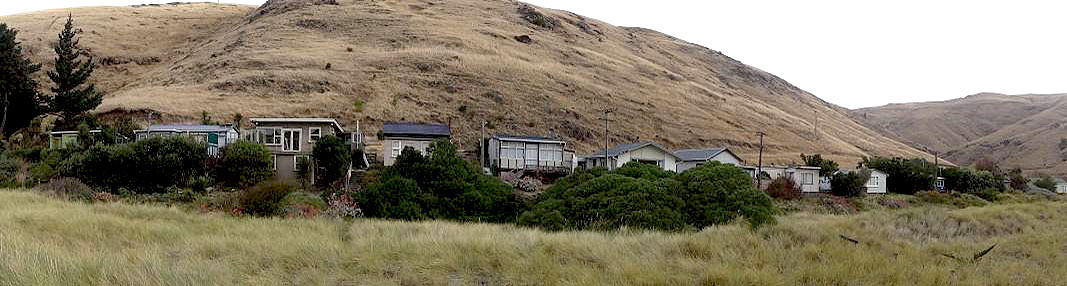
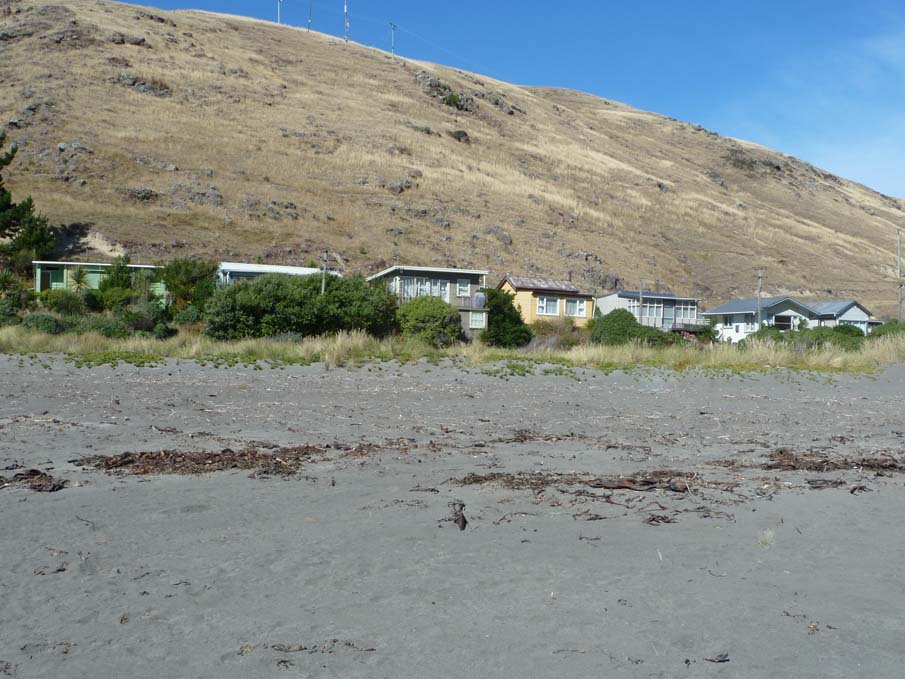
The area comprises the row of thirteen baches stretching from the car park to the rock known as ‘the Crocodile’. The individual baches included in the historic area are numbers 34, 35, 36, 37, 38, 39, 40, 41, 42, 43, 44, 45, 46 (Rotten Row).
Status
Listed
List Entry Status
Historic Area
Access
Private/No Public Access
List Number
7267
Date Entered
27th October 1995
Date of Effect
27th October 1995
City/District Council
Christchurch City
Region
Canterbury Region
Extent of List Entry
Extent includes part of the land described as Legal Road, Canterbury Land District and the thirteen buildings known as Rotten Row Baches at 34, 35, 36, 37, 38, 39, 40, 41, 42, 43, 44, 45, 46 Rotten Row thereon.
Legal description
Legal Road, Canterbury Land District
Location Description
The area comprises the row of thirteen baches stretching from the car park to the rock known as ‘the Crocodile’. The individual baches included in the historic area are numbers 34, 35, 36, 37, 38, 39, 40, 41, 42, 43, 44, 45, 46 (Rotten Row).
Why is this place significant?
Cultural Significance
This historic place was registered under the Historic Places Act 1993. The following text is from the original Recommendation for Registration considered by the NZHPT Board at the time of registration. Cultural/Social: The Rotten Row baches illustrate a New Zealand way of life from the early years of the century to WWII. They served as holiday homes during the Summer months for those living in the Christchurch suburbs. Lower income families took advantage of the tramway system and later the motor car, to holiday in places that had previously been inaccessible.
Historic Significance
Historical Significance or Value This historic place was registered under the Historic Places Act 1993. The following text is from the original Recommendation for Registration considered by the NZHPT Board at the time of registration. The bach may be considered one of the few 'indigenous' forms of architecture. They were particularly important to the lower middle class in the early and mid twentieth century as a way of enjoying the new-found leisure time made available after the 1890s. Baches played an important part in the history, folklore and imaginative life of New Zealand. CONCLUSION: The Rotten Row baches represent an important generic building type in New Zealand, and express a New Zealand response to the need for low-cost housing built from available materials. They also illustrate an aspect of the way of life of lower income New Zealanders.
Physical Significance
This historic place was registered under the Historic Places Act 1993. The following text is from the original Recommendation for Registration considered by the NZHPT Board at the time of registration. Architectural/Technological: The Rotten Row baches demonstrate a generic building type in New Zealand. it is notable for its lack of pretension and its plainness of style. The material, features of construction and oddities have produced a great variety within a simple archetype. The baches are constructed of cheap building materials, recycled items of joinery etc. Very few have been altered and their 1930s appearance remains. The variety of baches illustrate 'kiwi ingenuity' and self sufficiency ie. use of old railway carriages. Aesthetic: The area demonstrates the response of a small seasonable community, gathered over time, to the sensory qualities of the New Zealand beach and coast. The landscape relationship is important; the siting of the group is linear, with the baches facing the beach and the bay, and partially enclosed behind the hills.
Why is this place significant?
Cultural Significance
This historic place was registered under the Historic Places Act 1993. The following text is from the original Recommendation for Registration considered by the NZHPT Board at the time of registration. Cultural/Social: The Rotten Row baches illustrate a New Zealand way of life from the early years of the century to WWII. They served as holiday homes during the Summer months for those living in the Christchurch suburbs. Lower income families took advantage of the tramway system and later the motor car, to holiday in places that had previously been inaccessible.
Historic Significance
Historical Significance or Value This historic place was registered under the Historic Places Act 1993. The following text is from the original Recommendation for Registration considered by the NZHPT Board at the time of registration. The bach may be considered one of the few 'indigenous' forms of architecture. They were particularly important to the lower middle class in the early and mid twentieth century as a way of enjoying the new-found leisure time made available after the 1890s. Baches played an important part in the history, folklore and imaginative life of New Zealand. CONCLUSION: The Rotten Row baches represent an important generic building type in New Zealand, and express a New Zealand response to the need for low-cost housing built from available materials. They also illustrate an aspect of the way of life of lower income New Zealanders.
Physical Significance
This historic place was registered under the Historic Places Act 1993. The following text is from the original Recommendation for Registration considered by the NZHPT Board at the time of registration. Architectural/Technological: The Rotten Row baches demonstrate a generic building type in New Zealand. it is notable for its lack of pretension and its plainness of style. The material, features of construction and oddities have produced a great variety within a simple archetype. The baches are constructed of cheap building materials, recycled items of joinery etc. Very few have been altered and their 1930s appearance remains. The variety of baches illustrate 'kiwi ingenuity' and self sufficiency ie. use of old railway carriages. Aesthetic: The area demonstrates the response of a small seasonable community, gathered over time, to the sensory qualities of the New Zealand beach and coast. The landscape relationship is important; the siting of the group is linear, with the baches facing the beach and the bay, and partially enclosed behind the hills.
This historic place was registered under the Historic Places Act 1993. The following text is from the original Recommendation for Registration considered by the NZHPT Board at the time of registration.
This historic place was registered under the Historic Places Act 1993. The following text is from the original Recommendation for Registration considered by the NZHPT Board at the time of registration.
Historical and Associated Iwi / Hapū / Whānau
Information Sources
Ogilvie, 1991
Gordon Ogilvie, The Port Hills of Christchurch, Auckland, 1991
Other Information
A copy of the original report is available from the NZHPT Southern region office Please note that entry on the New Zealand Heritage List/Rarangi Korero identifies only the heritage values of the property concerned, and should not be construed as advice on the state of the property, or as a comment of its soundness or safety, including in regard to earthquake risk, safety in the event of fire, or insanitary conditions. This historic place was registered under the Historic Places Act 1993. The following text is from the original Recommendation for Registration considered by the NZHPT Board at the time of registration.
Historical and Associated Iwi / Hapū / Whānau
Information Sources
Ogilvie, 1991
Gordon Ogilvie, The Port Hills of Christchurch, Auckland, 1991
Other Information
A copy of the original report is available from the NZHPT Southern region office Please note that entry on the New Zealand Heritage List/Rarangi Korero identifies only the heritage values of the property concerned, and should not be construed as advice on the state of the property, or as a comment of its soundness or safety, including in regard to earthquake risk, safety in the event of fire, or insanitary conditions. This historic place was registered under the Historic Places Act 1993. The following text is from the original Recommendation for Registration considered by the NZHPT Board at the time of registration.
Current Usages
Uses: Accommodation
Specific Usage: Bach/crib
Former Usages
General Usage: Accommodation
Specific Usage: Bach/crib
General Usage: Accommodation
Specific Usage: House
Current Usages
Uses: Accommodation
Specific Usage: Bach/crib
Former Usages
General Usage: Accommodation
Specific Usage: Bach/crib
General Usage: Accommodation
Specific Usage: House
Location
Get the latest heritage news, features and events delivered
straight to your inbox.
