

List Entry Information
Status
Listed
List Entry Status
Historic Place Category 2
Access
Private/No Public Access
List Number
7270
Date Entered
27th October 1995
Date of Effect
27th October 1995
City/District Council
Dunedin City
Region
Otago Region
Legal description
Lots 1-4 DP 965 Lots 1-6 312 All DP 949 Secs 2, 4 & 39, pt 38 Blk 22 Town of Dunedin
Status
Listed
List Entry Status
Historic Place Category 2
Access
Private/No Public Access
List Number
7270
Date Entered
27th October 1995
Date of Effect
27th October 1995
City/District Council
Dunedin City
Region
Otago Region
Legal description
Lots 1-4 DP 965 Lots 1-6 312 All DP 949 Secs 2, 4 & 39, pt 38 Blk 22 Town of Dunedin
Why is this place significant?
Cultural Significance
This historic place was registered under the Historic Places Act 1993. The following text is from the original Recommendation for Registration considered by the NZHPT Board at the time of registration. Social/Cultural: Dunedin's fire brigade and station building have played an important part in the Dunedin community for many years, and represents the importance of a fire service to the community. The large station building is a visual reminder of the growth and development of Dunedin City. It demonstrates the lifestyle of the firemen and their families, a close knit group which may be considered to have an identifiable culture centred on the station.
Historic Significance
Historical Significance or Value This historic place was registered under the Historic Places Act 1993. The following text is from the original Recommendation for Registration considered by the NZHPT Board at the time of registration. The station was built in 1931, and housed the firemen and their families as well as fire engines and equipment, and until 1938 also housed the St John Ambulance Association's ambulance. This central station is a visual reminder of the history of the fire service in Dunedin, of the growth of Dunedin as a major city, and of the importance of fire as one of the major hazards to New Zealand communities.
Physical Significance
This historic place was registered under the Historic Places Act 1993. The following text is from the original Recommendation for Registration considered by the NZHPT Board at the time of registration. Aesthetic: The fire station has considerable streetscape significance, with one of the station's facades on a main street. The building is valued for its visual appeal, being constructed of attractive warm brick material which is offset by interesting plaster details. Architectural: The fire station represents a competent essay in several architectural styles of the period by the firm Mandeno and Fraser. As such the place deepens our understanding of the architectural partnership, which was considered to be an important one in Dunedin.
Why is this place Category 1 / Category 2?
Detail Of Assessed Criteria
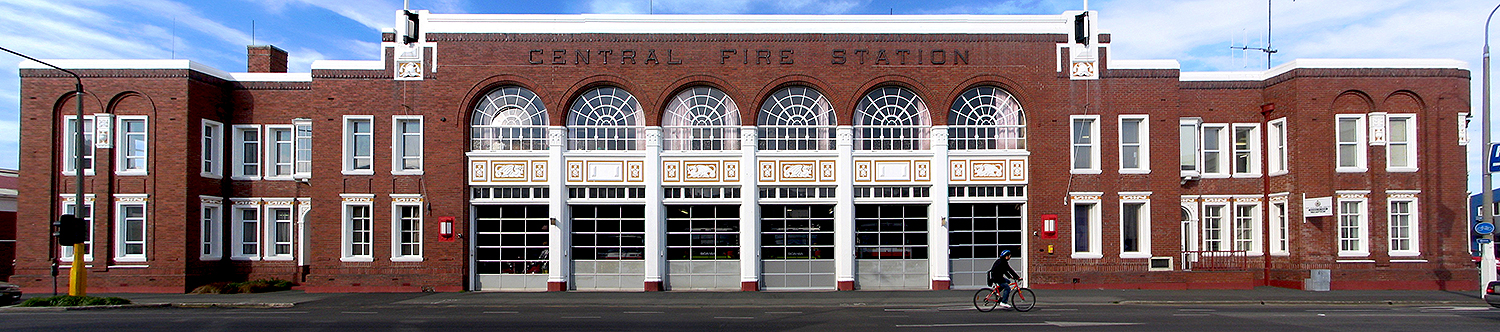
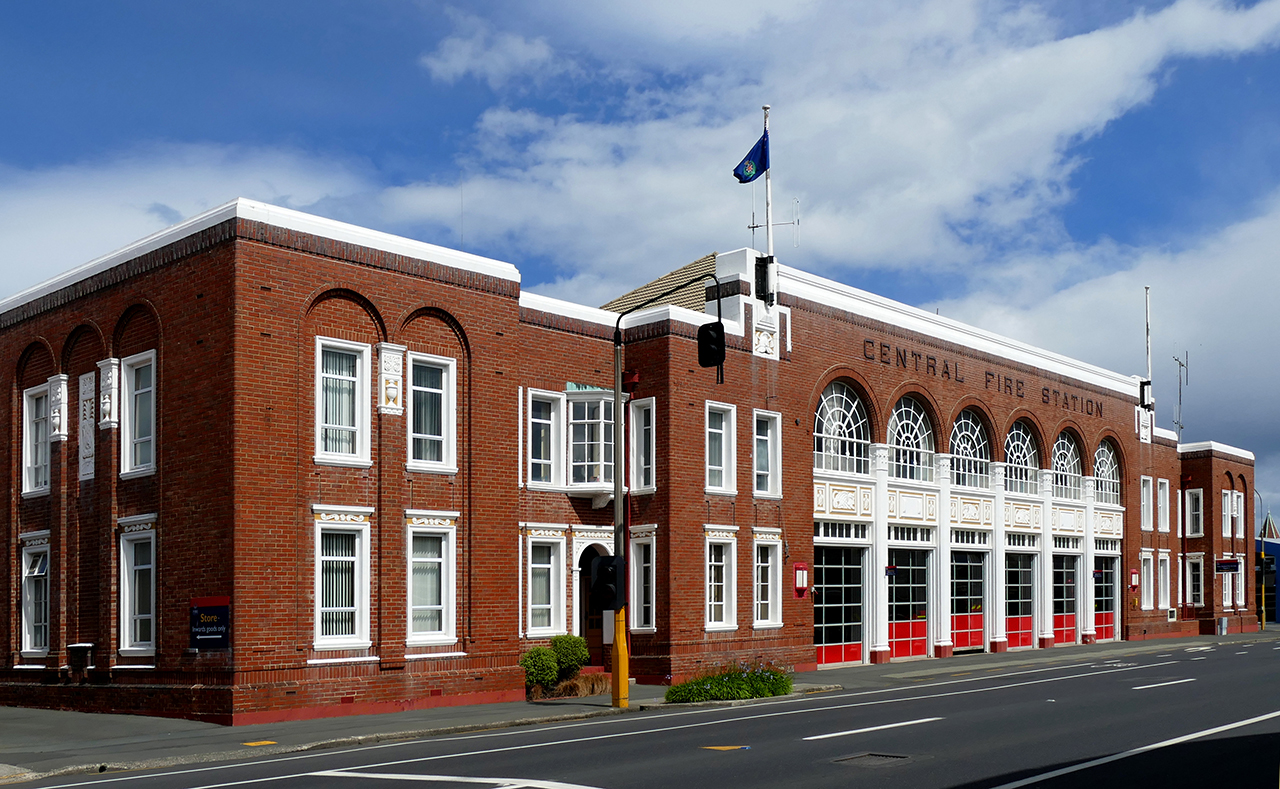
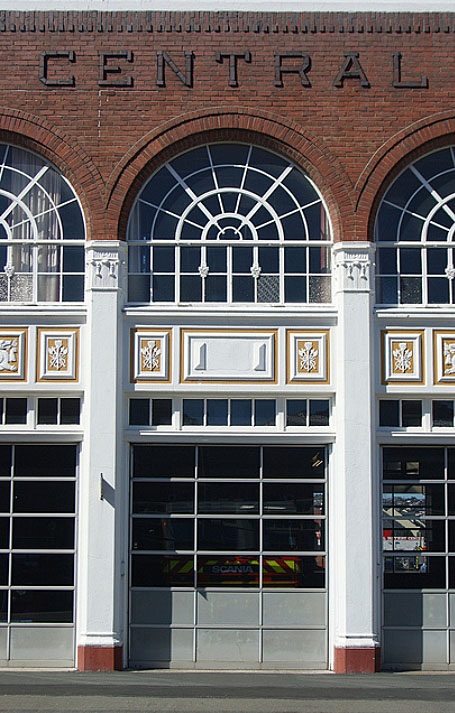
This historic place was registered under the Historic Places Act 1993. The following text is from the original Recommendation for Registration considered by the NZHPT Board at the time of registration. The following comments are made in relation to the criteria identified under S.23(2) of the Historic Places Act 1993. a) The extent to which the place reflects important or representative aspects of New Zealand history: Fire was a serious hazard to communities and fire brigades and their fire stations were a response to this. The Dunedin fire station is a good representative example of the accommodation provided for staff and equipment. b) The association of the place with events, persons or ideas of importance in New Zealand history: Events: Dunedin suffered from several serious fires in the 19th century, and the fire service was obviously crucial in containing these. Ideas: the fire brigade has long been an example of service, often voluntary, to the community. It has also provided an ideal of heroism for many New Zealanders. c) The potential of the place to provide knowledge of New Zealand history: f) The potential of the place for public education: As the Dunedin station has all the elements present found in a typical large fire station, it can provide information on the operation and functioning of a fire station. The building has the potential to show the way of life of the firemen and their families, including the type of accommodation provided, and can demonstrate the importance of the fire service to the community. g) The technical accomplishment or value, or design of the place: The historical part of the Dunedin Fire Station consists of the main block and the adjoining married men's quarters situate at the rear of the main block and at right angles to it. Both buildings were designed by the Dunedin firm of Mandeno and Fraser and were completed in 1931. The eclectic nature of the main block can be seen in the variety of styles it incorporates. It is constructed of stretcher bond brick, a material which was widely used in the 1930s for eclectic Beaux-Arts design, of which the fire station is a good example. The architect's choice of style was well suited to the function of the building which required a series of large doors to allow for the fast and immediate exit of fire engines. The classical emphasis of the main facades is to be found in the regular rhythm of the window bays, the multi paned Georgian style casement windows and the decorative plaster panels, which features motifs related to the fire service, such as crossed fire axes. On the rounded corner of the building is found a panel containing the date of the building. A fireman's helmet motif also appears in a pair of flanking panels on the central parapet of the station. There are Moderne elements also, seen in the rounded corner of the building on the Castle St corner, and the streamlined flat roofed appearance from the high parapet in front. In contrast the Married Men's Quarters block is executed in Domestic Revival, seen in the shaped timber and wrought iron brackets on the balconies, and in the brickwork above the doors of some of the flats. Conclusion: The Dunedin Fire Station, cnr St Andrews St & Castle St, Dunedin, is recommended for registration as a Category II as a place of historical and cultural heritage significance and value. The building is valued for its visual appeal, and represents a competent essay in several architectural styles of the period by the firm Mandeno and Fraser. Dunedin's fire brigade and station building have played an important part in the Dunedin community for many years, and represents the importance of a fire service to the community. This central station is a visual reminder of the history of the fire service in Dunedin, of the growth of Dunedin as a major city, and of the importance of fire as one of the major hazards to New Zealand communities.
Why is this place significant?
Cultural Significance
This historic place was registered under the Historic Places Act 1993. The following text is from the original Recommendation for Registration considered by the NZHPT Board at the time of registration. Social/Cultural: Dunedin's fire brigade and station building have played an important part in the Dunedin community for many years, and represents the importance of a fire service to the community. The large station building is a visual reminder of the growth and development of Dunedin City. It demonstrates the lifestyle of the firemen and their families, a close knit group which may be considered to have an identifiable culture centred on the station.
Historic Significance
Historical Significance or Value This historic place was registered under the Historic Places Act 1993. The following text is from the original Recommendation for Registration considered by the NZHPT Board at the time of registration. The station was built in 1931, and housed the firemen and their families as well as fire engines and equipment, and until 1938 also housed the St John Ambulance Association's ambulance. This central station is a visual reminder of the history of the fire service in Dunedin, of the growth of Dunedin as a major city, and of the importance of fire as one of the major hazards to New Zealand communities.
Physical Significance
This historic place was registered under the Historic Places Act 1993. The following text is from the original Recommendation for Registration considered by the NZHPT Board at the time of registration. Aesthetic: The fire station has considerable streetscape significance, with one of the station's facades on a main street. The building is valued for its visual appeal, being constructed of attractive warm brick material which is offset by interesting plaster details. Architectural: The fire station represents a competent essay in several architectural styles of the period by the firm Mandeno and Fraser. As such the place deepens our understanding of the architectural partnership, which was considered to be an important one in Dunedin.
Why is this place Category 1 / Category 2?
Detail Of Assessed Criteria
This historic place was registered under the Historic Places Act 1993. The following text is from the original Recommendation for Registration considered by the NZHPT Board at the time of registration. The following comments are made in relation to the criteria identified under S.23(2) of the Historic Places Act 1993. a) The extent to which the place reflects important or representative aspects of New Zealand history: Fire was a serious hazard to communities and fire brigades and their fire stations were a response to this. The Dunedin fire station is a good representative example of the accommodation provided for staff and equipment. b) The association of the place with events, persons or ideas of importance in New Zealand history: Events: Dunedin suffered from several serious fires in the 19th century, and the fire service was obviously crucial in containing these. Ideas: the fire brigade has long been an example of service, often voluntary, to the community. It has also provided an ideal of heroism for many New Zealanders. c) The potential of the place to provide knowledge of New Zealand history: f) The potential of the place for public education: As the Dunedin station has all the elements present found in a typical large fire station, it can provide information on the operation and functioning of a fire station. The building has the potential to show the way of life of the firemen and their families, including the type of accommodation provided, and can demonstrate the importance of the fire service to the community. g) The technical accomplishment or value, or design of the place: The historical part of the Dunedin Fire Station consists of the main block and the adjoining married men's quarters situate at the rear of the main block and at right angles to it. Both buildings were designed by the Dunedin firm of Mandeno and Fraser and were completed in 1931. The eclectic nature of the main block can be seen in the variety of styles it incorporates. It is constructed of stretcher bond brick, a material which was widely used in the 1930s for eclectic Beaux-Arts design, of which the fire station is a good example. The architect's choice of style was well suited to the function of the building which required a series of large doors to allow for the fast and immediate exit of fire engines. The classical emphasis of the main facades is to be found in the regular rhythm of the window bays, the multi paned Georgian style casement windows and the decorative plaster panels, which features motifs related to the fire service, such as crossed fire axes. On the rounded corner of the building is found a panel containing the date of the building. A fireman's helmet motif also appears in a pair of flanking panels on the central parapet of the station. There are Moderne elements also, seen in the rounded corner of the building on the Castle St corner, and the streamlined flat roofed appearance from the high parapet in front. In contrast the Married Men's Quarters block is executed in Domestic Revival, seen in the shaped timber and wrought iron brackets on the balconies, and in the brickwork above the doors of some of the flats. Conclusion: The Dunedin Fire Station, cnr St Andrews St & Castle St, Dunedin, is recommended for registration as a Category II as a place of historical and cultural heritage significance and value. The building is valued for its visual appeal, and represents a competent essay in several architectural styles of the period by the firm Mandeno and Fraser. Dunedin's fire brigade and station building have played an important part in the Dunedin community for many years, and represents the importance of a fire service to the community. This central station is a visual reminder of the history of the fire service in Dunedin, of the growth of Dunedin as a major city, and of the importance of fire as one of the major hazards to New Zealand communities.
Construction Professional
Name
Mandeno & Fraser
Type
Architectural Partnership
Biography
Mandeno and Fraser were an important firm of Dunedin architects. Most of their more important buildings were designed between 1915-1940. These include the Dunedin Town Hall and the Central Fire Station.
Construction Details
Start Year
1931
Type
Original Construction
Construction Professional
Name
Mandeno & Fraser
Type
Architectural Partnership
Biography
Mandeno and Fraser were an important firm of Dunedin architects. Most of their more important buildings were designed between 1915-1940. These include the Dunedin Town Hall and the Central Fire Station.
Construction Details
Start Year
1931
Type
Original Construction
Historical and Associated Iwi / Hapū / Whānau
Other Information
A copy of the original report is available from the NZHPT Southern Region Office Please note that entry on the New Zealand Heritage List/Rarangi Korero identifies only the heritage values of the property concerned, and should not be construed as advice on the state of the property, or as a comment of its soundness or safety, including in regard to earthquake risk, safety in the event of fire, or insanitary conditions.
Historical and Associated Iwi / Hapū / Whānau
Other Information
A copy of the original report is available from the NZHPT Southern Region Office Please note that entry on the New Zealand Heritage List/Rarangi Korero identifies only the heritage values of the property concerned, and should not be construed as advice on the state of the property, or as a comment of its soundness or safety, including in regard to earthquake risk, safety in the event of fire, or insanitary conditions.
Current Usages
Uses: Utilities
Specific Usage: Fire Station
Current Usages
Uses: Utilities
Specific Usage: Fire Station
Location
Sign up to hear more
Get the latest heritage news, features and events delivered
straight to your inbox.
