

List Entry Information
Status
Listed
List Entry Status
Historic Place Category 2
Access
Able to Visit
List Number
7278
Date Entered
27th October 1995
Date of Effect
27th October 1995
City/District Council
Far North District
Region
Northland Region
Legal description
Lot 1 DP 57340 (RT NA12C/305, NZ Gazette 2011, p. 1708), North Auckland Land District
Status
Listed
List Entry Status
Historic Place Category 2
Access
Able to Visit
List Number
7278
Date Entered
27th October 1995
Date of Effect
27th October 1995
City/District Council
Far North District
Region
Northland Region
Legal description
Lot 1 DP 57340 (RT NA12C/305, NZ Gazette 2011, p. 1708), North Auckland Land District
Why is this place significant?
Cultural Significance
This historic place was registered under the Historic Places Act 1993. The following text is from the original Recommendation for Registration considered by the NZHPT Board at the time of registration. Cultural: The garden and its site has had continuous association with a notable missionary family and other early settlers since the 1820s.
Historic Significance
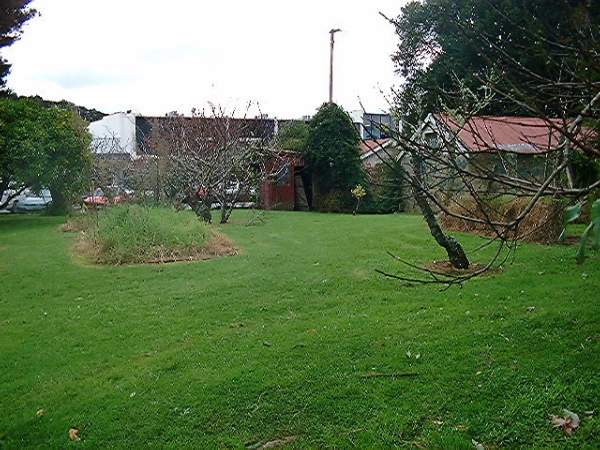
Historical Significance or Value This historic place was registered under the Historic Places Act 1993. The following text is from the original Recommendation for Registration considered by the NZHPT Board at the time of registration. Historical: This site has been associated with early European occupation since around the late 1850s. The garden layout is of significance as it remained largely unaltered for approximately sixty years, and also contains some 19th century tree species. It has a strong association with some notable European settlers and missionaries.
Physical Significance
This historic place was registered under the Historic Places Act 1993. The following text is from the original Recommendation for Registration considered by the NZHPT Board at the time of registration. Aesthetic: The planned design of the gardens and the large Bay trees contribute to aesthetic appeal Archaeological: The garden and the built structures are largely pre-1900 and thus have archaeological significance. Architectural: The two main built structures in the garden, being the house and the garden shed, are both of architectural interest. The shed is especially notable for its construction material, and it may well date to the middle of the 19th century
Why is this place Category 1 / Category 2?
Detail Of Assessed Criteria
This historic place was registered under the Historic Places Act 1993. The following text is from the original Recommendation for Registration considered by the NZHPT Board at the time of registration. The following comments are made in relation to the criteria identified under S.23(2) of the Historic Places Act 1993. b): The association of the place with events, persons, or ideas of importance in New Zealand history: The garden was until recently owned by Miss Mary Williams, a direct descendant of Henry Williams, an early missionary and notable historical figures in the Far North. The land on which the garden is located was acquired by Henry Williams for the Church Missionary Society in about 1823, when he established the mission station on the Paihia beach. Henry Williams and his family lived at the station until 1850, when he moved inland to the Pakaraka mission station. Between 1850 and 1920 it is believed that Hugh Carleton and Lydia Williams, Henry Williams' daughter, were living in a house on the site of the garden, beneath the existing house on the site. The garden shed was in existence at least by the 1880s when it was apparently used as a school room. It is claimed that this shed was used as a trading store by Henry and his brother William, and if so would have been constructed prior to 1850. Around 1919, when the Church Missionary Society sold limited amounts of the land, Canon Percy Williams bought the parcel of land of which the garden is located, demolished the Carleton's house and built the house presently on site. They also established the flower, fruit and vegetable garden, and it is believed that the present garden layout and plots closely resemble this original design. Many of the trees present in the garden today were planted by Canon Williams, and it is believed some trees date back to the time of Henry Williams. g): The technical accomplishment or value, or design of the place: The house presently on site was built by Canon Percy Williams in about 1920. Registered as a Category II historic place, it is an interesting example of a transitional dwelling. It features aspects common to villas, such as double hung windows and window hoods, as well as finials. However, the low pitched roof with over-hanging eaves are features more common to the bungalow. The small garden shed is also registered Category 2 and is of great technical interest. It is constructed of stone roughly mortared with sand and materials taken from the beach. Although the shed has been re-roofed and some of the walls have been repaired the original sections of the wall can demonstrate construction techniques and material from the 19th century. Conclusion: Mary Williams Garden, Williams Rd, Paihia, is recommended for registration as a Category II as a place of historical and cultural heritage significance and value. The site has had a continuous association with notable Northland missionary figures and settlers. The garden layout is of significance as it remained largely unaltered for approximately sixty years, and also contains some 19th century tree species.
Why is this place significant?
Cultural Significance
This historic place was registered under the Historic Places Act 1993. The following text is from the original Recommendation for Registration considered by the NZHPT Board at the time of registration. Cultural: The garden and its site has had continuous association with a notable missionary family and other early settlers since the 1820s.
Historic Significance
Historical Significance or Value This historic place was registered under the Historic Places Act 1993. The following text is from the original Recommendation for Registration considered by the NZHPT Board at the time of registration. Historical: This site has been associated with early European occupation since around the late 1850s. The garden layout is of significance as it remained largely unaltered for approximately sixty years, and also contains some 19th century tree species. It has a strong association with some notable European settlers and missionaries.
Physical Significance
This historic place was registered under the Historic Places Act 1993. The following text is from the original Recommendation for Registration considered by the NZHPT Board at the time of registration. Aesthetic: The planned design of the gardens and the large Bay trees contribute to aesthetic appeal Archaeological: The garden and the built structures are largely pre-1900 and thus have archaeological significance. Architectural: The two main built structures in the garden, being the house and the garden shed, are both of architectural interest. The shed is especially notable for its construction material, and it may well date to the middle of the 19th century
Why is this place Category 1 / Category 2?
Detail Of Assessed Criteria
This historic place was registered under the Historic Places Act 1993. The following text is from the original Recommendation for Registration considered by the NZHPT Board at the time of registration. The following comments are made in relation to the criteria identified under S.23(2) of the Historic Places Act 1993. b): The association of the place with events, persons, or ideas of importance in New Zealand history: The garden was until recently owned by Miss Mary Williams, a direct descendant of Henry Williams, an early missionary and notable historical figures in the Far North. The land on which the garden is located was acquired by Henry Williams for the Church Missionary Society in about 1823, when he established the mission station on the Paihia beach. Henry Williams and his family lived at the station until 1850, when he moved inland to the Pakaraka mission station. Between 1850 and 1920 it is believed that Hugh Carleton and Lydia Williams, Henry Williams' daughter, were living in a house on the site of the garden, beneath the existing house on the site. The garden shed was in existence at least by the 1880s when it was apparently used as a school room. It is claimed that this shed was used as a trading store by Henry and his brother William, and if so would have been constructed prior to 1850. Around 1919, when the Church Missionary Society sold limited amounts of the land, Canon Percy Williams bought the parcel of land of which the garden is located, demolished the Carleton's house and built the house presently on site. They also established the flower, fruit and vegetable garden, and it is believed that the present garden layout and plots closely resemble this original design. Many of the trees present in the garden today were planted by Canon Williams, and it is believed some trees date back to the time of Henry Williams. g): The technical accomplishment or value, or design of the place: The house presently on site was built by Canon Percy Williams in about 1920. Registered as a Category II historic place, it is an interesting example of a transitional dwelling. It features aspects common to villas, such as double hung windows and window hoods, as well as finials. However, the low pitched roof with over-hanging eaves are features more common to the bungalow. The small garden shed is also registered Category 2 and is of great technical interest. It is constructed of stone roughly mortared with sand and materials taken from the beach. Although the shed has been re-roofed and some of the walls have been repaired the original sections of the wall can demonstrate construction techniques and material from the 19th century. Conclusion: Mary Williams Garden, Williams Rd, Paihia, is recommended for registration as a Category II as a place of historical and cultural heritage significance and value. The site has had a continuous association with notable Northland missionary figures and settlers. The garden layout is of significance as it remained largely unaltered for approximately sixty years, and also contains some 19th century tree species.
Historical and Associated Iwi / Hapū / Whānau
Information Sources
Dictionary of New Zealand Biography
Dictionary of New Zealand Biography
Other Information
A copy of the original report is available from the NZHPT Northern region office Please note that entry on the New Zealand Heritage List/Rarangi Korero identifies only the heritage values of the property concerned, and should not be construed as advice on the state of the property, or as a comment of its soundness or safety, including in regard to earthquake risk, safety in the event of fire, or insanitary conditions.
Historical and Associated Iwi / Hapū / Whānau
Information Sources
Dictionary of New Zealand Biography
Dictionary of New Zealand Biography
Other Information
A copy of the original report is available from the NZHPT Northern region office Please note that entry on the New Zealand Heritage List/Rarangi Korero identifies only the heritage values of the property concerned, and should not be construed as advice on the state of the property, or as a comment of its soundness or safety, including in regard to earthquake risk, safety in the event of fire, or insanitary conditions.
Current Usages
Uses: Accommodation
Specific Usage: Garden - private
Former Usages
General Usage: Accommodation
Specific Usage: Garden - private
Current Usages
Uses: Accommodation
Specific Usage: Garden - private
Former Usages
General Usage: Accommodation
Specific Usage: Garden - private
Location
Sign up to hear more
Get the latest heritage news, features and events delivered
straight to your inbox.
