

List Entry Information
Status
Listed
List Entry Status
Historic Place Category 2
Access
Private/No Public Access
List Number
7307
Date Entered
19th April 1996
Date of Effect
19th April 1996
City/District Council
Timaru District
Region
Canterbury Region
Extent of List Entry
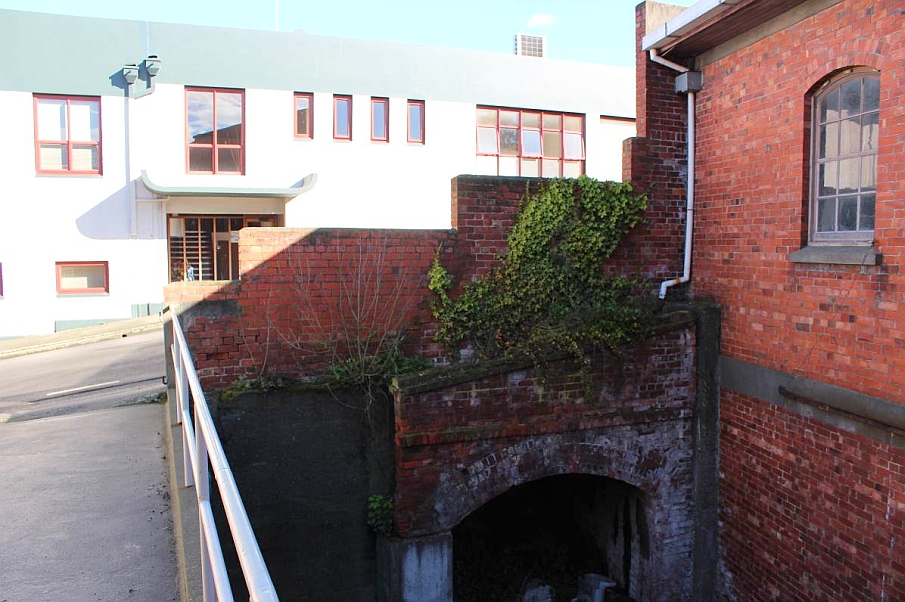
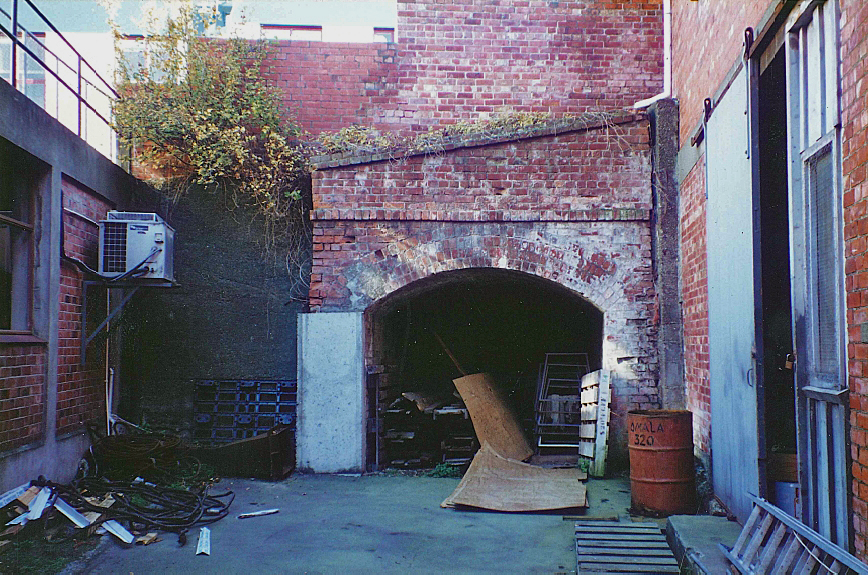
Extent includes part of the land described as Lot 2 DP75499 (RT CB43B/1282) and part of the land described as Pt RS 7555, Canterbury Land District and the structures known as Brick Tunnel and Railway Siding thereon. Refer to the extent map tabled at the Heritage New Zealand Board meeting on 11 September 2014.
Legal description
Lot 2 DP 75499 (RT CB43B/1282) and Pt RS 7555, Canterbury Land District
Status
Listed
List Entry Status
Historic Place Category 2
Access
Private/No Public Access
List Number
7307
Date Entered
19th April 1996
Date of Effect
19th April 1996
City/District Council
Timaru District
Region
Canterbury Region
Extent of List Entry
Extent includes part of the land described as Lot 2 DP75499 (RT CB43B/1282) and part of the land described as Pt RS 7555, Canterbury Land District and the structures known as Brick Tunnel and Railway Siding thereon. Refer to the extent map tabled at the Heritage New Zealand Board meeting on 11 September 2014.
Legal description
Lot 2 DP 75499 (RT CB43B/1282) and Pt RS 7555, Canterbury Land District
Why is this place significant?
Historic Significance
Historical Significance or Value This historic place was registered under the Historic Places Act 1993. The following text is from the original Recommendation for Registration considered by the NZHPT Board at the time of registration. The tunnel and railway siding was constructed in the late 19th century by a Timaru mercantile form for the purpose of moving freight from Strathallan St to Le Cren Terrace.
Physical Significance
This historic place was registered under the Historic Places Act 1993. The following text is from the original Recommendation for Registration considered by the NZHPT Board at the time of registration. Technological: The brick tunnel and railway siding is an unusual industrial artefact. It represents the technological advances in the late 19th century regarding the transportation of goods from warehouse to railway. Archaeological: The structure was built prior to 1900 and may have archaeological significance.
Why is this place Category 1 / Category 2?
Detail Of Assessed Criteria
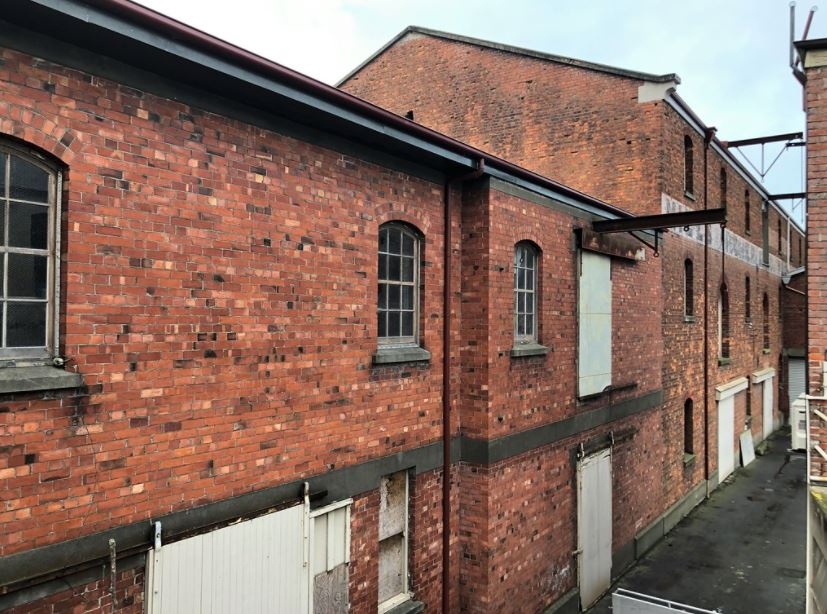
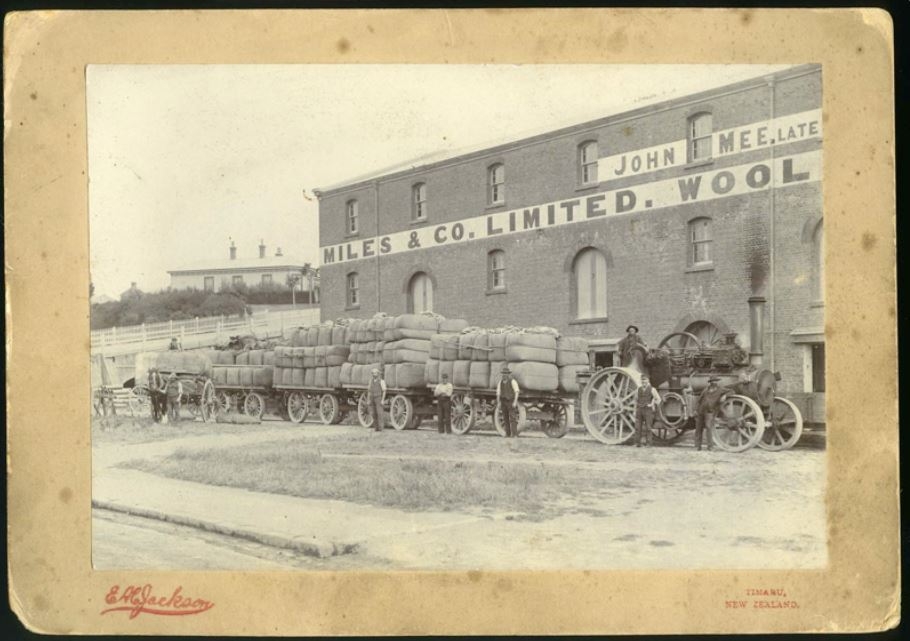
This historic place was registered under the Historic Places Act 1993. The following text is from the original Recommendation for Registration considered by the NZHPT Board at the time of registration. The following comments are made in relation to the criteria identified under S.23(2) of the Historic Places Act 1993. (b) The association of the place with events, persons, or ideas of importance in New Zealand history: This place is associated with the commercial development of Timaru and the transit of freight from the port area (increasingly pushed out through reclamation) to the retail/commercial district. The company, D.C. Turnbull and Co, is a distinguished and long established shipping agent and stock and station agency firm. Together with Tapley and Swift in Dunedin, it is one of the country's few surviving independent single-port shipping agents. (g) The technical accomplishment or value, or design of the place: This tunnel and siding is an unusual industrial artefact. According to the Timaru Herald the tunnel was thought to be operational about 1885. Trains would shunt wagons off a turnstile and down the siding behind DC Turnbull and Co. "The wagons were pulled or pushed manually, or led by horses through the tunnel, which came out roughly where the Pyne Gould Guiness yard is now. It is not known when the tunnel was bricked up, although the railways lines were sealed over about two years ago (1982)". The tunnel is nine feet across and arches to a height of 8'6". It runs for a length of approximately 50 meters, with a 1.1 meter gauge. Large beams (three of which overreach the spur line on the south wall of the Miles, Archer building) were used to uplift wool and grain from the wagons into the building. These beams have been described as a type of gibbet approximately 2.4 meters in length. The remaining timber turntable, which was made in 1902 to replace the shunting line to Turnbull's store, was enlarged from its original size when railway wagons were made larger. (k) The extent to which the place forms part of a wider historical and cultural complex or historical and cultural landscape: The tunnel and siding is intimately associated with the expansion of Timaru's port and commercial and industrial districts. Conclusion: The Brick Tunnel and Railway Siding, Strathallan St, Timaru, is recommended for registration as a Category II as a place of historical and cultural heritage significance and value. The tunnel and siding is an unusual industrial artefact constructed in the late 19th century to transport mercantile freight. It is closely associated with the commercial development of Timaru.
Why is this place significant?
Historic Significance
Historical Significance or Value This historic place was registered under the Historic Places Act 1993. The following text is from the original Recommendation for Registration considered by the NZHPT Board at the time of registration. The tunnel and railway siding was constructed in the late 19th century by a Timaru mercantile form for the purpose of moving freight from Strathallan St to Le Cren Terrace.
Physical Significance
This historic place was registered under the Historic Places Act 1993. The following text is from the original Recommendation for Registration considered by the NZHPT Board at the time of registration. Technological: The brick tunnel and railway siding is an unusual industrial artefact. It represents the technological advances in the late 19th century regarding the transportation of goods from warehouse to railway. Archaeological: The structure was built prior to 1900 and may have archaeological significance.
Why is this place Category 1 / Category 2?
Detail Of Assessed Criteria
This historic place was registered under the Historic Places Act 1993. The following text is from the original Recommendation for Registration considered by the NZHPT Board at the time of registration. The following comments are made in relation to the criteria identified under S.23(2) of the Historic Places Act 1993. (b) The association of the place with events, persons, or ideas of importance in New Zealand history: This place is associated with the commercial development of Timaru and the transit of freight from the port area (increasingly pushed out through reclamation) to the retail/commercial district. The company, D.C. Turnbull and Co, is a distinguished and long established shipping agent and stock and station agency firm. Together with Tapley and Swift in Dunedin, it is one of the country's few surviving independent single-port shipping agents. (g) The technical accomplishment or value, or design of the place: This tunnel and siding is an unusual industrial artefact. According to the Timaru Herald the tunnel was thought to be operational about 1885. Trains would shunt wagons off a turnstile and down the siding behind DC Turnbull and Co. "The wagons were pulled or pushed manually, or led by horses through the tunnel, which came out roughly where the Pyne Gould Guiness yard is now. It is not known when the tunnel was bricked up, although the railways lines were sealed over about two years ago (1982)". The tunnel is nine feet across and arches to a height of 8'6". It runs for a length of approximately 50 meters, with a 1.1 meter gauge. Large beams (three of which overreach the spur line on the south wall of the Miles, Archer building) were used to uplift wool and grain from the wagons into the building. These beams have been described as a type of gibbet approximately 2.4 meters in length. The remaining timber turntable, which was made in 1902 to replace the shunting line to Turnbull's store, was enlarged from its original size when railway wagons were made larger. (k) The extent to which the place forms part of a wider historical and cultural complex or historical and cultural landscape: The tunnel and siding is intimately associated with the expansion of Timaru's port and commercial and industrial districts. Conclusion: The Brick Tunnel and Railway Siding, Strathallan St, Timaru, is recommended for registration as a Category II as a place of historical and cultural heritage significance and value. The tunnel and siding is an unusual industrial artefact constructed in the late 19th century to transport mercantile freight. It is closely associated with the commercial development of Timaru.
Construction Details
Start Year
1900
startYearCirca
Type
Original Construction
Construction Details
Start Year
1900
startYearCirca
Type
Original Construction
Historical and Associated Iwi / Hapū / Whānau
Information Sources
New Zealand Historic Places Trust (NZHPT)
New Zealand Historic Places Trust
Other Information
A copy of the original report is available from the NZHPT Southern Region office Please note that entry on the New Zealand Heritage List/Rarangi Korero identifies only the heritage values of the property concerned, and should not be construed as advice on the state of the property, or as a comment of its soundness or safety, including in regard to earthquake risk, safety in the event of fire, or insanitary conditions.
Historical and Associated Iwi / Hapū / Whānau
Information Sources
New Zealand Historic Places Trust (NZHPT)
New Zealand Historic Places Trust
Other Information
A copy of the original report is available from the NZHPT Southern Region office Please note that entry on the New Zealand Heritage List/Rarangi Korero identifies only the heritage values of the property concerned, and should not be construed as advice on the state of the property, or as a comment of its soundness or safety, including in regard to earthquake risk, safety in the event of fire, or insanitary conditions.
Former Usages
General Usage: Transport
Specific Usage: Tunnel
Former Usages
General Usage: Transport
Specific Usage: Tunnel
