

List Entry Information
Status
Listed
List Entry Status
Historic Place Category 2
Access
Private/No Public Access
List Number
7326
Date Entered
6th September 1996
Date of Effect
6th September 1996
City/District Council
Dunedin City
Region
Otago Region
Legal description
Sec 62 Blk II DP 1030, Otago Peninsula District
Status
Listed
List Entry Status
Historic Place Category 2
Access
Private/No Public Access
List Number
7326
Date Entered
6th September 1996
Date of Effect
6th September 1996
City/District Council
Dunedin City
Region
Otago Region
Legal description
Sec 62 Blk II DP 1030, Otago Peninsula District
Why is this place significant?
Cultural Significance
This historic place was registered under the Historic Places Act 1993. The following text is from the original Recommendation for Classification report considered by the NZHPT Board at the time of registration. Spiritual: The Pukehiki Church has been a centre of Presbyterian spirituality on the Otago Peninsula for almost 130 years.
Historic Significance
Historical Significance or Value This historic place was registered under the Historic Places Act 1993. The following text is from the original Recommendation for Classification report considered by the NZHPT Board at the time of registration. Historical: The church was built in 1867-68 to serve the growing number of residents settling in the Pukehiki area. It was the centre of parish life until after World War II. The church has a very long history of use, being the second oldest, continuously used and basically unaltered Presbyterian church in Otago. It is also associated with Otago's colourful Provincial Superintendent, James Macandrew.
Physical Significance
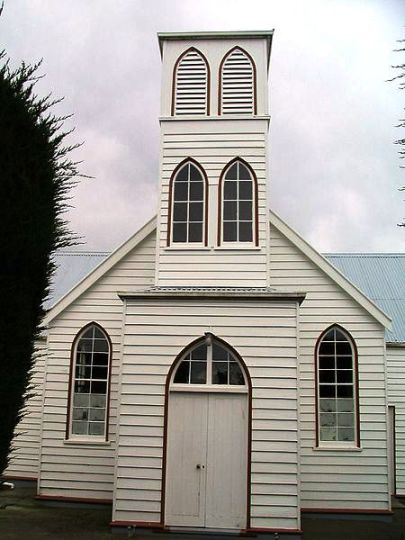
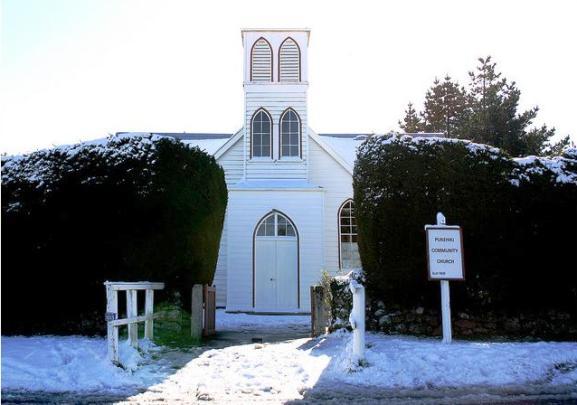
This historic place was registered under the Historic Places Act 1993. The following text is from the original Recommendation for Classification report considered by the NZHPT Board at the time of registration. Archaeological: The site was settled pre 1900 and therefore may have archaeological potential. Architectural: The church is designed in the Early English Lancet style-simple and austere, with a plain and relatively undistinguished interior.
Why is this place Category 1 / Category 2?
Detail Of Assessed Criteria
This historic place was registered under the Historic Places Act 1993. The following text is from the original Recommendation for Classification report considered by the NZHPT Board at the time of registration. (a) The extent to which the place reflects important or representative aspects of New Zealand history: The significance of the church is representative demonstrating the importance that early European colonists attached to the construction of churches, even in isolated rural communities. (b) The association of the place with events, persons or ideas of importance in New Zealand history: The main association of note is that of James Macandrew who served on the Otago Provincial Council for many years and was Superintendant from 1867 until the abolition of the provinces. Macandrew was an outspoken advocate of provincialism and was well known for the financial difficulties he experienced in the 1860s. He was forced to file for bankruptcy and was later arrested for debt. Institutionalised religion has played an important part in the lives of many New Zealanders since the beginnings of European colonisation. Presbyterianism was a significant force in the early history of the Free Church settlement. This church, built just 20 years after organised European settlement began in the province, typified the importance that settlers placed on constructing churches. (c) The potential of the place to provide knowledge of New Zealand history: The place is an archaeological site and thus has a potential to provide knowledge of New Zealand history. (g) The technical accomplishment or value, or design of the place. The Pukehiki Church is designed in the Early English Lancet style-a genre most consistently expressed in New Zealand in timber. The church design is simple and austere, with a plain and relatively undistinguished interior. Built on the rolling hilltop fields of the Otago Peninsula, within sight of traditional Scottish dry-stone walls and gorse hedgerows, the Pukehiki Church has considerable aesthetic appeal. Conclusion: The Pukehiki Community Church, Pukehiki is recommended for registration as a Category II, as a place of historical and cultural heritage significance and value. The church was designed in a simple and austere style Early English Lancet, and forms a characteristic element in its local setting. It was built in 1867-68 to serve the residents of the Portobello area and has a long history of use. It is associated with James Macandrew, a colourful Provincial Superintendent of Otago.
Why is this place significant?
Cultural Significance
This historic place was registered under the Historic Places Act 1993. The following text is from the original Recommendation for Classification report considered by the NZHPT Board at the time of registration. Spiritual: The Pukehiki Church has been a centre of Presbyterian spirituality on the Otago Peninsula for almost 130 years.
Historic Significance
Historical Significance or Value This historic place was registered under the Historic Places Act 1993. The following text is from the original Recommendation for Classification report considered by the NZHPT Board at the time of registration. Historical: The church was built in 1867-68 to serve the growing number of residents settling in the Pukehiki area. It was the centre of parish life until after World War II. The church has a very long history of use, being the second oldest, continuously used and basically unaltered Presbyterian church in Otago. It is also associated with Otago's colourful Provincial Superintendent, James Macandrew.
Physical Significance
This historic place was registered under the Historic Places Act 1993. The following text is from the original Recommendation for Classification report considered by the NZHPT Board at the time of registration. Archaeological: The site was settled pre 1900 and therefore may have archaeological potential. Architectural: The church is designed in the Early English Lancet style-simple and austere, with a plain and relatively undistinguished interior.
Why is this place Category 1 / Category 2?
Detail Of Assessed Criteria
This historic place was registered under the Historic Places Act 1993. The following text is from the original Recommendation for Classification report considered by the NZHPT Board at the time of registration. (a) The extent to which the place reflects important or representative aspects of New Zealand history: The significance of the church is representative demonstrating the importance that early European colonists attached to the construction of churches, even in isolated rural communities. (b) The association of the place with events, persons or ideas of importance in New Zealand history: The main association of note is that of James Macandrew who served on the Otago Provincial Council for many years and was Superintendant from 1867 until the abolition of the provinces. Macandrew was an outspoken advocate of provincialism and was well known for the financial difficulties he experienced in the 1860s. He was forced to file for bankruptcy and was later arrested for debt. Institutionalised religion has played an important part in the lives of many New Zealanders since the beginnings of European colonisation. Presbyterianism was a significant force in the early history of the Free Church settlement. This church, built just 20 years after organised European settlement began in the province, typified the importance that settlers placed on constructing churches. (c) The potential of the place to provide knowledge of New Zealand history: The place is an archaeological site and thus has a potential to provide knowledge of New Zealand history. (g) The technical accomplishment or value, or design of the place. The Pukehiki Church is designed in the Early English Lancet style-a genre most consistently expressed in New Zealand in timber. The church design is simple and austere, with a plain and relatively undistinguished interior. Built on the rolling hilltop fields of the Otago Peninsula, within sight of traditional Scottish dry-stone walls and gorse hedgerows, the Pukehiki Church has considerable aesthetic appeal. Conclusion: The Pukehiki Community Church, Pukehiki is recommended for registration as a Category II, as a place of historical and cultural heritage significance and value. The church was designed in a simple and austere style Early English Lancet, and forms a characteristic element in its local setting. It was built in 1867-68 to serve the residents of the Portobello area and has a long history of use. It is associated with James Macandrew, a colourful Provincial Superintendent of Otago.
Construction Details
Start Year
1867
Finish Year
1868
Type
Original Construction
Construction Details
Start Year
1867
Finish Year
1868
Type
Original Construction
Historical and Associated Iwi / Hapū / Whānau
Public NZAA Number
I44/392
Other Information
A copy of the original report is available from the NZHPT Southern region office Please note that entry on the New Zealand Heritage List/Rarangi Korero identifies only the heritage values of the property concerned, and should not be construed as advice on the state of the property, or as a comment of its soundness or safety, including in regard to earthquake risk, safety in the event of fire, or insanitary conditions.
Historical and Associated Iwi / Hapū / Whānau
Public NZAA Number
I44/392
Other Information
A copy of the original report is available from the NZHPT Southern region office Please note that entry on the New Zealand Heritage List/Rarangi Korero identifies only the heritage values of the property concerned, and should not be construed as advice on the state of the property, or as a comment of its soundness or safety, including in regard to earthquake risk, safety in the event of fire, or insanitary conditions.
Current Usages
Uses: Religion
Specific Usage: Church
Former Usages
General Usage: Religion
Specific Usage: Church
Current Usages
Uses: Religion
Specific Usage: Church
Former Usages
General Usage: Religion
Specific Usage: Church
