DonateMembershipVisit Heritage
  • Tūrangawaewae
    Places
  • Tira Māori
    Māori Heritage
  • Poutairangahia
    Archaeology
  • Rauemi
    Resources
  • Mō Tātou
    About Us
  • New Zealand Heritage List
  • Nominate and submit
  • Explore the List
  • National Historic Landmarks
  • Plaques
  • Rainbow List Project
  • Lost heritage
  • Visit Heritage
  • Our properties
  • Turnbull House Project
  • Collections
  • Shop
  • Tohu Whenua
  • Tira Māori
  • Conserving Māori heritage
  • Marae built heritage
  • Māori heritage on the List
  • Hinemihi—Te Hokinga Mai
  • What is archaeology?
  • Is there a site on my property?
  • What are my legal requirements?
  • Affecting an archaeological site
  • Declaring an archaeological site
  • Archaeology FAQs
  • Archaeology Digital Library
  • Archaeology guidelines and templates
  • Resources
  • Funding
  • Publications
  • Sustainable management guides
  • Disaster recovery
  • Podcasts & digital resources
  • Education Hub
  • Conservation plans
  • About
  • Board
  • Māori Heritage Council
  • Senior Staff
  • Offices
  • Contact us
  • Careers
  • Covenants
  • Fast-track
  • Corporate documents
  • Currently consulting on
  • Our submissions
  • News
  • Covid-19 response
Quick links
Rārangi Kōrero | The List
Explore the List
National Historic Landmarks
Ngā Manawhenua o Aotearoa me ōna Kōrero Tūturu
Quick links
Tapuwae
A Vision for Places of Māori Heritage
Funding for Māori Heritage
Resources
Quick links
Archaeological Authority Portal
Applying for an archaeological authority
Archaeology FAQs
Browse the most frequently asked questions about archaeological authorities and the archaeological process.
Quick links
Quick links
News
News Keep up to date with Heritage New Zealand Pouhere Taonga
Membership
Membership Find out more and sign up today
DonateMembershipVisit Heritage
  • Tūrangawaewae
    Places
  • Tira Māori
    Māori Heritage
  • Poutairangahia
    Archaeology
  • Rauemi
    Resources
  • Mō Tātou
    About Us
  • New Zealand Heritage List
  • Nominate and submit
  • Explore the List
  • National Historic Landmarks
  • Plaques
  • Rainbow List Project
  • Lost heritage
  • Visit Heritage
  • Our properties
  • Turnbull House Project
  • Collections
  • Shop
  • Tohu Whenua
  • Tira Māori
  • Conserving Māori heritage
  • Marae built heritage
  • Māori heritage on the List
  • Hinemihi—Te Hokinga Mai
  • What is archaeology?
  • Is there a site on my property?
  • What are my legal requirements?
  • Affecting an archaeological site
  • Declaring an archaeological site
  • Archaeology FAQs
  • Archaeology Digital Library
  • Archaeology guidelines and templates
  • Resources
  • Funding
  • Publications
  • Sustainable management guides
  • Disaster recovery
  • Podcasts & digital resources
  • Education Hub
  • Conservation plans
  • About
  • Board
  • Māori Heritage Council
  • Senior Staff
  • Offices
  • Contact us
  • Careers
  • Covenants
  • Fast-track
  • Corporate documents
  • Currently consulting on
  • Our submissions
  • News
  • Covid-19 response
Quick links
Rārangi Kōrero | The List
Explore the List
National Historic Landmarks
Ngā Manawhenua o Aotearoa me ōna Kōrero Tūturu
Quick links
Tapuwae
A Vision for Places of Māori Heritage
Funding for Māori Heritage
Resources
Quick links
Archaeological Authority Portal
Applying for an archaeological authority
Archaeology FAQs
Browse the most frequently asked questions about archaeological authorities and the archaeological process.
Quick links
Quick links
News
News Keep up to date with Heritage New Zealand Pouhere Taonga
Membership
Membership Find out more and sign up today
  • Nominate and submit
  • National Historic Landmarks
  • Nominate and submit
  • National Historic Landmarks
  • Conserving Māori heritage
  • Marae built heritage
  • Conserving Māori heritage
  • Marae built heritage
  • Archaeological authorities
  • Archaeology Digital Library
  • Archaeological authorities
  • Archaeology Digital Library
  • All resources
  • Publications
  • Funding
  • All resources
  • Publications
  • Funding
  • FAQs
  • FAQs
Follow us on:
Places
  • Nominate and submit
  • National Historic Landmarks
Tira Māori
  • Conserving Māori heritage
  • Marae built heritage
Archaeology
  • Archaeological authorities
  • Archaeology Digital Library
Resources
  • All resources
  • Publications
  • Funding
FAQs
  • FAQs
Follow us on
HomePrivacyTerms and conditionsAbout this site
© Heritage New Zealand Pouhere Taonga 2026.
 
Kumutoto

65 Salamanca Road, Kelburn, WELLINGTON

Wāhi Tūpuna/Tīpuna

List No. 9078

Quick links:
List GalleryLocationDetails
The Kumutoto awa flows from Pukehinau to the moana of Te Whanganui-a-Tara as a fluid current connecting past and present in Wellington city. Though the awa is mostly culverted below ground, a small section of open water still flows along earth banks. As one of the seven streams in Wellington's central urban area, the course of the awa once flowed through Kumutoto Pā.
Established by Wi Piti Pomare of Ngāti Mutunga in 1824, Kumutoto Pā was a settlement founded at the old mouth of the awa. In 1835, ownership was passed over to the tupuna Ngātata-i-te-rangi of Ngāti Te Whiti, Te Atiawa and associated hapū. Kumutoto Pā was once where Woodward St and the Terrace meet, albeit development along Lambton Quay erased all physical evidence of the site. The history of the papakāinga and the tūpuna who lived there reflects both Māori settlement in Te Whanganui-a-Tara, and Wellington’s colonial development.

The Kumutoto Wāhi Tūpuna is centred on the Kumutoto Forest in Kelburn, which contains the solitary part of the awa in open air. Channelled by earth and stone, the heart of the Kumutoto is nestled within a small glen below Salamanca Road and the Kelburn squash courts. It is surrounded by native bush with native fish still swimming its waters. The awa flows unimpeded for nearly a hundred metres before being culverted and channelled under roads, motorways, and footpaths until its outlet to the sea at Kumutoto Plaza. Nonetheless, signposts of the awa are scattered along its route, a reminder of the water flowing beneath the streets of Wellington City.

This Listing weaves a narrative stream exploring Kumutoto as an awa and its history as a traditional papakāinga. The Kumutoto awa reminds us that while the landscape can be irrevocably transformed, water will still find a way to the moana.
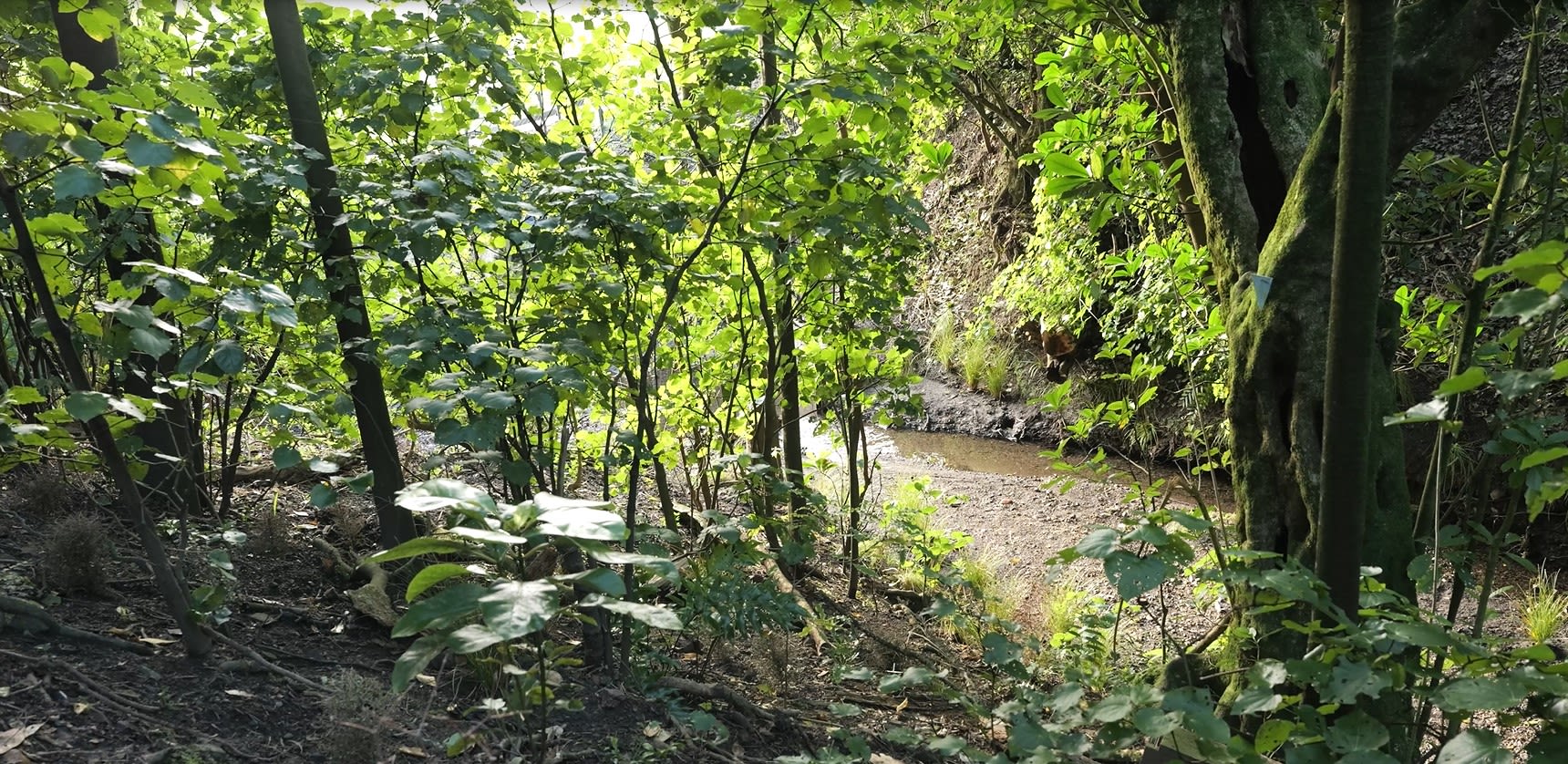
Kumutoto, Kelburn, Wellington | 06/08/2025 | Heritage New Zealand Pouhere Taonga

List Entry Information

Overview

Status
Listed

List Entry Status
Wāhi Tūpuna/Tīpuna

Access
Unknown

List Number
9078

Date Entered
26th June 2025

Date of Effect
1st August 2025

City/District Council
Wellington City

Region
Wellington Region

Extent of List Entry

Extent includes the land known as Lot 1 DP 10086 of the Wellington Town Belt, and includes Part of Part Section 449 of Wellington Town. The extent is bounded by the ‘City to Sea’ Walkway running below Salamanca Road, Kelburn on the southern side; and follows the walkway from Club Kelburn and tennis courts through Kumutoto Forest to join the walkway in Part Section 449; and bounded on eastern side by Lot 3 DP 8606, and Part Lot 2 DP 889

Legal description

Lot 1, Deposited Pan 10086, Part of Wellington Town Belt, Section 21, [WN19A/369] and Part Section 449 TN of Wellington

Location Description

GPS Information: -41.28784823238815, 174.77077969019805

Detailed List Entry
Significance

Statement of Wāhi Tapu / Tīpuna / Tapu Area Values

The Kumutoto awa was an important waterway for the ancestors of Ngāti Mutunga and Te Atiawa. Its name is linked to traditional birthing practices, and the stream played a central role in Māori life during the early settlement of Wellington. While the extent of the Wāhi Tūpuna is focused on the open air source of the awa, this report acknowledges and recognises the history of the tūpuna who once lived on its banks, and how development buried the awa. When Ngāti Mutunga, Ngāti Tama, and Te Atiawa settled the central Te Whanganui-a-Tara harbour after conquest, settlements were built along the western coast of the harbour. Kumutoto Pā was established at the mouth of the Kumutoto Stream, along with other sites such as Aro Pā, Pipitea Pā, and Ngauranga Pā. Kumutoto was originally founded by Ngāti Mutunga, before sheltering migrants from Ngāti Te Whiti and other hapū. Kumutoto Pā was occupied for nearly 30 years, overseeing the transition from a simple fishing village to the growth of Wellington City. Notable ancestors such as Wiremu Piti Pomare (Ngāti Mutunga), Ngātata-i-te-rangi, and Wiremu Tako Ngātata (Ngāti Te Whiti, Te Atiawa) lived in the papakāinga and surrounding areas, along with other tūpuna from Taranaki. The Kumutoto māra kai was located near the source of the Kumutoto awa on Pukehinau, below what is now the Wellington Botanic Garden. The urupā of the people of Kumutoto Pā, Pipitea Pā and other settlements was situated where the Bolton Street Cemetery is today. The Kumutoto awa was the tangible link connecting the gardens, the urupā and the papakāinga. While nothing remains of the gardens and village, and the awa flow is largely filtered through pipes underground, the story of the Kumutoto awa is a demonstration of the strength of water and memory.

Reference

Historical and Associated Iwi / Hapū / Whānau

Iwi

Te Ātiawa (Taranaki)

Hapū

Ngāti Te Whiti

Completion Date

16th June 2025

Report Written By

Dr Dennis Ngāwhare

Report Written By

A fully referenced copy of the Listing Report is available upon request from the National Office of Heritage New Zealand Pouhere Taonga Disclaimer Please note that entry on the New Zealand Heritage List/Rārangi Kōrero identifies only the heritage values of the property concerned, and should not be construed as advice on the state of the property, or as a comment of its soundness or safety, including in regard to earthquake risk, safety in the event of fire, or insanitary conditions. Archaeological sites are protected by the Heritage New Zealand Pouhere Taonga Act 2014, regardless of whether they are entered on the New Zealand Heritage List/Rārangi Kōrero or not. Archaeological sites include ‘places associated with pre-1900 human activity, where there may be evidence relating to the history of New Zealand’. This List entry report should not be read as a statement on whether or not the archaeological provisions of the Act apply to the property (s) concerned. Please contact your local Heritage New Zealand office for archaeological advice

Further Information
Overview

Status

Listed

List Entry Status

Wāhi Tūpuna/Tīpuna

Access

Unknown

List Number

9078

Date Entered

26th June 2025

Date of Effect

1st August 2025

City/District Council

Wellington City

Region

Wellington Region

Extent of List Entry

Extent includes the land known as Lot 1 DP 10086 of the Wellington Town Belt, and includes Part of Part Section 449 of Wellington Town. The extent is bounded by the ‘City to Sea’ Walkway running below Salamanca Road, Kelburn on the southern side; and follows the walkway from Club Kelburn and tennis courts through Kumutoto Forest to join the walkway in Part Section 449; and bounded on eastern side by Lot 3 DP 8606, and Part Lot 2 DP 889

Legal description

Lot 1, Deposited Pan 10086, Part of Wellington Town Belt, Section 21, [WN19A/369] and Part Section 449 TN of Wellington

Location Description

GPS Information: -41.28784823238815, 174.77077969019805

Status

Listed

List Entry Status

Wāhi Tūpuna/Tīpuna

Access

Unknown

List Number

9078

Date Entered

26th June 2025

Date of Effect

1st August 2025

City/District Council

Wellington City

Region

Wellington Region

Extent of List Entry

Extent includes the land known as Lot 1 DP 10086 of the Wellington Town Belt, and includes Part of Part Section 449 of Wellington Town. The extent is bounded by the ‘City to Sea’ Walkway running below Salamanca Road, Kelburn on the southern side; and follows the walkway from Club Kelburn and tennis courts through Kumutoto Forest to join the walkway in Part Section 449; and bounded on eastern side by Lot 3 DP 8606, and Part Lot 2 DP 889

Legal description

Lot 1, Deposited Pan 10086, Part of Wellington Town Belt, Section 21, [WN19A/369] and Part Section 449 TN of Wellington

Location Description

GPS Information: -41.28784823238815, 174.77077969019805

Statement Values

Statement of Wāhi Tapu / Tīpuna / Tapu Area Values

The Kumutoto awa was an important waterway for the ancestors of Ngāti Mutunga and Te Atiawa. Its name is linked to traditional birthing practices, and the stream played a central role in Māori life during the early settlement of Wellington. While the extent of the Wāhi Tūpuna is focused on the open air source of the awa, this report acknowledges and recognises the history of the tūpuna who once lived on its banks, and how development buried the awa. When Ngāti Mutunga, Ngāti Tama, and Te Atiawa settled the central Te Whanganui-a-Tara harbour after conquest, settlements were built along the western coast of the harbour. Kumutoto Pā was established at the mouth of the Kumutoto Stream, along with other sites such as Aro Pā, Pipitea Pā, and Ngauranga Pā. Kumutoto was originally founded by Ngāti Mutunga, before sheltering migrants from Ngāti Te Whiti and other hapū. Kumutoto Pā was occupied for nearly 30 years, overseeing the transition from a simple fishing village to the growth of Wellington City. Notable ancestors such as Wiremu Piti Pomare (Ngāti Mutunga), Ngātata-i-te-rangi, and Wiremu Tako Ngātata (Ngāti Te Whiti, Te Atiawa) lived in the papakāinga and surrounding areas, along with other tūpuna from Taranaki. The Kumutoto māra kai was located near the source of the Kumutoto awa on Pukehinau, below what is now the Wellington Botanic Garden. The urupā of the people of Kumutoto Pā, Pipitea Pā and other settlements was situated where the Bolton Street Cemetery is today. The Kumutoto awa was the tangible link connecting the gardens, the urupā and the papakāinga. While nothing remains of the gardens and village, and the awa flow is largely filtered through pipes underground, the story of the Kumutoto awa is a demonstration of the strength of water and memory.

Statement of Wāhi Tapu / Tīpuna / Tapu Area Values

The Kumutoto awa was an important waterway for the ancestors of Ngāti Mutunga and Te Atiawa. Its name is linked to traditional birthing practices, and the stream played a central role in Māori life during the early settlement of Wellington. While the extent of the Wāhi Tūpuna is focused on the open air source of the awa, this report acknowledges and recognises the history of the tūpuna who once lived on its banks, and how development buried the awa. When Ngāti Mutunga, Ngāti Tama, and Te Atiawa settled the central Te Whanganui-a-Tara harbour after conquest, settlements were built along the western coast of the harbour. Kumutoto Pā was established at the mouth of the Kumutoto Stream, along with other sites such as Aro Pā, Pipitea Pā, and Ngauranga Pā. Kumutoto was originally founded by Ngāti Mutunga, before sheltering migrants from Ngāti Te Whiti and other hapū. Kumutoto Pā was occupied for nearly 30 years, overseeing the transition from a simple fishing village to the growth of Wellington City. Notable ancestors such as Wiremu Piti Pomare (Ngāti Mutunga), Ngātata-i-te-rangi, and Wiremu Tako Ngātata (Ngāti Te Whiti, Te Atiawa) lived in the papakāinga and surrounding areas, along with other tūpuna from Taranaki. The Kumutoto māra kai was located near the source of the Kumutoto awa on Pukehinau, below what is now the Wellington Botanic Garden. The urupā of the people of Kumutoto Pā, Pipitea Pā and other settlements was situated where the Bolton Street Cemetery is today. The Kumutoto awa was the tangible link connecting the gardens, the urupā and the papakāinga. While nothing remains of the gardens and village, and the awa flow is largely filtered through pipes underground, the story of the Kumutoto awa is a demonstration of the strength of water and memory.

Reference

Historical and Associated Iwi / Hapū / Whānau

Iwi: Te Ātiawa (Taranaki)

Hapu: Ngāti Te Whiti

Completion Date

16th June 2025

Report Written By

Dr Dennis Ngāwhare

Other Information

A fully referenced copy of the Listing Report is available upon request from the National Office of Heritage New Zealand Pouhere Taonga Disclaimer Please note that entry on the New Zealand Heritage List/Rārangi Kōrero identifies only the heritage values of the property concerned, and should not be construed as advice on the state of the property, or as a comment of its soundness or safety, including in regard to earthquake risk, safety in the event of fire, or insanitary conditions. Archaeological sites are protected by the Heritage New Zealand Pouhere Taonga Act 2014, regardless of whether they are entered on the New Zealand Heritage List/Rārangi Kōrero or not. Archaeological sites include ‘places associated with pre-1900 human activity, where there may be evidence relating to the history of New Zealand’. This List entry report should not be read as a statement on whether or not the archaeological provisions of the Act apply to the property (s) concerned. Please contact your local Heritage New Zealand office for archaeological advice

Historical and Associated Iwi / Hapū / Whānau

Iwi: Te Ātiawa (Taranaki)

Hapu: Ngāti Te Whiti

Completion Date

16th June 2025

Report Written By

Dr Dennis Ngāwhare

Other Information

A fully referenced copy of the Listing Report is available upon request from the National Office of Heritage New Zealand Pouhere Taonga Disclaimer Please note that entry on the New Zealand Heritage List/Rārangi Kōrero identifies only the heritage values of the property concerned, and should not be construed as advice on the state of the property, or as a comment of its soundness or safety, including in regard to earthquake risk, safety in the event of fire, or insanitary conditions. Archaeological sites are protected by the Heritage New Zealand Pouhere Taonga Act 2014, regardless of whether they are entered on the New Zealand Heritage List/Rārangi Kōrero or not. Archaeological sites include ‘places associated with pre-1900 human activity, where there may be evidence relating to the history of New Zealand’. This List entry report should not be read as a statement on whether or not the archaeological provisions of the Act apply to the property (s) concerned. Please contact your local Heritage New Zealand office for archaeological advice

Location

Loading
Stay up to date with Heritage this month