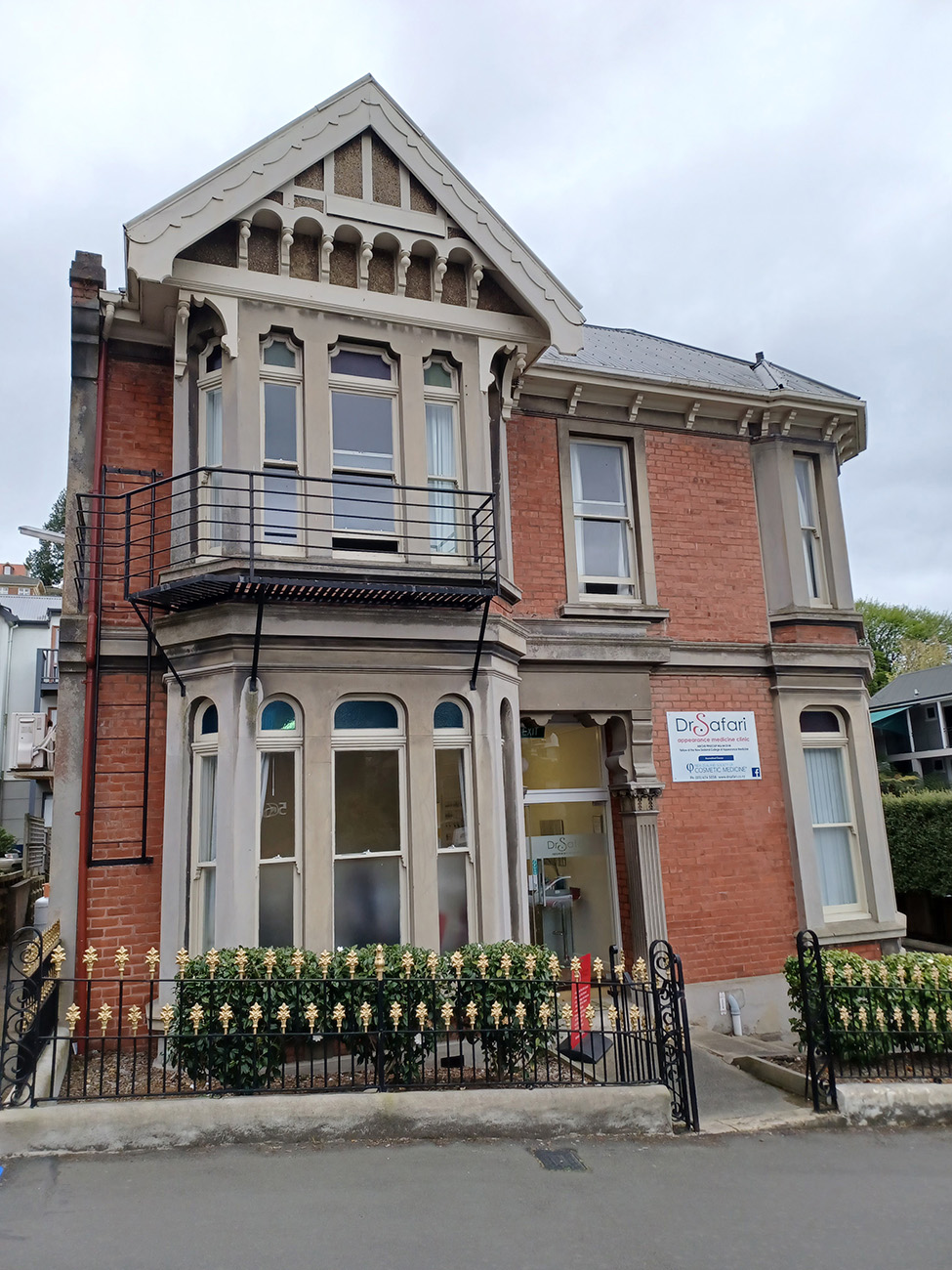
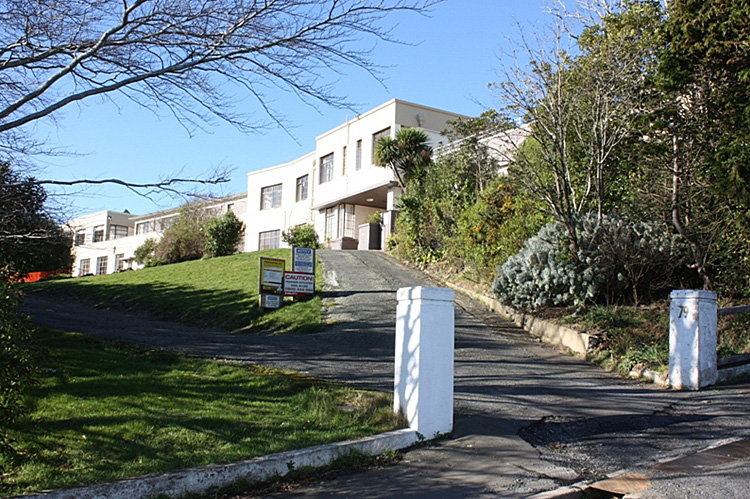
The home and consultancy rooms of New Zealand first female medical graduate, Dr Emily Siedeberg-McKinnon is situated on York Place in Central Dunedin. Designed by James Louis Salmond and built in 1903, this place embodies architectural significance and outstanding historical values.
Both iwi history and archaeological evidence show Māori occupation in the Ōtākou / Otago region since the 12th century. Today, Kāi Tahu mana whenua is recognised over a large part of Te Wai Pounamu. Kāti Māmoe and Waitaha shared occupation are always acknowledged. The hapū Kai Te Pahi, Kāti Moki, and Kāti Taoka still maintain their presence and responsibility as kaitiaki in this region. While there were no permanent settlements around York Place, the area near the Toitū Tauraka waka (List No. 9774) was known as Ōtepoti.
Franz and Annie Siedeberg emigrated to New Zealand and settled in Dunedin in 1873 after ten years in Clyde where their daughter Emily was born. Block 18 Section 20 was owned by the family for many years and Franz, a builder, constructed several dwellings on the land. Emily grew up with parents who encouraged her to pursue a career as a doctor and attended Otago Girls’ High School and University of Otago where she was the first female enrolled to study medicine at times in the face of pronounced gender prejudice. In 1896 Emily Siedeberg became the first woman in New Zealand to graduate with a medical degree. Following locum work at Seacliff Asylum and a period of post graduate education in Europe, Dr Siedeberg returned to Dunedin and set up her own medical practice.
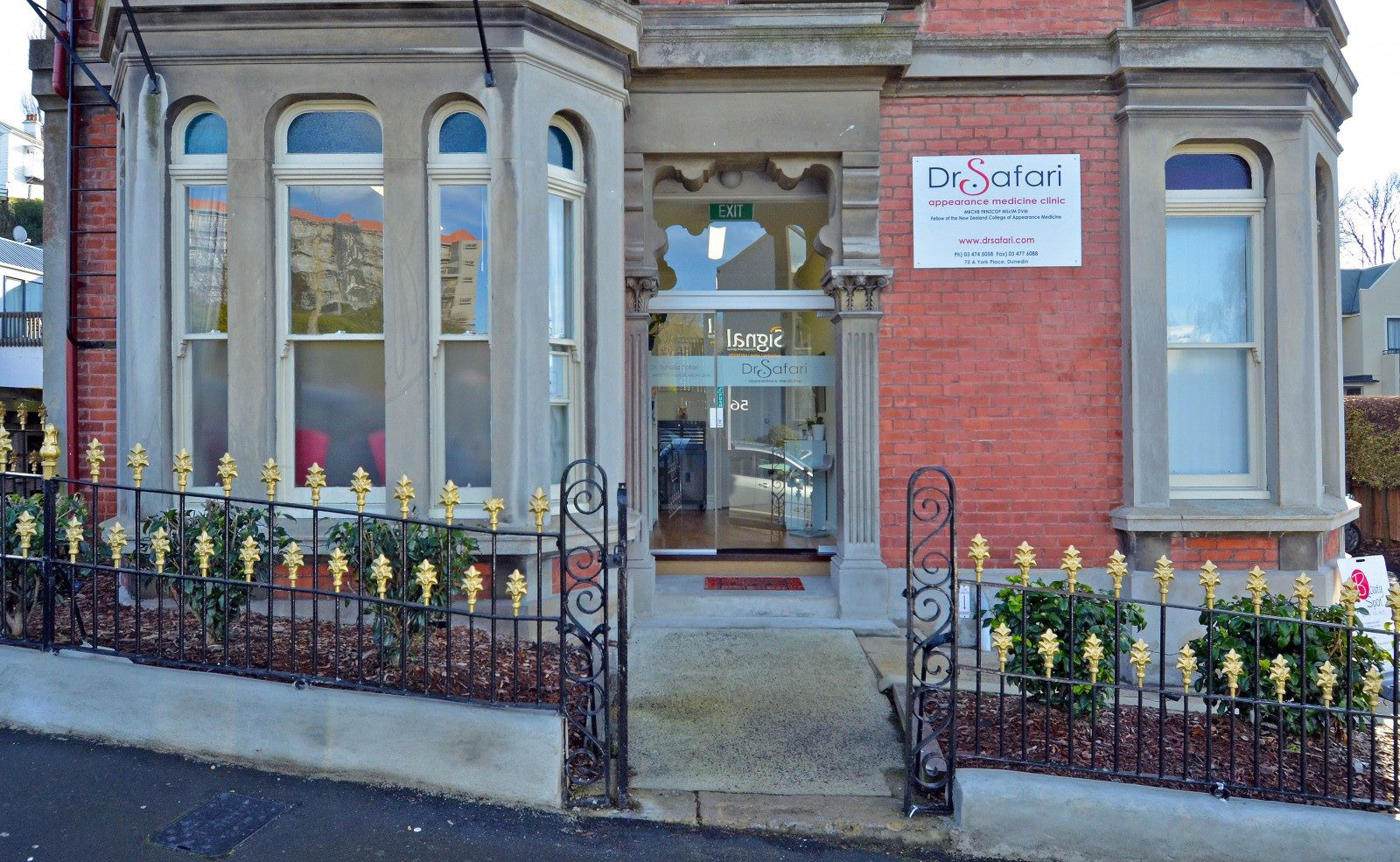
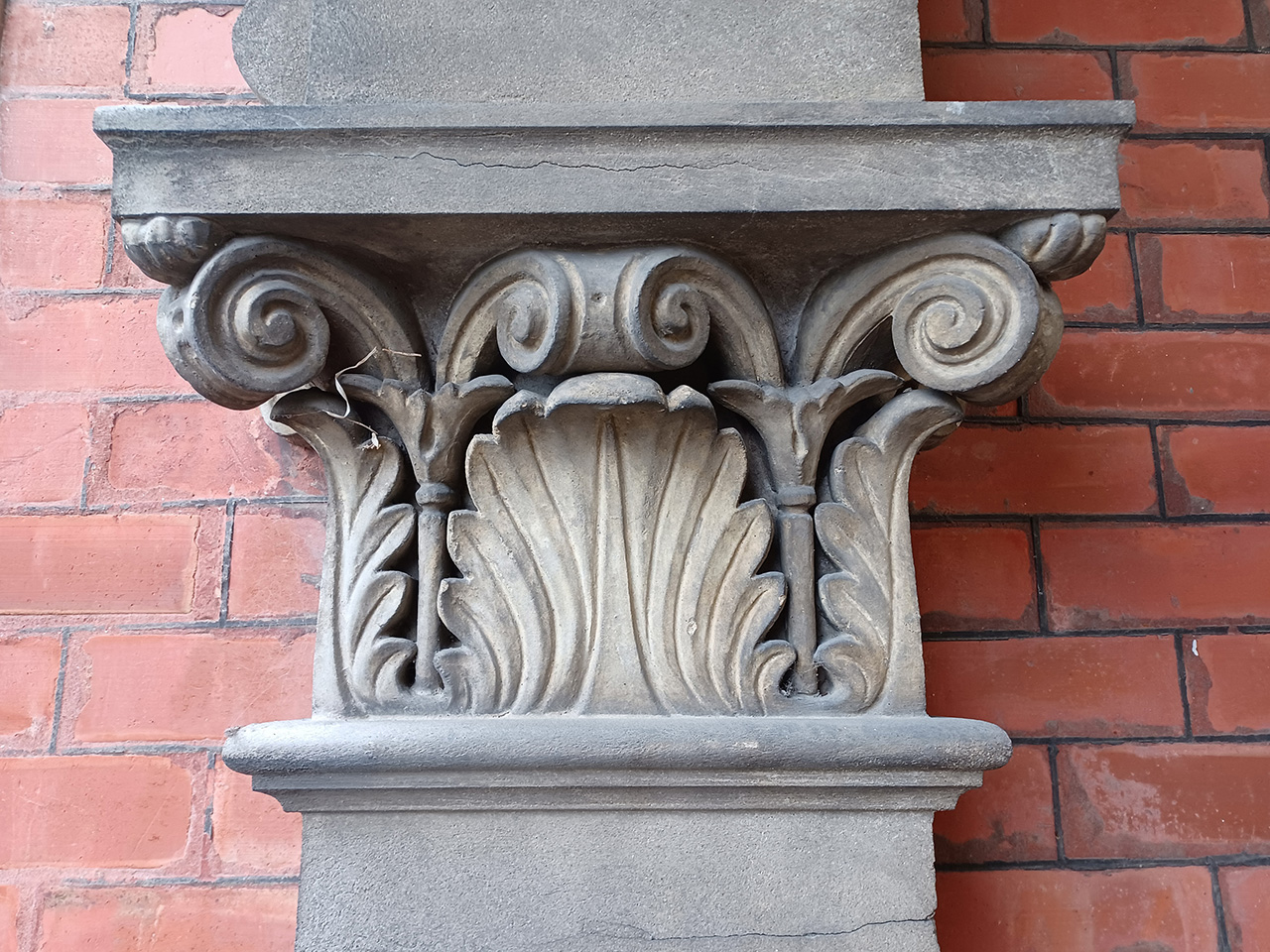
Following the death of her father, Dr Siedeberg commissioned this building in 1903 as her home and consultancy rooms. Built in Queen Anne style, the bay windows with decorative mouldings and multicoloured coloured glazing, elaborately decorated gable, and entranceway, and exposed red brick are typical of Salmond. Originally the house also featured his signature chimney stacks and a slate roof. There was a separate side entrance and waiting room for patients, her consultancy room, a tearoom, and the rest of the house was dedicated to Emily and her household which comprised her mother, sister, and brother. This place became the ‘core of a life dedicated to welfare and community work’. Over the course of her life she was intimately involved in various local and national organisations which promoted the rights and health of women, she fought ‘the wrongs of womankind as she would fight for the life of a patient’. Emily Siedeberg was an extraordinary women both in her career and as a zealous advocate in seeking health and social justice reforms that women, children and families continue to benefit from today.
For the following 20 years Dr Siedeberg was the sole female practitioner in Dunedin and during that time she took on such roles as Medical Superintendent of St Helen’s Maternity Hospital (the first in the Dominion to have an antenatal clinic) from 1905-1938, Medical Officer of the Caversham Industrial School, and anaesthetist at the Dental School. Following her marriage in 1928, at age 55, to James Alexander McKinnon in 1928, Dr Siedeberg McKinnon moved from York Place and didn’t return until 1954 and where she remained into the 1960s. Following Dr Siedeberg McKinnon’s death in 1968, the house was converted for use by Otago Polytechnic and housed, variously, the School of Architecture and Building, the School of Art, and the School of Nursing. In later years it has returned to a mixed-use situation with a doctor’s consultancy and hairdresser on the ground floor and four studio apartments on the first floor.