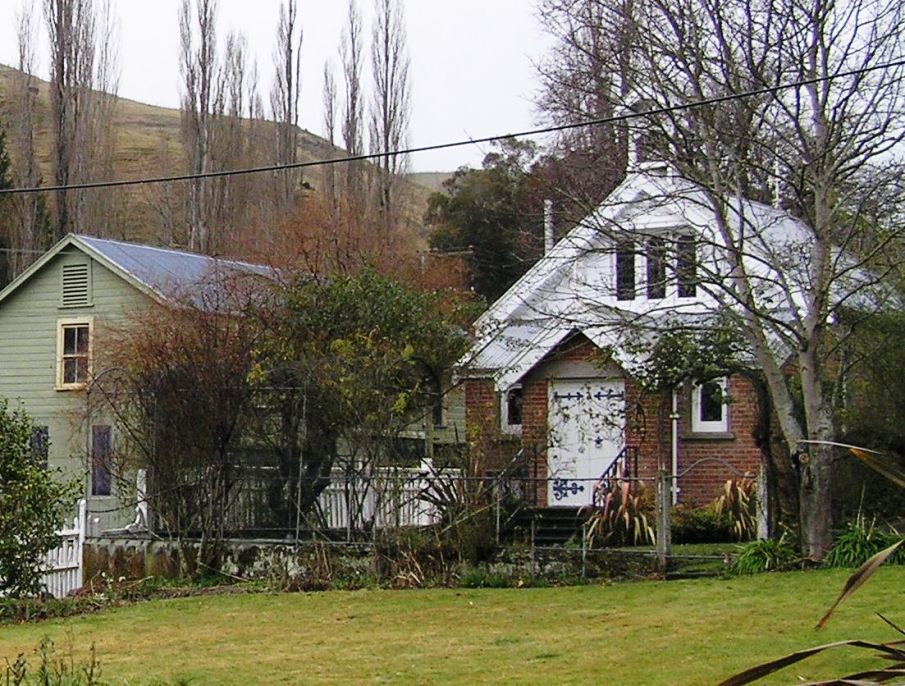
Located in the inland Rangitikei rural settlement of Moawhango, local hapu Ngati Whiti built Whitikaupeka Church between 1903 and 1905, to fulfil the dying request of important rangatira Ihakara te Raro (1814-1902). The church also commemorates other tribal elders.
Whitikaupeka Church is an excellent example of a characteristic New Zealand Gothic Revival style inspired timber country church. Attributed to prominent Wanganui architect Alfred A. Atkins (1850-1919), the church mirrors the design of his nearby Batley Memorial Chapel. Moawhango’s ecclesiastical buildings form an important part of its historical landscape. Whitikaupeka Church has historical value through its connection with the Anglican Church’s Maori Mission activities, and it reflects a wider regional church building trend at the time, resulting from population growth associated with the development of the North Island Main Trunk railway.
Ngati Whiti’s ancestor, Whitikaupeka, came to the Moawhango region in the mid seventeenth century. Moawhango developed as a Maori settlement when Europeans began farming in the district in the late 1860s. In the 1890s it was a rural service centre and Whitikaupeka meeting house was constructed. At the time Ihakara te Raro died, Robert Thompson Batley’s (1849-1917) family, who had based their commercial and farming activities in Moawhango since the 1880s, were completing their private memorial chapel nearby.
Whitikaupeka Church is a modest sized building, consisting of a nave with apsidal chancel to the east and a porch and vestry at the west end. Also, like the Batley chapel, there is a small bell tower at the nave’s west end. The church has a high level of integrity with much of the original native timber, and many features like its kerosene lamps, remaining. The original iron finials are the same as those on the Batley chapel, and aspects such as the carved altar reredos (wooden screen) and other altar furniture have also been adapted from that design.
There was an Anglican affiliation when Whitikaupeka Church was constructed, but the building has also been used by other denominations, including Ratana. The church is still closely associated with the neighbouring marae and has been the setting for religious and community activities for generations. Whitikaupeka Church remains important to Ngati Whiti and as such a conservation project was undertaken between 1994 and 1995.
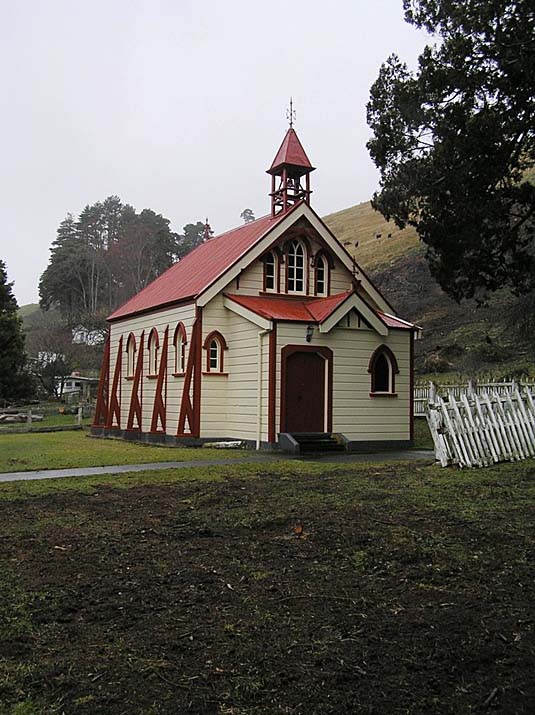
Whitikaupeka Church, Moawhango | K Astwood | 25/07/2012 | Heritage New Zealand Pouhere Taonga

Whitikaupeka Church, Moawhango | K Astwood | 25/07/2012 | Heritage New Zealand Pouhere Taonga

Whitikaupeka Church, Moawhango. Interior of nave looking toward chancel | K Astwood | 25/07/2012 | Heritage New Zealand Pouhere Taonga
Whitikaupeka Church, Moawhango | K Astwood | 25/07/2012 | Heritage New Zealand Pouhere Taonga
Whitikaupeka Church, Moawhango | K Astwood | 25/07/2012 | Heritage New Zealand Pouhere Taonga
Whitikaupeka Church, Moawhango. Interior of nave looking toward chancel | K Astwood | 25/07/2012 | Heritage New Zealand Pouhere Taonga