

Now renowned for its 25 acres of daffodils first planted in the nineteenth century, the Black Horse Brewery Site at Bluejacket Gully is an important archaeological site featuring the remains of Otago and Southland’s most significant provincial brewery dating back from the gold rushes of the 1860s through to 1923.
The establishment of a brewery on this site in Bluejacket Gully in Wetherstons, a small settlement outside Lawrence in the Clutha district of Otago, dates from the first influx of thirsty miners to this area in the wake of the 1861 gold rush to nearby Gabriel’s Gully. Wetherstons sprang up to service the alluvial claims in the nearby hills and creeks.
Henry Coverlid established a brewery in the mid-1860s and its success saw the plant expanded at the close of that decade. New owners Horace Bastings and Johannes Kofoed extended the buildings, and in the 1880s James Kerr Simpson and Benjamin Hart made the Black Horse Brewery one of the most well-known in Otago and Southland. Hart, his family and workers also planted 25 acres of daffodils in and around the brewery site. The brewery closed in 1923 after it was bought out by New Zealand Breweries, a move that represents the national trend which saw the amalgamation of the brewing industry into a few large companies.
The daffodil plantings across the site by owner Benjamin Hart became a significant local attraction in the early twentieth century. Hart was a pioneer in supporting community fundraising with his daffodil plantings. During the First World War daffodils were picked and sold to support the war effort. Daffodils were sold to support other philanthropic concerns such as the Barnardos Homes and the Plunket Society. By the 1930s, special excursion trains were put on to take passengers to Lawrence (and on to Wetherstons by alternative transport) to see the new gold in the fields.
The Black Horse Brewery complex is of special significance nationally as a largely intact example of an early brewery site, occupied from the mid-1860s, complete with malt-house, brewery, water race, water tank, and associated residence and gardens. Breweries were an important industry during the gold rushes and this site is of special archaeological value for its potential to provide valuable information on the working system of a nineteenth century brewery. Of aesthetic and scientific interest is the sites 25 acre record of daffodil species and cross pollination from the late nineteenth century, left by the Hart family’s passion for daffodils. In 2012 the Black Horse Brewery Site is a historic attraction, particularly in spring, when the daffodils bloom on this Wetherstons hillside.
The establishment of a brewery on this site in Bluejacket Gully in Wetherstons, a small settlement outside Lawrence in the Clutha district of Otago, dates from the first influx of thirsty miners to this area in the wake of the 1861 gold rush to nearby Gabriel’s Gully. Wetherstons sprang up to service the alluvial claims in the nearby hills and creeks.
Henry Coverlid established a brewery in the mid-1860s and its success saw the plant expanded at the close of that decade. New owners Horace Bastings and Johannes Kofoed extended the buildings, and in the 1880s James Kerr Simpson and Benjamin Hart made the Black Horse Brewery one of the most well-known in Otago and Southland. Hart, his family and workers also planted 25 acres of daffodils in and around the brewery site. The brewery closed in 1923 after it was bought out by New Zealand Breweries, a move that represents the national trend which saw the amalgamation of the brewing industry into a few large companies.
The daffodil plantings across the site by owner Benjamin Hart became a significant local attraction in the early twentieth century. Hart was a pioneer in supporting community fundraising with his daffodil plantings. During the First World War daffodils were picked and sold to support the war effort. Daffodils were sold to support other philanthropic concerns such as the Barnardos Homes and the Plunket Society. By the 1930s, special excursion trains were put on to take passengers to Lawrence (and on to Wetherstons by alternative transport) to see the new gold in the fields.
The Black Horse Brewery complex is of special significance nationally as a largely intact example of an early brewery site, occupied from the mid-1860s, complete with malt-house, brewery, water race, water tank, and associated residence and gardens. Breweries were an important industry during the gold rushes and this site is of special archaeological value for its potential to provide valuable information on the working system of a nineteenth century brewery. Of aesthetic and scientific interest is the sites 25 acre record of daffodil species and cross pollination from the late nineteenth century, left by the Hart family’s passion for daffodils. In 2012 the Black Horse Brewery Site is a historic attraction, particularly in spring, when the daffodils bloom on this Wetherstons hillside.
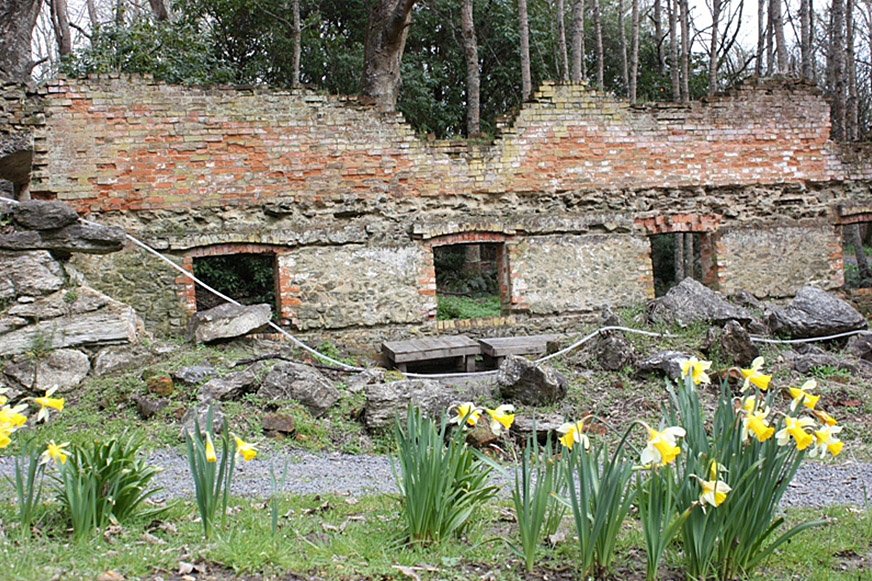
Black Horse Brewery Site, Bluejacket Gully, Wetherstons. The Malting Plant ruin | H Bauchop | 19/09/2011 | Heritage New Zealand Pouhere Taonga
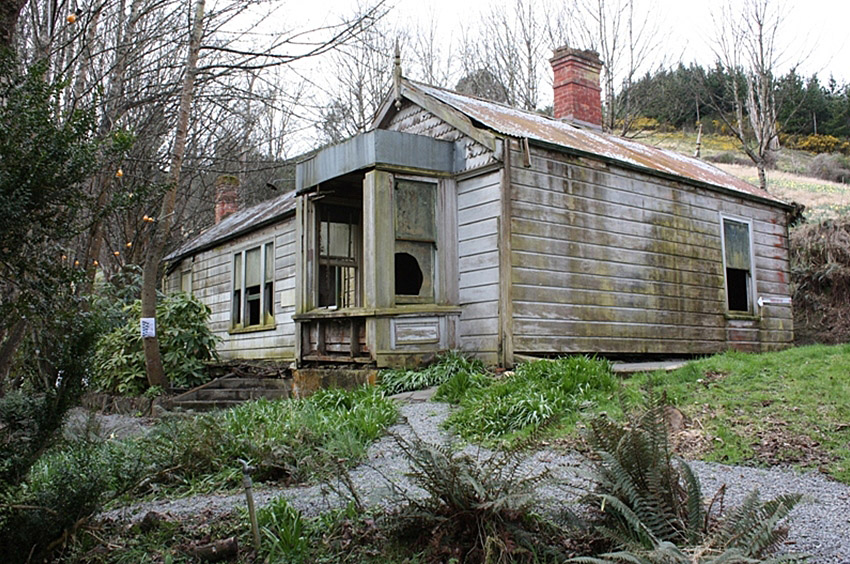
Black Horse Brewery Site, Bluejacket Gully, Wetherstons. Residence | H Bauchop | 19/09/2011 | Heritage New Zealand Pouhere Taonga
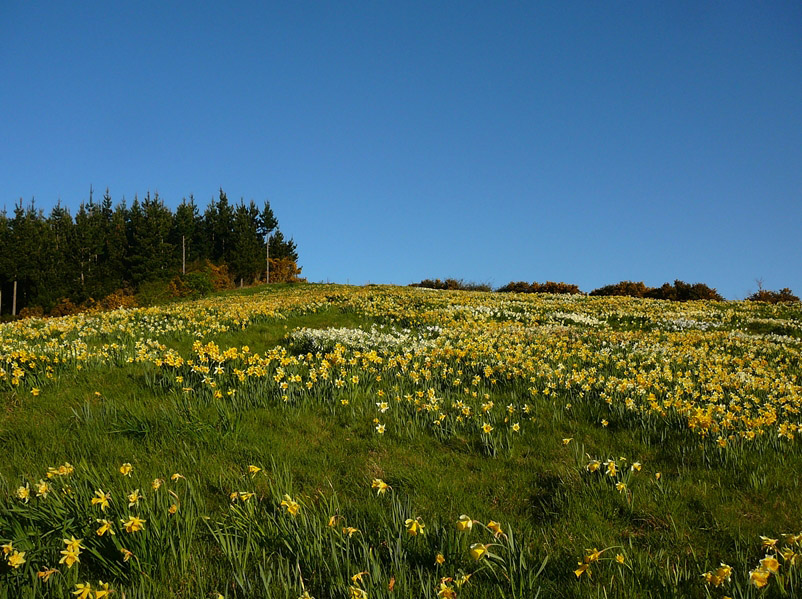
Black Horse Brewery Site, Bluejacket Gully, Wetherstons. Part of 19th Century Daffodil Fields covering 25 acres | Harts Daffodil Chartitable Trust 2011
Black Horse Brewery Site, Bluejacket Gully, Wetherstons. The Malting Plant ruin | H Bauchop | 19/09/2011 | Heritage New Zealand Pouhere Taonga
Black Horse Brewery Site, Bluejacket Gully, Wetherstons. Residence | H Bauchop | 19/09/2011 | Heritage New Zealand Pouhere Taonga
Black Horse Brewery Site, Bluejacket Gully, Wetherstons. Part of 19th Century Daffodil Fields covering 25 acres | Harts Daffodil Chartitable Trust 2011
