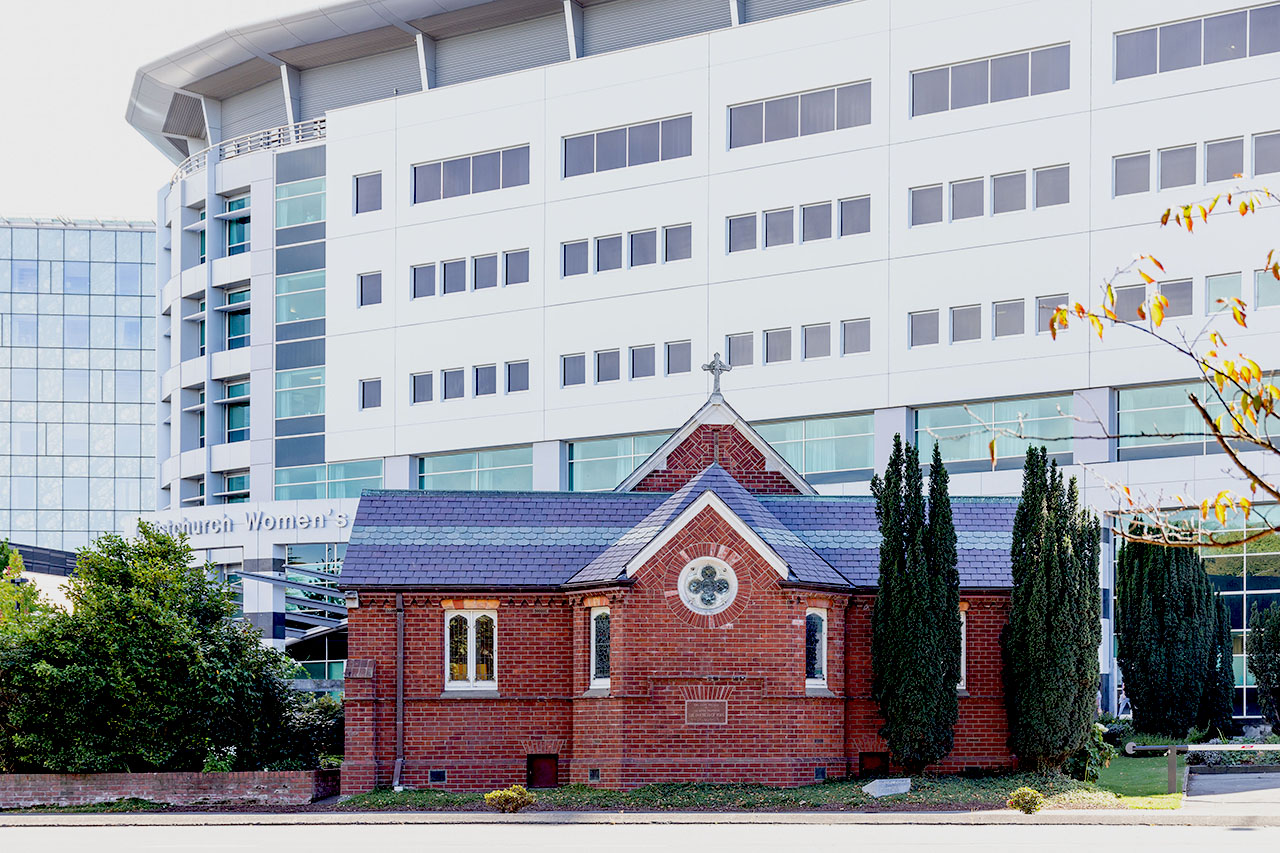
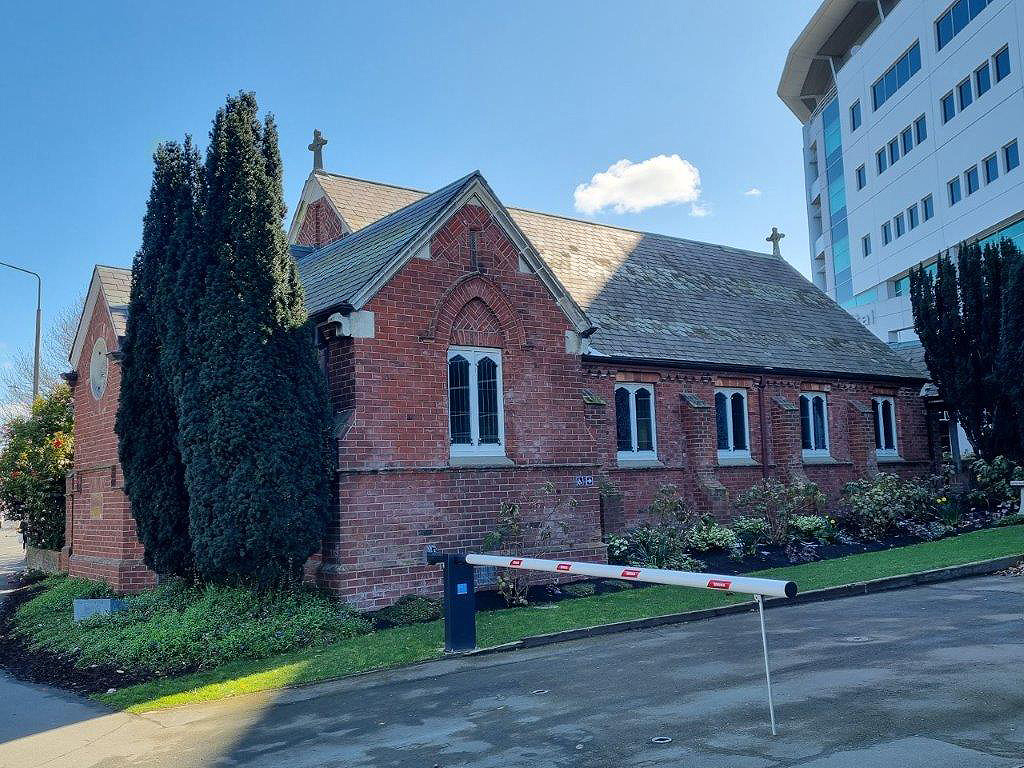
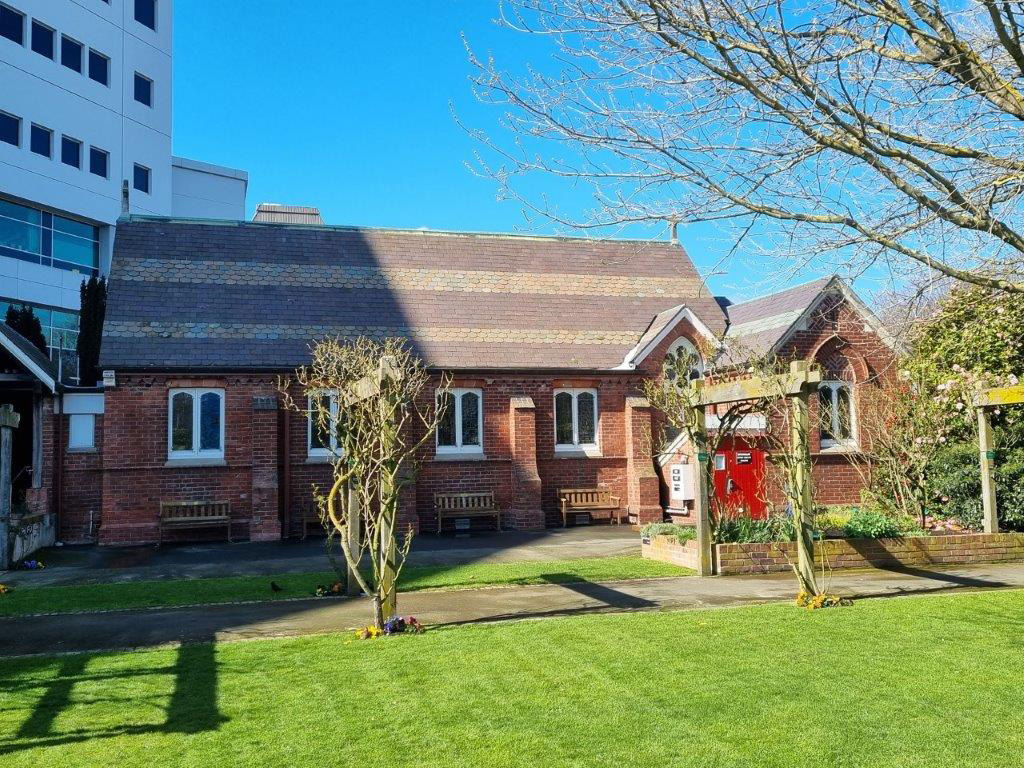
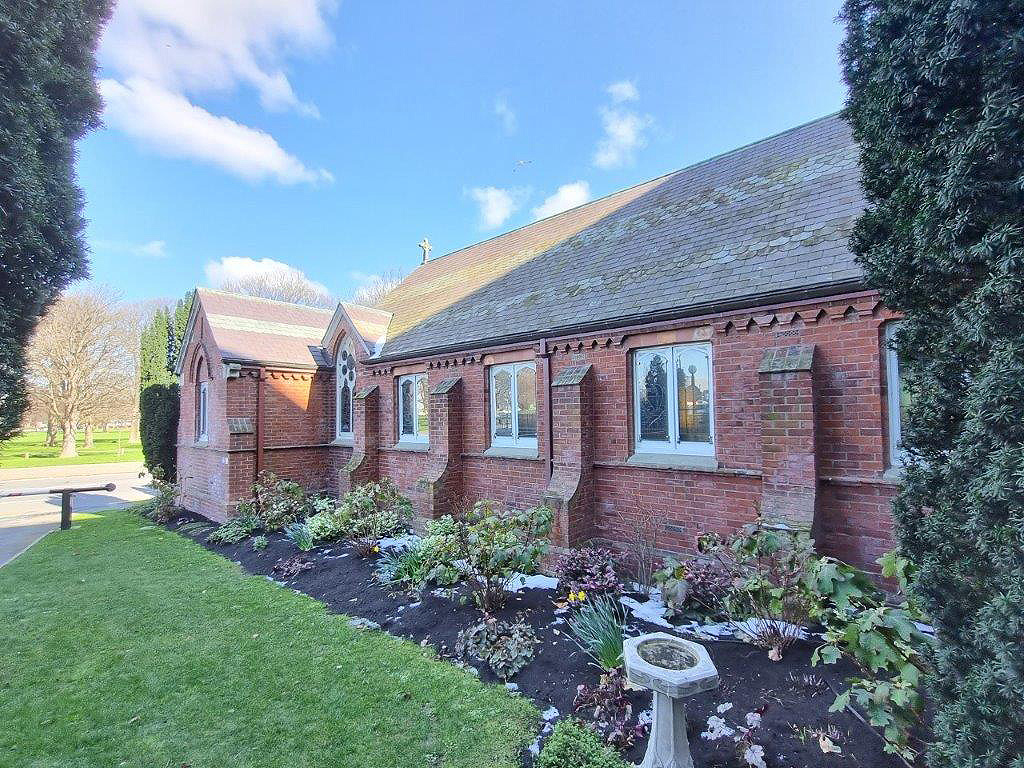
The Nurses Memorial Chapel was erected as a memorial to three nurses from Christchurch Hospital who died during the First World War when the troopship they were on was torpedoed in 1915, and to two nurses who died in the 1918 influenza epidemic.
The three nurses who went down with the Marquette were Nona Hildyard, Margaret Rogers and Lorna Rattray. The Marquette had been converted to a transport ship at the beginning of the First World War and on 19 October 1915 she sailed from Alexandria for Salonika with the No. 1 New Zealand Stationary Hospital and the British 29th Divisional Ammunition Column on board. She was torpedoed on the morning of the 23rd and sank in ten minutes. Of the thirty-six nurses on board, ten died. The news reached New Zealand in November and a collection, taken at a memorial service, was dedicated to the erection of a memorial chapel at Christchurch Hospital.
Towards the end of 1918 New Zealand was struck by an influenza epidemic which killed over 8,000 people. Fourteen doctors and at least thirty nurses died after nursing the sick. In Christchurch one doctor and two nurses died in the epidemic, and the nurses Grace Beswick and Hilda Hooker are specifically remembered in the Nurses' Chapel.
It was not until 1925 that the hospital board approved the building of the chapel in the grounds of Christchurch Hospital, and a public appeal for funds was launched in November of that year. The chapel opened with a service on Christmas Day 1927 and thereafter has been used as an interdenominational chapel by hospital staff, patients and their families. In 1928 the Chapel Fund Committee passed the building to the North Canterbury Hospital Board. Plaques and windows have subsequently been added to commemorate other health workers, both men and women.
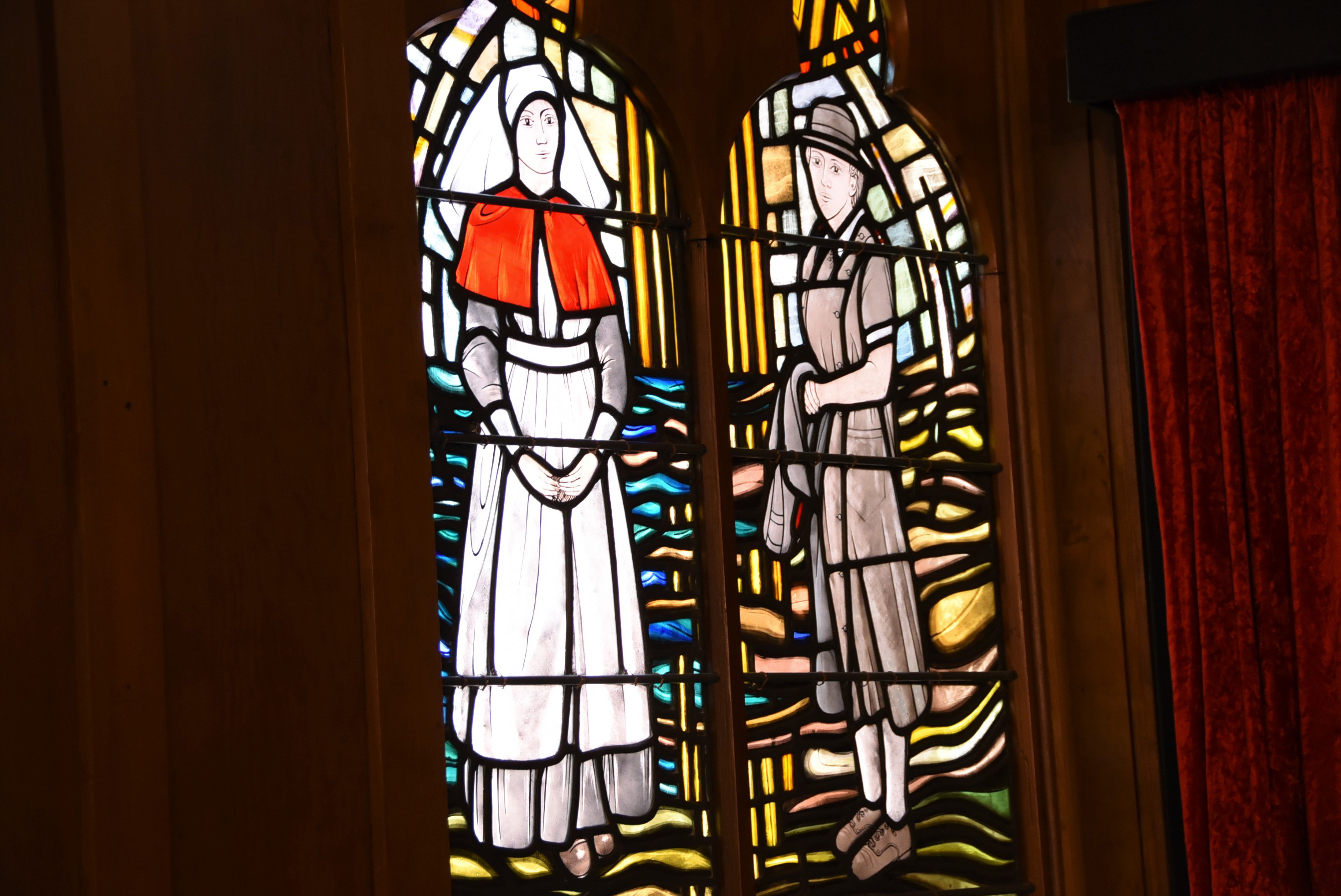
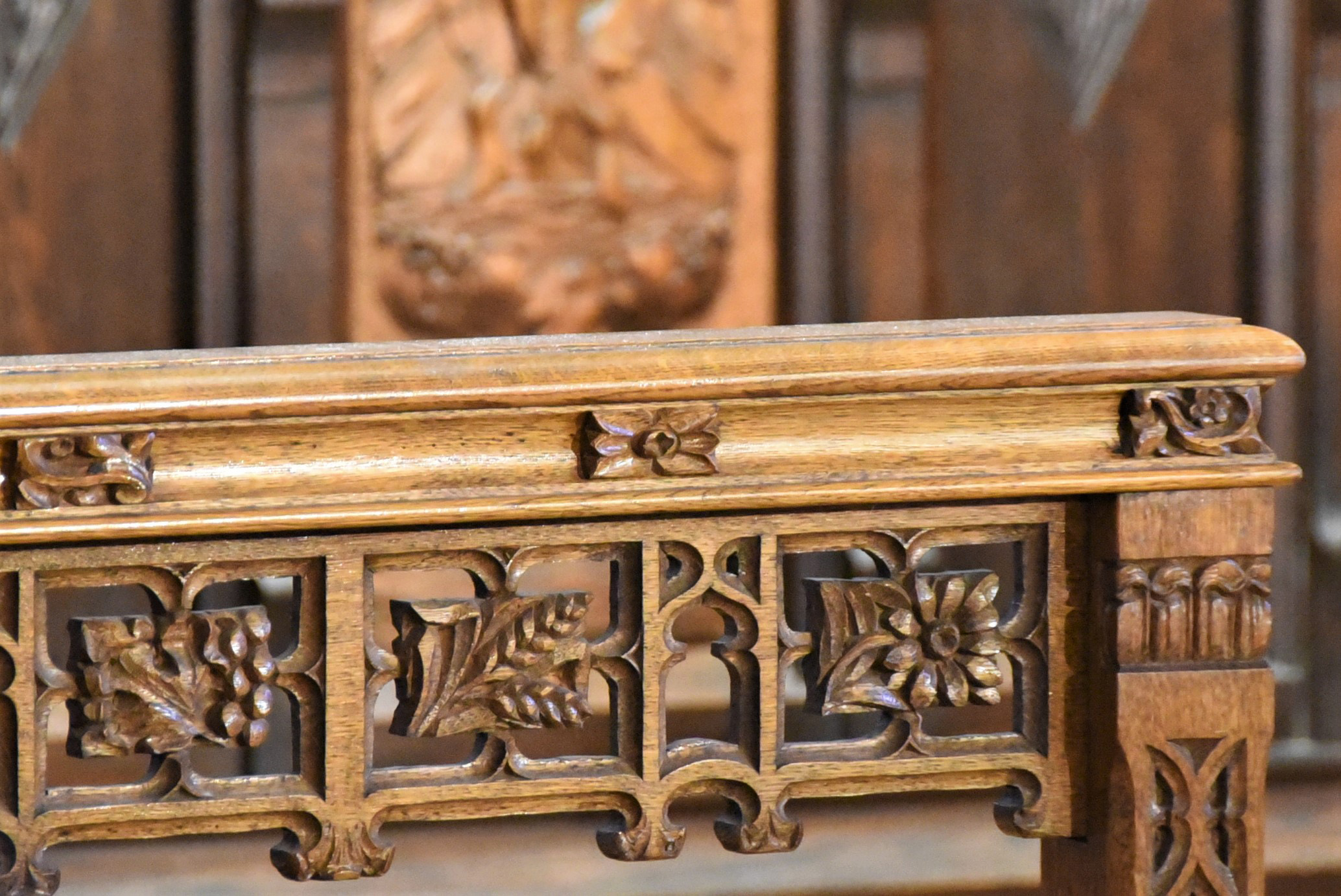
The Nurses Memorial Chapel was designed by local architect J. G. Collins (1886-1973), who practised with the firm Collins and Harman from 1903 until 1955.He designed the chapel and supervised its construction free of charge. In style, the chapel is typical of Arts and Crafts churches, both in the detailed brickwork of the exterior, and in the finely crafted timber interior. The stained glass windows of this church are particularly significant.
The chapel was first threatened with demolition in the mid-1970s when the hospital wanted to use the site to build new operating theatres. Although other solutions were found at this time, due to public opposition to the demolition, by the 1980s the hospital was again proposing to demolish the chapel and move its interior into a new chapel to be built in a new wing of the hospital. This proposal ran into strong public opposition and the New Zealand Historic Places Trust Pouhere Taonga issued a protection notice on the building in August 1989. The Canterbury Area Health Board subsequently agreed to lease the building to the City Council and today it is administered by a trust board and the group 'Friends of the Chapel'. It continues to be used for weddings, baptisms and as a meditative space for staff, patients and visitors to Christchurch Hospital. It is open to the public from 1pm to 4pm daily.
The Nurses Chapel is significant as the only war memorial in New Zealand dedicated solely to the memory of women. It was also the first hospital chapel built in New Zealand. The public regard for the building has been demonstrated by strong public opposition to both proposals by the Canterbury Area Health Board to demolish it.
The Friends of the Chapel Committee maintain a website that contains a brief history together with photographs of the Nurses Memorial Chapel.
The three nurses who went down with the Marquette were Nona Hildyard, Margaret Rogers and Lorna Rattray. The Marquette had been converted to a transport ship at the beginning of the First World War and on 19 October 1915 she sailed from Alexandria for Salonika with the No. 1 New Zealand Stationary Hospital and the British 29th Divisional Ammunition Column on board. She was torpedoed on the morning of the 23rd and sank in ten minutes. Of the thirty-six nurses on board, ten died. The news reached New Zealand in November and a collection, taken at a memorial service, was dedicated to the erection of a memorial chapel at Christchurch Hospital.
Towards the end of 1918 New Zealand was struck by an influenza epidemic which killed over 8,000 people. Fourteen doctors and at least thirty nurses died after nursing the sick. In Christchurch one doctor and two nurses died in the epidemic, and the nurses Grace Beswick and Hilda Hooker are specifically remembered in the Nurses' Chapel.
It was not until 1925 that the hospital board approved the building of the chapel in the grounds of Christchurch Hospital, and a public appeal for funds was launched in November of that year. The chapel opened with a service on Christmas Day 1927 and thereafter has been used as an interdenominational chapel by hospital staff, patients and their families. In 1928 the Chapel Fund Committee passed the building to the North Canterbury Hospital Board. Plaques and windows have subsequently been added to commemorate other health workers, both men and women.
The Nurses Memorial Chapel was designed by local architect J. G. Collins (1886-1973), who practised with the firm Collins and Harman from 1903 until 1955.He designed the chapel and supervised its construction free of charge. In style, the chapel is typical of Arts and Crafts churches, both in the detailed brickwork of the exterior, and in the finely crafted timber interior. The stained glass windows of this church are particularly significant.
The chapel was first threatened with demolition in the mid-1970s when the hospital wanted to use the site to build new operating theatres. Although other solutions were found at this time, due to public opposition to the demolition, by the 1980s the hospital was again proposing to demolish the chapel and move its interior into a new chapel to be built in a new wing of the hospital. This proposal ran into strong public opposition and the New Zealand Historic Places Trust Pouhere Taonga issued a protection notice on the building in August 1989. The Canterbury Area Health Board subsequently agreed to lease the building to the City Council and today it is administered by a trust board and the group 'Friends of the Chapel'. It continues to be used for weddings, baptisms and as a meditative space for staff, patients and visitors to Christchurch Hospital. It is open to the public from 1pm to 4pm daily.
The Nurses Chapel is significant as the only war memorial in New Zealand dedicated solely to the memory of women. It was also the first hospital chapel built in New Zealand. The public regard for the building has been demonstrated by strong public opposition to both proposals by the Canterbury Area Health Board to demolish it.
The Friends of the Chapel Committee maintain a website that contains a brief history together with photographs of the Nurses Memorial Chapel.