

Opened in 1870, Hampden Presbyterian Church was designed in Gothic style by pre-eminent Presbyterian church architect R.A. Lawson from local stone. The church has historical, architectural, aesthetic and spiritual significance.
From 1864 worship in Hampden was led by Reverend W. Johnston from Port Chalmers who travelled on horseback every three months to minister to the flock at Otepopo and Hampden. When St Paul’s in Oamaru became a separate charge, Hampden became an out-station and Reverend Charles Connor conducted services in the schoolroom. In 1869 Hampden was declared a separate charge and separated from the Otepopo parish and a church was built.
The parish engaged Dunedin architect Robert Arthur Lawson to design the church and instructed him to build a church to seat 150 worshippers at a cost of not more than £500. Lawson advertised for tenders in January 1869. The parish accepted the £640 tender of Hunter and Goodfellow to complete the church and also agreed to cart the 114 tons of building materials to the site. A manse was built on an adjoining glebe. The church is built from local stone – Limestone from Hampden and Kakanui on foundations of Moeraki blue stone, and has a slate roof. The nave end windows have stone tracery. The stone for the main body of the church was of contrasting colours – the honey-coloured Hampden freestone was a darker contrast to the white Kakanui stone. The opening service was held on 27 March 1870. The first minister was Reverend James Baird. For many years the church served its community and was also committed to overseas mission work. Youth work was also prominent with Bible Classes and Sunday School.
The parish stood alone until 1930 when it was temporarily amalgamated with the Otepopo-Kakanui parish. It separated again in 1965. By 1970 these parishes had been amalgamated. Some alterations have been completed to the interior over the years funded by bequests from parish members. The bequests also permitted the church to have new furnishings. A hall was moved to the grounds in 1955 when the church bought the old Borough Council Chambers and moved them to the grounds. In later years these facilities were extended.
By 2010, the church was no longer used for weekly worship, but instead used for services at Christmas and Easter as well as weddings and funerals. The parish’s board of management considered that the church was no longer needed for regular worship and talked with the community about the future of the building. In 2011 a steering group was formed to seek new uses for the church and hall. In 2016, the Hampden Presbyterian Church is still owned by the church and is used for occasional services and community events.
From 1864 worship in Hampden was led by Reverend W. Johnston from Port Chalmers who travelled on horseback every three months to minister to the flock at Otepopo and Hampden. When St Paul’s in Oamaru became a separate charge, Hampden became an out-station and Reverend Charles Connor conducted services in the schoolroom. In 1869 Hampden was declared a separate charge and separated from the Otepopo parish and a church was built.
The parish engaged Dunedin architect Robert Arthur Lawson to design the church and instructed him to build a church to seat 150 worshippers at a cost of not more than £500. Lawson advertised for tenders in January 1869. The parish accepted the £640 tender of Hunter and Goodfellow to complete the church and also agreed to cart the 114 tons of building materials to the site. A manse was built on an adjoining glebe. The church is built from local stone – Limestone from Hampden and Kakanui on foundations of Moeraki blue stone, and has a slate roof. The nave end windows have stone tracery. The stone for the main body of the church was of contrasting colours – the honey-coloured Hampden freestone was a darker contrast to the white Kakanui stone. The opening service was held on 27 March 1870. The first minister was Reverend James Baird. For many years the church served its community and was also committed to overseas mission work. Youth work was also prominent with Bible Classes and Sunday School.
The parish stood alone until 1930 when it was temporarily amalgamated with the Otepopo-Kakanui parish. It separated again in 1965. By 1970 these parishes had been amalgamated. Some alterations have been completed to the interior over the years funded by bequests from parish members. The bequests also permitted the church to have new furnishings. A hall was moved to the grounds in 1955 when the church bought the old Borough Council Chambers and moved them to the grounds. In later years these facilities were extended.
By 2010, the church was no longer used for weekly worship, but instead used for services at Christmas and Easter as well as weddings and funerals. The parish’s board of management considered that the church was no longer needed for regular worship and talked with the community about the future of the building. In 2011 a steering group was formed to seek new uses for the church and hall. In 2016, the Hampden Presbyterian Church is still owned by the church and is used for occasional services and community events.
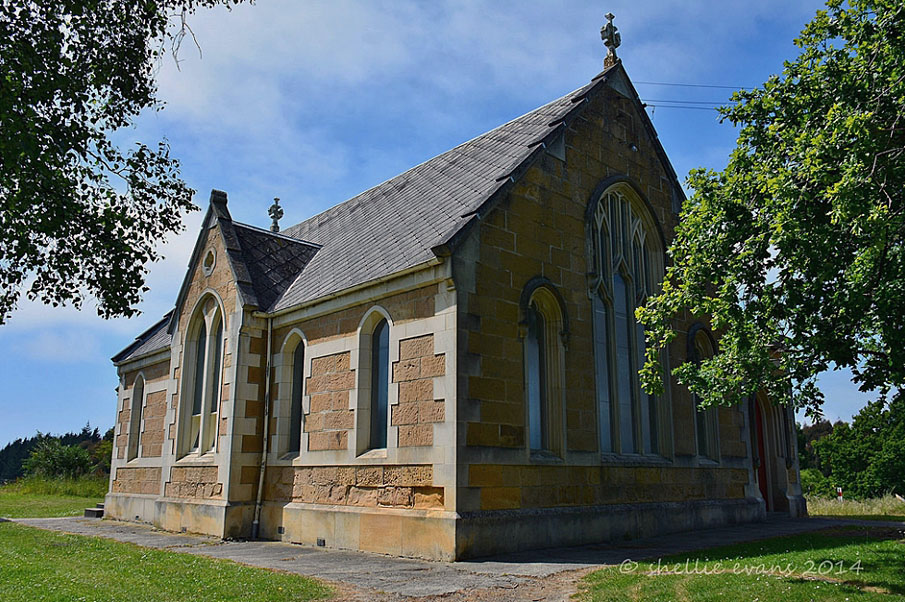
Hampden Presbyterian Church. Image courtesy of www.flickr.com | Shellie Evans - flyingkiwigirl | 05/12/2013 | Shellie Evans
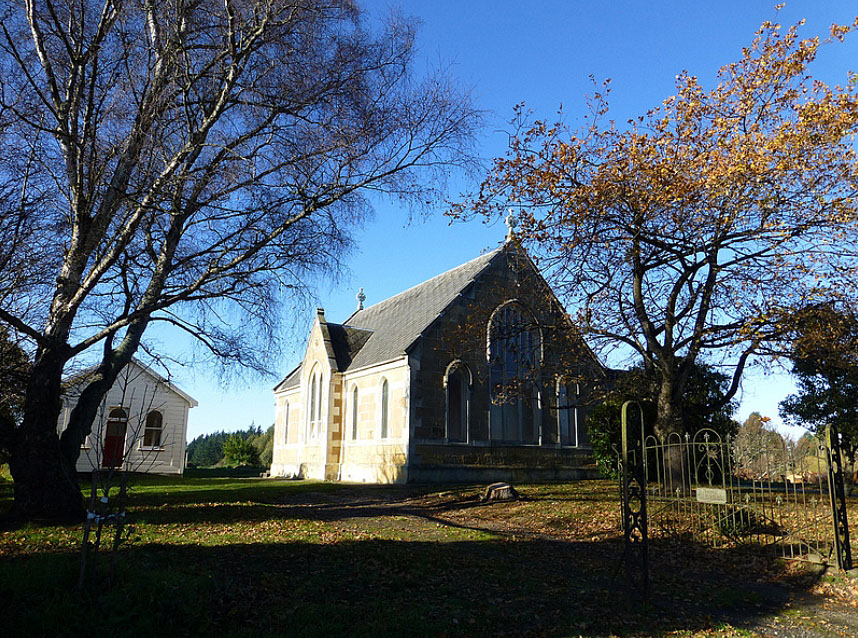
Hampden Presbyterian Church. Image courtesy of www.flickr.com | Shelley Morris – Shells | 04/07/2013 | Shelley Morris – Shells
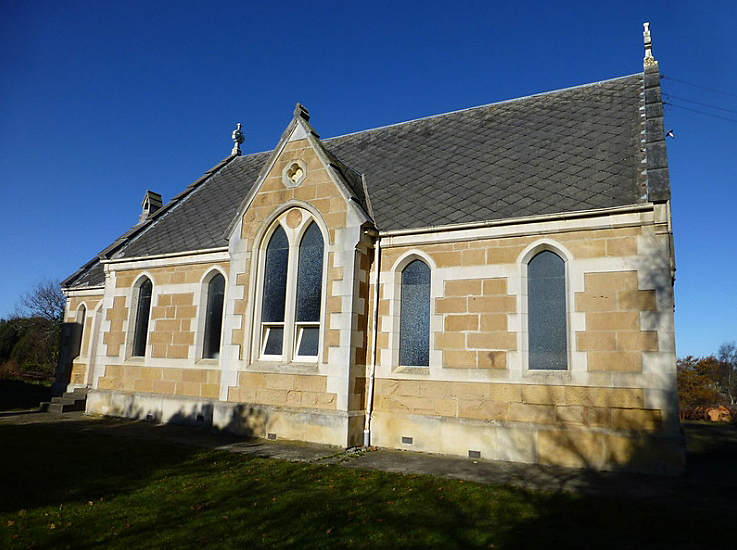
Hampden Presbyterian Church. Image courtesy of www.flickr.com | Shelley Morris – Shells | 04/07/2013 | Shelley Morris – Shells
Hampden Presbyterian Church. Image courtesy of www.flickr.com | Shellie Evans - flyingkiwigirl | 05/12/2013 | Shellie Evans
Hampden Presbyterian Church. Image courtesy of www.flickr.com | Shelley Morris – Shells | 04/07/2013 | Shelley Morris – Shells
Hampden Presbyterian Church. Image courtesy of www.flickr.com | Shelley Morris – Shells | 04/07/2013 | Shelley Morris – Shells
