Quick links


Quick links
Quick links
Quick links
Quick links
Quick links
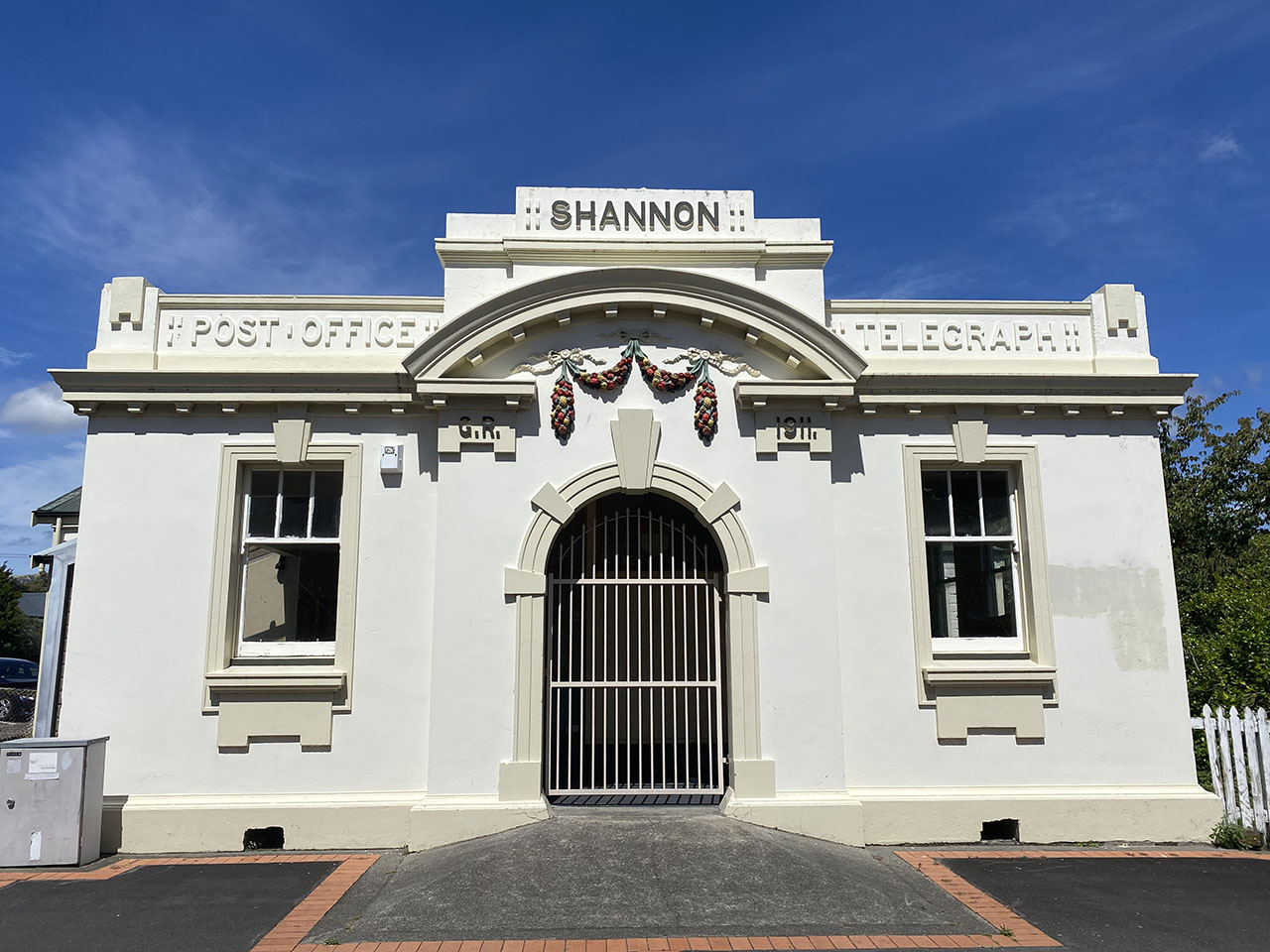
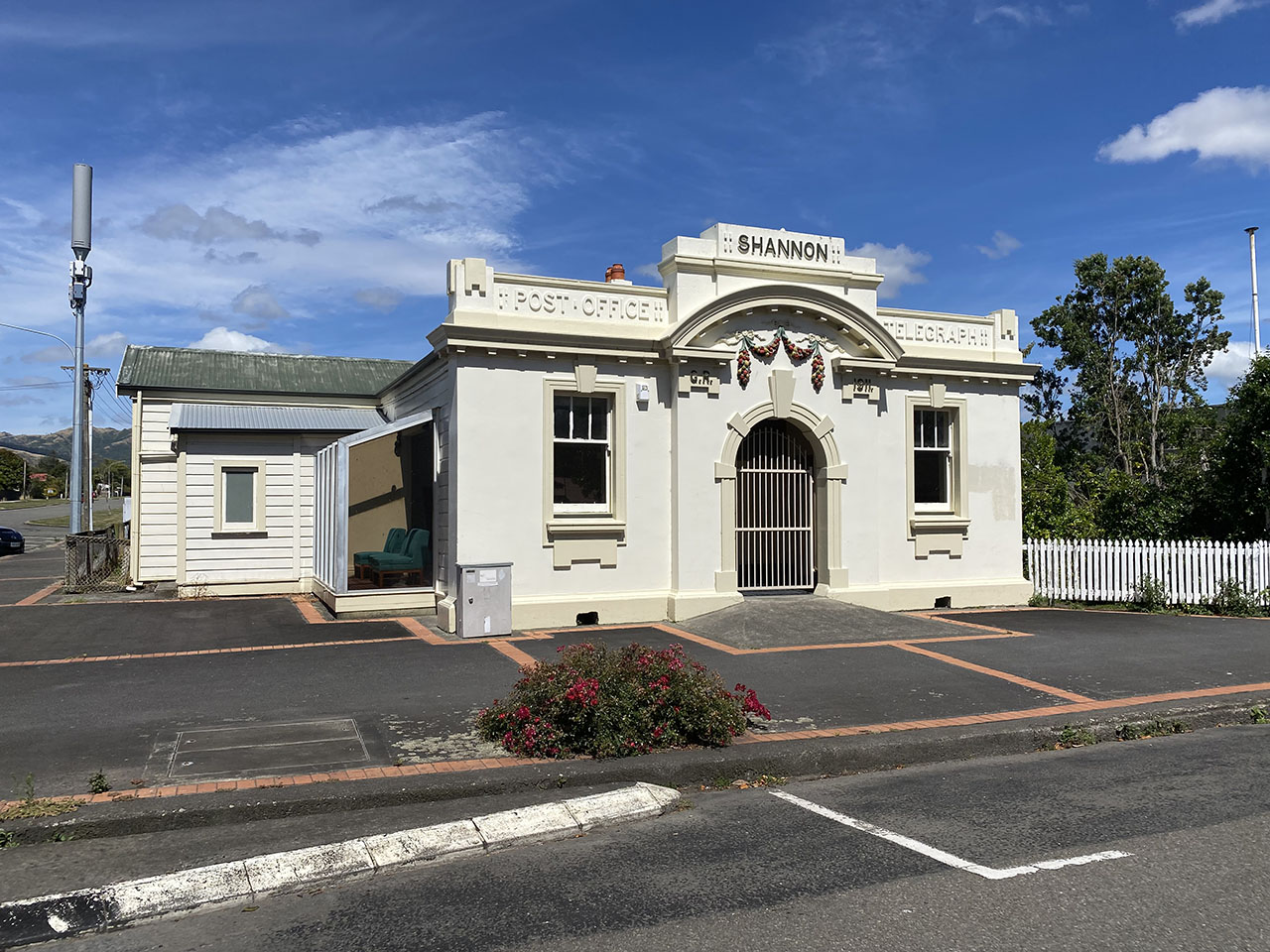
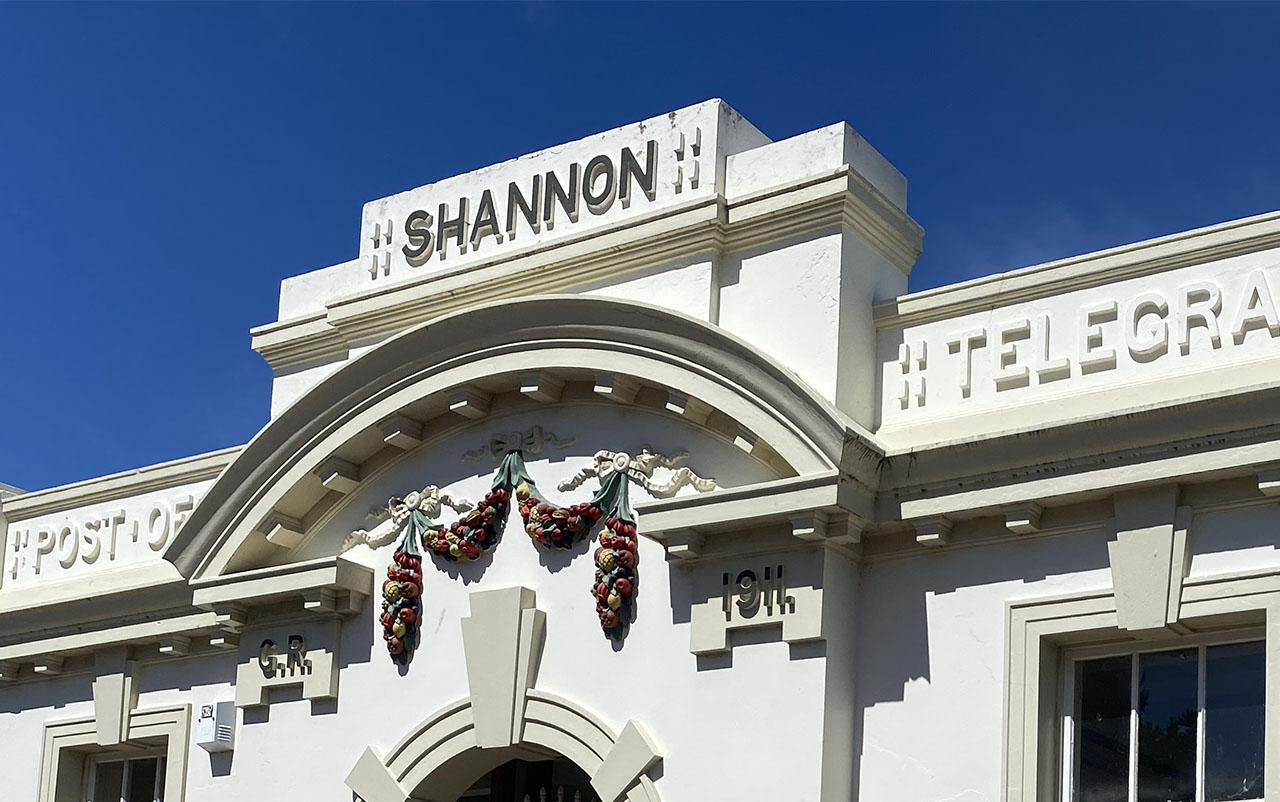
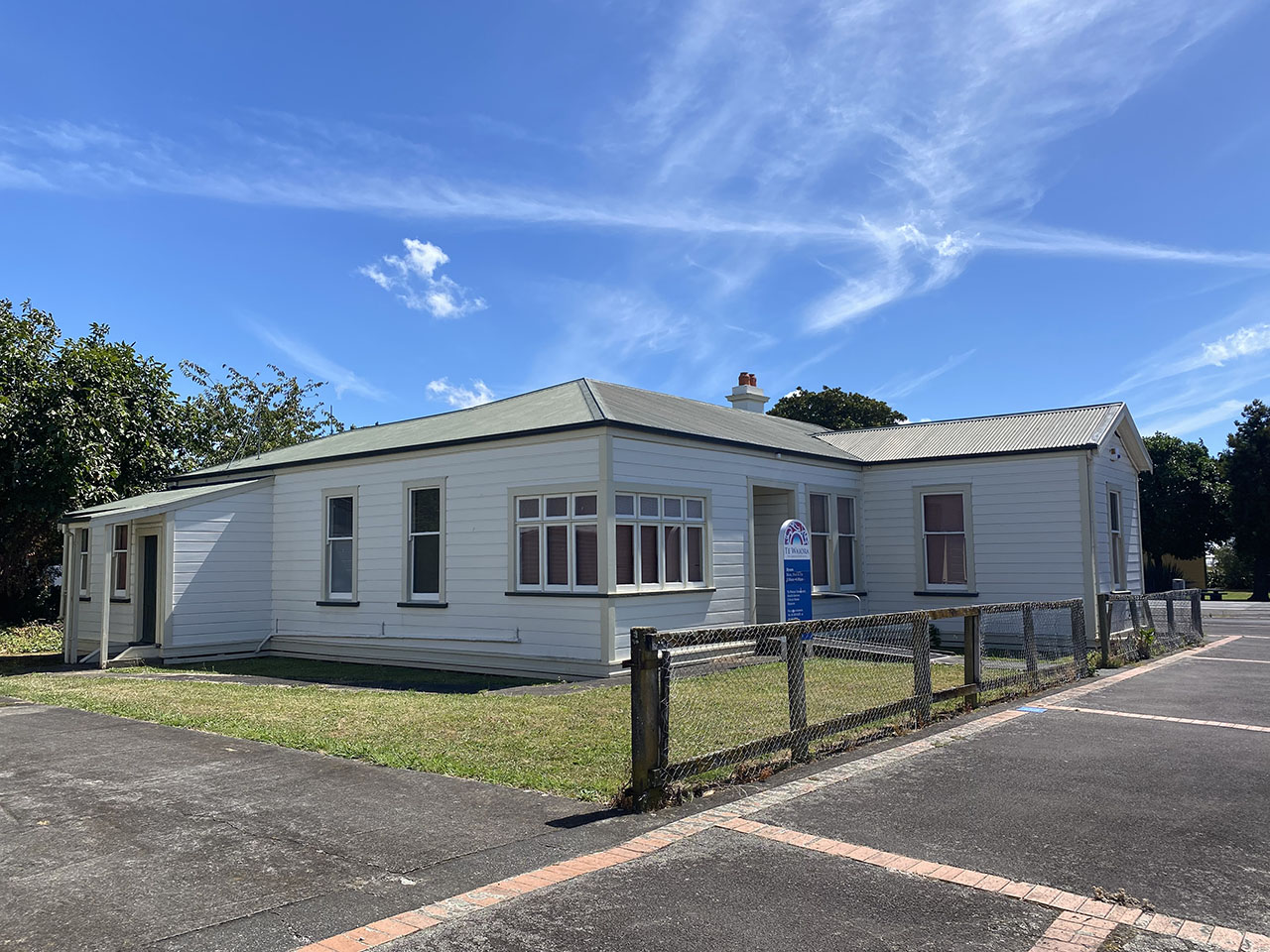
2 Stout Street and 66 Plimmer Terrace (State Highway 57), SHANNON
Private
Historic Place Category 2
List No. 4068
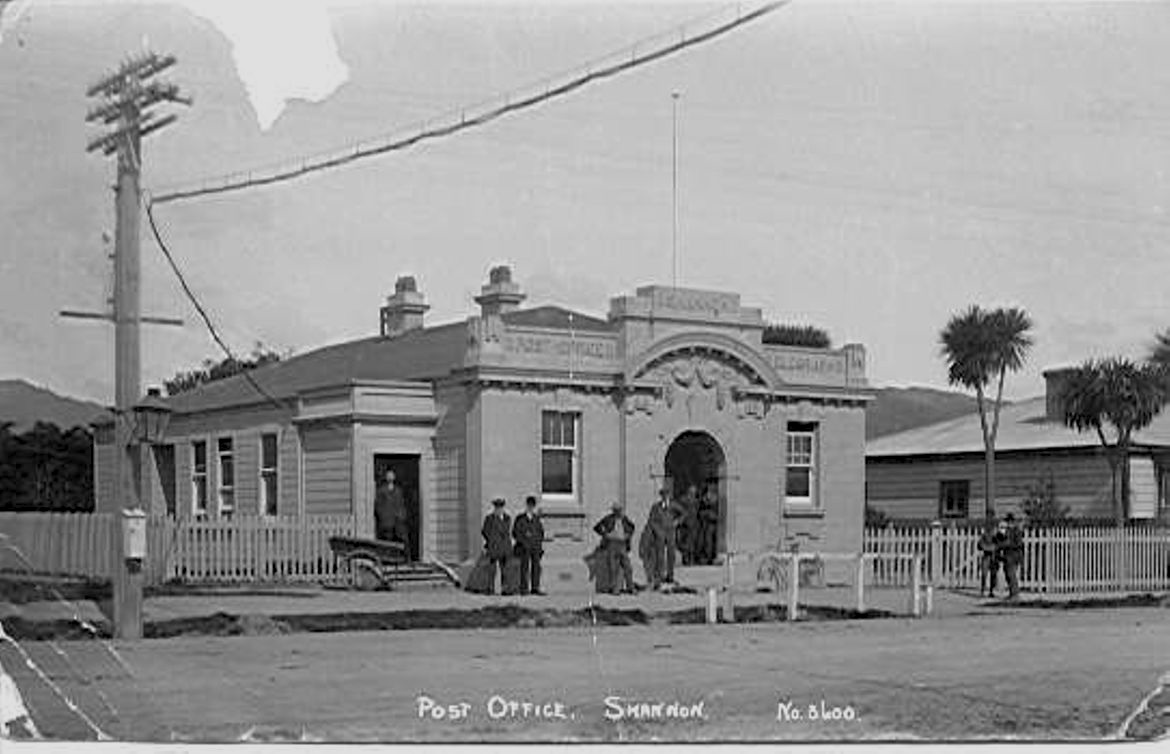
List Entry Information
Status
Listed
List Entry Status
Historic Place Category 2
Access
Private/No Public Access
List Number
4068
Date Entered
2nd July 1982
Date of Effect
2nd July 1982
City/District Council
Horowhenua District
Region
Horizons (Manawatū-Whanganui) Region
Extent of List Entry
Extent includes the land described as Lot 1 DP 66855 (RT WN40A/206), Wellington Land District, and the building known as Post Office (Former) thereon.
Legal description
Lot 1 DP 66855 (RT WN40A/206), Wellington Land District
Status
Listed
List Entry Status
Historic Place Category 2
Access
Private/No Public Access
List Number
4068
Date Entered
2nd July 1982
Date of Effect
2nd July 1982
City/District Council
Horowhenua District
Region
Horizons (Manawatū-Whanganui) Region
Extent of List Entry
Extent includes the land described as Lot 1 DP 66855 (RT WN40A/206), Wellington Land District, and the building known as Post Office (Former) thereon.
Legal description
Lot 1 DP 66855 (RT WN40A/206), Wellington Land District
Construction Professional
Name
Campbell, John
Type
Architect
Biography
Queenstown builder
Name
Pringle, William
Type
Builder
Biography
No biography is currently available for this construction professional
Construction Details
Start Year
1961
Type
Refurbishment/renovation
Start Year
1962
Type
Original Construction
Description
Acoustics Booth installed
Start Year
1969
Type
Refurbishment/renovation
Description
Removal of a redundant shed out back, demolishing of redundant chimney from old exchange, replacement of decaying timber, electrical work, and interior work.
Start Year
1975
Type
Refurbishment/renovation
Description
Renovations – Fixing of roof
Start Year
1986
Type
Modification
Description
Alterations – addition of skylight and conservatory-like extension; maintenance to exterior
Start Year
1911
Type
Original Construction
Construction Professional
Name
Campbell, John
Type
Architect
Biography
Queenstown builder
Name
Pringle, William
Type
Builder
Biography
No biography is currently available for this construction professional
Construction Details
Start Year
1961
Type
Refurbishment/renovation
Start Year
1962
Type
Original Construction
Description
Acoustics Booth installed
Start Year
1969
Type
Refurbishment/renovation
Description
Removal of a redundant shed out back, demolishing of redundant chimney from old exchange, replacement of decaying timber, electrical work, and interior work.
Start Year
1975
Type
Refurbishment/renovation
Description
Renovations – Fixing of roof
Start Year
1986
Type
Modification
Description
Alterations – addition of skylight and conservatory-like extension; maintenance to exterior
Start Year
1911
Type
Original Construction
Historical and Associated Iwi / Hapū / Whānau
Completion Date
23rd September 2016
Report Written By
Nicola Bowden
Information Sources
Law, 1987
Marjorie D. Law, From bush & swamp: the centenary of Shannon, 1887-1897, Palmerston North, 1987
Richardson, 1988
Peter Richardson, 'An Architecture of Empire: The Government Buildings of John Campbell in New Zealand', MA Thesis, University of Canterbury, 1988
Clulee, 2009
I, Clulee, Post Office Buildings in the Lower North Island, Auckland, 2009
Other Information
This place was identified as significant under previous legislation with different information requirements. It remains significant under the current legislation. There is opportunity under our legislation and policies to add to this information. Further information about this place may be available from the Central Regional Office of Heritage New Zealand Pouhere Taonga. Please note that entry on the New Zealand Heritage List/Rarangi Korero identifies only the heritage values of the property concerned, and should not be construed as advice on the state of the property, or as a comment of its soundness or safety, including in regard to earthquake risk, safety in the event of fire, or insanitary conditions. A fully referenced upgrade report is available on request from the Central Region Office of Heritage New Zealand.
Historical and Associated Iwi / Hapū / Whānau
Completion Date
23rd September 2016
Report Written By
Nicola Bowden
Information Sources
Law, 1987
Marjorie D. Law, From bush & swamp: the centenary of Shannon, 1887-1897, Palmerston North, 1987
Richardson, 1988
Peter Richardson, 'An Architecture of Empire: The Government Buildings of John Campbell in New Zealand', MA Thesis, University of Canterbury, 1988
Clulee, 2009
I, Clulee, Post Office Buildings in the Lower North Island, Auckland, 2009
Other Information
This place was identified as significant under previous legislation with different information requirements. It remains significant under the current legislation. There is opportunity under our legislation and policies to add to this information. Further information about this place may be available from the Central Regional Office of Heritage New Zealand Pouhere Taonga. Please note that entry on the New Zealand Heritage List/Rarangi Korero identifies only the heritage values of the property concerned, and should not be construed as advice on the state of the property, or as a comment of its soundness or safety, including in regard to earthquake risk, safety in the event of fire, or insanitary conditions. A fully referenced upgrade report is available on request from the Central Region Office of Heritage New Zealand.
Current Usages
Uses: Government
Specific Usage: Flagpole
Uses: Health
Specific Usage: Clinic
Uses: Health
Specific Usage: Health Services - other
Former Usages
General Usage: Accommodation
Specific Usage: House
General Usage: Communication
Specific Usage: Post Box
General Usage: Communication
Specific Usage: Post Office
General Usage: Communication
Specific Usage: Postal & Telecommunications - Other
General Usage: Communication
Specific Usage: Postal Sorting & Distribution Centre
General Usage: Communication
Specific Usage: Telephone Box
General Usage: Communication
Specific Usage: Telephone Exchange
Current Usages
Uses: Government
Specific Usage: Flagpole
Uses: Health
Specific Usage: Clinic
Uses: Health
Specific Usage: Health Services - other
Former Usages
General Usage: Accommodation
Specific Usage: House
General Usage: Communication
Specific Usage: Post Box
General Usage: Communication
Specific Usage: Post Office
General Usage: Communication
Specific Usage: Postal & Telecommunications - Other
General Usage: Communication
Specific Usage: Postal Sorting & Distribution Centre
General Usage: Communication
Specific Usage: Telephone Box
General Usage: Communication
Specific Usage: Telephone Exchange
Location
Get the latest heritage news, features and events delivered
straight to your inbox.
