

List Entry Information
Status
Listed
List Entry Status
Historic Place Category 2
Access
Private/No Public Access
List Number
7354
Date Entered
13th December 1996
Date of Effect
13th December 1996
City/District Council
Christchurch City
Region
Canterbury Region
Extent of List Entry
Extent includes the land described as Lot 1 DP 55440 (RT CB33F/498), Canterbury Land District and the building known as Libeau Cottage thereon.
Legal description
Lot 1 DP 55440 (RT CB33F/498), Canterbury Land District
Location Description
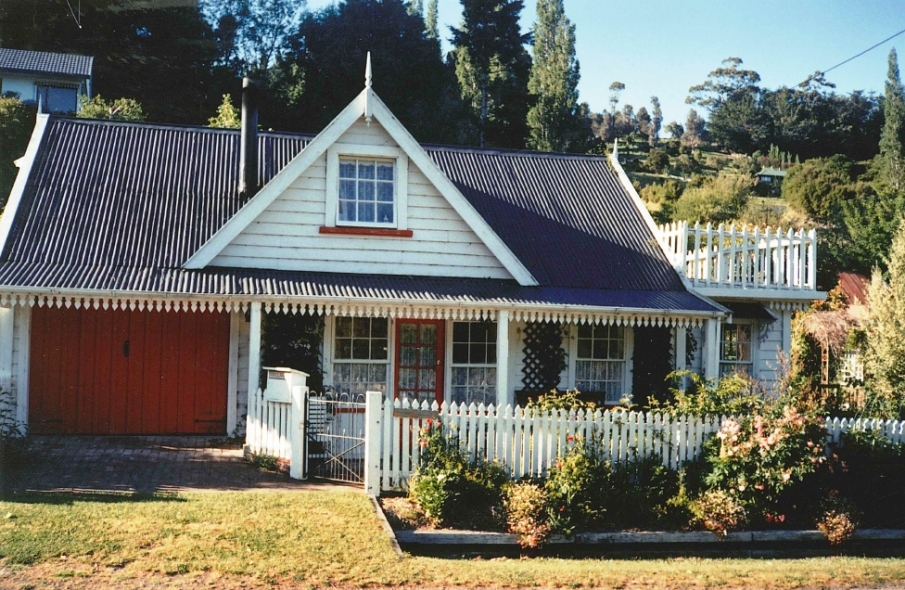
Libeau Cottage is located between numbers 58 and 60 Rue Grehan, AKAROA
Status
Listed
List Entry Status
Historic Place Category 2
Access
Private/No Public Access
List Number
7354
Date Entered
13th December 1996
Date of Effect
13th December 1996
City/District Council
Christchurch City
Region
Canterbury Region
Extent of List Entry
Extent includes the land described as Lot 1 DP 55440 (RT CB33F/498), Canterbury Land District and the building known as Libeau Cottage thereon.
Legal description
Lot 1 DP 55440 (RT CB33F/498), Canterbury Land District
Location Description
Libeau Cottage is located between numbers 58 and 60 Rue Grehan, AKAROA
Why is this place significant?
Historic Significance
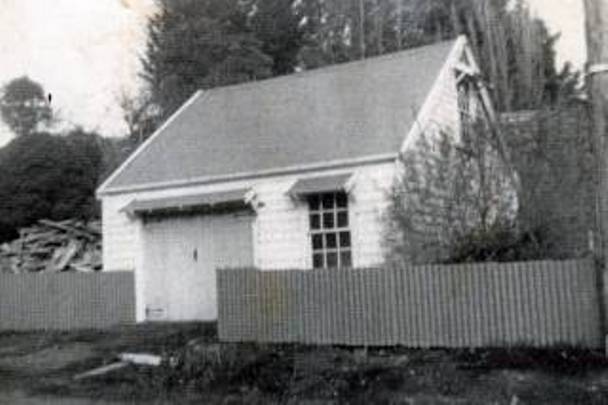
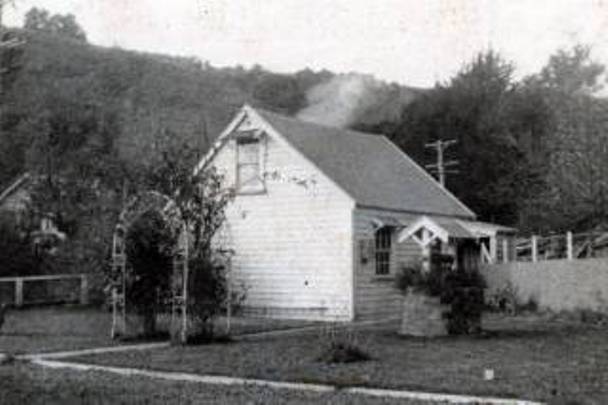
Historical Significance or Value This historic place was registered under the Historic Places Act 1993. The following text is from the original Recommendation for Classification report considered by the NZHPT Board at the time of registration. Historical: Libeau Cottage is claimed to have been built during the 1850s as one of three small cottages on land owned by Joseph Libeau (1807-83). One of the early French colonists at Akaroa, Libeau, a gardener, fathered 17 children. The cottage has been altered on several occasions, most drastically during the 1970s.
Why is this place Category 1 / Category 2?
Detail Of Assessed Criteria
This historic place was registered under the Historic Places Act 1993. The following text is from the original Recommendation for Classification report considered by the NZHPT Board at the time of registration. (a) The extent to which the place reflects important or representative aspects of New Zealand history: This cottage is a tangible reminder of an unusual event in New Zealand's early colonial history, the French settlement of Akaroa. James Belich describes it as "...not entirely farcical. For at least five years, some 300 French settlers and naval personnel, together with a fluctuating number of whalers, lived as a little French semi-state, under French law and French custom" Joseph Libeau "had the honour of being the first French settler to be convicted by a British Court" in August 1845 when a fellow Frenchman had him convicted and fined for allowing his cattle to trespass. Both Joseph Libeau and his descendants, notably Joseph Libeau Jnr, who fathered a further 14 offspring, played important roles in the history of the Akaroa area. (b) The association of the place with events, persons, or ideas of importance in New Zealand history: Events: No events of significance have been associated with this place apart from the expected ones of construction, alteration and change of ownership. Persons: Joseph Libeau was a gardener who came out to Akaroa in the Comte de Paris in 1840. He was the first Frenchman to be subjected to British justice. He and his descendants were involved in the early farming and brickmaking industries on Banks Peninsula. Ideas: While the cottage is in itself rather humble, it is a tangible reminder of the abortive French colony at Banks Peninsula.
Why is this place significant?
Historic Significance
Historical Significance or Value This historic place was registered under the Historic Places Act 1993. The following text is from the original Recommendation for Classification report considered by the NZHPT Board at the time of registration. Historical: Libeau Cottage is claimed to have been built during the 1850s as one of three small cottages on land owned by Joseph Libeau (1807-83). One of the early French colonists at Akaroa, Libeau, a gardener, fathered 17 children. The cottage has been altered on several occasions, most drastically during the 1970s.
Why is this place Category 1 / Category 2?
Detail Of Assessed Criteria
This historic place was registered under the Historic Places Act 1993. The following text is from the original Recommendation for Classification report considered by the NZHPT Board at the time of registration. (a) The extent to which the place reflects important or representative aspects of New Zealand history: This cottage is a tangible reminder of an unusual event in New Zealand's early colonial history, the French settlement of Akaroa. James Belich describes it as "...not entirely farcical. For at least five years, some 300 French settlers and naval personnel, together with a fluctuating number of whalers, lived as a little French semi-state, under French law and French custom" Joseph Libeau "had the honour of being the first French settler to be convicted by a British Court" in August 1845 when a fellow Frenchman had him convicted and fined for allowing his cattle to trespass. Both Joseph Libeau and his descendants, notably Joseph Libeau Jnr, who fathered a further 14 offspring, played important roles in the history of the Akaroa area. (b) The association of the place with events, persons, or ideas of importance in New Zealand history: Events: No events of significance have been associated with this place apart from the expected ones of construction, alteration and change of ownership. Persons: Joseph Libeau was a gardener who came out to Akaroa in the Comte de Paris in 1840. He was the first Frenchman to be subjected to British justice. He and his descendants were involved in the early farming and brickmaking industries on Banks Peninsula. Ideas: While the cottage is in itself rather humble, it is a tangible reminder of the abortive French colony at Banks Peninsula.
Construction Details
Start Year
1850
startYearCirca
Type
Original Construction
Construction Details
Start Year
1850
startYearCirca
Type
Original Construction
Historical and Associated Iwi / Hapū / Whānau
Other Information
A copy of the original report is available from the NZHPT Southern region office Please note that entry on the New Zealand Heritage List/Rarangi Korero identifies only the heritage values of the property concerned, and should not be construed as advice on the state of the property, or as a comment of its soundness or safety, including in regard to earthquake risk, safety in the event of fire, or insanitary conditions.
Historical and Associated Iwi / Hapū / Whānau
Other Information
A copy of the original report is available from the NZHPT Southern region office Please note that entry on the New Zealand Heritage List/Rarangi Korero identifies only the heritage values of the property concerned, and should not be construed as advice on the state of the property, or as a comment of its soundness or safety, including in regard to earthquake risk, safety in the event of fire, or insanitary conditions.
Current Usages
Uses: Accommodation
Specific Usage: House
Former Usages
General Usage: Accommodation
Specific Usage: House
Current Usages
Uses: Accommodation
Specific Usage: House
Former Usages
General Usage: Accommodation
Specific Usage: House
