

Tait House at 23-25 Cashel Street, Christchurch, built in the 1870s by James Tait, noted builder and contractor, is rare in the central city as a masonry Georgian-style house. The combination of plastered-brick and Georgian-style architecture for residential buildings was not typical in Victorian Gothic Revival timber-dominated Christchurch, and following loss from the 2010-11 Canterbury earthquakes, this style of masonry house is now rare in central Christchurch.
James Tait purchased section 452 in 1871 and the house was built prior to 1877. Potentially Tait was living there with his family as early as 1874 through until 1895. A noted figure in nineteenth century Christchurch, Tait was involved in the construction of numerous important buildings, and he owned several properties around the central city, including his business J Tait Ltd which operated in a nearby block on the corner of Cashel and Montreal Streets.
The two-storeyed house is of triple-brick construction, with the exterior plastered and scored to give the appearance of stone. Many elements of the architecture are Georgian in style, such as the symmetrical façade, hipped roof, and rusticated ground floor. The ground floor has pronounced false quoins, while the upper floor has less pronounced quoins and is generally plainer. A central front door has been later enclosed by a hip-roofed porch, and this is flanked on either side by a bay window with sashes. At the rear of the property is a free-standing single storey timber building that may have originally functioned as stables or the coach house.
The house is known to have operated for periods as rental accommodation from the late nineteenth century and for much of the twentieth century through to the present time. The house has been referred to as the Tait House since at least the 1970s.
Tait House and James Tait contribute to the important story of nineteenth century settlement and development of Christchurch. The survival of Tait House following the devastating earthquakes of 2010 and 2011 is tangible evidence of Tait’s contribution to the city, especially given the loss of many other nineteenth century masonry buildings in Christchurch.
James Tait purchased section 452 in 1871 and the house was built prior to 1877. Potentially Tait was living there with his family as early as 1874 through until 1895. A noted figure in nineteenth century Christchurch, Tait was involved in the construction of numerous important buildings, and he owned several properties around the central city, including his business J Tait Ltd which operated in a nearby block on the corner of Cashel and Montreal Streets.
The two-storeyed house is of triple-brick construction, with the exterior plastered and scored to give the appearance of stone. Many elements of the architecture are Georgian in style, such as the symmetrical façade, hipped roof, and rusticated ground floor. The ground floor has pronounced false quoins, while the upper floor has less pronounced quoins and is generally plainer. A central front door has been later enclosed by a hip-roofed porch, and this is flanked on either side by a bay window with sashes. At the rear of the property is a free-standing single storey timber building that may have originally functioned as stables or the coach house.
The house is known to have operated for periods as rental accommodation from the late nineteenth century and for much of the twentieth century through to the present time. The house has been referred to as the Tait House since at least the 1970s.
Tait House and James Tait contribute to the important story of nineteenth century settlement and development of Christchurch. The survival of Tait House following the devastating earthquakes of 2010 and 2011 is tangible evidence of Tait’s contribution to the city, especially given the loss of many other nineteenth century masonry buildings in Christchurch.
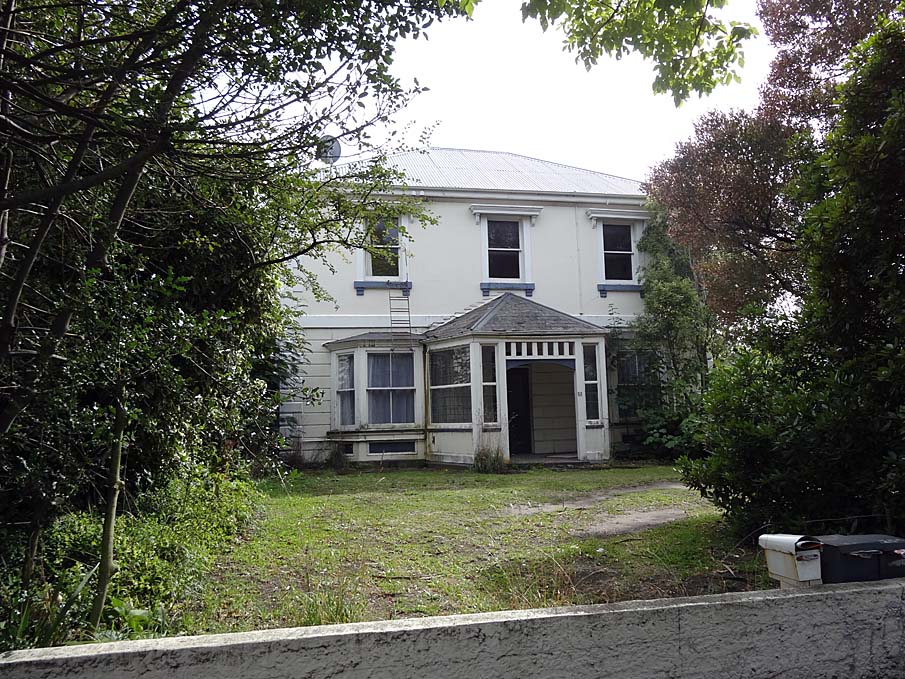
Tait House, Christchurch | Hanna Westley | 07/08/2025 | Heritage New Zealand Pouhere Taonga
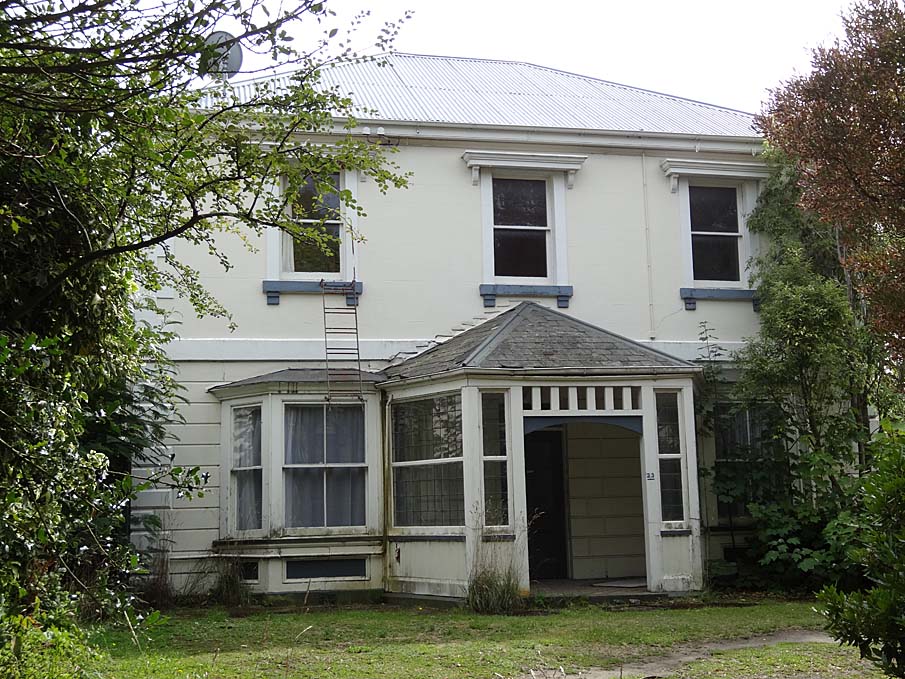
Tait House, Christchurch | Hanna Westley | 07/08/2025 | Heritage New Zealand Pouhere Taonga
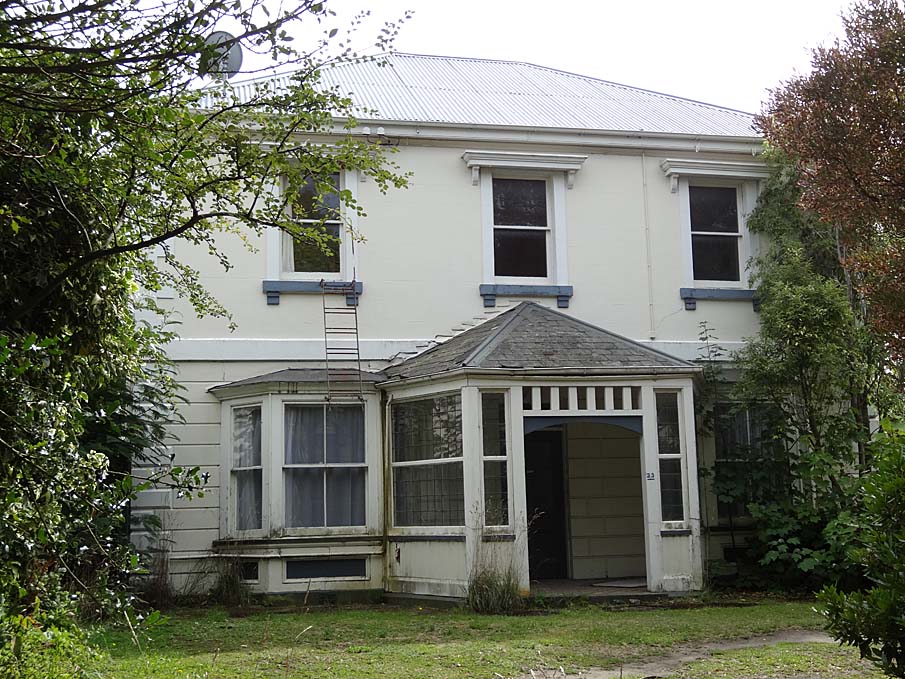
Tait House, Christchurch | Robyn Burgess | 02/03/2014 | Heritage New Zealand Pouhere Taonga
Tait House, Christchurch | Hanna Westley | 07/08/2025 | Heritage New Zealand Pouhere Taonga
Tait House, Christchurch | Hanna Westley | 07/08/2025 | Heritage New Zealand Pouhere Taonga
Tait House, Christchurch | Robyn Burgess | 02/03/2014 | Heritage New Zealand Pouhere Taonga
