Constructed in circa 1897-8 by noted architect J C Maddison, the single storeyed villa at 17 Worcester Street contributes to the streetscape within Christchurch’s premier heritage precinct and has aesthetic and architectural significance. It also has social and historical value for its association with original owners, businessman and philanthropist John Henry Seager and his wife Clara, who housed their extensive porcelain collection in a dedicated gallery within the house.
The block of land between Antigua Street (now Rolleston Avenue), Gloucester Street, Worcester Street and Montreal Street and was purchased in 1856 by Church Property Trustees, and in 1873 Reverend John Raven became the owner of this block. After Raven’s death in 1886 the sections were transferred to his London-based son, John Earle Reynolds Raven, and others who gradually sold and further divided the ‘Raven Paddock’. In April 1897 Lot 11 (then 206 Worcester Street, now 21 Worcester Street/Boulevard) was transferred to John and Clara Seager. John Seager had served as secretary of the Christchurch Building and Land Society from 1883 until his early retirement in 1894, although he retained a directorship until 1931. The house at 21 Worcester Street built for the Seagers in circa 1897-8.
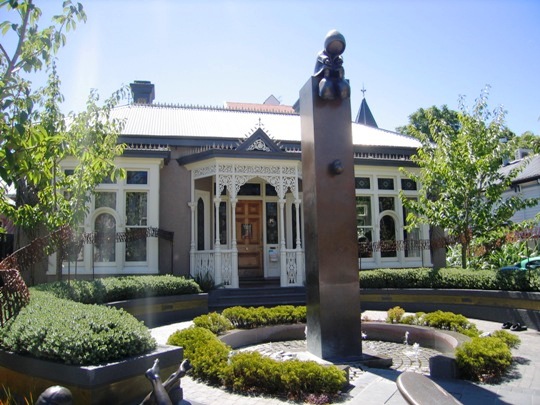
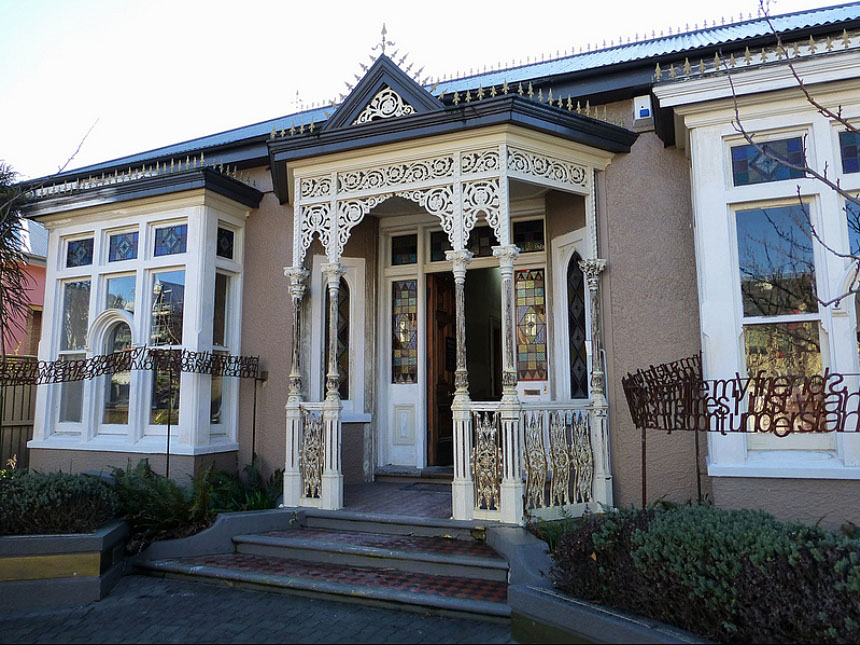
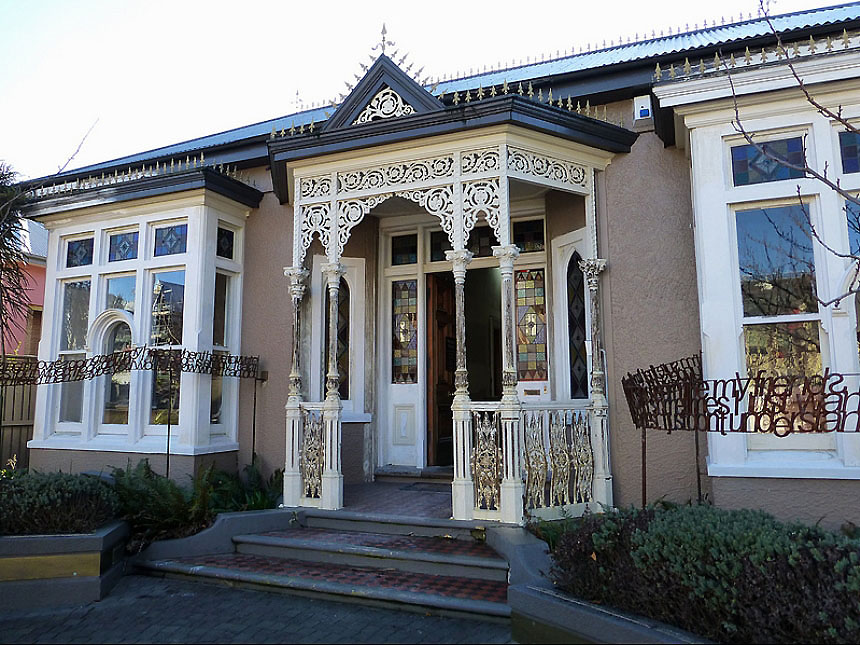
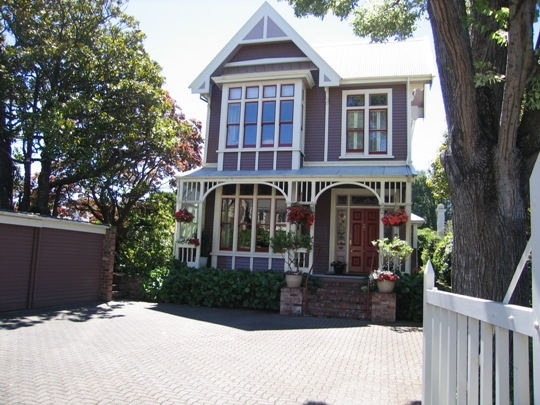
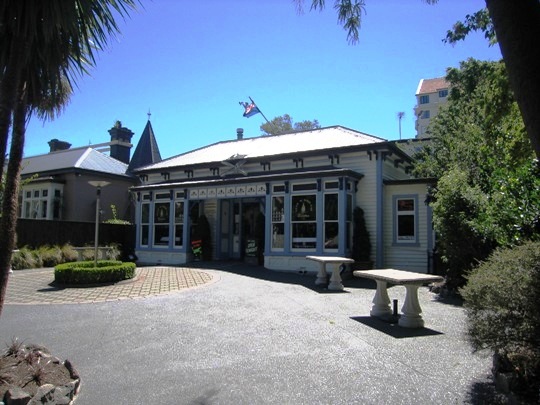
The single storeyed plastered brick house stands on the north side of Worcester Street, opposite The Arts Centre of Christchurch and flanked by late Victorian residences of a similar size and scale. The house is an example of a single storeyed villa with squared bay windows and a hipped roof. The main façade is symmetrical, with a central entrance porch built of ornate cast iron lacework. The door is recessed with glass panels, a fanlight, side lights and side windows. On the east elevation is a bay window with turret roof atopped by a finial.
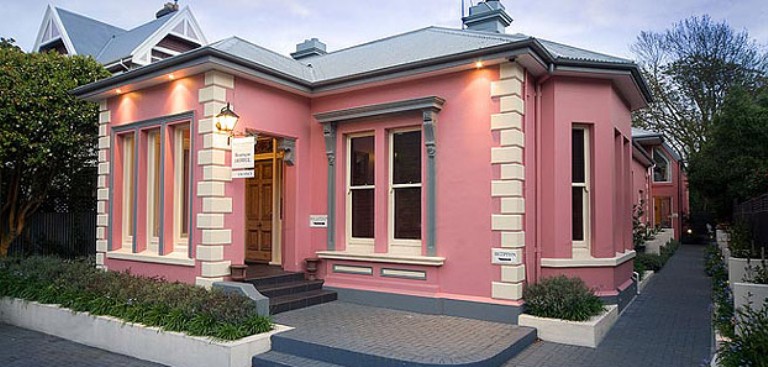
Mr and Mrs Seager were well known for their hospitality at 21 Worcester Street ‘among the old china and curios’. In January 1932 their prized collection of china, pottery and antiques was gifted to the Canterbury Museum, with the agreement that the collection would remain at their house in Worcester Street in the short term. Clara Seager died in September 1932 and the following month the house was put up for auction on behalf of J H Seager, Esq. Despite a newspaper account in October 1932 that it sold for £1500, John appears to have retained ownership until August 1936. By the time he died on 25 December 1936, he was no longer living at 21 Worcester Street. New owner John McLaughlin, baker, converted the house into ten bedsits. In 1960 it was sold to Roy Veitch, builder, who added a laundry and storeroom, and had the exterior stuccoed. Since then it has had a number of owners. It continued to be used as flats until the early 1990s, when it was restored for combined residential and commercial use. The Canterbury Earthquakes of 2010-11 caused moderate damage and was unoccupied until the completion of repairs in 2014.
The block of land between Antigua Street (now Rolleston Avenue), Gloucester Street, Worcester Street and Montreal Street and was purchased in 1856 by Church Property Trustees, and in 1873 Reverend John Raven became the owner of this block. After Raven’s death in 1886 the sections were transferred to his London-based son, John Earle Reynolds Raven, and others who gradually sold and further divided the ‘Raven Paddock’. In April 1897 Lot 11 (then 206 Worcester Street, now 21 Worcester Street/Boulevard) was transferred to John and Clara Seager. John Seager had served as secretary of the Christchurch Building and Land Society from 1883 until his early retirement in 1894, although he retained a directorship until 1931. The house at 21 Worcester Street built for the Seagers in circa 1897-8.
The single storeyed plastered brick house stands on the north side of Worcester Street, opposite The Arts Centre of Christchurch and flanked by late Victorian residences of a similar size and scale. The house is an example of a single storeyed villa with squared bay windows and a hipped roof. The main façade is symmetrical, with a central entrance porch built of ornate cast iron lacework. The door is recessed with glass panels, a fanlight, side lights and side windows. On the east elevation is a bay window with turret roof atopped by a finial.
Mr and Mrs Seager were well known for their hospitality at 21 Worcester Street ‘among the old china and curios’. In January 1932 their prized collection of china, pottery and antiques was gifted to the Canterbury Museum, with the agreement that the collection would remain at their house in Worcester Street in the short term. Clara Seager died in September 1932 and the following month the house was put up for auction on behalf of J H Seager, Esq. Despite a newspaper account in October 1932 that it sold for £1500, John appears to have retained ownership until August 1936. By the time he died on 25 December 1936, he was no longer living at 21 Worcester Street. New owner John McLaughlin, baker, converted the house into ten bedsits. In 1960 it was sold to Roy Veitch, builder, who added a laundry and storeroom, and had the exterior stuccoed. Since then it has had a number of owners. It continued to be used as flats until the early 1990s, when it was restored for combined residential and commercial use. The Canterbury Earthquakes of 2010-11 caused moderate damage and was unoccupied until the completion of repairs in 2014.