Quick links


Quick links
Quick links
Quick links
Quick links
Quick links
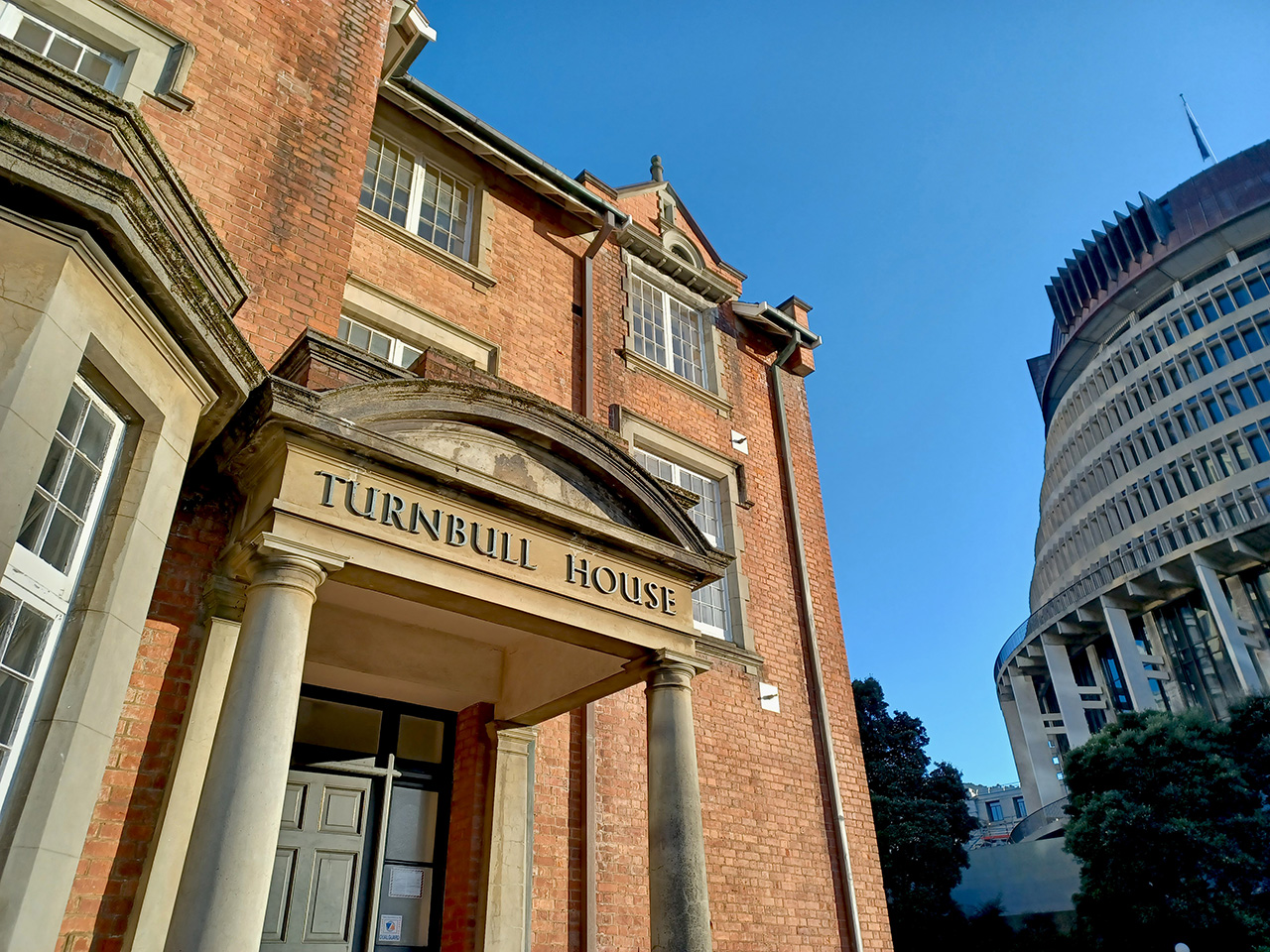
25-27 Bowen Street, Wellington Central, Pipitea, WELLINGTON
Private
Historic Place Category 1
List No. 232
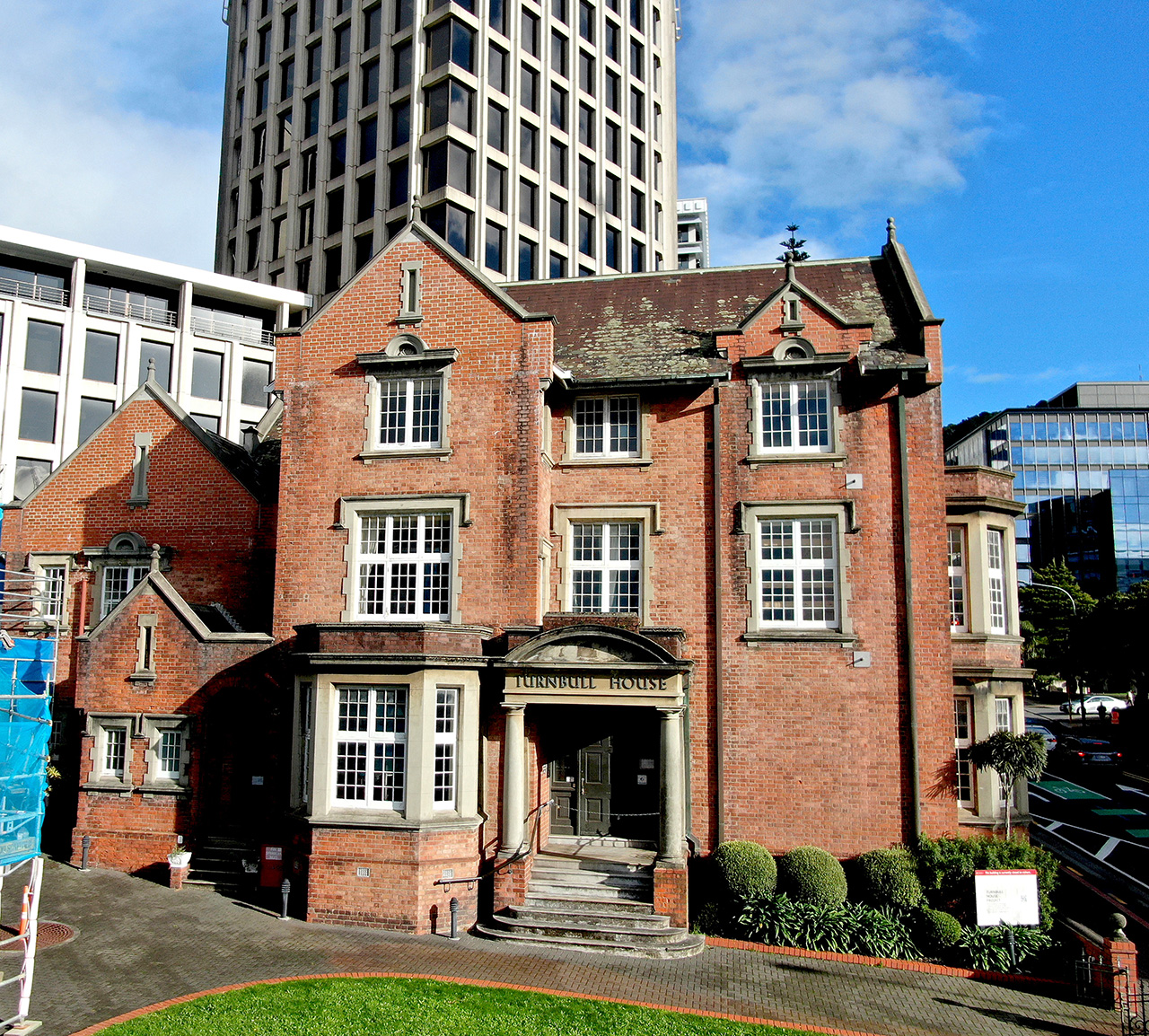
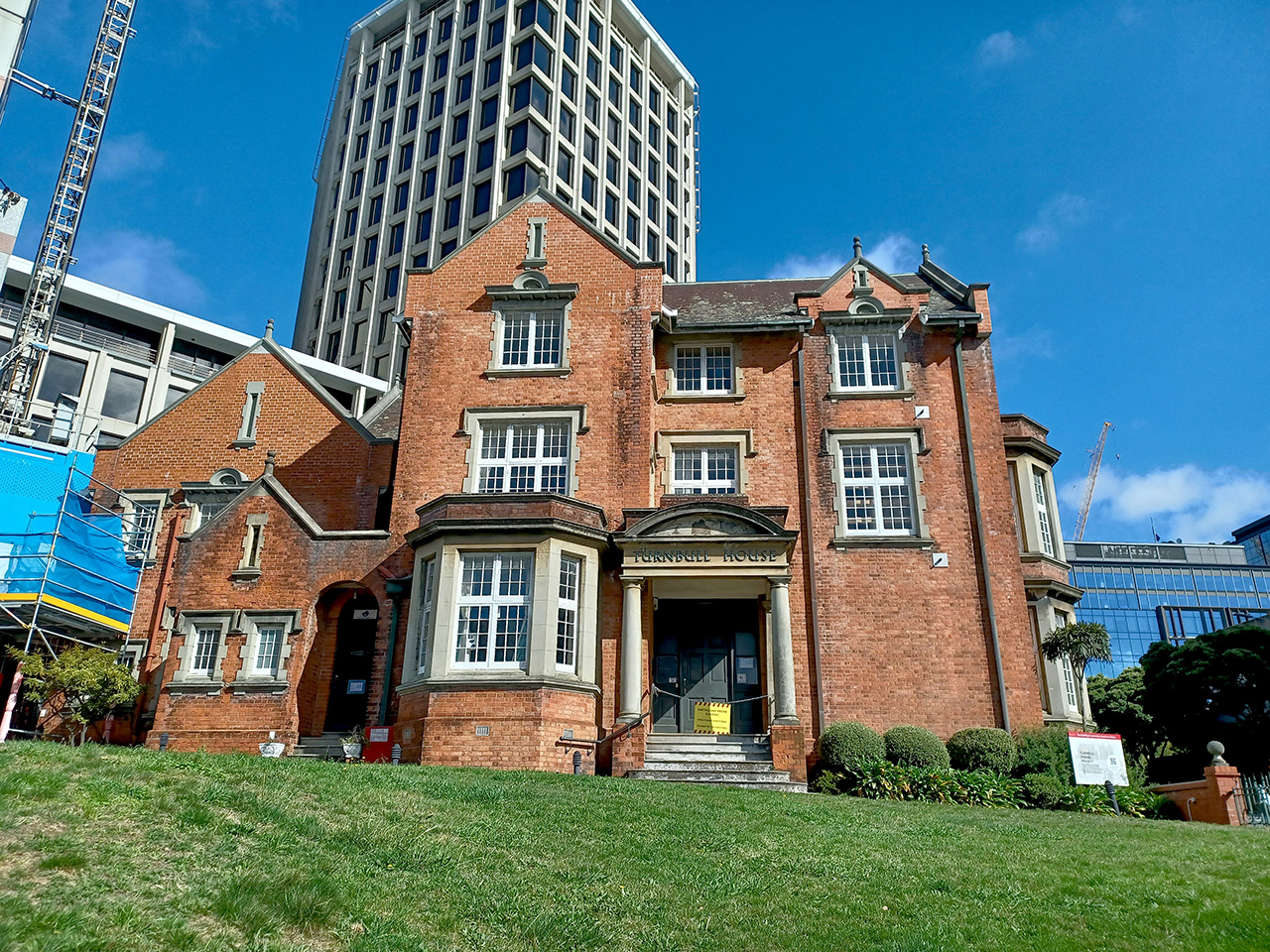
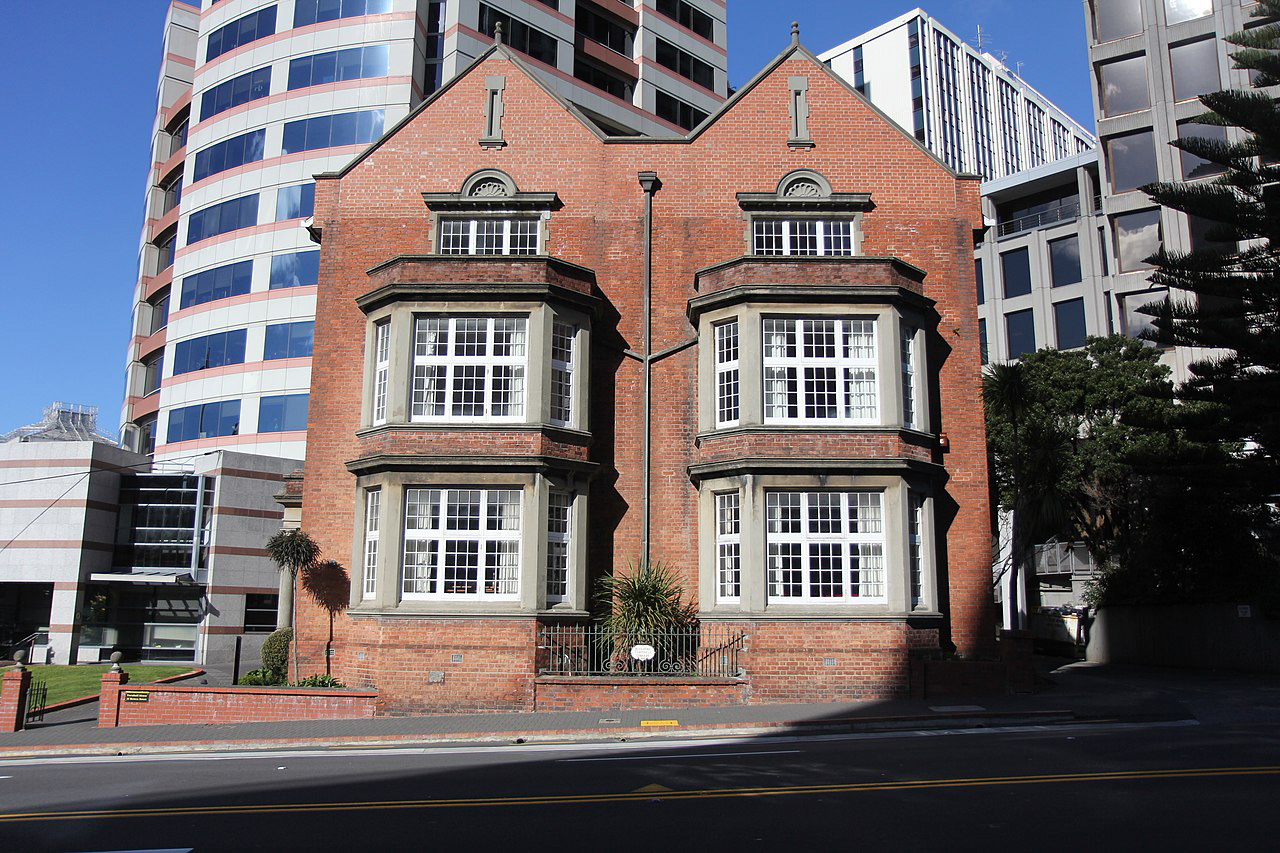
List Entry Information
Status
Listed
List Entry Status
Historic Place Category 1
Access
Private/No Public Access
List Number
232
Date Entered
25th November 1982
Date of Effect
25th November 1982
City/District Council
Wellington City
Region
Wellington Region
Extent of List Entry
Extent includes the land described as Lot 3 DP 2991 (NZ Gazette 1992, pp. 3822-3823; RT WN237/291), Lot 3 DP 10325 (NZ Gazette 1992, pp. 3822-3823; RT WN436/191), and Lot 1 AP 2948 (NZ Gazette 1992, pp. 3822-3823), Wellington Land District, and the building known as Turnbull House thereon.
Legal description
Lot 3 DP 2991 (NZ Gazette 1992, pp. 3822-3823; RT WN237/291), Lot 3 DP 10325 (NZ Gazette 1992, pp. 3822-3823; RT WN436/191), Lot 1 AP 2948 (NZ Gazette 1992, pp. 3822-3823), Wellington Land District
Status
Listed
List Entry Status
Historic Place Category 1
Access
Private/No Public Access
List Number
232
Date Entered
25th November 1982
Date of Effect
25th November 1982
City/District Council
Wellington City
Region
Wellington Region
Extent of List Entry
Extent includes the land described as Lot 3 DP 2991 (NZ Gazette 1992, pp. 3822-3823; RT WN237/291), Lot 3 DP 10325 (NZ Gazette 1992, pp. 3822-3823; RT WN436/191), and Lot 1 AP 2948 (NZ Gazette 1992, pp. 3822-3823), Wellington Land District, and the building known as Turnbull House thereon.
Legal description
Lot 3 DP 2991 (NZ Gazette 1992, pp. 3822-3823; RT WN237/291), Lot 3 DP 10325 (NZ Gazette 1992, pp. 3822-3823; RT WN436/191), Lot 1 AP 2948 (NZ Gazette 1992, pp. 3822-3823), Wellington Land District
Construction Professional
Name
Turnbull, William (1868-1941)
Type
Architect
Biography
William Turnbull (1868-1941) entered the architectural office of his father Thomas (1825-1907) in 1882, and received a professional education from him. In 1890, William visited Melbourne and Sydney and was engaged in the office of J A Gordon, a Melbourne architect who at that time was engaged in the design of several major commercial buildings including the Melbourne (now Victoria) Markets. In 1891 William returned to Wellington and was admitted into partnership in the firm of Thomas Turnbull and Son. This was one of the foremost architectural practices in the city at the turn of the century and it continued after Thomas Turnbull's death in 1907. William became a Fellow of the Royal Institute of British Architects in 1906, designing many important early twentieth century buildings in Wellington such as 12 Boulcott Street (1902), Turnbull House (1918), and the Wellington Free Ambulance Building (1932). The range and variety of his adaptation of architectural styles show him to be fully versed in virtually every contemporary architectural style and to have special skills and flair for masonry design.
Construction Details
Start Year
1915
Finish Year
1916
Type
Original Construction
Start Year
1955
Finish Year
1957
Type
Structural upgrade
Description
Building was structurally strengthened; major structural and refurbishment work including removal of gables and upper windows; automatic sprinkler system fitted
Start Year
1995
Type
Structural upgrade
Description
Earthquake strengthening, restoration of ornamentation including gables, roof repaired, wiring replaced, fire protection improved
Construction Professional
Name
Turnbull, William (1868-1941)
Type
Architect
Biography
William Turnbull (1868-1941) entered the architectural office of his father Thomas (1825-1907) in 1882, and received a professional education from him. In 1890, William visited Melbourne and Sydney and was engaged in the office of J A Gordon, a Melbourne architect who at that time was engaged in the design of several major commercial buildings including the Melbourne (now Victoria) Markets. In 1891 William returned to Wellington and was admitted into partnership in the firm of Thomas Turnbull and Son. This was one of the foremost architectural practices in the city at the turn of the century and it continued after Thomas Turnbull's death in 1907. William became a Fellow of the Royal Institute of British Architects in 1906, designing many important early twentieth century buildings in Wellington such as 12 Boulcott Street (1902), Turnbull House (1918), and the Wellington Free Ambulance Building (1932). The range and variety of his adaptation of architectural styles show him to be fully versed in virtually every contemporary architectural style and to have special skills and flair for masonry design.
Construction Details
Start Year
1915
Finish Year
1916
Type
Original Construction
Start Year
1955
Finish Year
1957
Type
Structural upgrade
Description
Building was structurally strengthened; major structural and refurbishment work including removal of gables and upper windows; automatic sprinkler system fitted
Start Year
1995
Type
Structural upgrade
Description
Earthquake strengthening, restoration of ornamentation including gables, roof repaired, wiring replaced, fire protection improved
Historical and Associated Iwi / Hapū / Whānau
Completion Date
21st October 2015
Report Written By
Natalie Marshall
Information Sources
Dictionary of New Zealand Biography
Dictionary of New Zealand Biography
Dominion
Dominion, 16 Jul 1915, p. 9.
Dominion Post
Dominion Post, Wellington
Evening Post
Evening Post, 27 Jun 1919, p.7.
Evening Post
Evening Post, 27 Jun 1919, p.7.
The Dominion
The Dominion
Barrowman, 1995
Barrowman, Rachel, The Turnbull: A Library and its World, Auckland University Press, Auckland, 1995
Cochran, 1991
Cochran, Chris, Turnbull House: Conservation Plan, Department of Conservation, Wellington, 1991
Other Information
This place was identified as significant under previous legislation with different information requirements. It remains significant under the current legislation. There is opportunity under our legislation and policies to add to this information. Further information about this place may be available from the Central Regional Office of Heritage New Zealand Pouhere Taonga. Please note that entry on the New Zealand Heritage List/Rarangi Korero identifies only the heritage values of the property concerned, and should not be construed as advice on the state of the property, or as a comment of its soundness or safety, including in regard to earthquake risk, safety in the event of fire, or insanitary conditions. A fully referenced upgrade report is available on request from the Central Region Office of Heritage New Zealand
Historical and Associated Iwi / Hapū / Whānau
Completion Date
21st October 2015
Report Written By
Natalie Marshall
Information Sources
Dictionary of New Zealand Biography
Dictionary of New Zealand Biography
Dominion
Dominion, 16 Jul 1915, p. 9.
Dominion Post
Dominion Post, Wellington
Evening Post
Evening Post, 27 Jun 1919, p.7.
Evening Post
Evening Post, 27 Jun 1919, p.7.
The Dominion
The Dominion
Barrowman, 1995
Barrowman, Rachel, The Turnbull: A Library and its World, Auckland University Press, Auckland, 1995
Cochran, 1991
Cochran, Chris, Turnbull House: Conservation Plan, Department of Conservation, Wellington, 1991
Other Information
This place was identified as significant under previous legislation with different information requirements. It remains significant under the current legislation. There is opportunity under our legislation and policies to add to this information. Further information about this place may be available from the Central Regional Office of Heritage New Zealand Pouhere Taonga. Please note that entry on the New Zealand Heritage List/Rarangi Korero identifies only the heritage values of the property concerned, and should not be construed as advice on the state of the property, or as a comment of its soundness or safety, including in regard to earthquake risk, safety in the event of fire, or insanitary conditions. A fully referenced upgrade report is available on request from the Central Region Office of Heritage New Zealand
Former Usages
General Usage: Accommodation
Specific Usage: House
General Usage: Civic Facilities
Specific Usage: Club rooms/building
General Usage: Civic Facilities
Specific Usage: Community centre
General Usage: Civic Facilities
Specific Usage: Historic or recreation reserve
General Usage: Civic Facilities
Specific Usage: Historic Property
General Usage: Civic Facilities
Specific Usage: Library
General Usage: Trade
Specific Usage: Cafe
Themes
Rainbow List
Former Usages
General Usage: Accommodation
Specific Usage: House
General Usage: Civic Facilities
Specific Usage: Club rooms/building
General Usage: Civic Facilities
Specific Usage: Community centre
General Usage: Civic Facilities
Specific Usage: Historic or recreation reserve
General Usage: Civic Facilities
Specific Usage: Historic Property
General Usage: Civic Facilities
Specific Usage: Library
General Usage: Trade
Specific Usage: Cafe
Themes
Rainbow List
Location
Get the latest heritage news, features and events delivered
straight to your inbox.