The Government Centre Historic Area, at the northern end of the Wellington CBD, is of outstanding historical, social, architectural and cultural significance as the heart of New Zealand’s central government activities since 1865. Centred on the Parliamentary Precinct and extending along Lambton Quay and down Stout Street to Featherston Street, proceedings in these places have directly shaped the social history and development of the nation. The high architectural and aesthetic values of many of the historic area’s buildings complement the gravitas of the Parliamentary Precinct, and the development of the area reflects the political history of New Zealand.
When Europeans first came to the harbour known to tangata whenua as Te Whanganui-a-Tara, the future site of Parliament was a clay hillside and swampy ground between two streams, neighboured by the Māori settlements of Pipitea Pā and Kumutoto Kainga. From the beginning of organised British colonisation in 1840, Colonel Wakefield, leader of the New Zealand Company, earmarked the hillside for government purposes. When Auckland was made the country’s capital instead, the Wellington site accommodated the Governor’s House, and in 1857-1858, purpose-built Provincial Chambers were constructed there too. This building was designed to have two large chambers suitable for accommodating Parliament, should it ever be persuaded to relocate.
In 1865 Wellington’s wish was granted, and the capital was moved there because of its location in the centre of the country. The former Provincial Council buildings were enlarged, but major development of the area was needed to accommodate the administration of the three branches of government: the legislature (Parliament), the executive (ministers of the Crown and their government departments), and the judiciary (the court system); as well as related quasi-governmental functions.
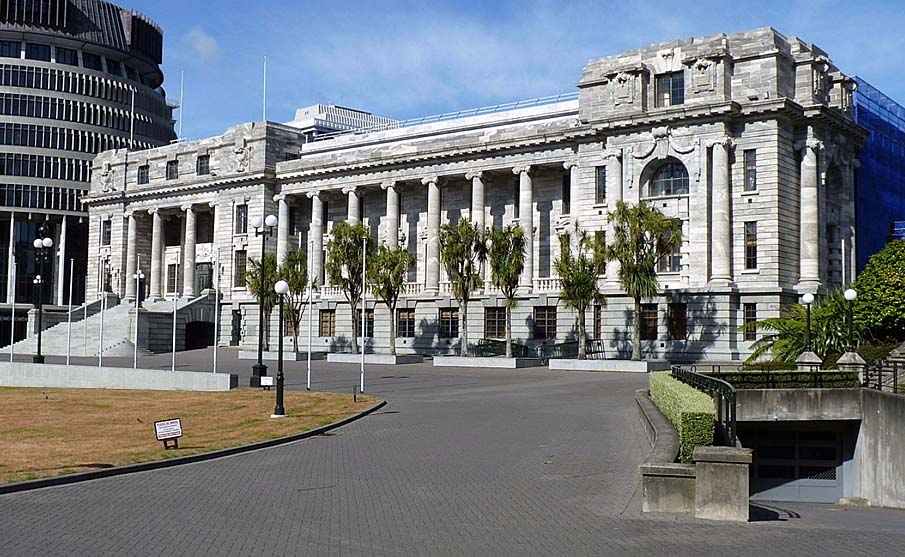
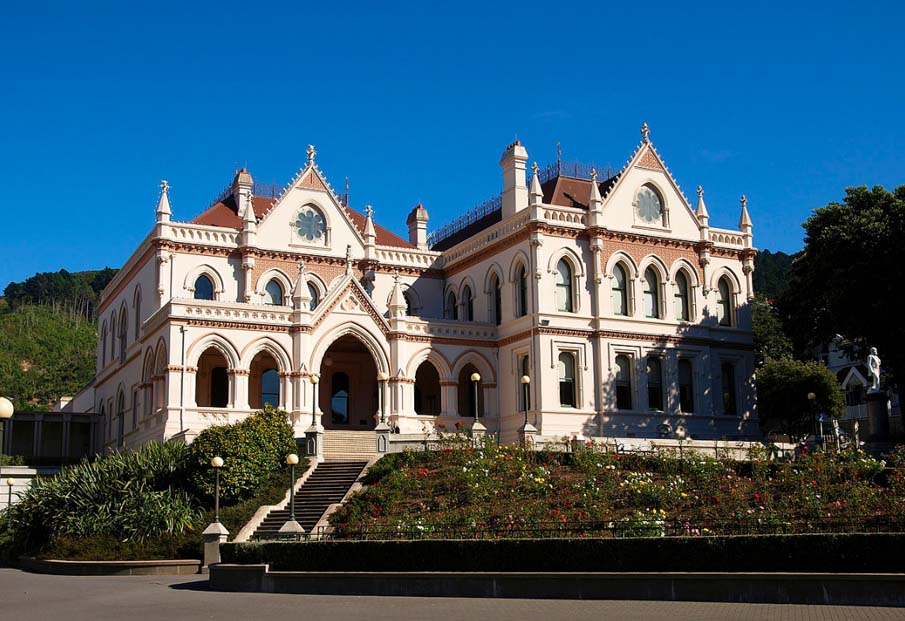
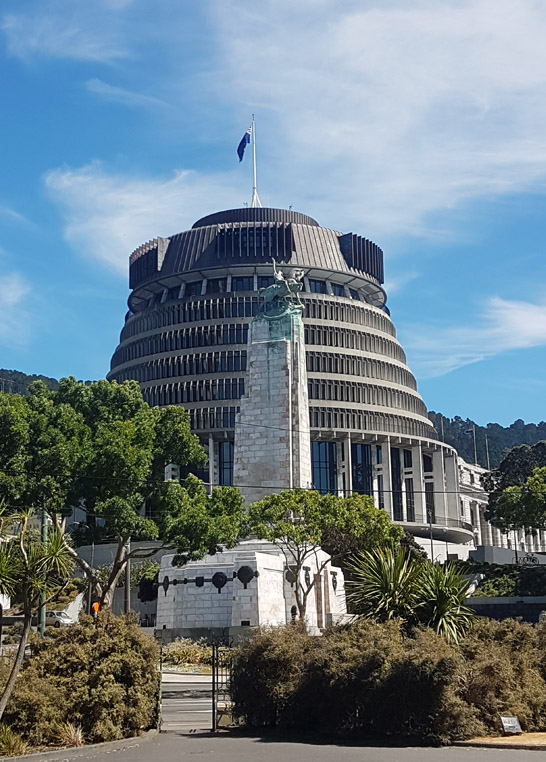
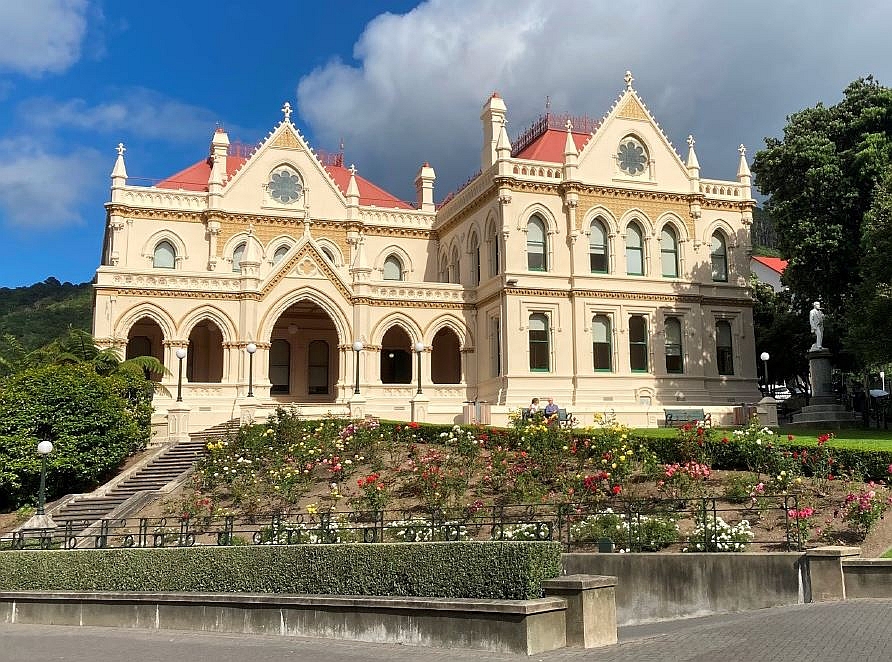
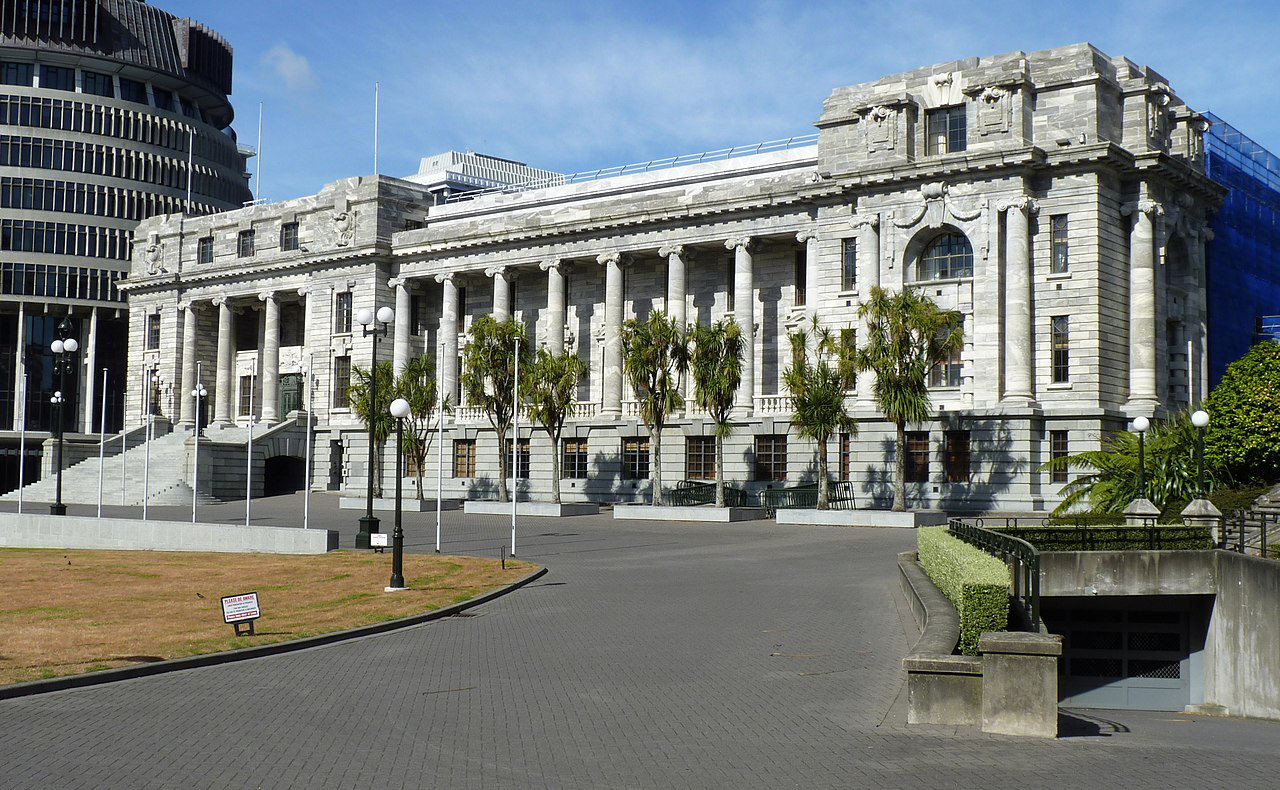
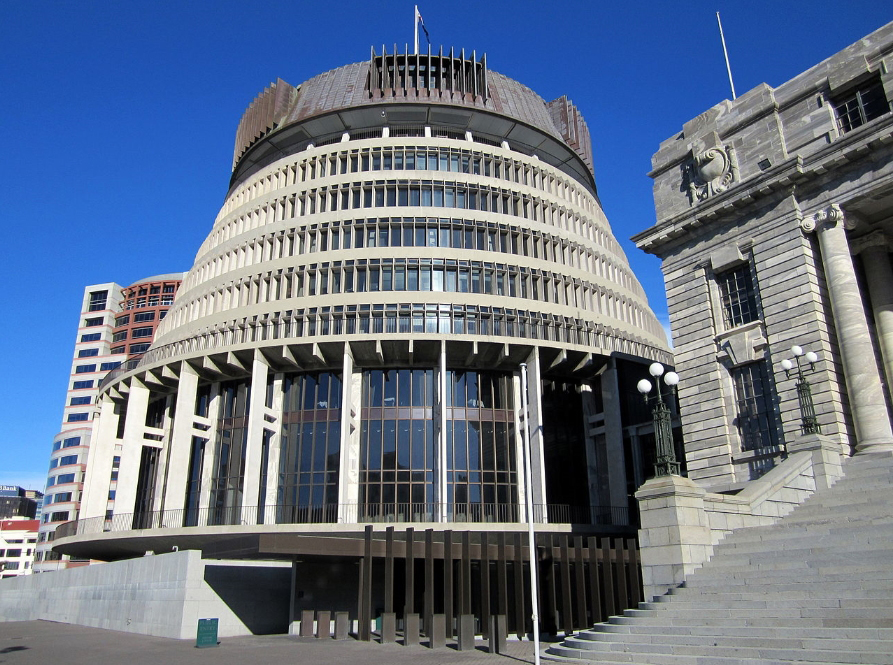
The ornate Parliamentary Library (completed 1899) is now the oldest building within Parliament Grounds, and is considered one of the country’s architectural treasures for its Gothic design and high quality workmanship. Next to it is the Edwardian neo-classical Parliament House (completed 1922), designed after a fire in 1907 ravaged the existing building. Only half of John Campbell and Claude Paton’s grand, imposing design was ever built, and there was much debate in the ensuing decades about whether the original design should be completed or a modern addition built. The result was the construction of the Executive Wing, better known as the Beehive (built 1969-1981), now one of New Zealand’s most iconic modernist buildings.
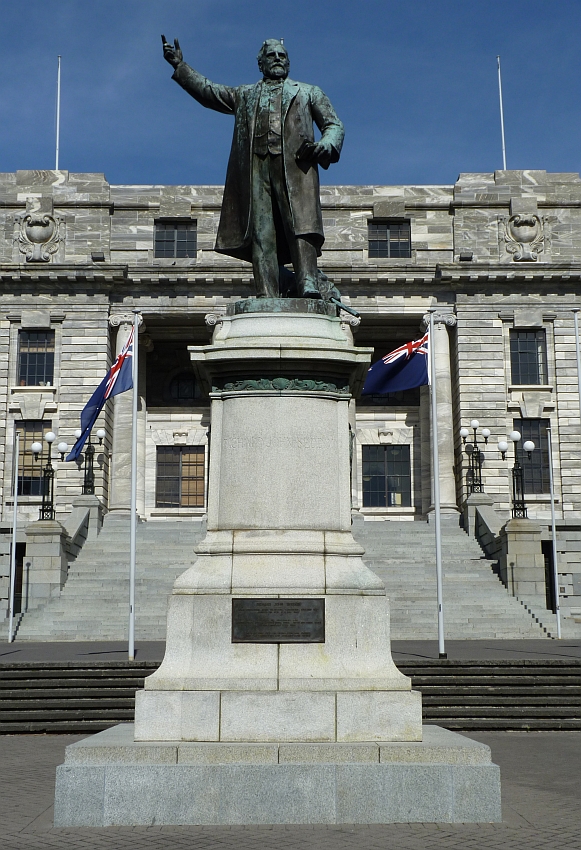
Parliament Grounds is itself a nationally significant public space of political protest and celebration. Since the 1860s the landscaped lawns in front of the three parliamentary buildings have been a fundamental place for the public to interact with the political system, and demonstrate the principles that are important to our society. Many petitions have been presented on the steps of Parliament House, and it is regularly the destination of protest marches about a wide range of issues. Important demonstrations include those about voting rights – the campaign for women’s suffrage presented there resulted in New Zealand being the first place in the world where women could vote in general elections; a nuclear-free New Zealand; homosexual law reform; anti-apartheid; workers’ rights and for peace.
It is a culturally and socially important place for Māori, and notable protests against land grievances have been brought to Parliament, including the 5000-strong hikoi (march) led by Dame Whina Cooper in 1975, and the 2004 and 2011 protests around access to and ownership of the foreshore. The grounds are an integral element – the marae atea – of the functioning of the Parliamentary Precinct as a marae of the people of New Zealand. Crowds also gather there for civic celebrations, to honour dignitaries, and receive important news.
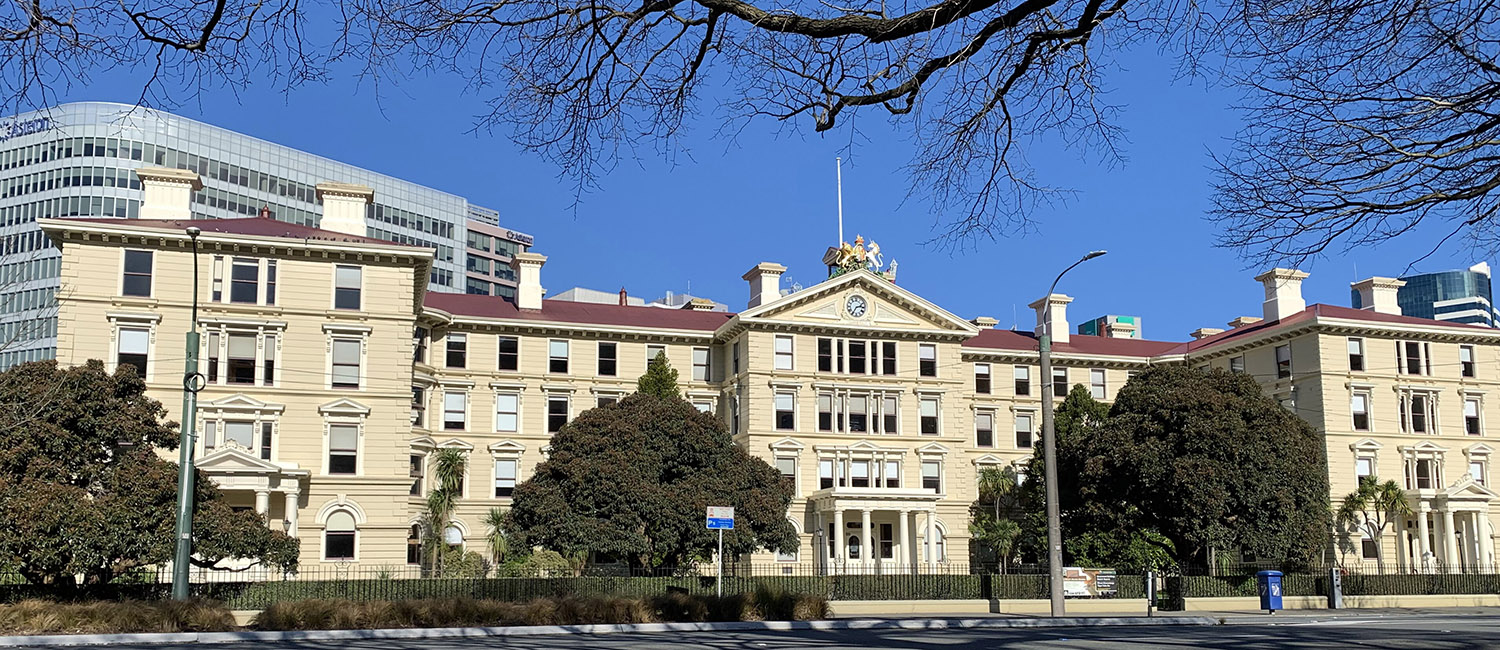
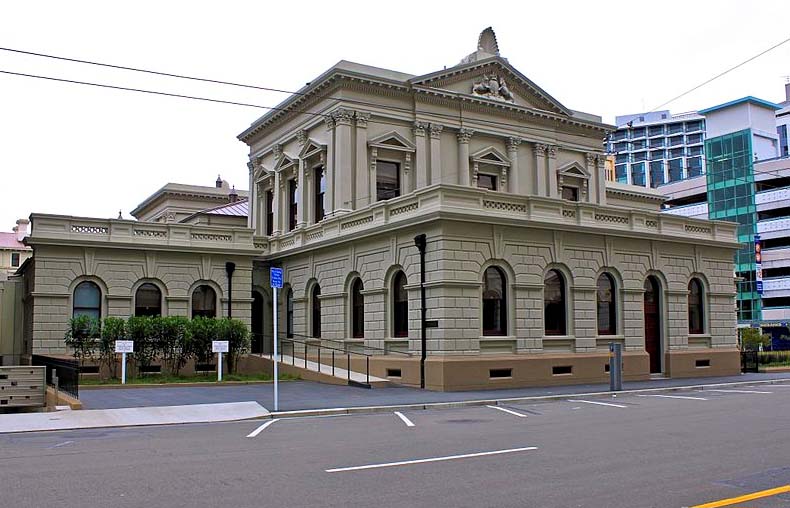
Beyond the Parliamentary Precinct many of the historic area’s buildings were built on reclaimed land. The earliest example is the 1876 former Government Buildings, which housed the Wellington-based public service as well as the Parliamentary executive (including Cabinet). It is one of the great wooden buildings of the world. Across Whitmore Street, the magnificent Old High Court (formerly known as the Supreme Court) was Wellington’s first masonry public building, built 1879-1881. Following its conservation in 2007-2009 it is now an integral part of the new Supreme Court complex, and the relationship between the two buildings is communicated through complementary design features.
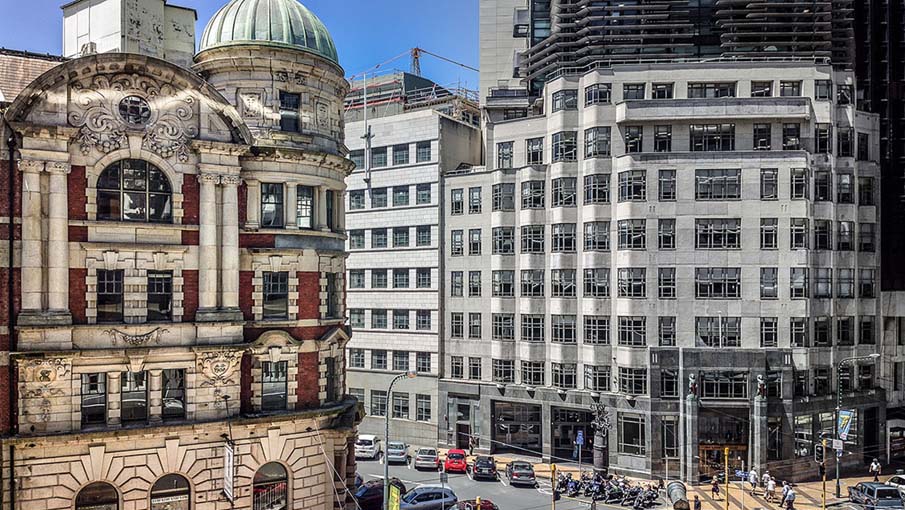
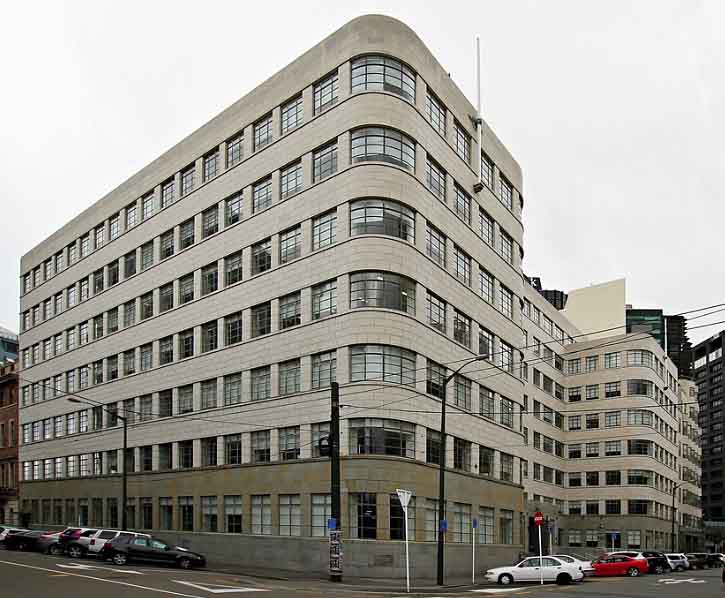
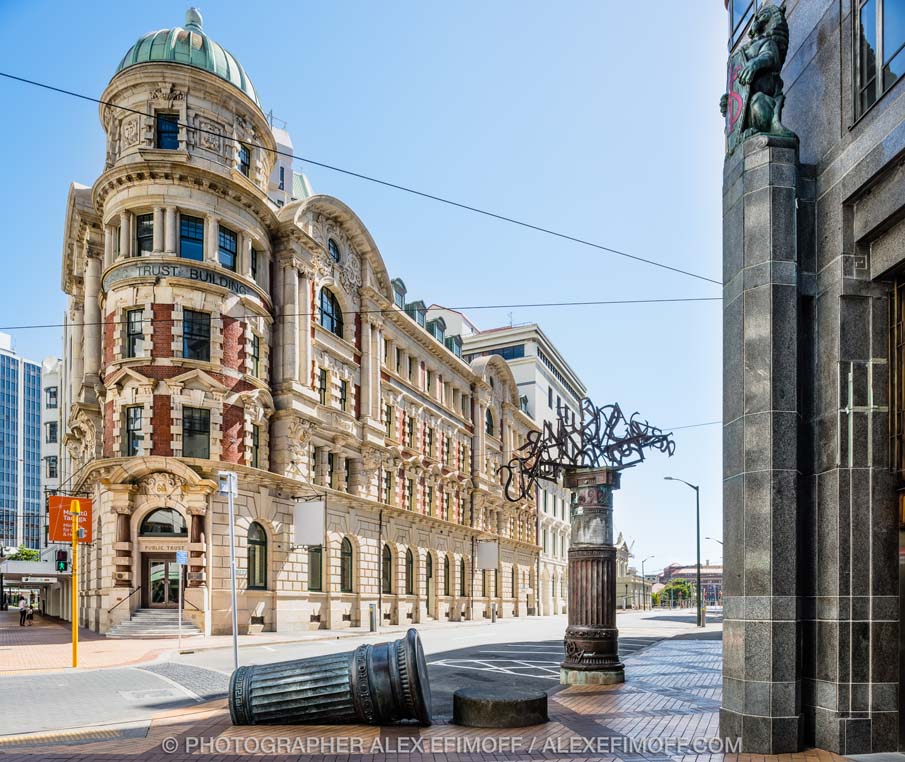
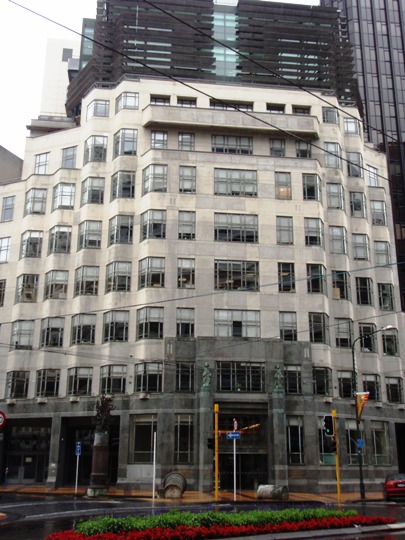
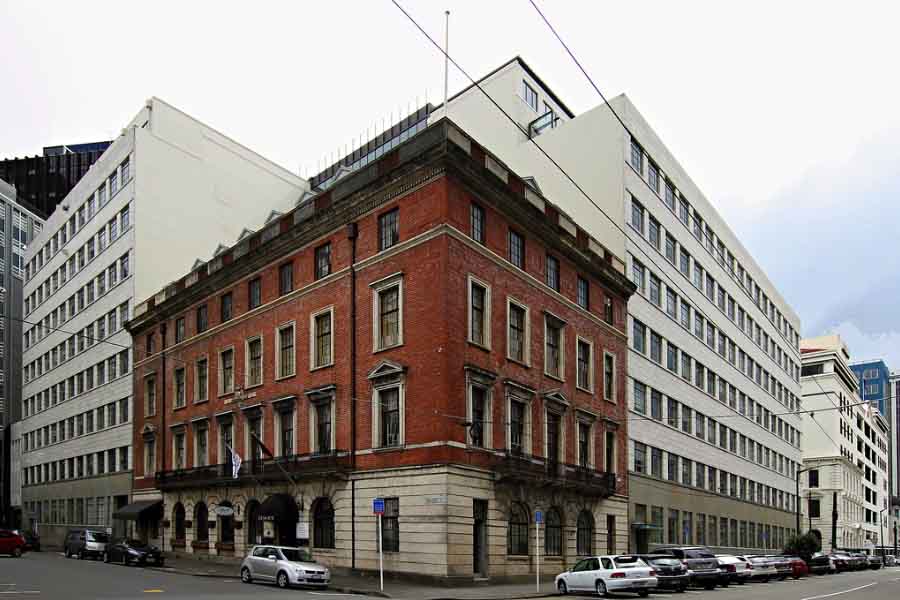
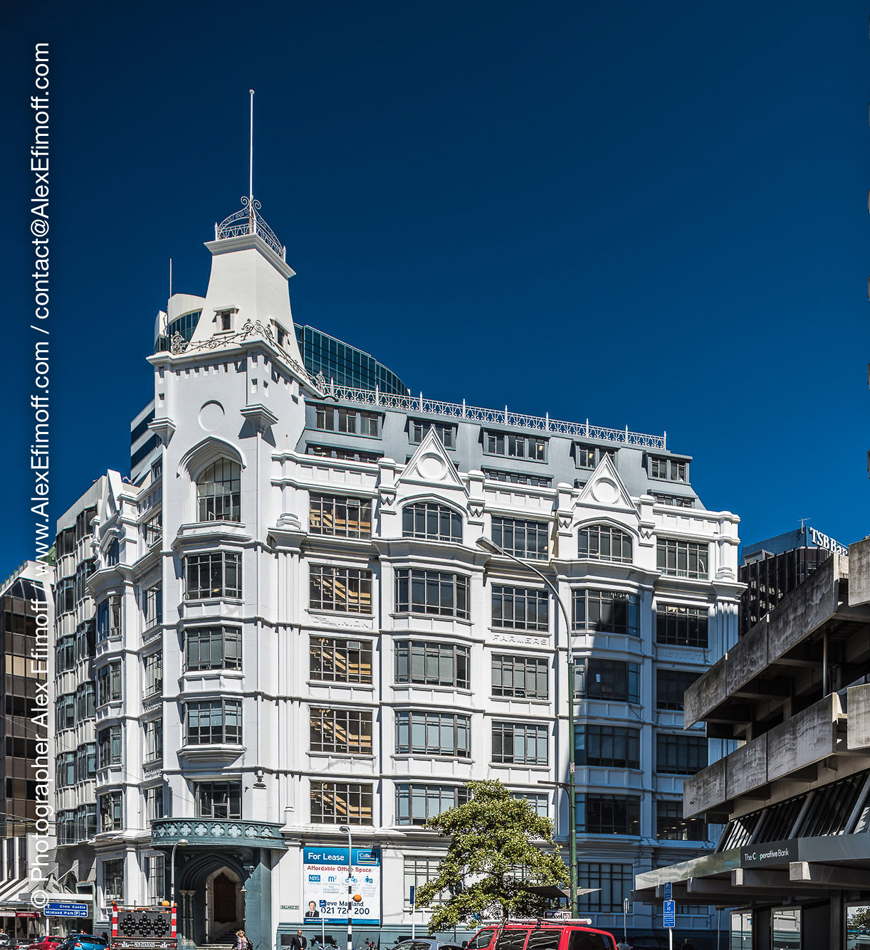
Other highly significant buildings include the former Public Trust Office Building (1908), an outstanding example of Edwardian Baroque architecture; and facing it across Stout Street, two of the city’s earliest examples of modern movement architecture: the State Insurance Building (1942) with its striking corrugated corner façade, and the Departmental Building. The State Insurance Building is now home to Te Puni Kokiri, the Ministry of Maori Development. The Departmental Building was built in 1940 and housed the New Zealand Defence Force for over 65 years; currently the Ministry of Business, Innovation and Employment continues the history of government tenancy. It became well-recognised during the 1980s when it starred in the television series Gliding On. The Dominion Farmers Building on Featherston Street was also occupied by the public service in previous years, including the Reserve Bank and the Ministry of Agriculture.
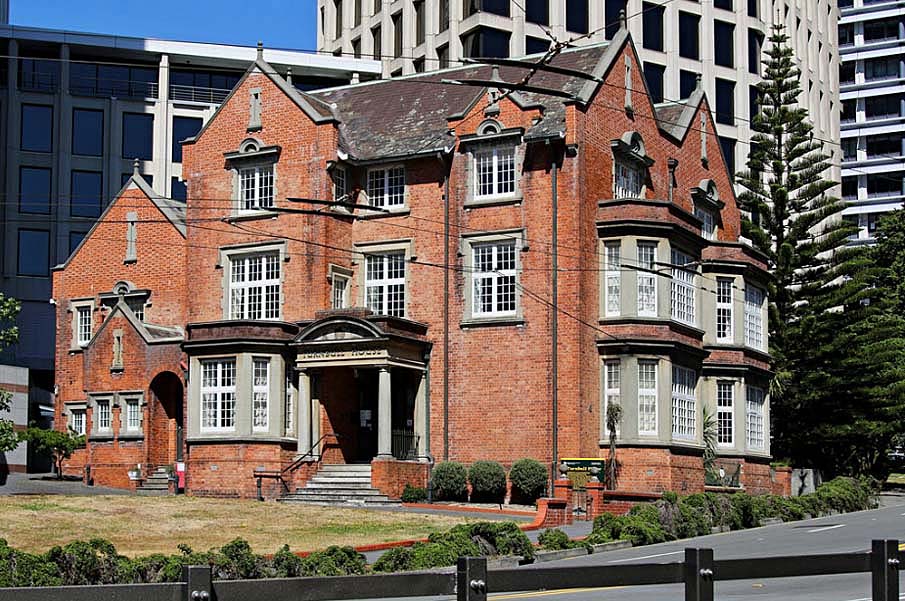
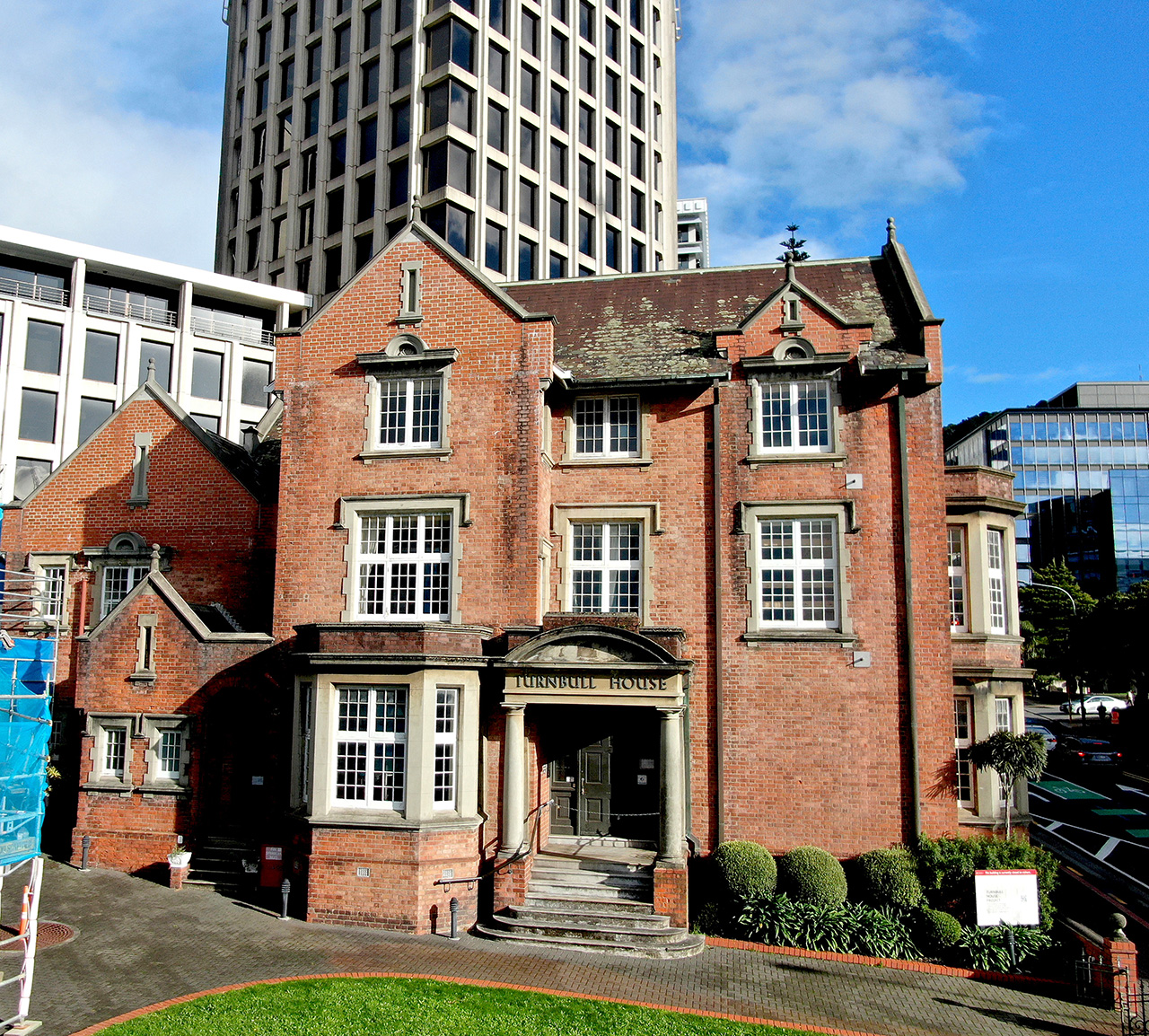
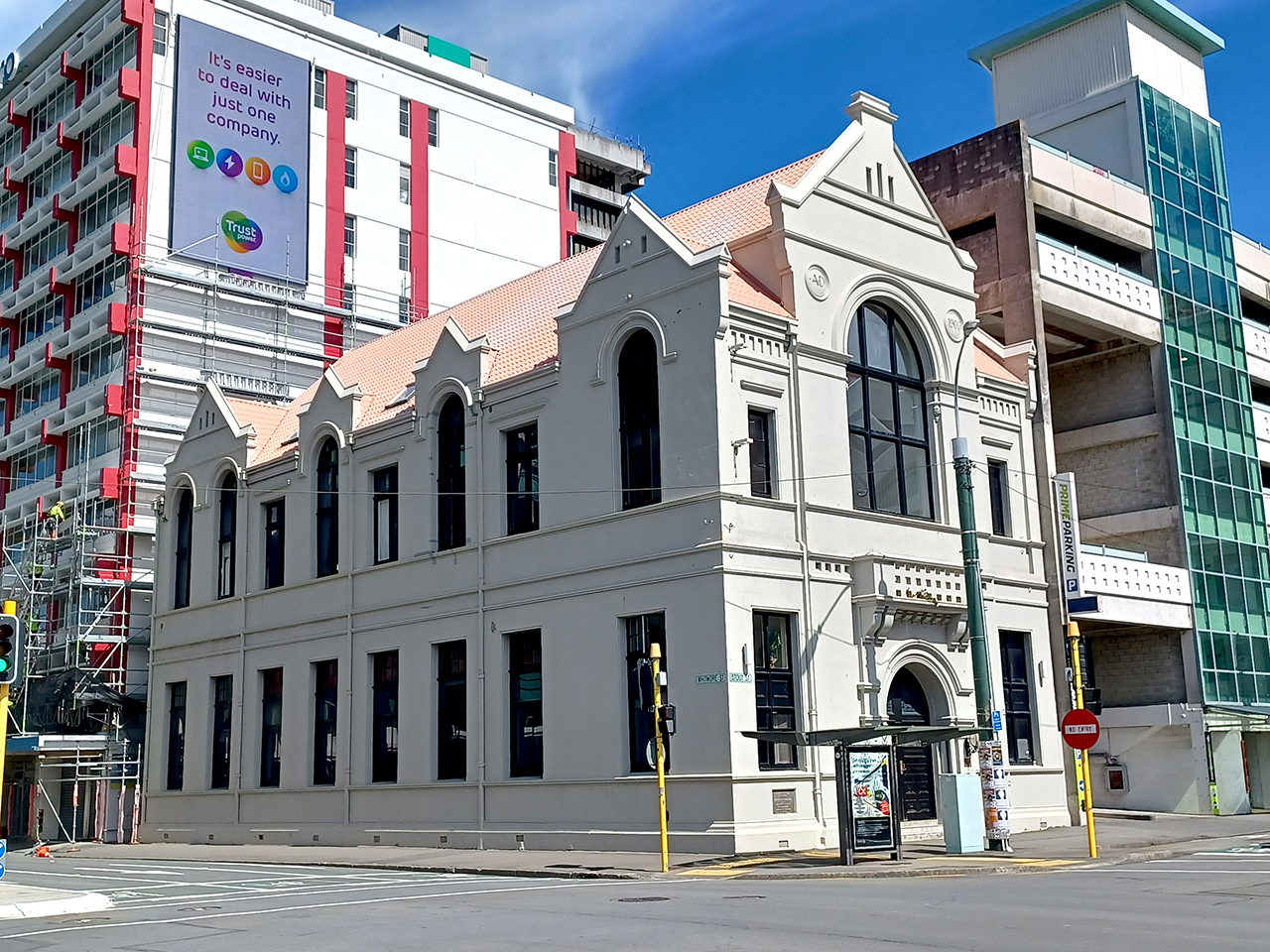
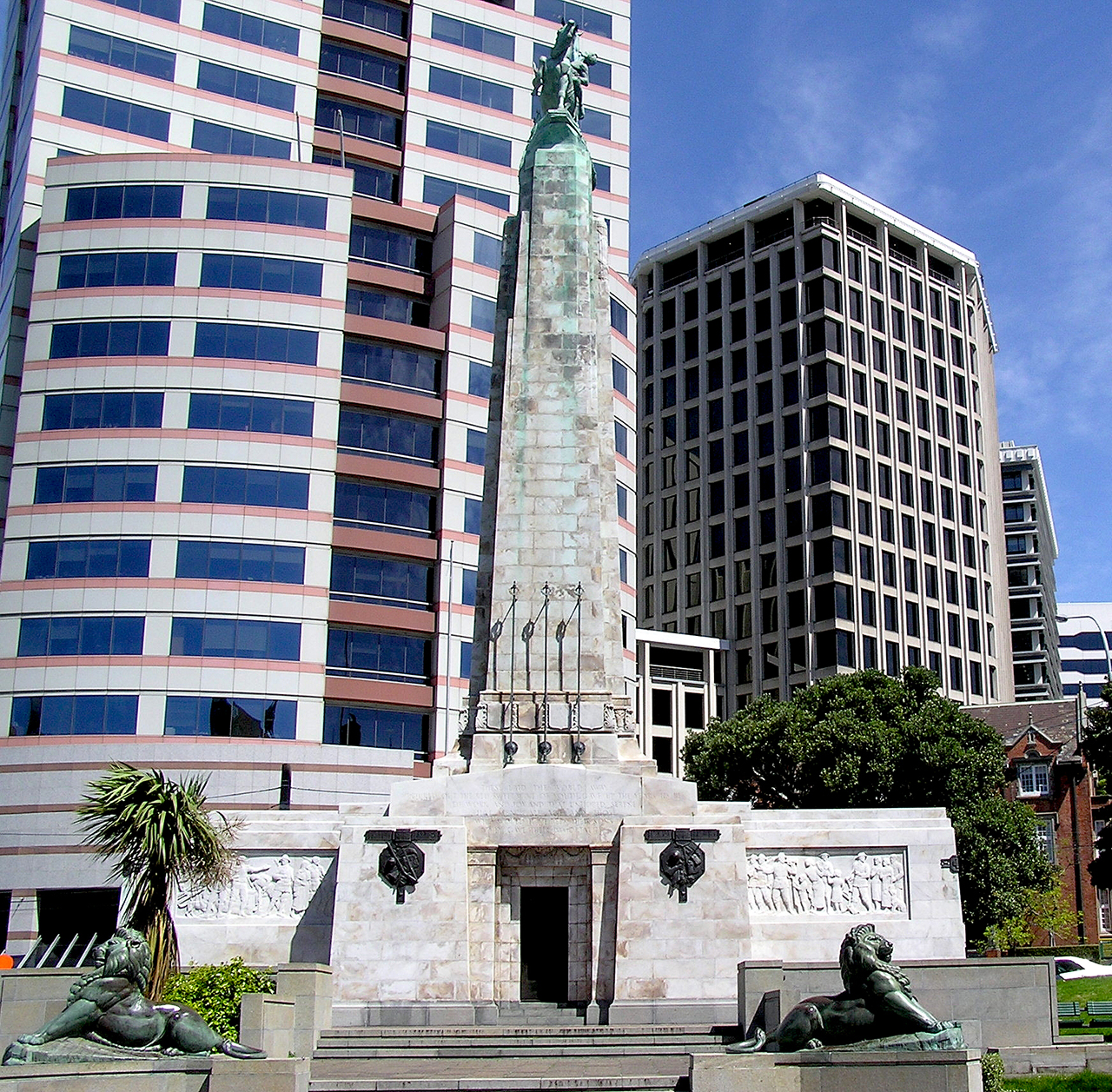
Backing on to the Departmental Building is the Wellesley Club (built 1927). This prestigious gentlemen’s club provided a place for its members – many of whom worked in politics, the judiciary or government administration – to relax and socialise in the old English tradition. Turnbull House on Bowen Street was purchased by the government in 1920 to open noted book collector Alexander Turnbull’s exceptional library to the public; it was the home of this internationally renowned research library for its first 55 years. The Missions to Seamen Building (built in 1904 in a Romanesque-Classical style) is also an important architectural contributor to the distinct heritage character of the Government Centre Historic Area, and the Cenotaph has provided a central place for civic commemorations of New Zealand’s fallen since 1932.
When Europeans first came to the harbour known to tangata whenua as Te Whanganui-a-Tara, the future site of Parliament was a clay hillside and swampy ground between two streams, neighboured by the Māori settlements of Pipitea Pā and Kumutoto Kainga. From the beginning of organised British colonisation in 1840, Colonel Wakefield, leader of the New Zealand Company, earmarked the hillside for government purposes. When Auckland was made the country’s capital instead, the Wellington site accommodated the Governor’s House, and in 1857-1858, purpose-built Provincial Chambers were constructed there too. This building was designed to have two large chambers suitable for accommodating Parliament, should it ever be persuaded to relocate.
In 1865 Wellington’s wish was granted, and the capital was moved there because of its location in the centre of the country. The former Provincial Council buildings were enlarged, but major development of the area was needed to accommodate the administration of the three branches of government: the legislature (Parliament), the executive (ministers of the Crown and their government departments), and the judiciary (the court system); as well as related quasi-governmental functions.
The ornate Parliamentary Library (completed 1899) is now the oldest building within Parliament Grounds, and is considered one of the country’s architectural treasures for its Gothic design and high quality workmanship. Next to it is the Edwardian neo-classical Parliament House (completed 1922), designed after a fire in 1907 ravaged the existing building. Only half of John Campbell and Claude Paton’s grand, imposing design was ever built, and there was much debate in the ensuing decades about whether the original design should be completed or a modern addition built. The result was the construction of the Executive Wing, better known as the Beehive (built 1969-1981), now one of New Zealand’s most iconic modernist buildings.
Parliament Grounds is itself a nationally significant public space of political protest and celebration. Since the 1860s the landscaped lawns in front of the three parliamentary buildings have been a fundamental place for the public to interact with the political system, and demonstrate the principles that are important to our society. Many petitions have been presented on the steps of Parliament House, and it is regularly the destination of protest marches about a wide range of issues. Important demonstrations include those about voting rights – the campaign for women’s suffrage presented there resulted in New Zealand being the first place in the world where women could vote in general elections; a nuclear-free New Zealand; homosexual law reform; anti-apartheid; workers’ rights and for peace.
It is a culturally and socially important place for Māori, and notable protests against land grievances have been brought to Parliament, including the 5000-strong hikoi (march) led by Dame Whina Cooper in 1975, and the 2004 and 2011 protests around access to and ownership of the foreshore. The grounds are an integral element – the marae atea – of the functioning of the Parliamentary Precinct as a marae of the people of New Zealand. Crowds also gather there for civic celebrations, to honour dignitaries, and receive important news.
Beyond the Parliamentary Precinct many of the historic area’s buildings were built on reclaimed land. The earliest example is the 1876 former Government Buildings, which housed the Wellington-based public service as well as the Parliamentary executive (including Cabinet). It is one of the great wooden buildings of the world. Across Whitmore Street, the magnificent Old High Court (formerly known as the Supreme Court) was Wellington’s first masonry public building, built 1879-1881. Following its conservation in 2007-2009 it is now an integral part of the new Supreme Court complex, and the relationship between the two buildings is communicated through complementary design features.
Other highly significant buildings include the former Public Trust Office Building (1908), an outstanding example of Edwardian Baroque architecture; and facing it across Stout Street, two of the city’s earliest examples of modern movement architecture: the State Insurance Building (1942) with its striking corrugated corner façade, and the Departmental Building. The State Insurance Building is now home to Te Puni Kokiri, the Ministry of Maori Development. The Departmental Building was built in 1940 and housed the New Zealand Defence Force for over 65 years; currently the Ministry of Business, Innovation and Employment continues the history of government tenancy. It became well-recognised during the 1980s when it starred in the television series Gliding On. The Dominion Farmers Building on Featherston Street was also occupied by the public service in previous years, including the Reserve Bank and the Ministry of Agriculture.
Backing on to the Departmental Building is the Wellesley Club (built 1927). This prestigious gentlemen’s club provided a place for its members – many of whom worked in politics, the judiciary or government administration – to relax and socialise in the old English tradition. Turnbull House on Bowen Street was purchased by the government in 1920 to open noted book collector Alexander Turnbull’s exceptional library to the public; it was the home of this internationally renowned research library for its first 55 years. The Missions to Seamen Building (built in 1904 in a Romanesque-Classical style) is also an important architectural contributor to the distinct heritage character of the Government Centre Historic Area, and the Cenotaph has provided a central place for civic commemorations of New Zealand’s fallen since 1932.