DonateMembershipVisit Heritage
  • Tūrangawaewae
    Places
  • Tira Māori
    Māori Heritage
  • Poutairangahia
    Archaeology
  • Rauemi
    Resources
  • Mō Tātou
    About Us
  • New Zealand Heritage List
  • Nominate and submit
  • Explore the List
  • National Historic Landmarks
  • Plaques
  • Rainbow List Project
  • Lost heritage
  • Visit Heritage
  • Our properties
  • Turnbull House Project
  • Collections
  • Shop
  • Tohu Whenua
  • Tira Māori
  • Conserving Māori heritage
  • Marae built heritage
  • Māori heritage on the List
  • Hinemihi—Te Hokinga Mai
  • What is archaeology?
  • Is there a site on my property?
  • What are my legal requirements?
  • Affecting an archaeological site
  • Declaring an archaeological site
  • Archaeology FAQs
  • Archaeology Digital Library
  • Archaeology guidelines and templates
  • Resources
  • Funding
  • Publications
  • Sustainable management guides
  • Disaster recovery
  • Podcasts & digital resources
  • Education Hub
  • Conservation plans
  • About
  • Board
  • Māori Heritage Council
  • Senior Staff
  • Offices
  • Contact us
  • Careers
  • Covenants
  • Fast-track
  • Corporate documents
  • Currently consulting on
  • Our submissions
  • News
  • Covid-19 response
Quick links
Rārangi Kōrero | The List
Explore the List
National Historic Landmarks
Ngā Manawhenua o Aotearoa me ōna Kōrero Tūturu
Quick links
Tapuwae
A Vision for Places of Māori Heritage
Funding for Māori Heritage
Resources
Quick links
Archaeological Authority Portal
Applying for an archaeological authority
Archaeology FAQs
Browse the most frequently asked questions about archaeological authorities and the archaeological process.
Quick links
Quick links
News
News Keep up to date with Heritage New Zealand Pouhere Taonga
Membership
Membership Find out more and sign up today
DonateMembershipVisit Heritage
  • Tūrangawaewae
    Places
  • Tira Māori
    Māori Heritage
  • Poutairangahia
    Archaeology
  • Rauemi
    Resources
  • Mō Tātou
    About Us
  • New Zealand Heritage List
  • Nominate and submit
  • Explore the List
  • National Historic Landmarks
  • Plaques
  • Rainbow List Project
  • Lost heritage
  • Visit Heritage
  • Our properties
  • Turnbull House Project
  • Collections
  • Shop
  • Tohu Whenua
  • Tira Māori
  • Conserving Māori heritage
  • Marae built heritage
  • Māori heritage on the List
  • Hinemihi—Te Hokinga Mai
  • What is archaeology?
  • Is there a site on my property?
  • What are my legal requirements?
  • Affecting an archaeological site
  • Declaring an archaeological site
  • Archaeology FAQs
  • Archaeology Digital Library
  • Archaeology guidelines and templates
  • Resources
  • Funding
  • Publications
  • Sustainable management guides
  • Disaster recovery
  • Podcasts & digital resources
  • Education Hub
  • Conservation plans
  • About
  • Board
  • Māori Heritage Council
  • Senior Staff
  • Offices
  • Contact us
  • Careers
  • Covenants
  • Fast-track
  • Corporate documents
  • Currently consulting on
  • Our submissions
  • News
  • Covid-19 response
Quick links
Rārangi Kōrero | The List
Explore the List
National Historic Landmarks
Ngā Manawhenua o Aotearoa me ōna Kōrero Tūturu
Quick links
Tapuwae
A Vision for Places of Māori Heritage
Funding for Māori Heritage
Resources
Quick links
Archaeological Authority Portal
Applying for an archaeological authority
Archaeology FAQs
Browse the most frequently asked questions about archaeological authorities and the archaeological process.
Quick links
Quick links
News
News Keep up to date with Heritage New Zealand Pouhere Taonga
Membership
Membership Find out more and sign up today
  • Places
  • Nominate and submit
  • National Historic Landmarks
  • Places
  • Nominate and submit
  • National Historic Landmarks
  • Tira Māori
  • Conserving Māori heritage
  • Marae built heritage
  • Tira Māori
  • Conserving Māori heritage
  • Marae built heritage
  • Archaeological authorities
  • Archaeology Digital Library
  • Archaeological authorities
  • Archaeology Digital Library
  • All resources
  • Publications
  • Funding
  • All resources
  • Publications
  • Funding
  • FAQs
  • FAQs
Follow us on:
Places
  • Places
  • Nominate and submit
  • National Historic Landmarks
Tira Māori
  • Tira Māori
  • Conserving Māori heritage
  • Marae built heritage
Archaeology
  • Archaeological authorities
  • Archaeology Digital Library
Resources
  • All resources
  • Publications
  • Funding
FAQs
  • FAQs
Follow us on
HomePrivacyTerms and conditionsAbout this site
© Heritage New Zealand Pouhere Taonga 2026.
 
Wellesley Club (Former)

2-8 Maginnity Street, WELLINGTON

Private

Historic Place Category 1

List No. 233

Quick links:
List GalleryLocationDetails
The Wellesley Club in central Wellington is a five-storey neo-Georgian building that was built 1925-1927 to house the gentlemen’s club of the same name. Officially opened in 1927, the building has considerable historical, aesthetic, architectural, and social significance. It is an award-winning example of neo-Georgian architecture and a fine example of the architecture of gentlemen’s clubs. The Wellesley Club also has value because of its association with people of importance in New Zealand history who were members of the club, including prominent Wellington architect William Gray Young (1885-1962) who designed the building. It is a significant element in Wellington’s Government Centre Historic Area.

In 1891, the Junior Wellington Club Company Limited was formed, changing its name to Wellesley in 1898 to distinguish it from the Wellington Club. Wellesley was the family name of the Duke of Wellington, after whom the city of Wellington was named. The Wellesley Club building was the Club’s fourth premises and the second to be purpose-built for the club, a move forced by a growing membership. Among the members of the club were a number of influential men such as the club’s first president Sir Francis Henry Dillon Bell, Sir Joseph Ward, and Sir Maui Pomare. A number of club members also represented New Zealand at sport, such as H. D. Thomson, member of the 1905 ‘Originals’ All Blacks team.

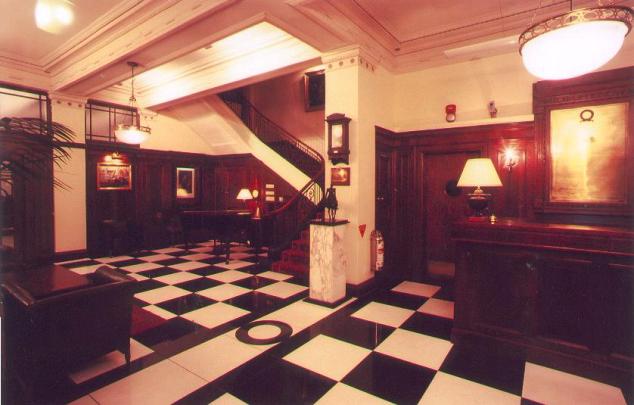
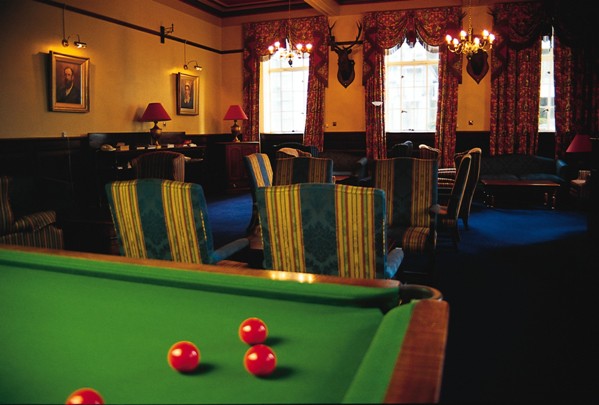
Land on the corner of Maginnity and Ballance Streets was purchased in 1925 and the foundation stone was laid on 31 October 1925 by Sir Charles Skerrett (1863-1929), the club’s second president. A contract for the building worth £33,627 was signed with Trevor Brothers and construction was completed early 1927. The building is constructed of reinforced concrete and faced with English bonded brickwork. Each of the floors features a different style of window and the ground floor is rusticated. Inside, the building originally followed the form of the English gentlemen’s club, featuring a billiard room, card rooms, reading rooms, lounges, bars and dining rooms. In addition, the upper storey included bedrooms, allowing the club to become a residential club for the first time in its history. Other interior features include an impressive staircase and wood panelling. Gray Young designed a number of buildings in the neo-Georgian style but it was for the Wellesley Club that he won the New Zealand Institute of Architects Gold Medal in 1932.

For fifty years after its erection, the building was little altered. In 1996, membership had fallen to 400, leading to the sale of the building. The building closed for refurbishment, reopening in late 1997 as the Wellesley Boutique Hotel, with the club continuing to use the building’s facilities. The building was sold again in 2009 and became the new home of Westminster Masonic Lodge. In 2014, the Wellesley Club moved out of the building, but the Wellesley Boutique Hotel and its bar, restaurant and café, continues to operate. The building is a fine example of a club building and it provides an insight into gentlemen’s clubs, a British institution transplanted to New Zealand. It is a particularly fine example of Gray Young’s work in the Georgian style.
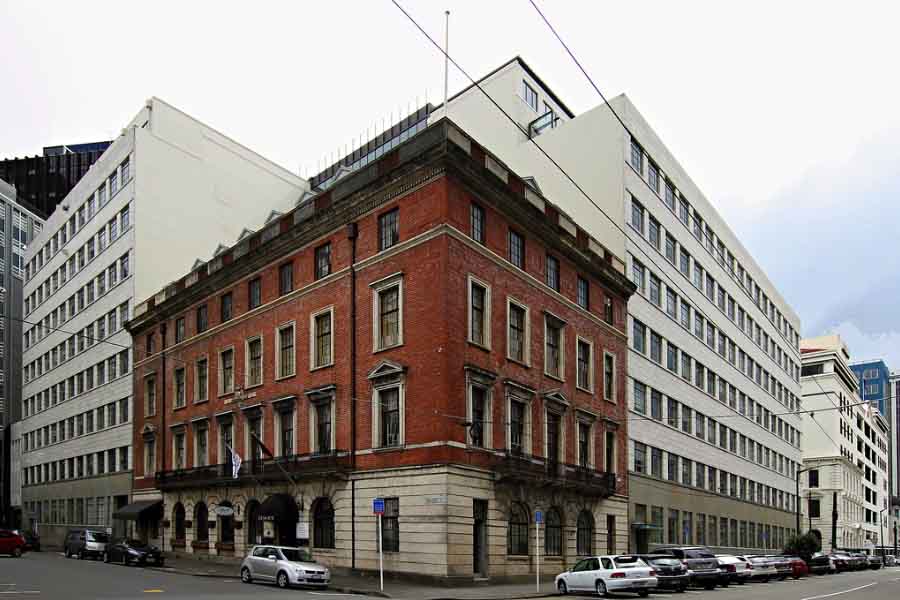
Wellesley Club (Former). Image courtesy of www.flickr.com | Minicooperd – Paul Le Roy | 04/10/2014 | Minicooperd – Paul Le Roy
Wellesley Club (Former). The foyer | 25/11/2007 | The Wellesley
Wellesley Club (Former). Guest lounge | 25/11/2007 | The Wellesley
Wellesley Club (Former). Image courtesy of www.flickr.com | Minicooperd – Paul Le Roy | 04/10/2014 | Minicooperd – Paul Le Roy
Wellesley Club (Former). The foyer | 25/11/2007 | The Wellesley
Wellesley Club (Former). Guest lounge | 25/11/2007 | The Wellesley

List Entry Information

Overview

Status
Listed

List Entry Status
Historic Place Category 1

Access
Private/No Public Access

List Number
233

Date Entered
18th March 1982

Date of Effect
18th March 1982

City/District Council
Wellington City

Region
Wellington Region

Extent of List Entry

Extent includes the land described as Sec 2 Blk V Thorndon Reclamation (RT WN319/192), Wellington Land District, and the building known as the Wellesley Club thereon.

Legal description

Sec 2 Blk V Thorndon Reclamation (RT WN319/192), Wellington Land District

Detailed List Entry

Construction Professional

Name

Trevor Brothers

Type

Builder

Biography

No biography is currently available for this construction professional

Name

Young, William G

Type

Architect

Biography

William Gray Young (1885-1962) was born in Oamaru. When he was a child his family moved to Wellington where he was educated. After leaving school he was articled to the Wellington architectural firm of Crichton and McKay. In 1906 he won a competition for the design of Knox College, Dunedin, and shortly after this he commenced practice on his own account. He became a prominent New Zealand architect and during a career of 60 years he designed over 500 buildings. His major buildings include the Wellington and Christchurch Railway Stations (1936 and 1954 respectively), Scot's College (1919), Phoenix Assurance Building (1930) and the Australian Mutual Provident Society (AMP) Chambers (1950). At Victoria University College of Wellington he was responsible for the Stout (1930), Kirk (1938), and Easterfield (1957) buildings, and Weir House (1930). Gray Young also achieved recognition for his domestic work such as the Elliott House Wellington, (1913). His design for the Wellesley Club (1925) earned him the Gold Medal of the New Zealand Institute of Architects in 1932. He was elected a Fellow of the Institute in 1913, served on the executive committee from 1914-35 and was President from 1935-36. He was also elected a Fellow of the Royal Institute of British Architects, and achieved prominence in public affairs.

Construction Details

Start Year

1925

Finish Year

1927

Type

Original Construction

Start Year

1997

Type

Refurbishment/renovation

Description

Building closed for refurbishment; reopened as a hotel

Reference

Completion Date

21st October 2015

Report Written By

Natalie Marshall

Information Sources

Dictionary of New Zealand Biography

Dictionary of New Zealand Biography

Dominion Post

Dominion Post, Wellington

Dominion Post

Dominion Post, Wellington

Evening Post

Evening Post, 27 Jun 1919, p.7.

Evening Post

Evening Post, 27 Jun 1919, p.7.

Bowron and Gatley, 1996

Bowron, Greg and Julia Gatley, The Wellesley Club Cultural Heritage Assessment, New Zealand Historic Places Trust, Wellington, 1996

Manning, 1991

Manning, Arthur, The Wellesley Club, 1891–1991, Wellesley Club, Wellington, 1991

Treadwell, 1954

Treadwell, C. A. L., The Wellesley Club 1891-1953,Whitcombe & Tombs Ltd, Wellington, 1954

Report Written By

This place was identified as significant under previous legislation with different information requirements. It remains significant under the current legislation. There is opportunity under our legislation and policies to add to this information. Further information about this place may be available from the Central Regional Office of Heritage New Zealand Pouhere Taonga. NZIA Gold Award Winners 1932 Please note that entry on the New Zealand Heritage List/Rarangi Korero identifies only the heritage values of the property concerned, and should not be construed as advice on the state of the property, or as a comment of its soundness or safety, including in regard to earthquake risk, safety in the event of fire, or insanitary conditions. A fully referenced upgrade report is available on request from the Central Region Office of Heritage New Zealand

Further Information

Current Usages

Uses: Accommodation

Specific Usage: Hotel

Uses: Trade

Specific Usage: Pub/bar/tavern/public hotel

Uses: Trade

Specific Usage: Restaurant/cafe/tearoom

Former Usages

General Usage:: Civic Facilities

Specific Usage: Club rooms/building

Themes

Web Links

description:

url: http://www.wellesleyboutiquehotel.co.nz/

Overview

Status

Listed

List Entry Status

Historic Place Category 1

Access

Private/No Public Access

List Number

233

Date Entered

18th March 1982

Date of Effect

18th March 1982

City/District Council

Wellington City

Region

Wellington Region

Extent of List Entry

Extent includes the land described as Sec 2 Blk V Thorndon Reclamation (RT WN319/192), Wellington Land District, and the building known as the Wellesley Club thereon.

Legal description

Sec 2 Blk V Thorndon Reclamation (RT WN319/192), Wellington Land District

Status

Listed

List Entry Status

Historic Place Category 1

Access

Private/No Public Access

List Number

233

Date Entered

18th March 1982

Date of Effect

18th March 1982

City/District Council

Wellington City

Region

Wellington Region

Extent of List Entry

Extent includes the land described as Sec 2 Blk V Thorndon Reclamation (RT WN319/192), Wellington Land District, and the building known as the Wellesley Club thereon.

Legal description

Sec 2 Blk V Thorndon Reclamation (RT WN319/192), Wellington Land District

Construction Information

Construction Professional

Name

Trevor Brothers

Type

Builder

Biography

No biography is currently available for this construction professional

Name

Young, William G

Type

Architect

Biography

William Gray Young (1885-1962) was born in Oamaru. When he was a child his family moved to Wellington where he was educated. After leaving school he was articled to the Wellington architectural firm of Crichton and McKay. In 1906 he won a competition for the design of Knox College, Dunedin, and shortly after this he commenced practice on his own account. He became a prominent New Zealand architect and during a career of 60 years he designed over 500 buildings. His major buildings include the Wellington and Christchurch Railway Stations (1936 and 1954 respectively), Scot's College (1919), Phoenix Assurance Building (1930) and the Australian Mutual Provident Society (AMP) Chambers (1950). At Victoria University College of Wellington he was responsible for the Stout (1930), Kirk (1938), and Easterfield (1957) buildings, and Weir House (1930). Gray Young also achieved recognition for his domestic work such as the Elliott House Wellington, (1913). His design for the Wellesley Club (1925) earned him the Gold Medal of the New Zealand Institute of Architects in 1932. He was elected a Fellow of the Institute in 1913, served on the executive committee from 1914-35 and was President from 1935-36. He was also elected a Fellow of the Royal Institute of British Architects, and achieved prominence in public affairs.

Construction Details

Start Year

1925

Finish Year

1927

Type

Original Construction

Start Year

1997

Type

Refurbishment/renovation

Description

Building closed for refurbishment; reopened as a hotel

Construction Professional

Name

Trevor Brothers

Type

Builder

Biography

No biography is currently available for this construction professional

Name

Young, William G

Type

Architect

Biography

William Gray Young (1885-1962) was born in Oamaru. When he was a child his family moved to Wellington where he was educated. After leaving school he was articled to the Wellington architectural firm of Crichton and McKay. In 1906 he won a competition for the design of Knox College, Dunedin, and shortly after this he commenced practice on his own account. He became a prominent New Zealand architect and during a career of 60 years he designed over 500 buildings. His major buildings include the Wellington and Christchurch Railway Stations (1936 and 1954 respectively), Scot's College (1919), Phoenix Assurance Building (1930) and the Australian Mutual Provident Society (AMP) Chambers (1950). At Victoria University College of Wellington he was responsible for the Stout (1930), Kirk (1938), and Easterfield (1957) buildings, and Weir House (1930). Gray Young also achieved recognition for his domestic work such as the Elliott House Wellington, (1913). His design for the Wellesley Club (1925) earned him the Gold Medal of the New Zealand Institute of Architects in 1932. He was elected a Fellow of the Institute in 1913, served on the executive committee from 1914-35 and was President from 1935-36. He was also elected a Fellow of the Royal Institute of British Architects, and achieved prominence in public affairs.

Construction Details

Start Year

1925

Finish Year

1927

Type

Original Construction

Start Year

1997

Type

Refurbishment/renovation

Description

Building closed for refurbishment; reopened as a hotel

Reference

Historical and Associated Iwi / Hapū / Whānau

Completion Date

21st October 2015

Report Written By

Natalie Marshall

Information Sources

Dictionary of New Zealand Biography

Dictionary of New Zealand Biography

Dominion Post

Dominion Post, Wellington

Dominion Post

Dominion Post, Wellington

Evening Post

Evening Post, 27 Jun 1919, p.7.

Evening Post

Evening Post, 27 Jun 1919, p.7.

Bowron and Gatley, 1996

Bowron, Greg and Julia Gatley, The Wellesley Club Cultural Heritage Assessment, New Zealand Historic Places Trust, Wellington, 1996

Manning, 1991

Manning, Arthur, The Wellesley Club, 1891–1991, Wellesley Club, Wellington, 1991

Treadwell, 1954

Treadwell, C. A. L., The Wellesley Club 1891-1953,Whitcombe & Tombs Ltd, Wellington, 1954

Other Information

This place was identified as significant under previous legislation with different information requirements. It remains significant under the current legislation. There is opportunity under our legislation and policies to add to this information. Further information about this place may be available from the Central Regional Office of Heritage New Zealand Pouhere Taonga. NZIA Gold Award Winners 1932 Please note that entry on the New Zealand Heritage List/Rarangi Korero identifies only the heritage values of the property concerned, and should not be construed as advice on the state of the property, or as a comment of its soundness or safety, including in regard to earthquake risk, safety in the event of fire, or insanitary conditions. A fully referenced upgrade report is available on request from the Central Region Office of Heritage New Zealand

Historical and Associated Iwi / Hapū / Whānau

Completion Date

21st October 2015

Report Written By

Natalie Marshall

Information Sources

Dictionary of New Zealand Biography

Dictionary of New Zealand Biography

Dominion Post

Dominion Post, Wellington

Dominion Post

Dominion Post, Wellington

Evening Post

Evening Post, 27 Jun 1919, p.7.

Evening Post

Evening Post, 27 Jun 1919, p.7.

Bowron and Gatley, 1996

Bowron, Greg and Julia Gatley, The Wellesley Club Cultural Heritage Assessment, New Zealand Historic Places Trust, Wellington, 1996

Manning, 1991

Manning, Arthur, The Wellesley Club, 1891–1991, Wellesley Club, Wellington, 1991

Treadwell, 1954

Treadwell, C. A. L., The Wellesley Club 1891-1953,Whitcombe & Tombs Ltd, Wellington, 1954

Other Information

This place was identified as significant under previous legislation with different information requirements. It remains significant under the current legislation. There is opportunity under our legislation and policies to add to this information. Further information about this place may be available from the Central Regional Office of Heritage New Zealand Pouhere Taonga. NZIA Gold Award Winners 1932 Please note that entry on the New Zealand Heritage List/Rarangi Korero identifies only the heritage values of the property concerned, and should not be construed as advice on the state of the property, or as a comment of its soundness or safety, including in regard to earthquake risk, safety in the event of fire, or insanitary conditions. A fully referenced upgrade report is available on request from the Central Region Office of Heritage New Zealand

Further Information

Current Usages

Uses: Accommodation

Specific Usage: Hotel

Uses: Trade

Specific Usage: Pub/bar/tavern/public hotel

Uses: Trade

Specific Usage: Restaurant/cafe/tearoom

Former Usages

General Usage: Civic Facilities

Specific Usage: Club rooms/building

Web Links

description:

url: http://www.wellesleyboutiquehotel.co.nz/

Current Usages

Uses: Accommodation

Specific Usage: Hotel

Uses: Trade

Specific Usage: Pub/bar/tavern/public hotel

Uses: Trade

Specific Usage: Restaurant/cafe/tearoom

Former Usages

General Usage: Civic Facilities

Specific Usage: Club rooms/building

Web Links

description:

url: http://www.wellesleyboutiquehotel.co.nz/

Location

Loading
Related listings
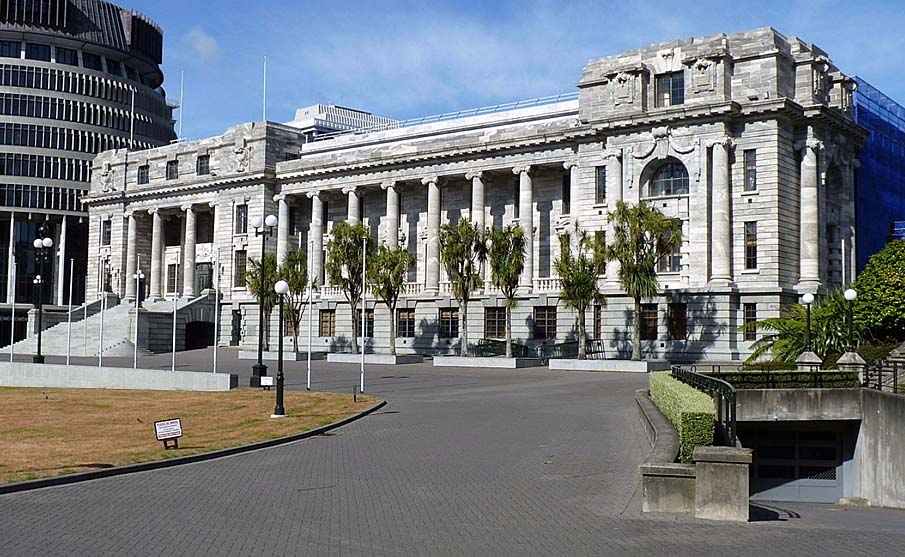
Government Centre Historic Area, Wellington. Parliament House CC Licence 4.0 Image courtesy of commons.wikimedia.org
Government Centre Historic Area
Government Centre Historic Area, Wellington. Parliament House CC Licence 4.0 Image courtesy of commons.wikimedia.org
Government Centre Historic Area
Stay up to date with Heritage this month