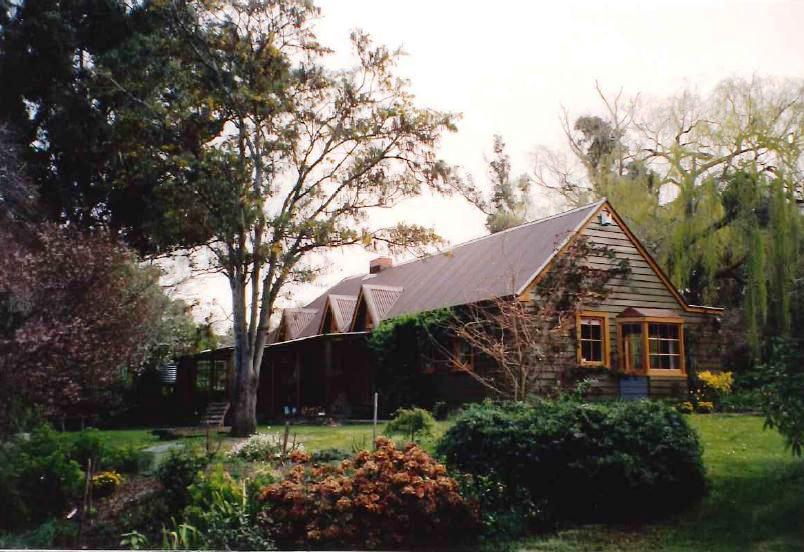
Winchendon Barn provides a special example of an 1850s settler’s dairy farm stable and later barn. Built in circa 1857 the Winchendon Barn has special architectural value and outstanding historic values as part of the farm of Frederick Lowe Jeffcoat, an early settler in the settlement of Dunedin.
Both iwi history and archaeological evidence show Māori occupation in the Ōtākou / Otago region since the 12th century. Today, Kāi Tahu mana whenua is recognised over a large part of Te Wai Pounamu incorporating historic Kāti Māmoe and Waitaha who are always acknowledged. The principal hapū Kāi Te Pahi, Kāti Moki, and Kāti Taoka still maintain their presence and responsibility as kaitiaki in this region. Winchendon is located near Kaikarae, now mistakenly known as Kaikorai, a well-known freshwater stream and lagoon used by local Kāi Tahu as a traditional mahinga kai, particularly for tuna (eel) and pātiki (flounder). The Taieri Plains on the other side of Pukemakamaka/Saddle Hill were originally a large expanse of interconnected wetlands, lakes, rivers and streams — a plentiful source of food, both fish and birds.
Winchendon (List No 2362) was established by Frederick Lowe Jeffcoat (1820-1879) in the 1850s and the barn, which originally was a stable, was thought to be built around late 1850s. He arrived in New Zealand in 1852 and early in 1857 bought 88 acres (the house block) on Saddle Hill, and later the same year he purchased another 50 acres from the Crown. Three years later he obtained a further 32 acres on which to establish a sizable dairy farm. Jeffcoat named the property Winchendon after his birthplace near Upper Winchendon in Buckinghamshire.
In 1879 Jeffcoat died from a bullet through the head; whether he intended to end his life, or whether his death was accidental remains a mystery. He was noted as a “very old and much respected settler” who always took part in matters of local interest. The house stayed in the family, although it was leased for a time, until 1924 when it was transferred to the Cuff family, who occupied it until 1958 when it was when it was acquired by the Dunedin City Council for the purpose of a cemetery reserve. Tony Devereux and Jane Skinner purchased the property from the DCC.
After lying empty for more than 12 years the house was renovated along with other buildings on the property. Today the property is much reduced in size. The barn is constructed of a timber frame and weatherboard with an iron roof. It originally contained a loft but the floor of this was removed when it was converted into a hay barn. The floor is cobbled with local stone from Stoney Hill under which the property is situated.
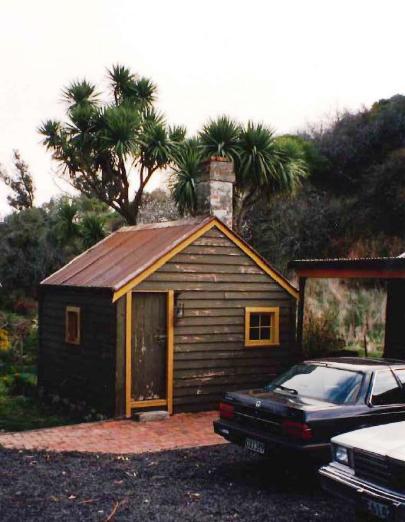
The garden setting, which includes some very old trees, adds to the attractiveness of Winchendon. The property also includes the original house (List No. 2362) and weatherboard cowman’s hut (List No. 2361) and various outbuildings.
Both iwi history and archaeological evidence show Māori occupation in the Ōtākou / Otago region since the 12th century. Today, Kāi Tahu mana whenua is recognised over a large part of Te Wai Pounamu incorporating historic Kāti Māmoe and Waitaha who are always acknowledged. The principal hapū Kāi Te Pahi, Kāti Moki, and Kāti Taoka still maintain their presence and responsibility as kaitiaki in this region. Winchendon is located near Kaikarae, now mistakenly known as Kaikorai, a well-known freshwater stream and lagoon used by local Kāi Tahu as a traditional mahinga kai, particularly for tuna (eel) and pātiki (flounder). The Taieri Plains on the other side of Pukemakamaka/Saddle Hill were originally a large expanse of interconnected wetlands, lakes, rivers and streams — a plentiful source of food, both fish and birds.
Winchendon (List No 2362) was established by Frederick Lowe Jeffcoat (1820-1879) in the 1850s and the barn, which originally was a stable, was thought to be built around late 1850s. He arrived in New Zealand in 1852 and early in 1857 bought 88 acres (the house block) on Saddle Hill, and later the same year he purchased another 50 acres from the Crown. Three years later he obtained a further 32 acres on which to establish a sizable dairy farm. Jeffcoat named the property Winchendon after his birthplace near Upper Winchendon in Buckinghamshire.
In 1879 Jeffcoat died from a bullet through the head; whether he intended to end his life, or whether his death was accidental remains a mystery. He was noted as a “very old and much respected settler” who always took part in matters of local interest. The house stayed in the family, although it was leased for a time, until 1924 when it was transferred to the Cuff family, who occupied it until 1958 when it was when it was acquired by the Dunedin City Council for the purpose of a cemetery reserve. Tony Devereux and Jane Skinner purchased the property from the DCC.
After lying empty for more than 12 years the house was renovated along with other buildings on the property. Today the property is much reduced in size. The barn is constructed of a timber frame and weatherboard with an iron roof. It originally contained a loft but the floor of this was removed when it was converted into a hay barn. The floor is cobbled with local stone from Stoney Hill under which the property is situated.
The garden setting, which includes some very old trees, adds to the attractiveness of Winchendon. The property also includes the original house (List No. 2362) and weatherboard cowman’s hut (List No. 2361) and various outbuildings.