DonateSupporterVisit Heritage
  • Tūrangawaewae
    Places
  • Tira Māori
    Māori Heritage
  • Poutairangahia
    Archaeology
  • Rauemi
    Resources
  • Mō Tātou
    About Us
  • New Zealand Heritage List
  • Nominate and submit
  • Explore the List
  • National Historic Landmarks
  • Plaques
  • Rainbow List Project
  • Lost heritage
  • Visit Heritage
  • Our properties
  • Turnbull House Project
  • Collections
  • Shop
  • Tohu Whenua
  • Tira Māori
  • Conserving Māori heritage
  • Marae built heritage
  • Māori heritage on the List
  • Hinemihi—Te Hokinga Mai
  • What is archaeology?
  • Is there a site on my property?
  • What are my legal requirements?
  • Affecting an archaeological site
  • Declaring an archaeological site
  • Archaeology FAQs
  • Archaeology Digital Library
  • Archaeology guidelines and templates
  • Resources
  • Funding
  • Publications
  • Sustainable management guides
  • Disaster recovery
  • Podcasts & digital resources
  • Education Hub
  • Conservation plans
  • About
  • Board
  • Māori Heritage Council
  • Senior Staff
  • Offices
  • Contact us
  • Careers
  • Covenants
  • Fast-track
  • Corporate documents
  • Currently consulting on
  • Our submissions
  • News
Quick links
Rārangi Kōrero | The List
Explore the List
National Historic Landmarks
Ngā Manawhenua o Aotearoa me ōna Kōrero Tūturu
Quick links
Tapuwae
A Vision for Places of Māori Heritage
Funding for Māori Heritage
Resources
Quick links
Archaeological Authority Portal
Applying for an archaeological authority
Archaeology FAQs
Browse the most frequently asked questions about archaeological authorities and the archaeological process.
Quick links
Quick links
Contact us
Offices
DonateSupporterVisit Heritage
  • Tūrangawaewae
    Places
  • Tira Māori
    Māori Heritage
  • Poutairangahia
    Archaeology
  • Rauemi
    Resources
  • Mō Tātou
    About Us
  • New Zealand Heritage List
  • Nominate and submit
  • Explore the List
  • National Historic Landmarks
  • Plaques
  • Rainbow List Project
  • Lost heritage
  • Visit Heritage
  • Our properties
  • Turnbull House Project
  • Collections
  • Shop
  • Tohu Whenua
  • Tira Māori
  • Conserving Māori heritage
  • Marae built heritage
  • Māori heritage on the List
  • Hinemihi—Te Hokinga Mai
  • What is archaeology?
  • Is there a site on my property?
  • What are my legal requirements?
  • Affecting an archaeological site
  • Declaring an archaeological site
  • Archaeology FAQs
  • Archaeology Digital Library
  • Archaeology guidelines and templates
  • Resources
  • Funding
  • Publications
  • Sustainable management guides
  • Disaster recovery
  • Podcasts & digital resources
  • Education Hub
  • Conservation plans
  • About
  • Board
  • Māori Heritage Council
  • Senior Staff
  • Offices
  • Contact us
  • Careers
  • Covenants
  • Fast-track
  • Corporate documents
  • Currently consulting on
  • Our submissions
  • News
Quick links
Rārangi Kōrero | The List
Explore the List
National Historic Landmarks
Ngā Manawhenua o Aotearoa me ōna Kōrero Tūturu
Quick links
Tapuwae
A Vision for Places of Māori Heritage
Funding for Māori Heritage
Resources
Quick links
Archaeological Authority Portal
Applying for an archaeological authority
Archaeology FAQs
Browse the most frequently asked questions about archaeological authorities and the archaeological process.
Quick links
Quick links
Contact us
Offices
  • Places
  • Nominate and submit
  • National Historic Landmarks
  • Places
  • Nominate and submit
  • National Historic Landmarks
  • Tira Māori
  • Conserving Māori heritage
  • Marae built heritage
  • Tira Māori
  • Conserving Māori heritage
  • Marae built heritage
  • Archaeological authorities
  • Archaeology Digital Library
  • Archaeological authorities
  • Archaeology Digital Library
  • All resources
  • Publications
  • Funding
  • All resources
  • Publications
  • Funding
  • FAQs
  • FAQs
Follow us on:
Places
  • Places
  • Nominate and submit
  • National Historic Landmarks
Tira Māori
  • Tira Māori
  • Conserving Māori heritage
  • Marae built heritage
Archaeology
  • Archaeological authorities
  • Archaeology Digital Library
Resources
  • All resources
  • Publications
  • Funding
FAQs
  • FAQs
Follow us on
HomePrivacyTerms and conditionsAbout this site
© Heritage New Zealand Pouhere Taonga 2026.
 
St Andrew's Presbyterian Church (Former)

13 Swindon Street, OPHIR

Private

Historic Place Category 2

List No. 3246

Quick links:
List GalleryLocationDetails
St Andrew’s Presbyterian Church served its Ophir congregation from 1897-2009. The small Gothic Church sits on the main street of this small settlement that is recognised for its historic values.

From the 1860s, Presbyterians worshipped in the Blacks Schoolhouse. As early as 1890, parishioners talked about their desire for a church in the town. The minister Reverend Mr Gellie and his parishioners rallied round the call for a permanent place of worship in Ophir. They formed a building committee in 1895. Plans and specifications were drawn up and fundraising began. The Otago Witness reported that the building was to be opened on 14 March 1897.

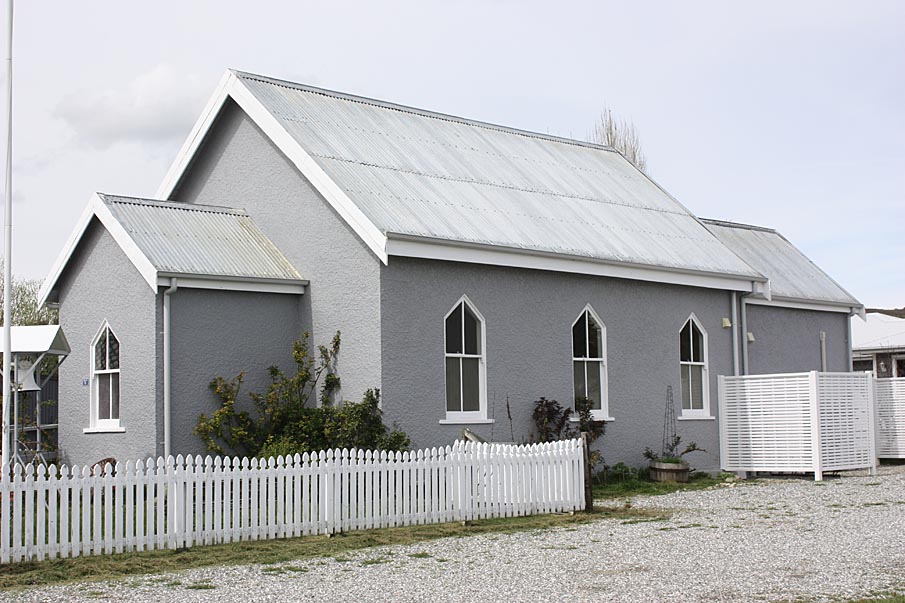
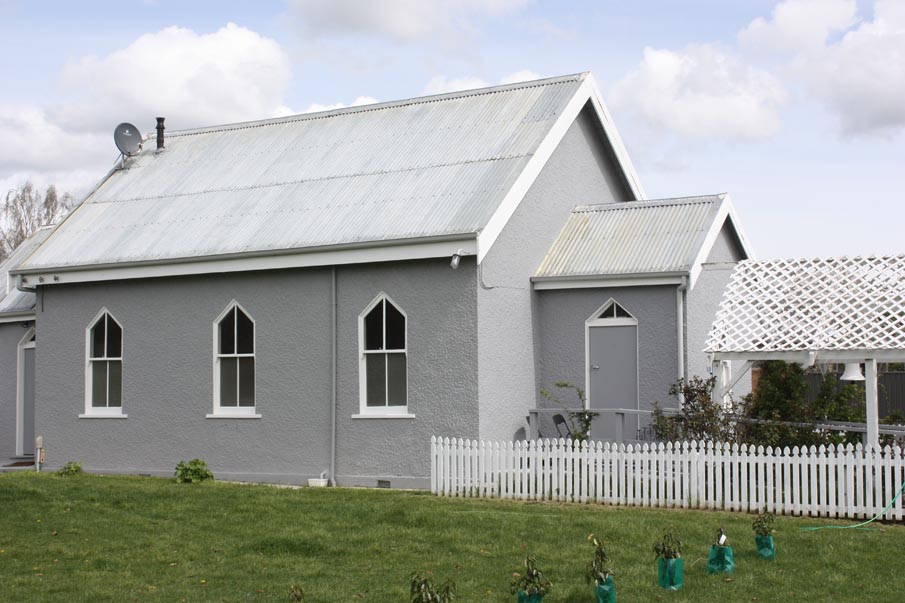
Early photographs show a simple weather board church with a small single gabled porch, and a slightly larger vestry to the rear. A belfry is mounted on the front gable end of the nave. There are three evenly spaced Lancet windows down the length of the nave. The interior of the nave is match-lined with tongue and groove timber. The roof trusses are scissor trusses. The doors are heavy timber with diagonal timbers. The porch is also match-lined. The vestry, a later addition, is lined with board and batten.

The church facilities developed in the 1930s. Reverend Alexander Don, a prominent Presbyterian missionary and minister retired to Ophir in 1926 and agitated for the addition of a vestry. In 1931 the vestry was built on the rear of the building and was also used as a Sunday School. After 1931, the church was stuccoed and the belfry and finial detailing removed.

St Andrew’s later became part of the Alexandra Clyde Lauder Union Parish, a union of Presbyterian, Methodist and Church of Christ denominations. In May 2009 the congregation met to consider whether St Andrew’s Church should be closed and sold. The Otago Foundation Board of Property sold St Andrew’s in 2009. In 2012 the owners have opened the building as a collectibles shop.

The St Andrew’s Presbyterian Church (Former) represents the history of Presbyterianism in small rural Otago townships. The history of the Church in Ophir contributes to the story of the importance of Christianity to settlers and represents the efforts of the Presbyterian community. More than fulfilling the religious needs of the local community, the Church also represents the religious requirements of Presbyterian congregation at the close of the nineteenth century.
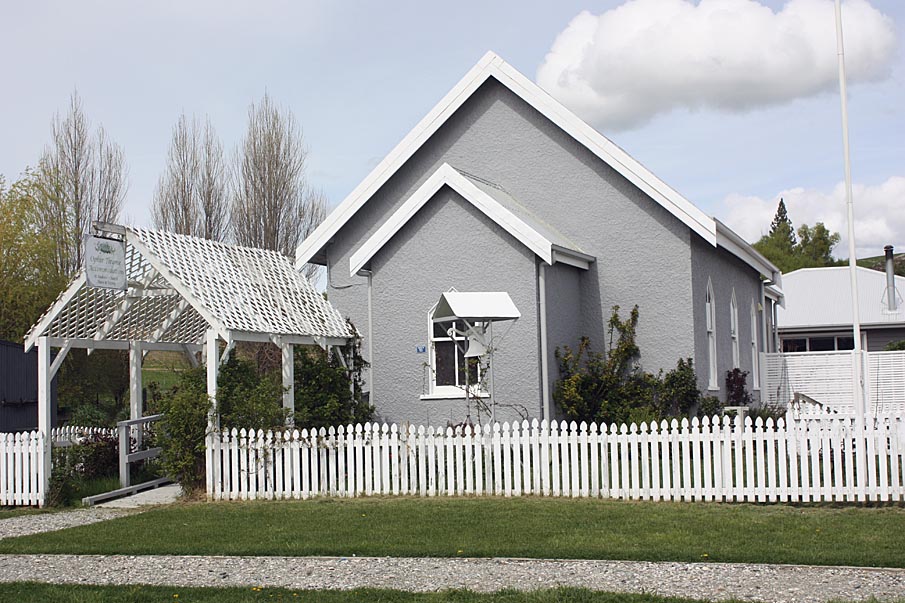
St Andrew's Presbyterian Church (Former), Ophir | Sarah Gallagher | 14/10/2019 | Heritage New Zealand Pouhere Taonga


List Entry Information

Overview

Status
Listed

List Entry Status
Historic Place Category 2

Access
Private/No Public Access

List Number
3246

Date Entered
27th June 2013

Date of Effect
27th June 2013

City/District Council
Central Otago District

Region
Otago Region

Extent of List Entry

Extent includes part of the land described as Secs 7-8 Blk III Town of Ophir (RT OT121/24), Otago Land District, and the building known as St Andrew's Presbyterian Church (Former) thereon. (Refer to map in Appendix 1 of the registration report for further information).

Legal description

Secs 7-8 Blk III Town of Ophir (RT OT121/24), Otago Land District

Location Description

Swindon Street is the main street of Ophir. The Church is on the south side of the street.

Detailed List Entry
Significance

Historic Significance

Historical Significance or Value St Andrew’s Presbyterian Church represents the history of Presbyterian worship in this small Central Otago settlement. The building, built in 1897, illustrates the community putting down roots in the aftermath of the gold rushes and the establishment of a Presbyterian identity and presence in the town. The Church is also a physical representation of the importance of religion to the Presbyterian community in Ophir, and recalls the spiritual importance of the Church building in worship. Although its use as a church has now ceased, it was the focus for regular worship in the community for over a century.

Physical Significance

Aesthetic Significance or Value St Andrew’s Presbyterian Church (Former) sits on the main street of Ophir which is recognised for its aesthetic value. The aesthetic value of the township is based on its small scale intact nineteenth century streetscape. St Andrew’s Church forms an integral aesthetic element of the settlement as a small scale building on a larger site whose largely intact form clearly reflects its original function and construction during the early period of settlement of the town. Architectural Significance or Value St Andrew’s Presbyterian Church (Former) is of architectural significance as a representative example of a typical, small, rural Gothic-style church. It remains in close to its original form, and its plain, match-lined interior and scissor trusses are also original and typical of early churches in New Zealand.

Detail Of Assessed Criteria

(a) The extent to which the place reflects important or representative aspects of New Zealand history The St Andrew’s Presbyterian Church (Former) represents the history of Presbyterianism in small rural Otago townships. The history of the Church in Ophir tells the story of the importance of Christianity during late nineteenth and early twentieth century. The Church represents the religious requirements of Presbyterian congregation at the close of the nineteenth century and throughout the twentieth century. (b) The association of the place with events, persons, or ideas of importance in New Zealand history St Andrew’s Church has an association with significant Presbyterian minister Alexander Don who retired to Ophir. While he lived there Don agitated for the addition of the vestry to the church. Don was a significant figure in the Presbyterian Church, particularly in Central Otago where he was missionary to the Chinese miners. (k) The extent to which the place forms part of a wider historical and cultural complex or historical and cultural landscape St Andrew’s Presbyterian Church (Former) is registered as a historic place that contributes to the Ophir Historic Area (Register no. 7268) and is part of a historical landscape of the settlement. The former St Andrew’s Presbyterian Church is on the main street of the small Central Otago settlement of Ophir. The main street is characterised by a loose, scattered mix of nineteenth century commercial, government and residential buildings. Residential buildings and commercial buildings are all small in scale – single storey and diminutive. St Andrew’s contributes to this architectural character.

Construction Details

Start Year

1937

Type

Addition

Description

Vestry added

Type

Modification

Description

Exterior stuccoed, belfry and decorative barge boards removed

Period

Post-1931

Start Year

1897

Type

Original Construction

Description

Simple Gothic church

Construction Materials

Timber, corrugated iron, stucco

Historical Narrative

The spectacular arid harsh area of Central Otago, blisteringly hot in summer and bitterly cold in winter, with its rocky outcrops and tussock covered ranges, was an area of food gathering (including moa processing), and silcrete quarry sites for Maori. The Manuherikia River runs close by Ophir. Its name recalls the catching of birds. It is traditionally known that moa were hunted in the many subsidiary valleys and catchments by Waitaha. The later arrivals Kati Mamoe and Kai Tahu are known to have hunted weka and many other waterfowl on the Maniatoto and other Central Otago catchments. They also spent much time fishing for tuna (eel). The town of Ophir, known as Blacks No. 1 in its early pastoral days, sits in the spectacular rocky arid back country close to the Manuherikia River. Gold was discovered in the area in 1862 on Charles and William Black’s sheep station. The settlement had its heyday in the bustling gold mining period in the mid to late nineteenth century. Provincial superintendent James Macandrew renamed the town in 1872 recalling the Biblical Ophir from where gold was brought to the Temple at Jerusalem when it was being built by King Solomon. The township flourished with Swindon Street becoming home to a cluster of businesses and government buildings. In the late nineteenth century, Otago and Southland were unique from the rest of New Zealand as the only regions where the Church of England was not the major denomination. Anglicans made up forty per cent of the population nationwide in the colonial era but in Otago and Southland they represented only 25 percent. The south was the stronghold of Presbyterianism and this was even more so in rural areas. The town of Ophir reflected this trend. In the 1860s and 1870s Presbyterian services were held in the Black Schoolhouse. The town was served by the minister from Alexandra. Alexander Ross, the minister in 1868, had a huge district to cover, and Blacks was outside even that charge, but visited the town anyway. There were discussions as early as 1890 about the possibility of a church at Blacks (the name for the town the locals staunchly hung on to), though a decision was deferred pending the securing of a site. Rev Gellie oversaw the Lauder charge in the Dunstan parish, under which Ophir fell. Gellie had been working in the district for the previous few months. The minister Reverend Gellie and his parishioners rallied round the call for a permanent place of worship in Ophir. They formed a building committee in 1895, made up of Gellie, John McKnight Joseph Hay as Chair. The congregation made an application to the Dunstan Presbytery for ‘sanction of grant’ for a new church which the committee was ‘taking steps to erect immediately.’ The Presbytery visited the site and requested that the committee get plans and specifications drawn up and forwarded to the presbytery. Subscription lists were sent out to canvas the district for funds and this was followed by a church bazaar organized by the ladies of Cromwell, Clyde, Alexandra, Becks, and Cambrians, raising £65 (without the benefit of a raffle, which was not permitted). The Church was under construction by March 1897. The Otago Witness reported that the Church ‘now being built here’ was to be opened on 14 March. ‘The building is a neatly-designed one, and will be an ornament to the town.’ A photograph from 1926 shows a single gable building with a belfry mounted on the peak of the gable of the nave. There is a small entrance porch on the street elevation. The Church is weatherboard with a corrugated iron roof. There are decorative barge boards and finials at the gable ends. The vestry is in a gabled addition to the rear elevation. There are three Lancet windows along the have and one on the gable end of the porch. A picket fence with St Andrew’s cross on the gate runs along the verge of the section to Swindon Street. Reverend Alexander Don, a Presbyterian missionary and minister, retired to Ophir in 1926. He agitated for the addition of a vestry, and in 1931 one was built on the rear elevation of the building, ‘furnished so as to serve for the junior department of the Sunday School.’ Don was a significant figure in the Presbyterian Church of Otago. Don’s writings about the Chinese in Otago are a unique and unmatched record. To the Presbyterian Church as a whole Don was a fund-raiser and organiser, an author of church history. He was widely supported by European Presbyterians. He was missionary to the Chinese gold seekers in Otago and had close links with China, despite his uncompromising attitude towards his Chinese congregation. On his retirement to Ophir he remained active in the church and wrote Memories of the golden road, a history of the Presbyterian Church in Central Otago. In 1984 St Andrew’s became part of the Alexandra Clyde Lauder Union Parish, a union of Presbyterian, Methodist and Church of Christ denominations. A diminishing congregation led to the decline of church attendance. In May 2009 the congregation met to consider whether St Andrew’s Church should be closed and sold. The Otago Foundation Board of Property sold St Andrew’s in 2009. In 2012 the owners have opened the building as a collectibles shop.

Physical Description

Setting The former St Andrew’s Presbyterian Church is on the main street of the small Central Otago settlement of Ophir. The main street is characterised by a loose, scattered mix of nineteenth century commercial, government and residential buildings. Residential buildings and commercial buildings are all small in scale – single storey and diminutive. The church sits a little back from the street on an open grassed section. A new residence has been built set back from the rear of the church. There are new plantings and a new picket fence (designed to reference a picket fence in early photographs) at the front of the building. The Church St Andrew’s Presbyterian Church (Former) is of architectural significance as a representative example of a typical, small, rural Gothic-style church. Early photographs of the building show a simple weather board church with a small single gabled porch, and a slightly larger vestry to the rear. A belfry is mounted on the front gable end of the nave. There are finials on the gable ends. The roof is corrugated iron. The church was stuccoed after 1931 and the belfry and finial detailing removed. The form of the building remains the same – porch, nave and vestry. There are three evenly spaced Lancet windows down the length of the nave. There is a matching window in the porch. The windows in the vestry look to be casement windows. All window joinery is timber. The interior of the nave is match-lined with tongue and groove timber. The roof trusses are scissor trusses. The pulpit is still in situ. The doors are heavy timber with diagonal timbers. The porch is also match-lined. The vestry, a later addition, is lined with board and batten.

Reference

Public NZAA Number

G41/653

Completion Date

28th November 2012

Report Written By

Heather Bauchop

Information Sources

Don, 1936

A. Don, Memories of the Golden Road. Reed, Dunedin, 1936

Postal History Society of New Zealand

‘The Postal History of Blacks (Ophir)’

Somerville, 1991

J.S. Somerville, Parish Progress: thirty-six years in the Alexandra, Clyde, Lauder Union Parish, Friends of the Alexandra, Clyde, Lauder Union Parish, 1991

Report Written By

A fully referenced registration report is available from the Otago/Southland Office of the NZHPT. Please note that entry on the New Zealand Heritage List/Rarangi Korero identifies only the heritage values of the property concerned, and should not be construed as advice on the state of the property, or as a comment of its soundness or safety, including in regard to earthquake risk, safety in the event of fire, or insanitary conditions.

Further Information

Current Usages

Uses: Trade

Specific Usage: Shop

Former Usages

General Usage:: Religion

Specific Usage: Church

Themes

Web Links

Overview

Status

Listed

List Entry Status

Historic Place Category 2

Access

Private/No Public Access

List Number

3246

Date Entered

27th June 2013

Date of Effect

27th June 2013

City/District Council

Central Otago District

Region

Otago Region

Extent of List Entry

Extent includes part of the land described as Secs 7-8 Blk III Town of Ophir (RT OT121/24), Otago Land District, and the building known as St Andrew's Presbyterian Church (Former) thereon. (Refer to map in Appendix 1 of the registration report for further information).

Legal description

Secs 7-8 Blk III Town of Ophir (RT OT121/24), Otago Land District

Location Description

Swindon Street is the main street of Ophir. The Church is on the south side of the street.

Status

Listed

List Entry Status

Historic Place Category 2

Access

Private/No Public Access

List Number

3246

Date Entered

27th June 2013

Date of Effect

27th June 2013

City/District Council

Central Otago District

Region

Otago Region

Extent of List Entry

Extent includes part of the land described as Secs 7-8 Blk III Town of Ophir (RT OT121/24), Otago Land District, and the building known as St Andrew's Presbyterian Church (Former) thereon. (Refer to map in Appendix 1 of the registration report for further information).

Legal description

Secs 7-8 Blk III Town of Ophir (RT OT121/24), Otago Land District

Location Description

Swindon Street is the main street of Ophir. The Church is on the south side of the street.

Significance

Why is this place significant?

Historic Significance

Historical Significance or Value St Andrew’s Presbyterian Church represents the history of Presbyterian worship in this small Central Otago settlement. The building, built in 1897, illustrates the community putting down roots in the aftermath of the gold rushes and the establishment of a Presbyterian identity and presence in the town. The Church is also a physical representation of the importance of religion to the Presbyterian community in Ophir, and recalls the spiritual importance of the Church building in worship. Although its use as a church has now ceased, it was the focus for regular worship in the community for over a century.

Physical Significance

Aesthetic Significance or Value St Andrew’s Presbyterian Church (Former) sits on the main street of Ophir which is recognised for its aesthetic value. The aesthetic value of the township is based on its small scale intact nineteenth century streetscape. St Andrew’s Church forms an integral aesthetic element of the settlement as a small scale building on a larger site whose largely intact form clearly reflects its original function and construction during the early period of settlement of the town. Architectural Significance or Value St Andrew’s Presbyterian Church (Former) is of architectural significance as a representative example of a typical, small, rural Gothic-style church. It remains in close to its original form, and its plain, match-lined interior and scissor trusses are also original and typical of early churches in New Zealand.

Why is this place Category 1 / Category 2?

Detail Of Assessed Criteria

(a) The extent to which the place reflects important or representative aspects of New Zealand history The St Andrew’s Presbyterian Church (Former) represents the history of Presbyterianism in small rural Otago townships. The history of the Church in Ophir tells the story of the importance of Christianity during late nineteenth and early twentieth century. The Church represents the religious requirements of Presbyterian congregation at the close of the nineteenth century and throughout the twentieth century. (b) The association of the place with events, persons, or ideas of importance in New Zealand history St Andrew’s Church has an association with significant Presbyterian minister Alexander Don who retired to Ophir. While he lived there Don agitated for the addition of the vestry to the church. Don was a significant figure in the Presbyterian Church, particularly in Central Otago where he was missionary to the Chinese miners. (k) The extent to which the place forms part of a wider historical and cultural complex or historical and cultural landscape St Andrew’s Presbyterian Church (Former) is registered as a historic place that contributes to the Ophir Historic Area (Register no. 7268) and is part of a historical landscape of the settlement. The former St Andrew’s Presbyterian Church is on the main street of the small Central Otago settlement of Ophir. The main street is characterised by a loose, scattered mix of nineteenth century commercial, government and residential buildings. Residential buildings and commercial buildings are all small in scale – single storey and diminutive. St Andrew’s contributes to this architectural character.

Why is this place significant?

Historic Significance

Historical Significance or Value St Andrew’s Presbyterian Church represents the history of Presbyterian worship in this small Central Otago settlement. The building, built in 1897, illustrates the community putting down roots in the aftermath of the gold rushes and the establishment of a Presbyterian identity and presence in the town. The Church is also a physical representation of the importance of religion to the Presbyterian community in Ophir, and recalls the spiritual importance of the Church building in worship. Although its use as a church has now ceased, it was the focus for regular worship in the community for over a century.

Physical Significance

Aesthetic Significance or Value St Andrew’s Presbyterian Church (Former) sits on the main street of Ophir which is recognised for its aesthetic value. The aesthetic value of the township is based on its small scale intact nineteenth century streetscape. St Andrew’s Church forms an integral aesthetic element of the settlement as a small scale building on a larger site whose largely intact form clearly reflects its original function and construction during the early period of settlement of the town. Architectural Significance or Value St Andrew’s Presbyterian Church (Former) is of architectural significance as a representative example of a typical, small, rural Gothic-style church. It remains in close to its original form, and its plain, match-lined interior and scissor trusses are also original and typical of early churches in New Zealand.

Why is this place Category 1 / Category 2?

Detail Of Assessed Criteria

(a) The extent to which the place reflects important or representative aspects of New Zealand history The St Andrew’s Presbyterian Church (Former) represents the history of Presbyterianism in small rural Otago townships. The history of the Church in Ophir tells the story of the importance of Christianity during late nineteenth and early twentieth century. The Church represents the religious requirements of Presbyterian congregation at the close of the nineteenth century and throughout the twentieth century. (b) The association of the place with events, persons, or ideas of importance in New Zealand history St Andrew’s Church has an association with significant Presbyterian minister Alexander Don who retired to Ophir. While he lived there Don agitated for the addition of the vestry to the church. Don was a significant figure in the Presbyterian Church, particularly in Central Otago where he was missionary to the Chinese miners. (k) The extent to which the place forms part of a wider historical and cultural complex or historical and cultural landscape St Andrew’s Presbyterian Church (Former) is registered as a historic place that contributes to the Ophir Historic Area (Register no. 7268) and is part of a historical landscape of the settlement. The former St Andrew’s Presbyterian Church is on the main street of the small Central Otago settlement of Ophir. The main street is characterised by a loose, scattered mix of nineteenth century commercial, government and residential buildings. Residential buildings and commercial buildings are all small in scale – single storey and diminutive. St Andrew’s contributes to this architectural character.

Construction Information

Construction Details

Start Year

1937

Type

Addition

Description

Vestry added

Type

Modification

Description

Exterior stuccoed, belfry and decorative barge boards removed

Period

Post-1931

Start Year

1897

Type

Original Construction

Description

Simple Gothic church

Construction Materials

Timber, corrugated iron, stucco

Construction Details

Start Year

1937

Type

Addition

Description

Vestry added

Type

Modification

Description

Exterior stuccoed, belfry and decorative barge boards removed

Period

Post-1931

Start Year

1897

Type

Original Construction

Description

Simple Gothic church

Construction Materials

Timber, corrugated iron, stucco

Historical Narrative

The spectacular arid harsh area of Central Otago, blisteringly hot in summer and bitterly cold in winter, with its rocky outcrops and tussock covered ranges, was an area of food gathering (including moa processing), and silcrete quarry sites for Maori. The Manuherikia River runs close by Ophir. Its name recalls the catching of birds. It is traditionally known that moa were hunted in the many subsidiary valleys and catchments by Waitaha. The later arrivals Kati Mamoe and Kai Tahu are known to have hunted weka and many other waterfowl on the Maniatoto and other Central Otago catchments. They also spent much time fishing for tuna (eel). The town of Ophir, known as Blacks No. 1 in its early pastoral days, sits in the spectacular rocky arid back country close to the Manuherikia River. Gold was discovered in the area in 1862 on Charles and William Black’s sheep station. The settlement had its heyday in the bustling gold mining period in the mid to late nineteenth century. Provincial superintendent James Macandrew renamed the town in 1872 recalling the Biblical Ophir from where gold was brought to the Temple at Jerusalem when it was being built by King Solomon. The township flourished with Swindon Street becoming home to a cluster of businesses and government buildings. In the late nineteenth century, Otago and Southland were unique from the rest of New Zealand as the only regions where the Church of England was not the major denomination. Anglicans made up forty per cent of the population nationwide in the colonial era but in Otago and Southland they represented only 25 percent. The south was the stronghold of Presbyterianism and this was even more so in rural areas. The town of Ophir reflected this trend. In the 1860s and 1870s Presbyterian services were held in the Black Schoolhouse. The town was served by the minister from Alexandra. Alexander Ross, the minister in 1868, had a huge district to cover, and Blacks was outside even that charge, but visited the town anyway. There were discussions as early as 1890 about the possibility of a church at Blacks (the name for the town the locals staunchly hung on to), though a decision was deferred pending the securing of a site. Rev Gellie oversaw the Lauder charge in the Dunstan parish, under which Ophir fell. Gellie had been working in the district for the previous few months. The minister Reverend Gellie and his parishioners rallied round the call for a permanent place of worship in Ophir. They formed a building committee in 1895, made up of Gellie, John McKnight Joseph Hay as Chair. The congregation made an application to the Dunstan Presbytery for ‘sanction of grant’ for a new church which the committee was ‘taking steps to erect immediately.’ The Presbytery visited the site and requested that the committee get plans and specifications drawn up and forwarded to the presbytery. Subscription lists were sent out to canvas the district for funds and this was followed by a church bazaar organized by the ladies of Cromwell, Clyde, Alexandra, Becks, and Cambrians, raising £65 (without the benefit of a raffle, which was not permitted). The Church was under construction by March 1897. The Otago Witness reported that the Church ‘now being built here’ was to be opened on 14 March. ‘The building is a neatly-designed one, and will be an ornament to the town.’ A photograph from 1926 shows a single gable building with a belfry mounted on the peak of the gable of the nave. There is a small entrance porch on the street elevation. The Church is weatherboard with a corrugated iron roof. There are decorative barge boards and finials at the gable ends. The vestry is in a gabled addition to the rear elevation. There are three Lancet windows along the have and one on the gable end of the porch. A picket fence with St Andrew’s cross on the gate runs along the verge of the section to Swindon Street. Reverend Alexander Don, a Presbyterian missionary and minister, retired to Ophir in 1926. He agitated for the addition of a vestry, and in 1931 one was built on the rear elevation of the building, ‘furnished so as to serve for the junior department of the Sunday School.’ Don was a significant figure in the Presbyterian Church of Otago. Don’s writings about the Chinese in Otago are a unique and unmatched record. To the Presbyterian Church as a whole Don was a fund-raiser and organiser, an author of church history. He was widely supported by European Presbyterians. He was missionary to the Chinese gold seekers in Otago and had close links with China, despite his uncompromising attitude towards his Chinese congregation. On his retirement to Ophir he remained active in the church and wrote Memories of the golden road, a history of the Presbyterian Church in Central Otago. In 1984 St Andrew’s became part of the Alexandra Clyde Lauder Union Parish, a union of Presbyterian, Methodist and Church of Christ denominations. A diminishing congregation led to the decline of church attendance. In May 2009 the congregation met to consider whether St Andrew’s Church should be closed and sold. The Otago Foundation Board of Property sold St Andrew’s in 2009. In 2012 the owners have opened the building as a collectibles shop.

The spectacular arid harsh area of Central Otago, blisteringly hot in summer and bitterly cold in winter, with its rocky outcrops and tussock covered ranges, was an area of food gathering (including moa processing), and silcrete quarry sites for Maori. The Manuherikia River runs close by Ophir. Its name recalls the catching of birds. It is traditionally known that moa were hunted in the many subsidiary valleys and catchments by Waitaha. The later arrivals Kati Mamoe and Kai Tahu are known to have hunted weka and many other waterfowl on the Maniatoto and other Central Otago catchments. They also spent much time fishing for tuna (eel). The town of Ophir, known as Blacks No. 1 in its early pastoral days, sits in the spectacular rocky arid back country close to the Manuherikia River. Gold was discovered in the area in 1862 on Charles and William Black’s sheep station. The settlement had its heyday in the bustling gold mining period in the mid to late nineteenth century. Provincial superintendent James Macandrew renamed the town in 1872 recalling the Biblical Ophir from where gold was brought to the Temple at Jerusalem when it was being built by King Solomon. The township flourished with Swindon Street becoming home to a cluster of businesses and government buildings. In the late nineteenth century, Otago and Southland were unique from the rest of New Zealand as the only regions where the Church of England was not the major denomination. Anglicans made up forty per cent of the population nationwide in the colonial era but in Otago and Southland they represented only 25 percent. The south was the stronghold of Presbyterianism and this was even more so in rural areas. The town of Ophir reflected this trend. In the 1860s and 1870s Presbyterian services were held in the Black Schoolhouse. The town was served by the minister from Alexandra. Alexander Ross, the minister in 1868, had a huge district to cover, and Blacks was outside even that charge, but visited the town anyway. There were discussions as early as 1890 about the possibility of a church at Blacks (the name for the town the locals staunchly hung on to), though a decision was deferred pending the securing of a site. Rev Gellie oversaw the Lauder charge in the Dunstan parish, under which Ophir fell. Gellie had been working in the district for the previous few months. The minister Reverend Gellie and his parishioners rallied round the call for a permanent place of worship in Ophir. They formed a building committee in 1895, made up of Gellie, John McKnight Joseph Hay as Chair. The congregation made an application to the Dunstan Presbytery for ‘sanction of grant’ for a new church which the committee was ‘taking steps to erect immediately.’ The Presbytery visited the site and requested that the committee get plans and specifications drawn up and forwarded to the presbytery. Subscription lists were sent out to canvas the district for funds and this was followed by a church bazaar organized by the ladies of Cromwell, Clyde, Alexandra, Becks, and Cambrians, raising £65 (without the benefit of a raffle, which was not permitted). The Church was under construction by March 1897. The Otago Witness reported that the Church ‘now being built here’ was to be opened on 14 March. ‘The building is a neatly-designed one, and will be an ornament to the town.’ A photograph from 1926 shows a single gable building with a belfry mounted on the peak of the gable of the nave. There is a small entrance porch on the street elevation. The Church is weatherboard with a corrugated iron roof. There are decorative barge boards and finials at the gable ends. The vestry is in a gabled addition to the rear elevation. There are three Lancet windows along the have and one on the gable end of the porch. A picket fence with St Andrew’s cross on the gate runs along the verge of the section to Swindon Street. Reverend Alexander Don, a Presbyterian missionary and minister, retired to Ophir in 1926. He agitated for the addition of a vestry, and in 1931 one was built on the rear elevation of the building, ‘furnished so as to serve for the junior department of the Sunday School.’ Don was a significant figure in the Presbyterian Church of Otago. Don’s writings about the Chinese in Otago are a unique and unmatched record. To the Presbyterian Church as a whole Don was a fund-raiser and organiser, an author of church history. He was widely supported by European Presbyterians. He was missionary to the Chinese gold seekers in Otago and had close links with China, despite his uncompromising attitude towards his Chinese congregation. On his retirement to Ophir he remained active in the church and wrote Memories of the golden road, a history of the Presbyterian Church in Central Otago. In 1984 St Andrew’s became part of the Alexandra Clyde Lauder Union Parish, a union of Presbyterian, Methodist and Church of Christ denominations. A diminishing congregation led to the decline of church attendance. In May 2009 the congregation met to consider whether St Andrew’s Church should be closed and sold. The Otago Foundation Board of Property sold St Andrew’s in 2009. In 2012 the owners have opened the building as a collectibles shop.

Physical Description

Setting The former St Andrew’s Presbyterian Church is on the main street of the small Central Otago settlement of Ophir. The main street is characterised by a loose, scattered mix of nineteenth century commercial, government and residential buildings. Residential buildings and commercial buildings are all small in scale – single storey and diminutive. The church sits a little back from the street on an open grassed section. A new residence has been built set back from the rear of the church. There are new plantings and a new picket fence (designed to reference a picket fence in early photographs) at the front of the building. The Church St Andrew’s Presbyterian Church (Former) is of architectural significance as a representative example of a typical, small, rural Gothic-style church. Early photographs of the building show a simple weather board church with a small single gabled porch, and a slightly larger vestry to the rear. A belfry is mounted on the front gable end of the nave. There are finials on the gable ends. The roof is corrugated iron. The church was stuccoed after 1931 and the belfry and finial detailing removed. The form of the building remains the same – porch, nave and vestry. There are three evenly spaced Lancet windows down the length of the nave. There is a matching window in the porch. The windows in the vestry look to be casement windows. All window joinery is timber. The interior of the nave is match-lined with tongue and groove timber. The roof trusses are scissor trusses. The pulpit is still in situ. The doors are heavy timber with diagonal timbers. The porch is also match-lined. The vestry, a later addition, is lined with board and batten.

Setting The former St Andrew’s Presbyterian Church is on the main street of the small Central Otago settlement of Ophir. The main street is characterised by a loose, scattered mix of nineteenth century commercial, government and residential buildings. Residential buildings and commercial buildings are all small in scale – single storey and diminutive. The church sits a little back from the street on an open grassed section. A new residence has been built set back from the rear of the church. There are new plantings and a new picket fence (designed to reference a picket fence in early photographs) at the front of the building. The Church St Andrew’s Presbyterian Church (Former) is of architectural significance as a representative example of a typical, small, rural Gothic-style church. Early photographs of the building show a simple weather board church with a small single gabled porch, and a slightly larger vestry to the rear. A belfry is mounted on the front gable end of the nave. There are finials on the gable ends. The roof is corrugated iron. The church was stuccoed after 1931 and the belfry and finial detailing removed. The form of the building remains the same – porch, nave and vestry. There are three evenly spaced Lancet windows down the length of the nave. There is a matching window in the porch. The windows in the vestry look to be casement windows. All window joinery is timber. The interior of the nave is match-lined with tongue and groove timber. The roof trusses are scissor trusses. The pulpit is still in situ. The doors are heavy timber with diagonal timbers. The porch is also match-lined. The vestry, a later addition, is lined with board and batten.

Reference

Historical and Associated Iwi / Hapū / Whānau

Public NZAA Number

G41/653

Completion Date

28th November 2012

Report Written By

Heather Bauchop

Information Sources

Don, 1936

A. Don, Memories of the Golden Road. Reed, Dunedin, 1936

Postal History Society of New Zealand

‘The Postal History of Blacks (Ophir)’

Somerville, 1991

J.S. Somerville, Parish Progress: thirty-six years in the Alexandra, Clyde, Lauder Union Parish, Friends of the Alexandra, Clyde, Lauder Union Parish, 1991

Other Information

A fully referenced registration report is available from the Otago/Southland Office of the NZHPT. Please note that entry on the New Zealand Heritage List/Rarangi Korero identifies only the heritage values of the property concerned, and should not be construed as advice on the state of the property, or as a comment of its soundness or safety, including in regard to earthquake risk, safety in the event of fire, or insanitary conditions.

Historical and Associated Iwi / Hapū / Whānau

Public NZAA Number

G41/653

Completion Date

28th November 2012

Report Written By

Heather Bauchop

Information Sources

Don, 1936

A. Don, Memories of the Golden Road. Reed, Dunedin, 1936

Postal History Society of New Zealand

‘The Postal History of Blacks (Ophir)’

Somerville, 1991

J.S. Somerville, Parish Progress: thirty-six years in the Alexandra, Clyde, Lauder Union Parish, Friends of the Alexandra, Clyde, Lauder Union Parish, 1991

Other Information

A fully referenced registration report is available from the Otago/Southland Office of the NZHPT. Please note that entry on the New Zealand Heritage List/Rarangi Korero identifies only the heritage values of the property concerned, and should not be construed as advice on the state of the property, or as a comment of its soundness or safety, including in regard to earthquake risk, safety in the event of fire, or insanitary conditions.

Further Information

Current Usages

Uses: Trade

Specific Usage: Shop

Former Usages

General Usage: Religion

Specific Usage: Church

Current Usages

Uses: Trade

Specific Usage: Shop

Former Usages

General Usage: Religion

Specific Usage: Church

Location

Loading
Related listings
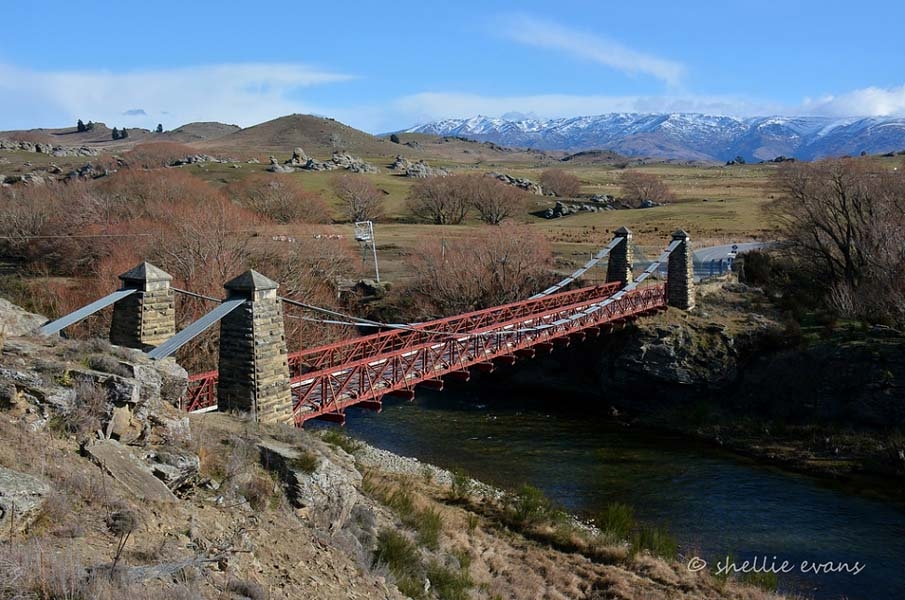
Ophir Historic Area. Daniel O'Connell Bridge, Ophir. Image courtesy of www.flickr.com
Ophir Historic Area
Ophir Historic Area. Daniel O'Connell Bridge, Ophir. Image courtesy of www.flickr.com
Ophir Historic Area
Sign up to hear more

Get the latest heritage news, features and events delivered
straight to your inbox.

Subscribe