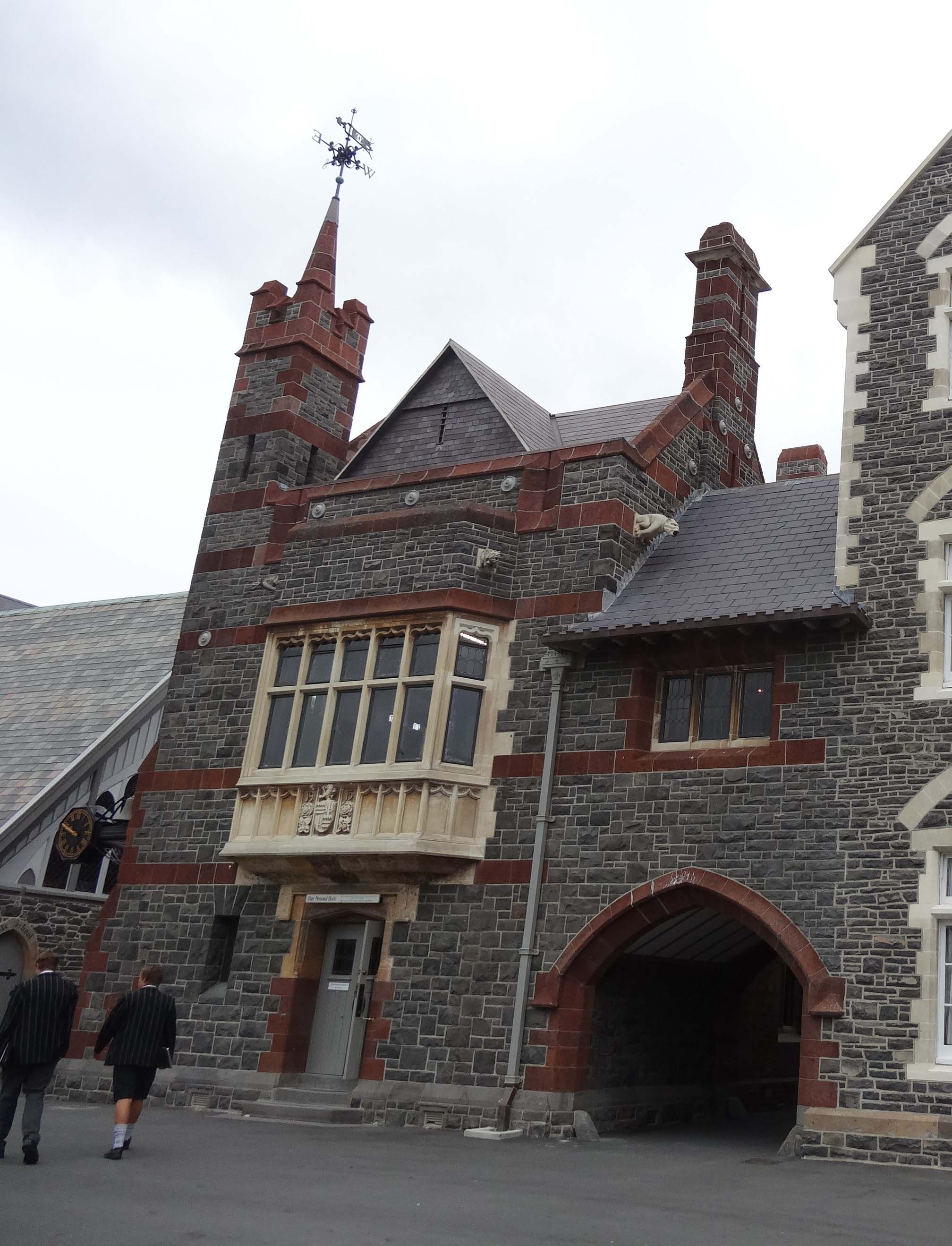
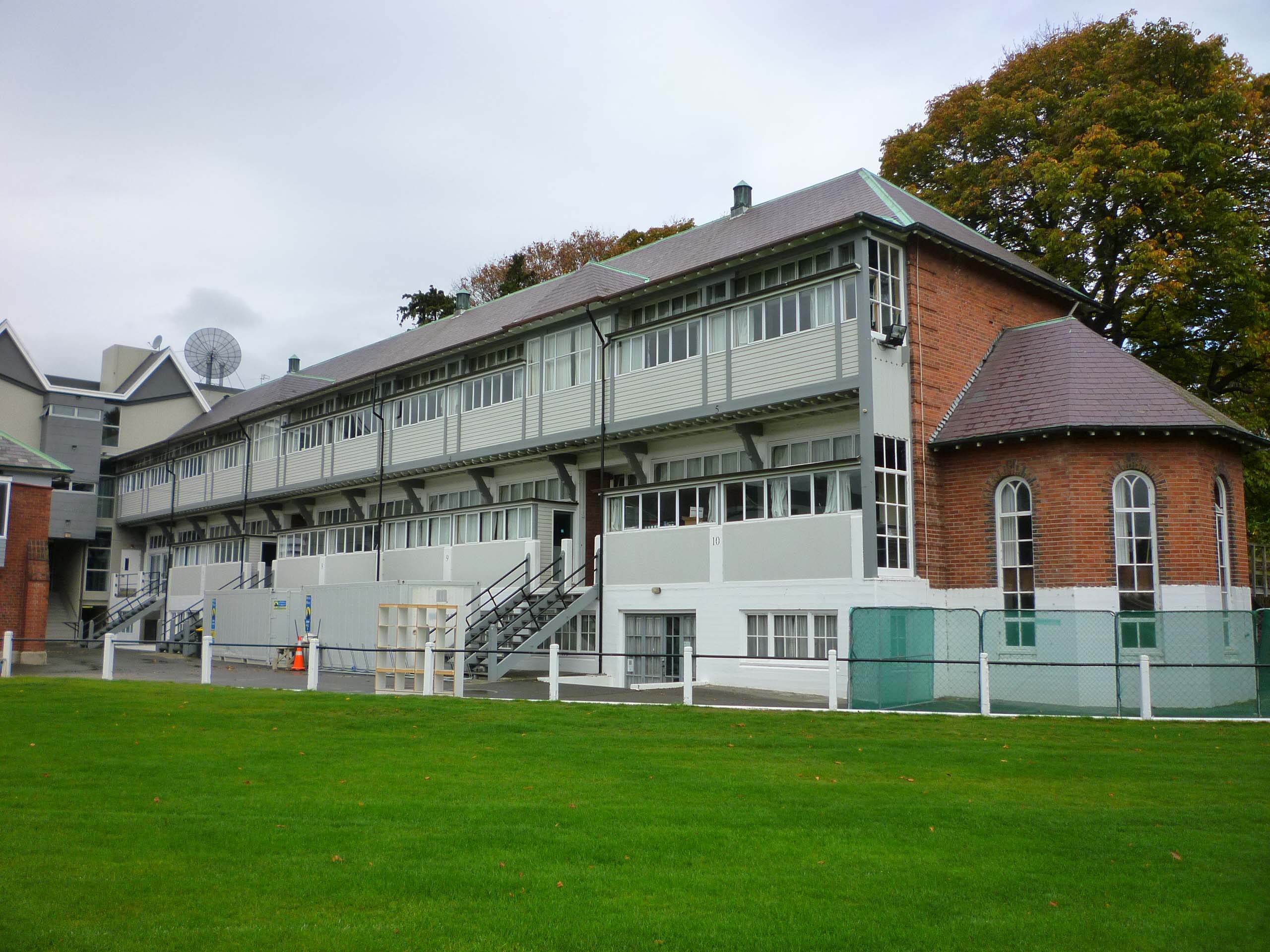
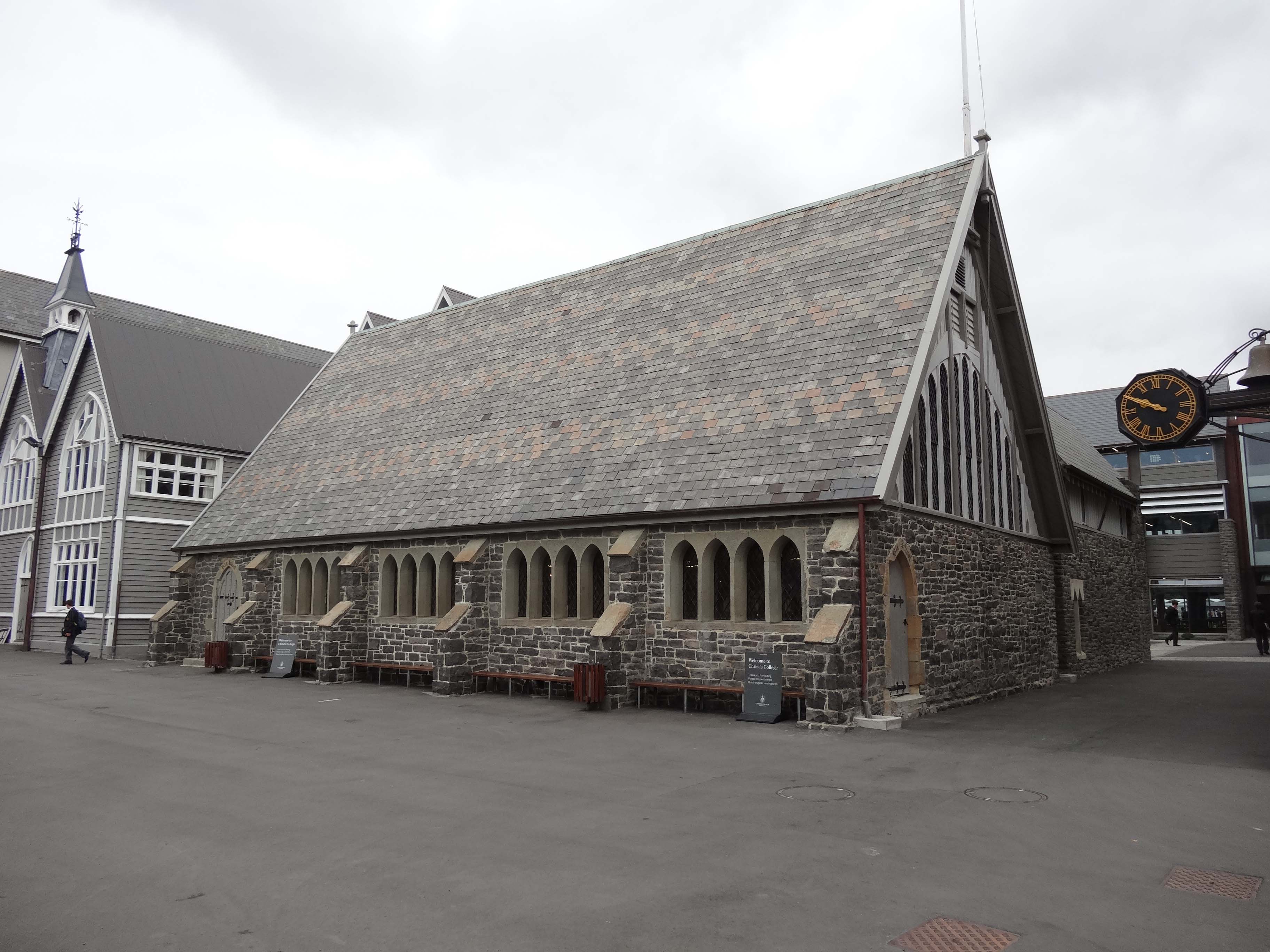
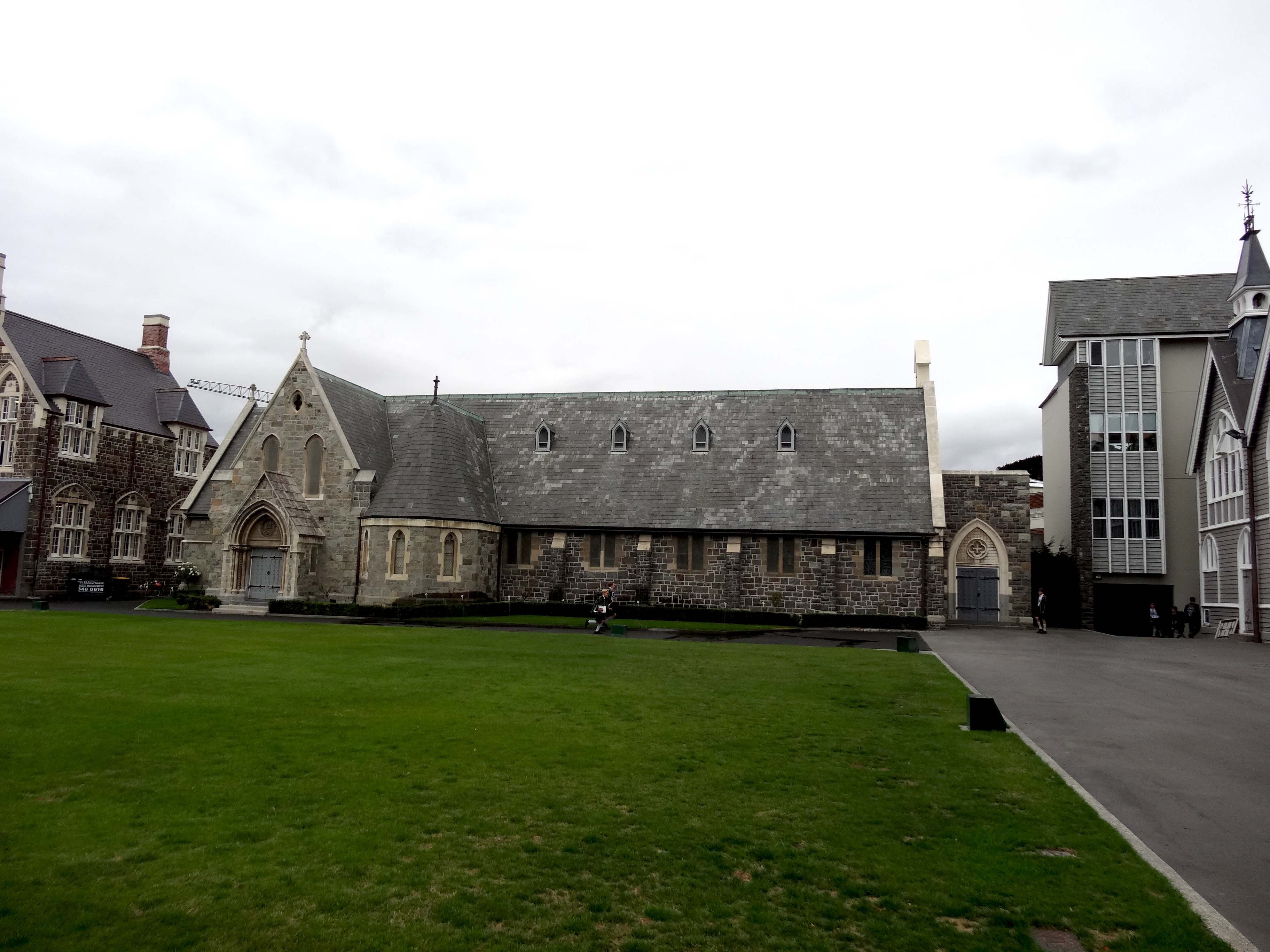
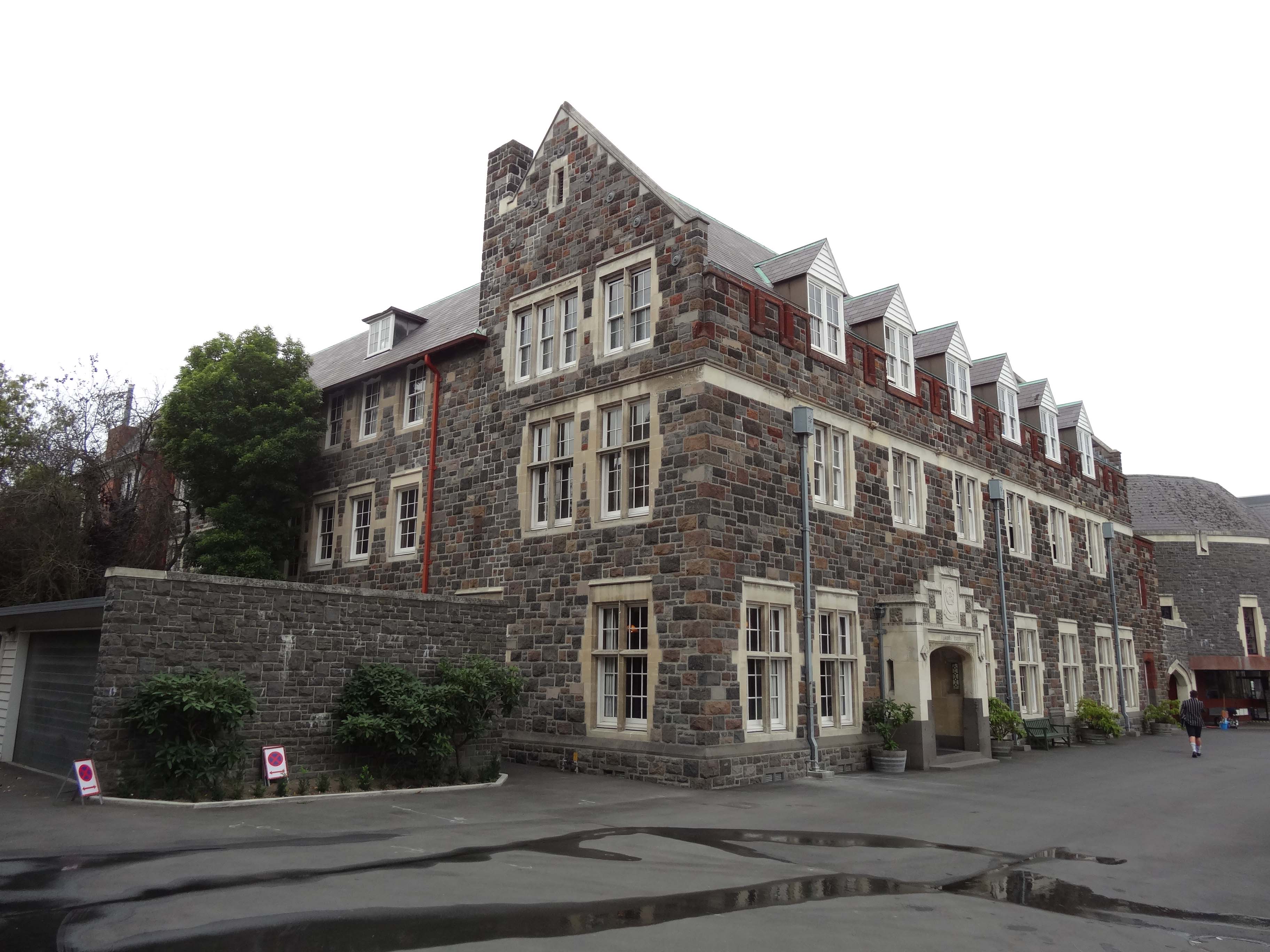
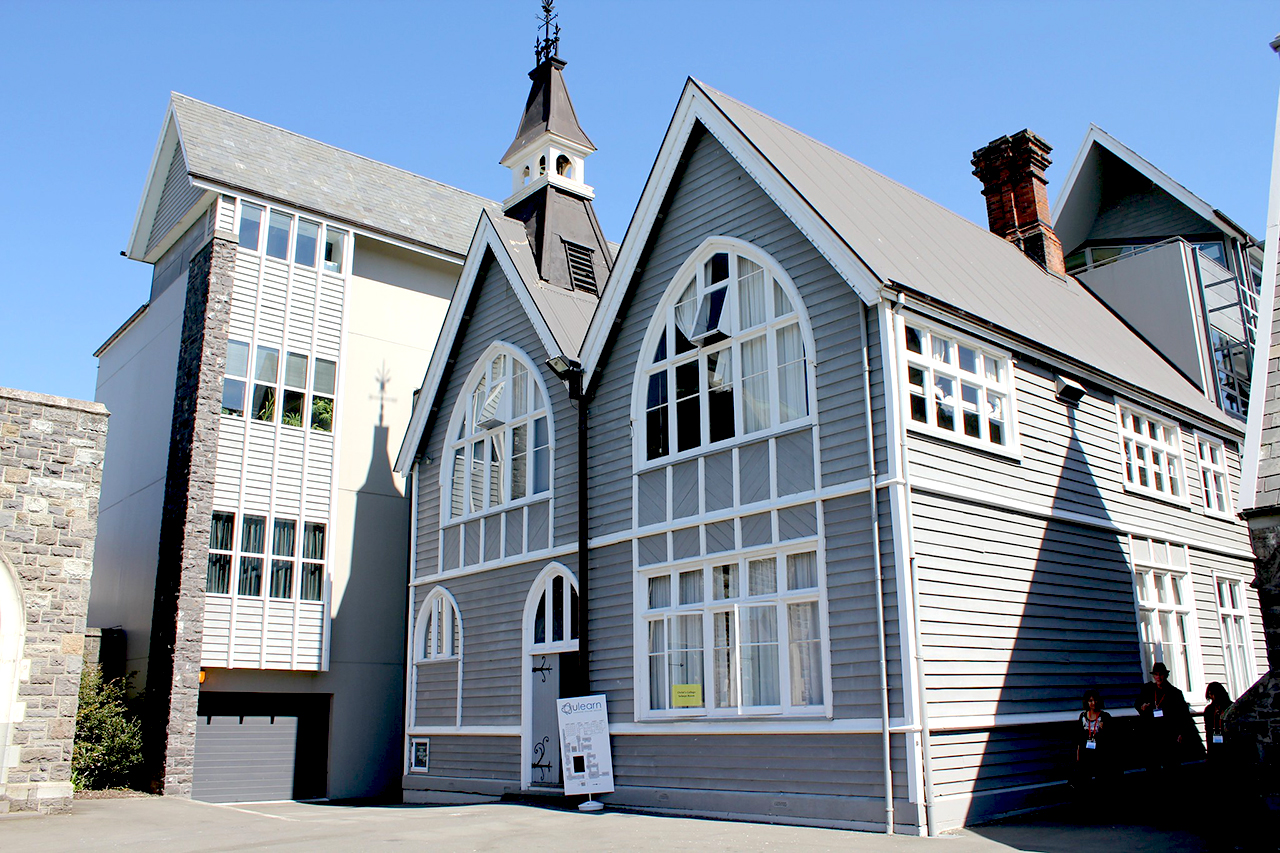
An integral part of the Canterbury Association settlement, Christ’s College is the oldest school in Christchurch, and was modelled on the public schools of England. Founded in 1850, it relocated from Lyttelton to Christchurch in 1852 and was established on its present Rolleston Avenue site in 1856. Many of the college’s early timber buildings were gradually replaced by ones in permanent materials. Buildings at the site include student and staff accommodation, with the house system being a key component. The name, School House, follows the English Public School tradition of calling the House in which the Headmaster, whom was also Housemaster, lived. The current Christ’s College School House superseded an earlier School House erected in 1858. The foundation stone was laid by the Governor-General, Lord Plunket, on 22 February 1908. The building was ready for occupation in 1909.
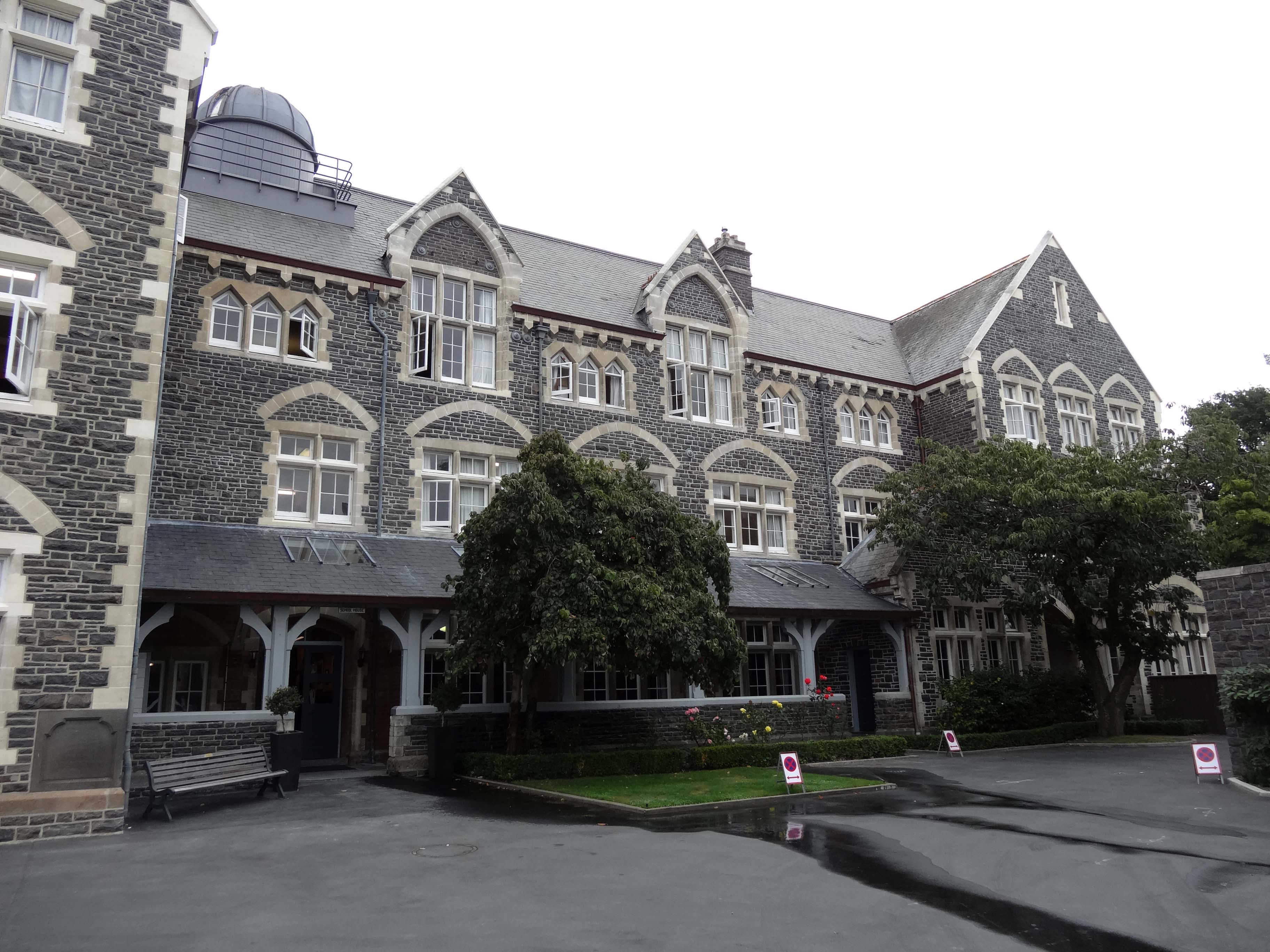
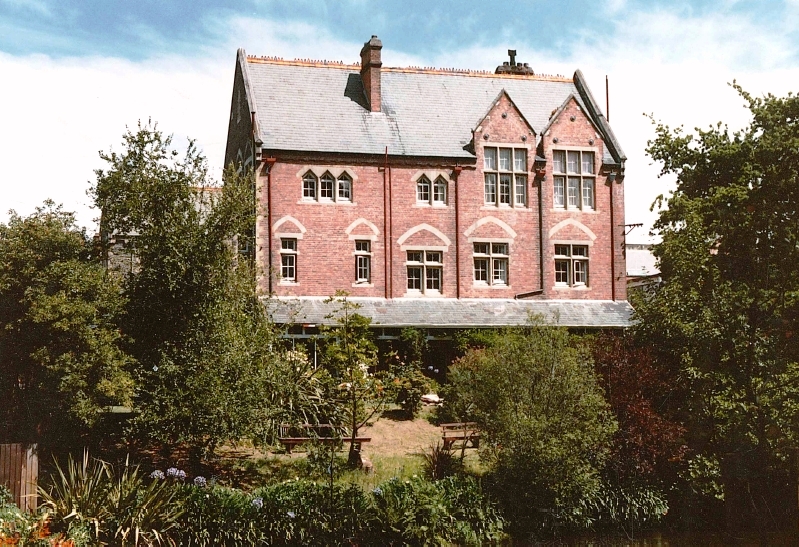
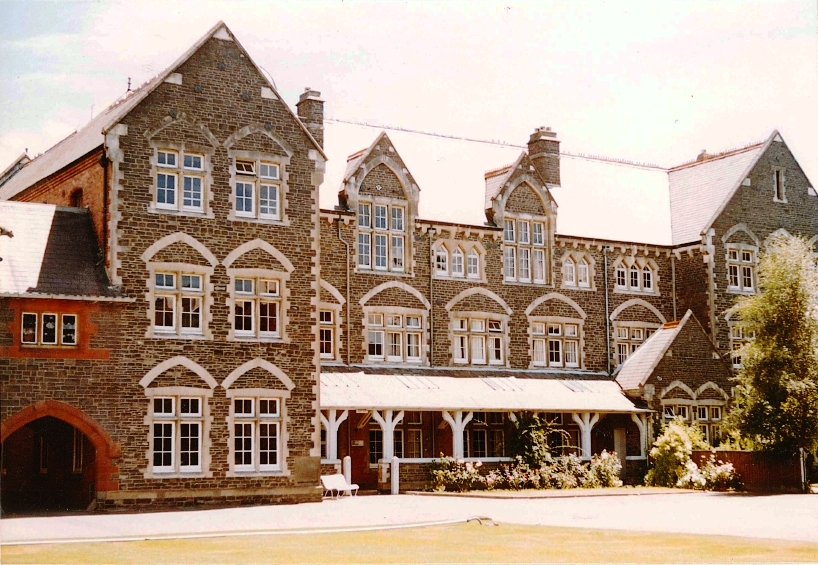
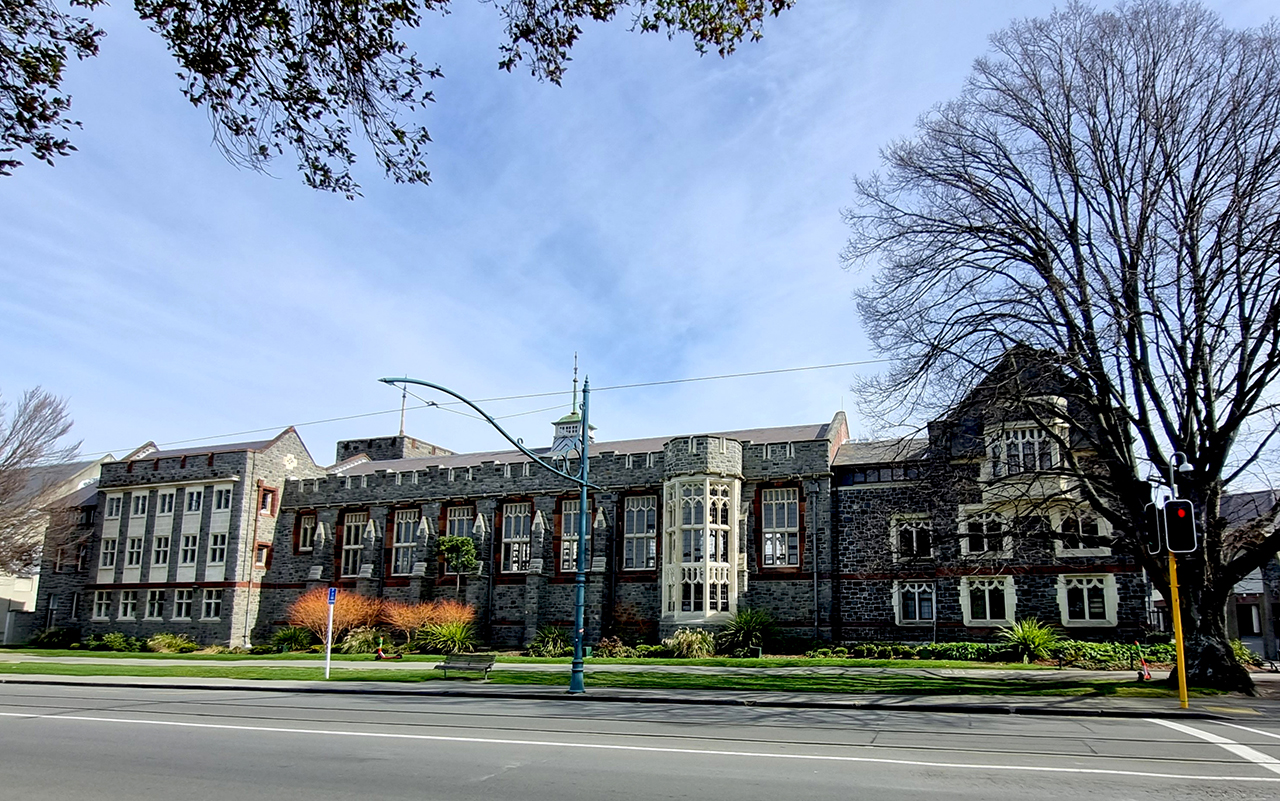
Situated on the west side of the school quadrangle, Christ’s College School House is a three storeyed dormitory block in Collegiate Gothic style. The design particularly complements in style and materials the 1885-6 classroom block (now Harper House and Julius House) designed by Cyril Mountfort’s renowned architect father, Benjamin W Mountfort. The main east frontage is constructed of Halswell rubble stone and features a cloistered façade, with windows grouped under enclosed arches. The south, west and north walls are brick. Originally School House included its own dining room and kitchen as well as dormitories, prefects’ rooms, studies, master’s rooms, matron’s rooms, etc. Overlooking the Avon River, the brick north wing is the master’s residence. It contained the master’s quarters with private entrance hall, dining room, study, drawing room, maid’s sitting room, store rooms, etc.
After the main dining room (Christ’s College Memorial Dining Room) was built at the school in 1925, School House’s dining room was converted for other uses. Since then the School House building has retained its original residential purpose, with some modifications. In 1936 an observatory, designed by architect Cecil Wood and built by G A D Sutherland, was added to the roof of School House. It is named the Tripp Observatory in recognition of old boy, Charles Howard Tripp, who in 1919 had gifted to the school an astronomical telescope formerly owned by Archdeacon Harper. School House was earthquake-strengthened in the early 1980s and refurbished in 2002. A steel framed concrete addition was built to the rear in 2002. Christ’s College School House was repaired following damage caused in the Canterbury earthquakes of 2010-11 and the telescope has also been repaired and restored following quake damage.
List Entry Information
Status
Listed
List Entry Status
Historic Place Category 2
Access
Private/No Public Access
List Number
3280
Date Entered
26th November 1981
Date of Effect
26th November 1981
City/District Council
Christchurch City
Region
Canterbury Region
Legal description
Pt Res 25 (RT CB436/70), Canterbury Land District
Status
Listed
List Entry Status
Historic Place Category 2
Access
Private/No Public Access
List Number
3280
Date Entered
26th November 1981
Date of Effect
26th November 1981
City/District Council
Christchurch City
Region
Canterbury Region
Legal description
Pt Res 25 (RT CB436/70), Canterbury Land District
Construction Professional
Name
Mountfort, Cyril Julian
Type
Architect
Biography
C J Mountfort (1852-1920) was the second son of Benjamin Woolfield Mountfort (1825-1898), the notable nineteenth century Gothic Revival architect in New Zealand. He assisted in his father's practice in the 1880s and 1890s before taking over the practice after 1898. C J Mountfort's architecture tended to resemble that of his father, although it was usually less successful. Two of his important ecclesiastical designs were those for the Church of St Luke The Evangelist, Christchurch (1908-9) and St John's Anglican Church, Hororata (1910).
Name
Wood, Cecil Walter
Type
Architect
Biography
Born in Christchurch, Wood (1878-1947) was articled to the local architect Frederick Strouts between 1894 and 1899. He worked for a short time as a draughtsman with the firm Clarkson and Ballantyne before travelling to England in 1901. Here Wood was exposed to a high quality of architectural design in the Edwardian Free Style, and was employed by two leading Edwardian architects Robert Weir Shultz and Leonard Stokes. In 1907 Wood returned to New Zealand to take up partnership with Samuel Hurst Seager. The partnership lasted for only one year for Wood set up his own practice in 1908. The years 1908-1915 were dominated by domestic commissions, but it was also during this time that he began his association with Christ's College, which included such commissions as Hare Memorial Library (1915), the Memorial Dining Hall (1923-5), Jacob's House (1931) and Open Air Classrooms (1932). During the 1920s Wood's practice began to expand and a Georgian influence can be seen in such works as Weston House Park Terrace (1923-4) and Bishopscourt (1926-7). A short lived partnership in 1927 with R S D Harman allowed Wood to travel to the United States while another in 1937 with Paul Pascoe allowed him to travel to England, Europe and the United States without neglecting his practice. During this second trip he made preparations for the design of St Paul's Anglican Cathedral in Wellington, which was erected after his death. During his life Wood had made a substantial contribution to the architecture of Christchurch, having an enthusiasm for both European and American styles.
Name
D Scott and Son
Type
Builder
Biography
No biography is currently available for this construction professional
Name
Collins & Harman
Type
Architect
Biography
One of the two oldest architectural firms in New Zealand, Armson, Collins and Harman was established by William Barnett Armson in 1870. After serving his articles with Armson, John James Collins (1855-1933) bought the practice after the former's death in 1883 and subsequently took Richard Dacre Harman (1859-1927) into partnership four years later. Collins' son, John Goddard Collins (1886-1973), joined the firm in 1903. Armson, Collins and Harman was one of Christchurch's leading architectural practices in the early years of this century. Notable examples of the firm's work include the Christchurch Press Building (1909), Nazareth House (1909), the former Canterbury College Students Union (1927), the Nurses Memorial Chapel at Christchurch Public Hospital (1927) and the Sign of the Takahe (1936). Their domestic work includes Blue Cliffs Station Homestead (1889) and Meadowbank Homestead, Irwell. In 1928 the firm's name was simplified to Collins and Harman and the firm continues today as Collins Architects Ltd. With a versatility and competence that betrayed the practice's debt to Armson's skill and professionalism, Collins and Harman designed a wide variety of building types in a range of styles.
Construction Details
Start Year
1909
Finish Year
1910
Type
Original Construction
Description
Construction of Christ’s College School House
Construction Professional
Name
Mountfort, Cyril Julian
Type
Architect
Biography
C J Mountfort (1852-1920) was the second son of Benjamin Woolfield Mountfort (1825-1898), the notable nineteenth century Gothic Revival architect in New Zealand. He assisted in his father's practice in the 1880s and 1890s before taking over the practice after 1898. C J Mountfort's architecture tended to resemble that of his father, although it was usually less successful. Two of his important ecclesiastical designs were those for the Church of St Luke The Evangelist, Christchurch (1908-9) and St John's Anglican Church, Hororata (1910).
Name
Wood, Cecil Walter
Type
Architect
Biography
Born in Christchurch, Wood (1878-1947) was articled to the local architect Frederick Strouts between 1894 and 1899. He worked for a short time as a draughtsman with the firm Clarkson and Ballantyne before travelling to England in 1901. Here Wood was exposed to a high quality of architectural design in the Edwardian Free Style, and was employed by two leading Edwardian architects Robert Weir Shultz and Leonard Stokes. In 1907 Wood returned to New Zealand to take up partnership with Samuel Hurst Seager. The partnership lasted for only one year for Wood set up his own practice in 1908. The years 1908-1915 were dominated by domestic commissions, but it was also during this time that he began his association with Christ's College, which included such commissions as Hare Memorial Library (1915), the Memorial Dining Hall (1923-5), Jacob's House (1931) and Open Air Classrooms (1932). During the 1920s Wood's practice began to expand and a Georgian influence can be seen in such works as Weston House Park Terrace (1923-4) and Bishopscourt (1926-7). A short lived partnership in 1927 with R S D Harman allowed Wood to travel to the United States while another in 1937 with Paul Pascoe allowed him to travel to England, Europe and the United States without neglecting his practice. During this second trip he made preparations for the design of St Paul's Anglican Cathedral in Wellington, which was erected after his death. During his life Wood had made a substantial contribution to the architecture of Christchurch, having an enthusiasm for both European and American styles.
Name
D Scott and Son
Type
Builder
Biography
No biography is currently available for this construction professional
Name
Collins & Harman
Type
Architect
Biography
One of the two oldest architectural firms in New Zealand, Armson, Collins and Harman was established by William Barnett Armson in 1870. After serving his articles with Armson, John James Collins (1855-1933) bought the practice after the former's death in 1883 and subsequently took Richard Dacre Harman (1859-1927) into partnership four years later. Collins' son, John Goddard Collins (1886-1973), joined the firm in 1903. Armson, Collins and Harman was one of Christchurch's leading architectural practices in the early years of this century. Notable examples of the firm's work include the Christchurch Press Building (1909), Nazareth House (1909), the former Canterbury College Students Union (1927), the Nurses Memorial Chapel at Christchurch Public Hospital (1927) and the Sign of the Takahe (1936). Their domestic work includes Blue Cliffs Station Homestead (1889) and Meadowbank Homestead, Irwell. In 1928 the firm's name was simplified to Collins and Harman and the firm continues today as Collins Architects Ltd. With a versatility and competence that betrayed the practice's debt to Armson's skill and professionalism, Collins and Harman designed a wide variety of building types in a range of styles.
Construction Details
Start Year
1909
Finish Year
1910
Type
Original Construction
Description
Construction of Christ’s College School House
Historical and Associated Iwi / Hapū / Whānau
Completion Date
10th March 2017
Report Written By
Robyn Burgess
Information Sources
Hamilton, 1991 (2)
D Hamilton, Wells, R. The Buildings of Christ's College 1850-1990 Christchurch, 1991.
Other Information
This place was identified as significant under previous legislation with different information requirements. It remains significant under the current legislation. There is opportunity under our legislation and policies to add to this information. Further information about this place may be available from the Southern Regional Office of Heritage New Zealand Pouhere Taonga. Please note that entry on the New Zealand Heritage List/Rarangi Korero identifies only the heritage values of the property concerned, and should not be construed as advice on the state of the property, or as a comment of its soundness or safety, including in regard to earthquake risk, safety in the event of fire, or insanitary conditions. A fully referenced upgrade report is available on request from the Southern Region Office of Heritage New Zealand.
Historical and Associated Iwi / Hapū / Whānau
Completion Date
10th March 2017
Report Written By
Robyn Burgess
Information Sources
Hamilton, 1991 (2)
D Hamilton, Wells, R. The Buildings of Christ's College 1850-1990 Christchurch, 1991.
Other Information
This place was identified as significant under previous legislation with different information requirements. It remains significant under the current legislation. There is opportunity under our legislation and policies to add to this information. Further information about this place may be available from the Southern Regional Office of Heritage New Zealand Pouhere Taonga. Please note that entry on the New Zealand Heritage List/Rarangi Korero identifies only the heritage values of the property concerned, and should not be construed as advice on the state of the property, or as a comment of its soundness or safety, including in regard to earthquake risk, safety in the event of fire, or insanitary conditions. A fully referenced upgrade report is available on request from the Southern Region Office of Heritage New Zealand.
Current Usages
Uses: Education
Specific Usage: School
Uses: Education
Specific Usage: School Dormitory
Uses: Education
Specific Usage: Staff housing
Uses: Research
Specific Usage: Observatory
Web Links
description:
Current Usages
Uses: Education
Specific Usage: School
Uses: Education
Specific Usage: School Dormitory
Uses: Education
Specific Usage: Staff housing
Uses: Research
Specific Usage: Observatory
Web Links
description:
Location
Related listings


Stay up to date with Heritage this month