DonateSupporterVisit Heritage
  • Tūrangawaewae
    Places
  • Tira Māori
    Māori Heritage
  • Poutairangahia
    Archaeology
  • Rauemi
    Resources
  • Mō Tātou
    About Us
  • New Zealand Heritage List
  • Nominate and submit
  • Explore the List
  • National Historic Landmarks
  • Plaques
  • Rainbow List Project
  • Lost heritage
  • Visit Heritage
  • Our properties
  • Turnbull House Project
  • Collections
  • Shop
  • Tohu Whenua
  • Tira Māori
  • Conserving Māori heritage
  • Marae built heritage
  • Māori heritage on the List
  • Hinemihi—Te Hokinga Mai
  • What is archaeology?
  • Is there a site on my property?
  • What are my legal requirements?
  • Affecting an archaeological site
  • Declaring an archaeological site
  • Archaeology FAQs
  • Archaeology Digital Library
  • Archaeology guidelines and templates
  • Resources
  • Funding
  • Publications
  • Sustainable management guides
  • Disaster recovery
  • Podcasts & digital resources
  • Education Hub
  • Conservation plans
  • About
  • Board
  • Māori Heritage Council
  • Senior Staff
  • Offices
  • Contact us
  • Careers
  • Covenants
  • Fast-track
  • Corporate documents
  • Currently consulting on
  • Our submissions
  • News
  • Covid-19 response
Quick links
Rārangi Kōrero | The List
Explore the List
National Historic Landmarks
Ngā Manawhenua o Aotearoa me ōna Kōrero Tūturu
Quick links
Tapuwae
A Vision for Places of Māori Heritage
Funding for Māori Heritage
Resources
Quick links
Archaeological Authority Portal
Applying for an archaeological authority
Archaeology FAQs
Browse the most frequently asked questions about archaeological authorities and the archaeological process.
Quick links
Quick links
Contact us
Offices
DonateSupporterVisit Heritage
  • Tūrangawaewae
    Places
  • Tira Māori
    Māori Heritage
  • Poutairangahia
    Archaeology
  • Rauemi
    Resources
  • Mō Tātou
    About Us
  • New Zealand Heritage List
  • Nominate and submit
  • Explore the List
  • National Historic Landmarks
  • Plaques
  • Rainbow List Project
  • Lost heritage
  • Visit Heritage
  • Our properties
  • Turnbull House Project
  • Collections
  • Shop
  • Tohu Whenua
  • Tira Māori
  • Conserving Māori heritage
  • Marae built heritage
  • Māori heritage on the List
  • Hinemihi—Te Hokinga Mai
  • What is archaeology?
  • Is there a site on my property?
  • What are my legal requirements?
  • Affecting an archaeological site
  • Declaring an archaeological site
  • Archaeology FAQs
  • Archaeology Digital Library
  • Archaeology guidelines and templates
  • Resources
  • Funding
  • Publications
  • Sustainable management guides
  • Disaster recovery
  • Podcasts & digital resources
  • Education Hub
  • Conservation plans
  • About
  • Board
  • Māori Heritage Council
  • Senior Staff
  • Offices
  • Contact us
  • Careers
  • Covenants
  • Fast-track
  • Corporate documents
  • Currently consulting on
  • Our submissions
  • News
  • Covid-19 response
Quick links
Rārangi Kōrero | The List
Explore the List
National Historic Landmarks
Ngā Manawhenua o Aotearoa me ōna Kōrero Tūturu
Quick links
Tapuwae
A Vision for Places of Māori Heritage
Funding for Māori Heritage
Resources
Quick links
Archaeological Authority Portal
Applying for an archaeological authority
Archaeology FAQs
Browse the most frequently asked questions about archaeological authorities and the archaeological process.
Quick links
Quick links
Contact us
Offices
  • Places
  • Nominate and submit
  • National Historic Landmarks
  • Places
  • Nominate and submit
  • National Historic Landmarks
  • Tira Māori
  • Conserving Māori heritage
  • Marae built heritage
  • Tira Māori
  • Conserving Māori heritage
  • Marae built heritage
  • Archaeological authorities
  • Archaeology Digital Library
  • Archaeological authorities
  • Archaeology Digital Library
  • All resources
  • Publications
  • Funding
  • All resources
  • Publications
  • Funding
  • FAQs
  • FAQs
Follow us on:
Places
  • Places
  • Nominate and submit
  • National Historic Landmarks
Tira Māori
  • Tira Māori
  • Conserving Māori heritage
  • Marae built heritage
Archaeology
  • Archaeological authorities
  • Archaeology Digital Library
Resources
  • All resources
  • Publications
  • Funding
FAQs
  • FAQs
Follow us on
HomePrivacyTerms and conditionsAbout this site
© Heritage New Zealand Pouhere Taonga 2026.
 
Akaroa Lighthouse

Beach Road, AKAROA

Private

Historic Place Category 2

List No. 3343
Quick links:
List GalleryLocationDetails
DESCRIPTION:
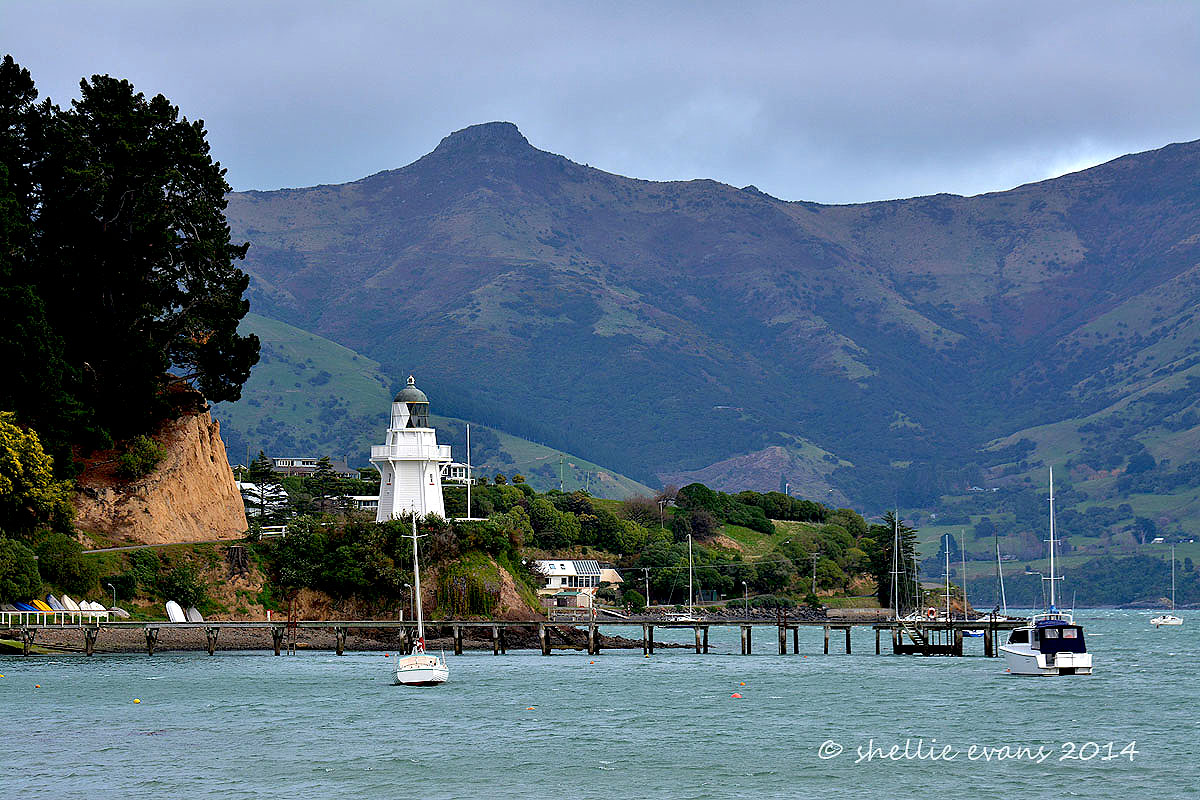
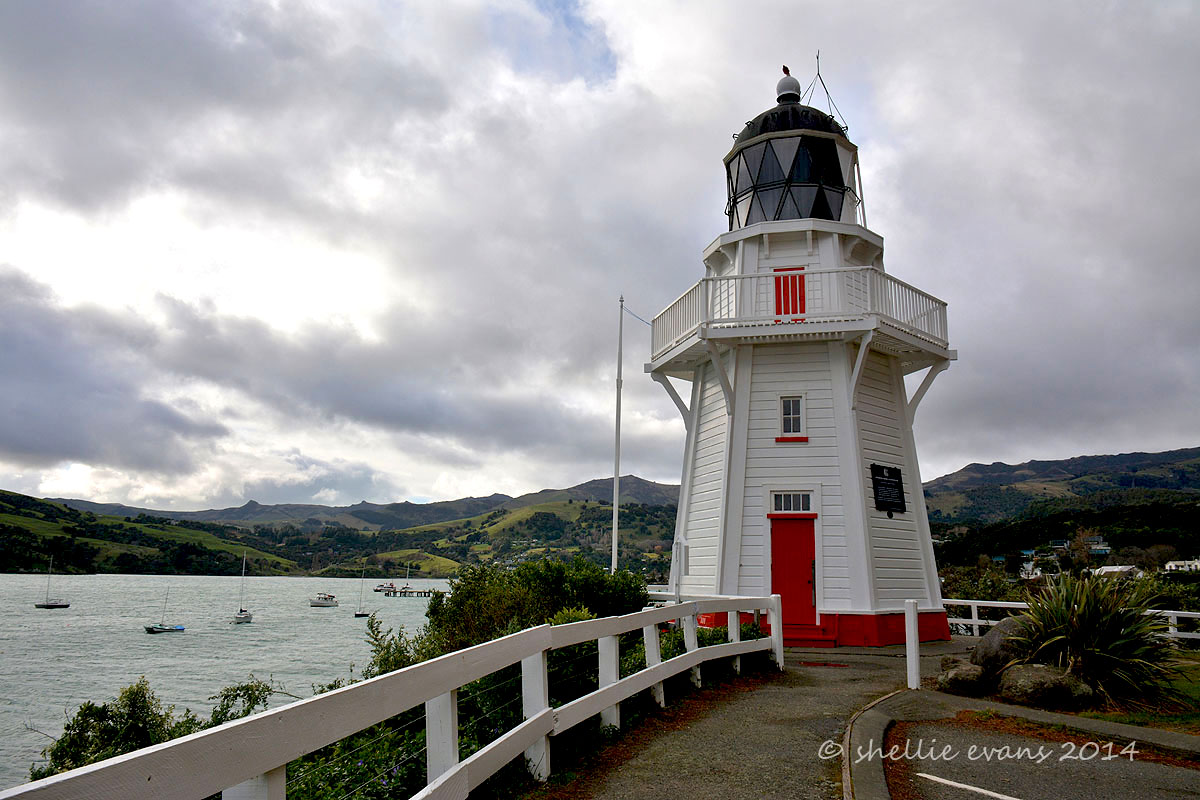
When the Akaroa lighthouse was built in 1878 coastal shipping was the principal form of transport and communication in New Zealand. Lighthouses were essential for the efficiency and safety of this service. The original site at Akaroa Head was selected in 1875 and the lighthouse was commenced in 1878 and completed the following year. It remained in use on this site until the 1970s. In 1980 it was cut into three sections, taken to its present site, reassembled and restored. The light may still be lit on special occasions. The lighthouse is open for public inspection.
Akaroa Lighthouse. CC BY-NC-ND 2.0 Image courtesy of www.flickr.com | Shellie Evans – flyingkiwigirl | 02/07/2014 | Shellie Evans
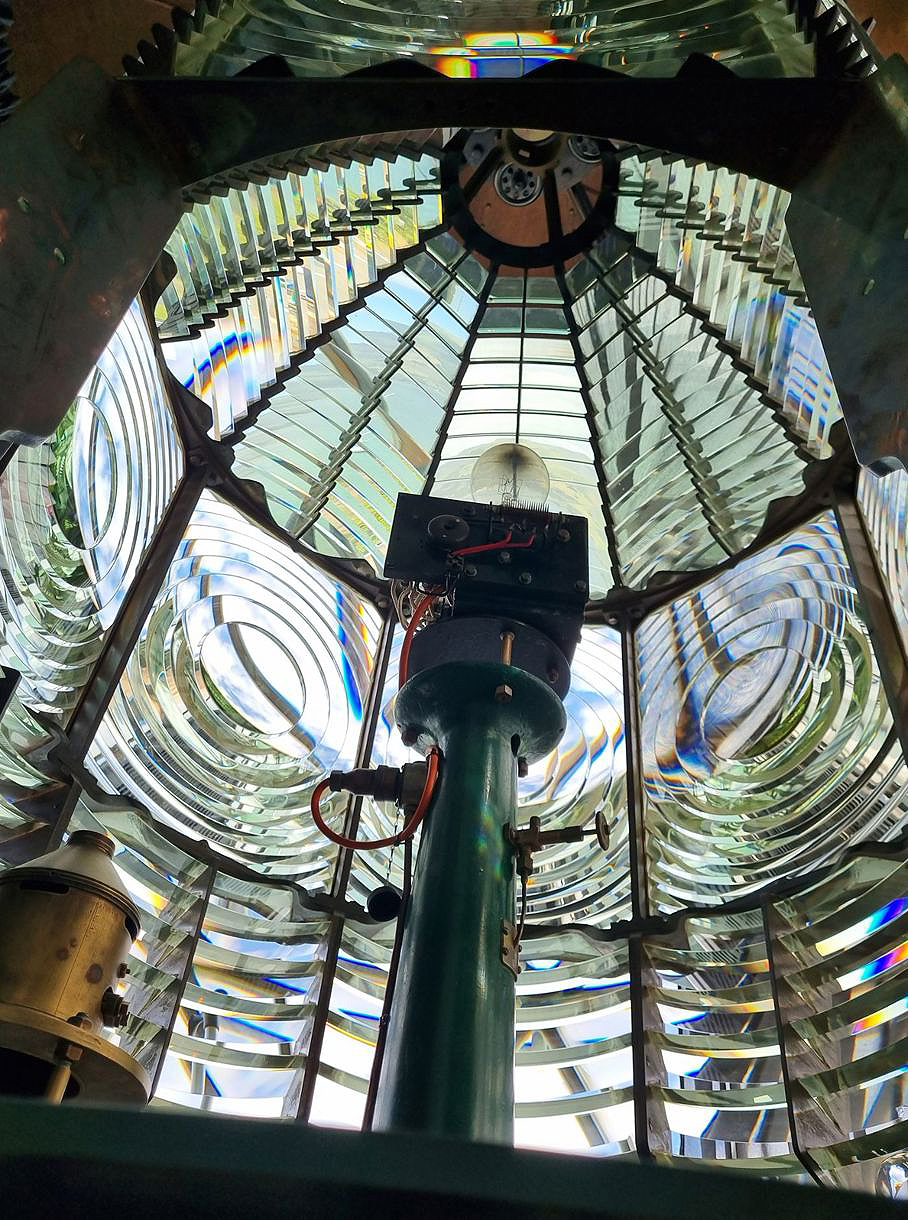
Akaroa Lighthouse. Lighthouse lenses consists of an egg-shaped system of prisms | Heritage New Zealand Pouhere Taonga
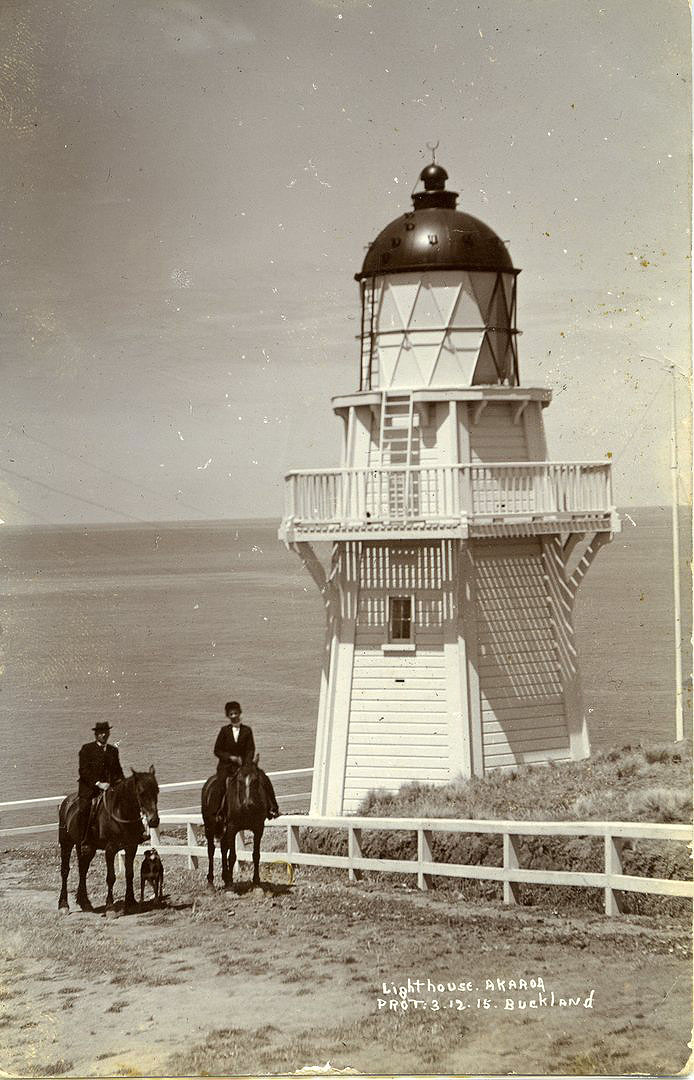
Akaroa Lighthouse. 1915 Image courtesy of discoverywall.nz Shuttleworth Collection - Kete Christchurch ID: CCL-Kete1122 | Jessie Buckland | Christchurch City Libraries
Akaroa Lighthouse. CC BY-NC-ND 2.0 Image courtesy of www.flickr.com | Shellie Evans – flyingkiwigirl | 02/07/2014 | Shellie Evans
Akaroa Lighthouse. Lighthouse lenses consists of an egg-shaped system of prisms | Heritage New Zealand Pouhere Taonga
Akaroa Lighthouse. 1915 Image courtesy of discoverywall.nz Shuttleworth Collection - Kete Christchurch ID: CCL-Kete1122 | Jessie Buckland | Christchurch City Libraries

List Entry Information

Overview

Status
Listed

List Entry Status
Historic Place Category 2

Access
Private/No Public Access

List Number
3343

Date Entered
22nd August 1991

Date of Effect
22nd August 1991

City/District Council
Christchurch City

Region
Canterbury Region

Extent of List Entry

Extent of registration includes part of the land known as Road Reserve, Canterbury Land District, and the structure known as Akaroa Lighthouse thereon.

Legal description

Road Reserve, Canterbury Land District

Location Description

The Akaroa Lighthouse is located on Beach Road close to the wharf and Akaroa Cruising Club

Detailed List Entry
Significance

Historic Significance

Historical Significance or Value Lighthouses were an essential aspect of the coastal maritime trade in New Zealand in the 19th century. Their importance has declined in recent years and many lighthouses have been de-manned and disestablished. The Akaroa Lighthouse, even in its relocated position, is a prominent reminder of this service in its heyday.

Physical Significance

ARCHITECTURAL QUALITY: The Akaroa lighthouse is one of the few surviving wooden lighthouses on the New Zealand coast. It is a functional wooden building of simple but pleasant lines. The triangular-paned glass screen and copper sheathed cupola are distinctive and attractive features. Although it has been moved, its appearance today is essentially the same as it would have been on 1 January 1880 when it first exhibited. TOWNSCAPE/LANDMARK VALUE: The lighthouse is a prominent feature of Cemetery Point, Akaroa.

Construction Professional

Name

Stevenson, D & T

Type

Architect

Biography

David and Thomas Stevenson came from a long line of Stevensons trained as engineers and commissioned to build lighthouses on the Scottish coast. Thomas was the father of writer Robert Louis Stevenson. D & T Stevenson & Co were based in Edinburgh. Contracted to the Scottish Light Service they designed the machinery for a number of other New Zealand lighthouses, including Dog Island, Foveaux Strait 1865), Bean Rock, Waitemata Harbour (1872), Cape Saunders (1878-9) and Akaroa Head (1878-9). The latter two lighthouses were identical in design and were both exhibited for the first time on 1 January 1880.

Construction Details

Start Year

1879

Type

Original Construction

Start Year

1951

Type

Modification

Description

Light electrified

Start Year

1980

Type

Relocation

Description

Lighthouse relocated at Akaroa township; many cladding timbers replaced; balcony strengthened and pipe stair rails replaced with brass rails; sprinklers installed.

Construction Materials

All the major framing is Australian hardwood; the auxiliary frame, interior linings and white painted exterior timber is mostly kauri; triangular plates of glass below the dome are held in by cast bronze; dome sheathed in copper.

Notable Features

Glass screen and copper cupola.

Physical Description

ARCHITECTURAL DESCRIPTION: The Akaroa Lighthouse is a six-sided wooden weatherboard building which is 12.5 metres high and 5.49 metres wide at the base. Its sides slope inwards to the light platform at the third floor. Entry is at ground level through a tongue and groove door. Narrow stairs rise between each floor. At the third level a door opens onto a balcony with wooden rail and paling balustrade and wooden angled supports, which encircles the tower. The top level which is enclosed by glass arranged in triangular panes is topped by a rounded roof sheathed in copper. The Akaroa light is a second order dioptric holophotal revolving light, hand made in France. The lens, which is over 2 metres high and 1.5 metres in diameter, is constructed of a number of prisms which reflect the light in eight separate beams radially from the tower. The lens rotates in 80 seconds, giving a periodicity of 10 seconds to the flashes which are visible to 40 kilometres. The clockwork rotation mechanism is driven by weights descending in the tower. The light originally used a wick burner kerosene system, but in 1917 a Chand incandescent petroleum vapour kerosene burner was installed. In 1951 a 1000 watt electric system with an output of one million candlepower was installed. MODIFICATIONS: 1951 Light electrified. 1980 Lighthouse relocated at Akaroa township; many cladding timbers replaced; balcony strengthened and pipe stair rails replaced with brass rails; sprinklers installed.

Reference

Information Sources

Plans

Architectural Drawings/Plans

Historic Places in New Zealand

Historic Places in New Zealand

Porter, 1983

Frances Porter (ed), Historic Buildings of Dunedin, South Island, Methuen, Auckland, 1983.

Encyclopaedia Britannica

Encyclopaedia Britannica

Report Written By

This historic place was registered under the Historic Places Act 1980. This report includes the text from the original Building Classification Committee report considered by the NZHPT Board at the time of registration. Please note that entry on the New Zealand Heritage List/Rarangi Korero identifies only the heritage values of the property concerned, and should not be construed as advice on the state of the property, or as a comment of its soundness or safety, including in regard to earthquake risk, safety in the event of fire, or insanitary conditions.

Further Information

Current Usages

Former Usages

General Usage:: Transport

Specific Usage: Lighthouse

Themes

Web Links

Overview

Status

Listed

List Entry Status

Historic Place Category 2

Access

Private/No Public Access

List Number

3343

Date Entered

22nd August 1991

Date of Effect

22nd August 1991

City/District Council

Christchurch City

Region

Canterbury Region

Extent of List Entry

Extent of registration includes part of the land known as Road Reserve, Canterbury Land District, and the structure known as Akaroa Lighthouse thereon.

Legal description

Road Reserve, Canterbury Land District

Location Description

The Akaroa Lighthouse is located on Beach Road close to the wharf and Akaroa Cruising Club

Status

Listed

List Entry Status

Historic Place Category 2

Access

Private/No Public Access

List Number

3343

Date Entered

22nd August 1991

Date of Effect

22nd August 1991

City/District Council

Christchurch City

Region

Canterbury Region

Extent of List Entry

Extent of registration includes part of the land known as Road Reserve, Canterbury Land District, and the structure known as Akaroa Lighthouse thereon.

Legal description

Road Reserve, Canterbury Land District

Location Description

The Akaroa Lighthouse is located on Beach Road close to the wharf and Akaroa Cruising Club

Significance

Why is this place significant?

Historic Significance

Historical Significance or Value Lighthouses were an essential aspect of the coastal maritime trade in New Zealand in the 19th century. Their importance has declined in recent years and many lighthouses have been de-manned and disestablished. The Akaroa Lighthouse, even in its relocated position, is a prominent reminder of this service in its heyday.

Physical Significance

ARCHITECTURAL QUALITY: The Akaroa lighthouse is one of the few surviving wooden lighthouses on the New Zealand coast. It is a functional wooden building of simple but pleasant lines. The triangular-paned glass screen and copper sheathed cupola are distinctive and attractive features. Although it has been moved, its appearance today is essentially the same as it would have been on 1 January 1880 when it first exhibited. TOWNSCAPE/LANDMARK VALUE: The lighthouse is a prominent feature of Cemetery Point, Akaroa.

Why is this place significant?

Historic Significance

Historical Significance or Value Lighthouses were an essential aspect of the coastal maritime trade in New Zealand in the 19th century. Their importance has declined in recent years and many lighthouses have been de-manned and disestablished. The Akaroa Lighthouse, even in its relocated position, is a prominent reminder of this service in its heyday.

Physical Significance

ARCHITECTURAL QUALITY: The Akaroa lighthouse is one of the few surviving wooden lighthouses on the New Zealand coast. It is a functional wooden building of simple but pleasant lines. The triangular-paned glass screen and copper sheathed cupola are distinctive and attractive features. Although it has been moved, its appearance today is essentially the same as it would have been on 1 January 1880 when it first exhibited. TOWNSCAPE/LANDMARK VALUE: The lighthouse is a prominent feature of Cemetery Point, Akaroa.

Construction Information

Construction Professional

Name

Stevenson, D & T

Type

Architect

Biography

David and Thomas Stevenson came from a long line of Stevensons trained as engineers and commissioned to build lighthouses on the Scottish coast. Thomas was the father of writer Robert Louis Stevenson. D & T Stevenson & Co were based in Edinburgh. Contracted to the Scottish Light Service they designed the machinery for a number of other New Zealand lighthouses, including Dog Island, Foveaux Strait 1865), Bean Rock, Waitemata Harbour (1872), Cape Saunders (1878-9) and Akaroa Head (1878-9). The latter two lighthouses were identical in design and were both exhibited for the first time on 1 January 1880.

Construction Details

Start Year

1879

Type

Original Construction

Start Year

1951

Type

Modification

Description

Light electrified

Start Year

1980

Type

Relocation

Description

Lighthouse relocated at Akaroa township; many cladding timbers replaced; balcony strengthened and pipe stair rails replaced with brass rails; sprinklers installed.

Construction Materials

All the major framing is Australian hardwood; the auxiliary frame, interior linings and white painted exterior timber is mostly kauri; triangular plates of glass below the dome are held in by cast bronze; dome sheathed in copper.

Notable Features

Glass screen and copper cupola.

Construction Professional

Name

Stevenson, D & T

Type

Architect

Biography

David and Thomas Stevenson came from a long line of Stevensons trained as engineers and commissioned to build lighthouses on the Scottish coast. Thomas was the father of writer Robert Louis Stevenson. D & T Stevenson & Co were based in Edinburgh. Contracted to the Scottish Light Service they designed the machinery for a number of other New Zealand lighthouses, including Dog Island, Foveaux Strait 1865), Bean Rock, Waitemata Harbour (1872), Cape Saunders (1878-9) and Akaroa Head (1878-9). The latter two lighthouses were identical in design and were both exhibited for the first time on 1 January 1880.

Construction Details

Start Year

1879

Type

Original Construction

Start Year

1951

Type

Modification

Description

Light electrified

Start Year

1980

Type

Relocation

Description

Lighthouse relocated at Akaroa township; many cladding timbers replaced; balcony strengthened and pipe stair rails replaced with brass rails; sprinklers installed.

Construction Materials

All the major framing is Australian hardwood; the auxiliary frame, interior linings and white painted exterior timber is mostly kauri; triangular plates of glass below the dome are held in by cast bronze; dome sheathed in copper.

Notable Features

Glass screen and copper cupola.

Physical Description

ARCHITECTURAL DESCRIPTION: The Akaroa Lighthouse is a six-sided wooden weatherboard building which is 12.5 metres high and 5.49 metres wide at the base. Its sides slope inwards to the light platform at the third floor. Entry is at ground level through a tongue and groove door. Narrow stairs rise between each floor. At the third level a door opens onto a balcony with wooden rail and paling balustrade and wooden angled supports, which encircles the tower. The top level which is enclosed by glass arranged in triangular panes is topped by a rounded roof sheathed in copper. The Akaroa light is a second order dioptric holophotal revolving light, hand made in France. The lens, which is over 2 metres high and 1.5 metres in diameter, is constructed of a number of prisms which reflect the light in eight separate beams radially from the tower. The lens rotates in 80 seconds, giving a periodicity of 10 seconds to the flashes which are visible to 40 kilometres. The clockwork rotation mechanism is driven by weights descending in the tower. The light originally used a wick burner kerosene system, but in 1917 a Chand incandescent petroleum vapour kerosene burner was installed. In 1951 a 1000 watt electric system with an output of one million candlepower was installed. MODIFICATIONS: 1951 Light electrified. 1980 Lighthouse relocated at Akaroa township; many cladding timbers replaced; balcony strengthened and pipe stair rails replaced with brass rails; sprinklers installed.

ARCHITECTURAL DESCRIPTION: The Akaroa Lighthouse is a six-sided wooden weatherboard building which is 12.5 metres high and 5.49 metres wide at the base. Its sides slope inwards to the light platform at the third floor. Entry is at ground level through a tongue and groove door. Narrow stairs rise between each floor. At the third level a door opens onto a balcony with wooden rail and paling balustrade and wooden angled supports, which encircles the tower. The top level which is enclosed by glass arranged in triangular panes is topped by a rounded roof sheathed in copper. The Akaroa light is a second order dioptric holophotal revolving light, hand made in France. The lens, which is over 2 metres high and 1.5 metres in diameter, is constructed of a number of prisms which reflect the light in eight separate beams radially from the tower. The lens rotates in 80 seconds, giving a periodicity of 10 seconds to the flashes which are visible to 40 kilometres. The clockwork rotation mechanism is driven by weights descending in the tower. The light originally used a wick burner kerosene system, but in 1917 a Chand incandescent petroleum vapour kerosene burner was installed. In 1951 a 1000 watt electric system with an output of one million candlepower was installed. MODIFICATIONS: 1951 Light electrified. 1980 Lighthouse relocated at Akaroa township; many cladding timbers replaced; balcony strengthened and pipe stair rails replaced with brass rails; sprinklers installed.

Reference

Historical and Associated Iwi / Hapū / Whānau

Information Sources

Plans

Architectural Drawings/Plans

Historic Places in New Zealand

Historic Places in New Zealand

Porter, 1983

Frances Porter (ed), Historic Buildings of Dunedin, South Island, Methuen, Auckland, 1983.

Encyclopaedia Britannica

Encyclopaedia Britannica

Other Information

This historic place was registered under the Historic Places Act 1980. This report includes the text from the original Building Classification Committee report considered by the NZHPT Board at the time of registration. Please note that entry on the New Zealand Heritage List/Rarangi Korero identifies only the heritage values of the property concerned, and should not be construed as advice on the state of the property, or as a comment of its soundness or safety, including in regard to earthquake risk, safety in the event of fire, or insanitary conditions.

Historical and Associated Iwi / Hapū / Whānau

Information Sources

Plans

Architectural Drawings/Plans

Historic Places in New Zealand

Historic Places in New Zealand

Porter, 1983

Frances Porter (ed), Historic Buildings of Dunedin, South Island, Methuen, Auckland, 1983.

Encyclopaedia Britannica

Encyclopaedia Britannica

Other Information

This historic place was registered under the Historic Places Act 1980. This report includes the text from the original Building Classification Committee report considered by the NZHPT Board at the time of registration. Please note that entry on the New Zealand Heritage List/Rarangi Korero identifies only the heritage values of the property concerned, and should not be construed as advice on the state of the property, or as a comment of its soundness or safety, including in regard to earthquake risk, safety in the event of fire, or insanitary conditions.

Further Information

Former Usages

General Usage: Transport

Specific Usage: Lighthouse

Former Usages

General Usage: Transport

Specific Usage: Lighthouse

Location

Loading
Related listings
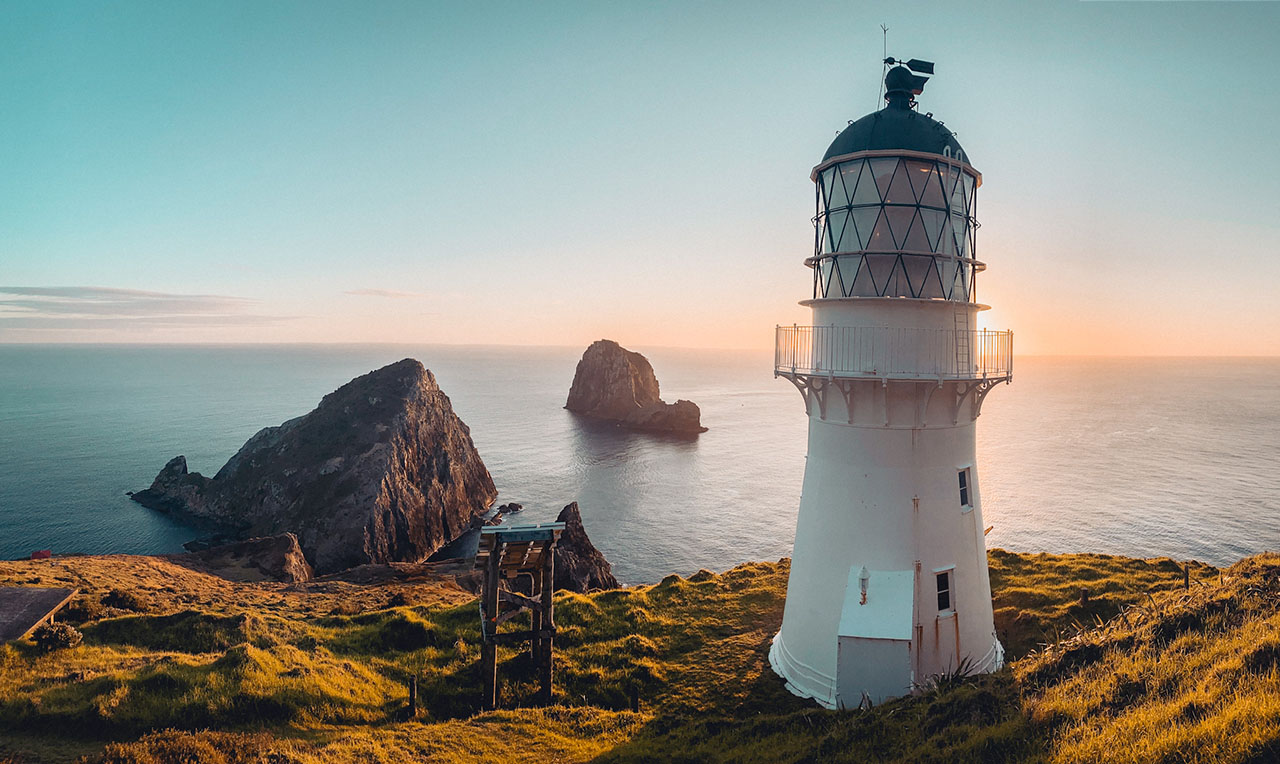
Cape Brett Lighthouse Station. Image courtesy of www.flickr.com
Cape Brett Lighthouse Station
Cape Brett Lighthouse Station. Image courtesy of www.flickr.com
Cape Brett Lighthouse Station
Sign up to hear more

Get the latest heritage news, features and events delivered
straight to your inbox.

Subscribe