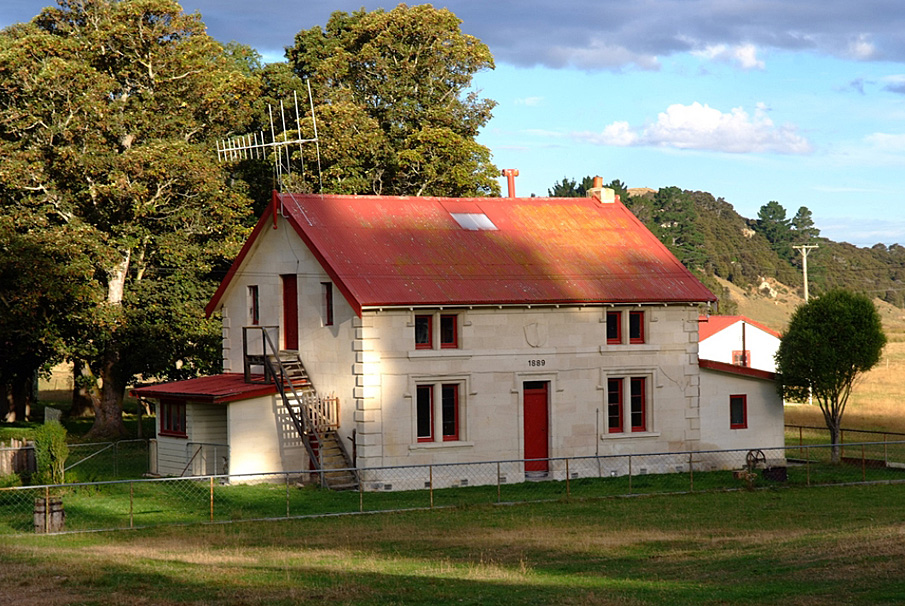
Kuriheka was originally part of the Otepopo Run first taken up by Charles Suisted in the late 1840s, and later owned by members of the Fenwick family. However, Joseph Cowie Nichols established the grand estate in the 1880s. Joseph Cowie Nichols bought Kuriheka at auction on 18 March 1885 for £20,200. Nichols (1859-1954) was born in Tasmania. His father, Charles, wife Mary, and their family had moved to Dunedin in 1869 where Charles was to be F.G. Dalgety’s partner in Dalgety and Nichols (a forerunner to Dalgety and Co., a well-known stock and station agency.) Charles Nichols died in a coach crash near Palmerston in 1878. Son Joseph Cowie bought Kuriheka after an academic education at Cambridge, and another farming education at ‘Benduck’ on the Murrumbidgee River in New South Wales. There he met his bride to be - Helen Hunter Ayres, the daughter of the station owner Robert Mackenzie Ayre. The couple settled at Kuriheka. Cowie Nichols set about establishing his estate in the grand style, assisted by his mother – as a wedding gift Mary had the drawing room, stables, woolshed and cookhouse built.
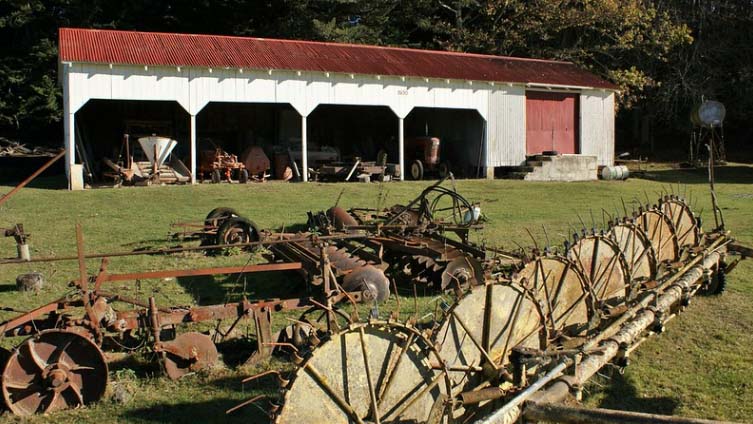
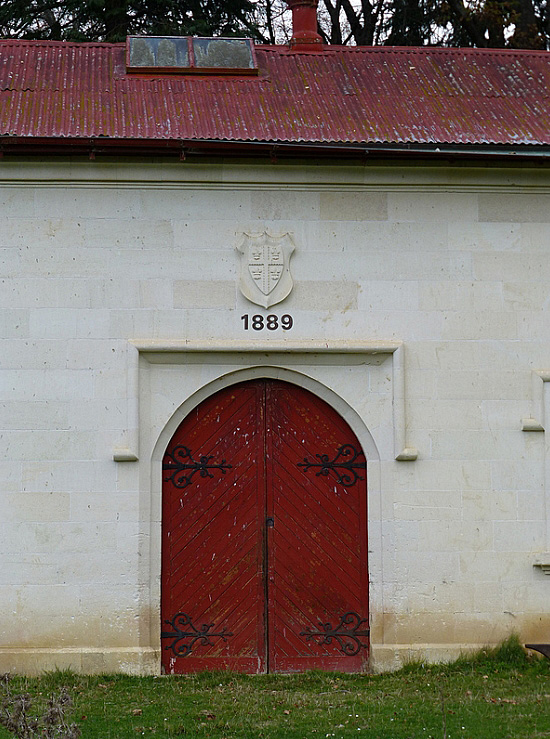
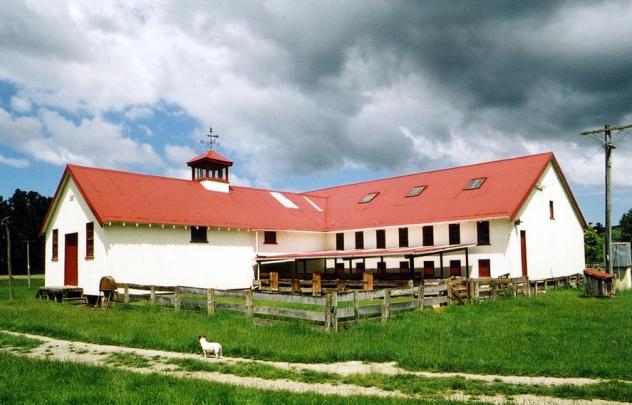
Architect and engineer Geoffrey Thornton describes the stables as the ‘most striking of the dispersed group.’ It is a full two storeys, with a corrugated iron roof and central dormer on the front elevation. The stable has the date ‘1876’ and a coat of arms above the main doors. The woolshed was built in 1889. It has a timber frame and weatherboards, that have been stuccoed at a later date. It is T-shaped with fourteen shearing stands on both sides of the wool room wing. There are windows above each chute. Two plaques commemorate the long serving Harry Ure, a shearer from 1877-1940, ‘axeman and station hand.’ Geoffrey Thornton writes that Kuriheka is ‘well known for its attractive buildings in their park-like setting.’ The limestone cookshop was built in 1889. The limestone is laid in ashlar form with quoins at the edges. He describes this as a ‘neat building’ in this ‘fine complex.’ A separate block was built in 1891 for the single men. It is a single-storey gabled building with a verandah and a small low lean-to at one end. The substantial cookshop and the shearers’ quarters give an insight into the lives of workers on the estate. The implement sheds, including the power house, give an idea of the technologies associated with running the estate.
Historian K.C. McDonald writes that Kuriheka is a place of ‘unusual interest’.’ In 2015, Kuriheka Estate remains significant for its fine group of buildings.
List Entry Information
Status
Listed
List Entry Status
Historic Place Category 1
Access
Private/No Public Access
List Number
347
Date Entered
27th July 1988
Date of Effect
27th July 1988
City/District Council
Waitaki District
Region
Otago Region
Legal description
Lot 1 DP 451365 (RT 585489), Otago Land District
Status
Listed
List Entry Status
Historic Place Category 1
Access
Private/No Public Access
List Number
347
Date Entered
27th July 1988
Date of Effect
27th July 1988
City/District Council
Waitaki District
Region
Otago Region
Legal description
Lot 1 DP 451365 (RT 585489), Otago Land District
Why is this place significant?
Historic Significance
Historical Significance or Value Fairfax Fenwick and his brother established the Kuriheka Station within the old Otepopo Run. Colonel J C Nichols bought the station in 1885 and built numerous walls, gates and buildings of Oamaru stone, all carefully labelled with their dates. He had six children and added to the house which is grand but too complex to be an architectural success. Nichols acquired several field guns which stand in the park-like environs of the farmstead. The homestead houses a large and varied collection from all over the world of weapons and military artefacts, ranging from Maori patu to a coat of armour. J C Nichols was educated at Christ's College and Cambridge and was for a long time Commanding Officer to the Otago Mounted Rifles. His Cambridge training is apparent in the quality of the weapons collected from the Pacific islands and Australia. He and wife were local benefactors in North Otago financing the building of the small stone Anglican St Andrews church at Maheno. Colonel Nichols died at the age of 95 in 1954. The homestead and stables are held by a family trust and the title to the land by Mr R C Nichols, 10 RD, Oamaru.
Physical Significance
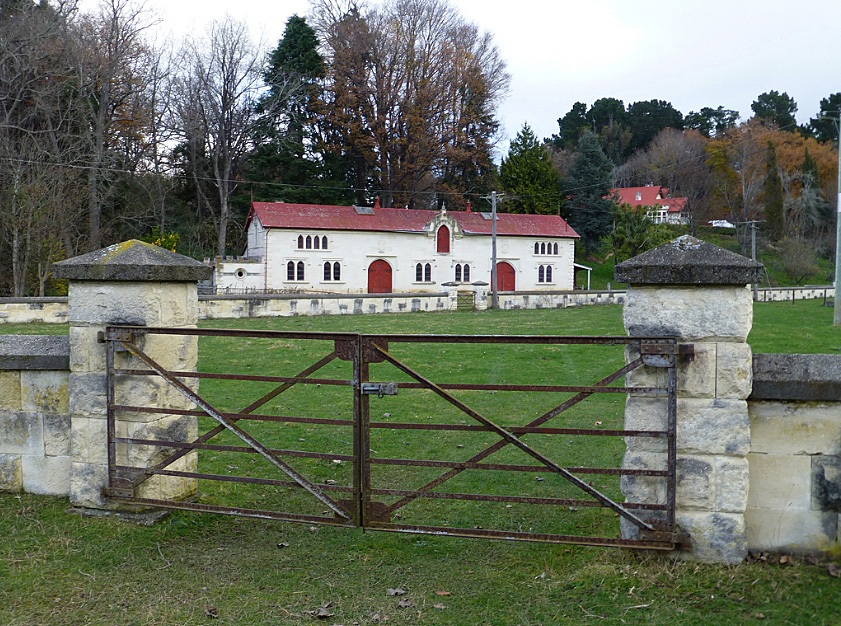
ARCHITECTURAL SIGNIFICANCE: This stable is a particularly fine example of the many Oamaru stone buildings erected on the North Otago runs. The styling is similar to that of the house with label mouldings over the window heads. TOWNSCAPE/LANDMARK SIGNIFICANCE: Part of an impressive farmstead several kilometres from Highway 1.
Why is this place significant?
Historic Significance
Historical Significance or Value Fairfax Fenwick and his brother established the Kuriheka Station within the old Otepopo Run. Colonel J C Nichols bought the station in 1885 and built numerous walls, gates and buildings of Oamaru stone, all carefully labelled with their dates. He had six children and added to the house which is grand but too complex to be an architectural success. Nichols acquired several field guns which stand in the park-like environs of the farmstead. The homestead houses a large and varied collection from all over the world of weapons and military artefacts, ranging from Maori patu to a coat of armour. J C Nichols was educated at Christ's College and Cambridge and was for a long time Commanding Officer to the Otago Mounted Rifles. His Cambridge training is apparent in the quality of the weapons collected from the Pacific islands and Australia. He and wife were local benefactors in North Otago financing the building of the small stone Anglican St Andrews church at Maheno. Colonel Nichols died at the age of 95 in 1954. The homestead and stables are held by a family trust and the title to the land by Mr R C Nichols, 10 RD, Oamaru.
Physical Significance
ARCHITECTURAL SIGNIFICANCE: This stable is a particularly fine example of the many Oamaru stone buildings erected on the North Otago runs. The styling is similar to that of the house with label mouldings over the window heads. TOWNSCAPE/LANDMARK SIGNIFICANCE: Part of an impressive farmstead several kilometres from Highway 1.
Construction Professional
Name
Menzies, John Henry
Type
Builder
Biography
John Henry Menzies (1839-1919) was born in Liverpool but of Scottish descent and immigrated to New Zealand in 1860. He farmed initially in Southland before settling on Banks' Peninsula. In 1878 Menzies bought McIntosh Bay, renaming it after himself, and built a homestead there the following year. This house and the second Glen Mona homestead were destroyed by fire but the third homestead (1930) remains extant. He also built a house for his eldest son William at Menzies Bay in 1894 called 'Rehutai'. Menzies was largely responsible for the design, construction, decoration and financing of St Luke's Church at Little Akaloa (1905-6). He had been obsessed with wood carving from an early age and was particularly fascinated by Maori decorative art. The interior of St Luke's Church is a permanent reminder of this fascination and the carving in both wood and stone is particularly fine given that Menzies does not appear to have had any formal training. In 1910 he published a pioneering text, Maori Patterns Painted and Carved.
Name
Dennison, T C
Type
Engineer
Biography
Colonel Nichols recorded in his diaries that Dennison was the 'Engineer' who built the Kuriheka Station Stables. T C Dennison was a local surveyor involved with the export of Oamaru Stone from the Fortification quarries to Melbourne and may be the same Dennison of Dennison and Grant who built the Loan and Mercantile Grain Store in Harbour Street (Stacpoole 1976).
Construction Details
Start Year
1889
Type
Original Construction
Description
Started 12 August 1889
Construction Materials
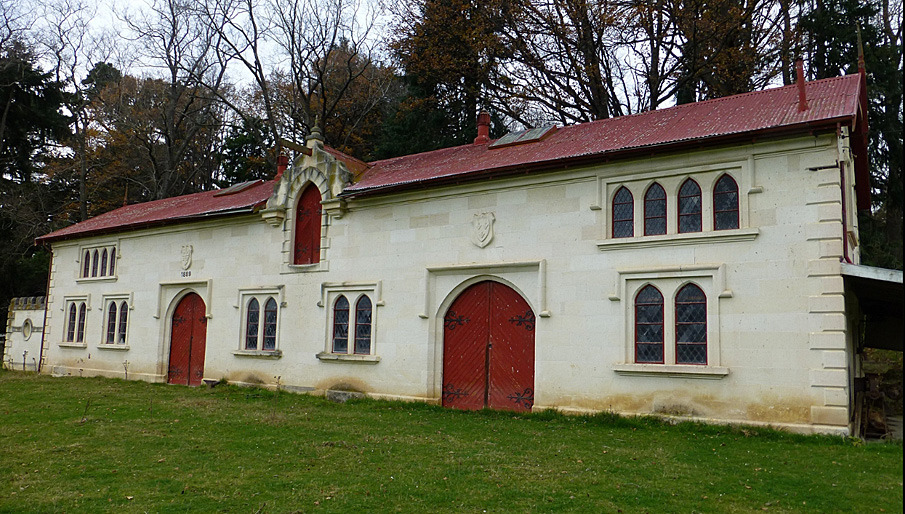
The materials used are Oamaru stone from the Taipo and Totara quarries, with corrugated iron on the roof. The building is a simple barn shape, about 28 metres long by 10 metres wide, with a long one-storied lean to at the back against the hill. A short crenellated wall was added in 1933 at the east end to enclose an open stall area under a lean to roof. The Gothic arched window and grand wooden doors, including the feed loft, give a church-like appearance. The windows have diamond panes and there is a carved shield with four Prince of Wales feathers over the main carriage door. The stalls have chamfered wooden posts with small capitals supporting the main beam. The floor is concrete and probably recent, but the rest of the interior appears little modified. There are two separate sets of stalls and three harness and work rooms with a hay loft over. The chimney and Oamaru stone. These stables are built in the style of those on the grand European country estates to house fine carriage horses. In front of the stables there are several exercise paddocks enclosed by walls of Oamaru stone.
Notable Features
The size and quality of the building materials used, the association with J C Nichols' military collection.
Construction Professional
Name
Menzies, John Henry
Type
Builder
Biography
John Henry Menzies (1839-1919) was born in Liverpool but of Scottish descent and immigrated to New Zealand in 1860. He farmed initially in Southland before settling on Banks' Peninsula. In 1878 Menzies bought McIntosh Bay, renaming it after himself, and built a homestead there the following year. This house and the second Glen Mona homestead were destroyed by fire but the third homestead (1930) remains extant. He also built a house for his eldest son William at Menzies Bay in 1894 called 'Rehutai'. Menzies was largely responsible for the design, construction, decoration and financing of St Luke's Church at Little Akaloa (1905-6). He had been obsessed with wood carving from an early age and was particularly fascinated by Maori decorative art. The interior of St Luke's Church is a permanent reminder of this fascination and the carving in both wood and stone is particularly fine given that Menzies does not appear to have had any formal training. In 1910 he published a pioneering text, Maori Patterns Painted and Carved.
Name
Dennison, T C
Type
Engineer
Biography
Colonel Nichols recorded in his diaries that Dennison was the 'Engineer' who built the Kuriheka Station Stables. T C Dennison was a local surveyor involved with the export of Oamaru Stone from the Fortification quarries to Melbourne and may be the same Dennison of Dennison and Grant who built the Loan and Mercantile Grain Store in Harbour Street (Stacpoole 1976).
Construction Details
Start Year
1889
Type
Original Construction
Description
Started 12 August 1889
Construction Materials
The materials used are Oamaru stone from the Taipo and Totara quarries, with corrugated iron on the roof. The building is a simple barn shape, about 28 metres long by 10 metres wide, with a long one-storied lean to at the back against the hill. A short crenellated wall was added in 1933 at the east end to enclose an open stall area under a lean to roof. The Gothic arched window and grand wooden doors, including the feed loft, give a church-like appearance. The windows have diamond panes and there is a carved shield with four Prince of Wales feathers over the main carriage door. The stalls have chamfered wooden posts with small capitals supporting the main beam. The floor is concrete and probably recent, but the rest of the interior appears little modified. There are two separate sets of stalls and three harness and work rooms with a hay loft over. The chimney and Oamaru stone. These stables are built in the style of those on the grand European country estates to house fine carriage horses. In front of the stables there are several exercise paddocks enclosed by walls of Oamaru stone.
Notable Features
The size and quality of the building materials used, the association with J C Nichols' military collection.
ARCHITECTURAL DESCRIPTION (Style): A large ornate building of two high stories with arched windows and doors. The style is Gothic and the design was obtained by Nichols of Dresden. MODIFICATIONS: Exterior appears unmodified except for the 1933 addition of a short wall.
Historical and Associated Iwi / Hapū / Whānau
Completion Date
18th March 2015
Report Written By
Heather Bauchop
Information Sources
McDonald, 1962
K C McDonald, 'White Stone Country', Oamaru, 1962
Pinney, 1981
R. Pinney, Early Northern Otago Runs, Auckland, 1981
Thornton, 1986
Geoffrey Thornton, The New Zealand Heritage of Farm Buildings, Auckland, 1986
Scotter, 1948
W.H. Scotter, Run Estate and Farm: A History of the Kakanui and Waiareka Valleys, North Otago, Otago Centennial Historical Publications, Dunedin, 1948
Nichols, Timothy
c. 2005, Kuriheka Homestead
Other Information
This historic place was registered under the Historic Places Act 1980. This report includes the text from the original Building Classification Committee report considered by the NZHPT Board at the time of registration. Please note that entry on the New Zealand Heritage List/Rarangi Korero identifies only the heritage values of the property concerned, and should not be construed as advice on the state of the property, or as a comment of its soundness or safety, including in regard to earthquake risk, safety in the event of fire, or insanitary conditions. A fully referenced upgrade report is available on request from the Southland/Otago Area Office of Heritage New Zealand
Historical and Associated Iwi / Hapū / Whānau
Completion Date
18th March 2015
Report Written By
Heather Bauchop
Information Sources
McDonald, 1962
K C McDonald, 'White Stone Country', Oamaru, 1962
Pinney, 1981
R. Pinney, Early Northern Otago Runs, Auckland, 1981
Thornton, 1986
Geoffrey Thornton, The New Zealand Heritage of Farm Buildings, Auckland, 1986
Scotter, 1948
W.H. Scotter, Run Estate and Farm: A History of the Kakanui and Waiareka Valleys, North Otago, Otago Centennial Historical Publications, Dunedin, 1948
Nichols, Timothy
c. 2005, Kuriheka Homestead
Other Information
This historic place was registered under the Historic Places Act 1980. This report includes the text from the original Building Classification Committee report considered by the NZHPT Board at the time of registration. Please note that entry on the New Zealand Heritage List/Rarangi Korero identifies only the heritage values of the property concerned, and should not be construed as advice on the state of the property, or as a comment of its soundness or safety, including in regard to earthquake risk, safety in the event of fire, or insanitary conditions. A fully referenced upgrade report is available on request from the Southland/Otago Area Office of Heritage New Zealand
Current Usages
Uses: Agriculture
Specific Usage: Stables
Current Usages
Uses: Agriculture
Specific Usage: Stables
Location
Related listings


Stay up to date with Heritage this month