DonateMembershipVisit Heritage
  • Tūrangawaewae
    Places
  • Tira Māori
    Māori Heritage
  • Poutairangahia
    Archaeology
  • Rauemi
    Resources
  • Mō Tātou
    About Us
  • New Zealand Heritage List
  • Nominate and submit
  • Explore the List
  • National Historic Landmarks
  • Plaques
  • Rainbow List Project
  • Lost heritage
  • Visit Heritage
  • Our properties
  • Turnbull House Project
  • Collections
  • Shop
  • Tohu Whenua
  • Tira Māori
  • Conserving Māori heritage
  • Marae built heritage
  • Māori heritage on the List
  • Hinemihi—Te Hokinga Mai
  • What is archaeology?
  • Is there a site on my property?
  • What are my legal requirements?
  • Affecting an archaeological site
  • Declaring an archaeological site
  • Archaeology FAQs
  • Archaeology Digital Library
  • Archaeology guidelines and templates
  • Resources
  • Funding
  • Publications
  • Sustainable management guides
  • Disaster recovery
  • Podcasts & digital resources
  • Education Hub
  • Conservation plans
  • About
  • Board
  • Māori Heritage Council
  • Senior Staff
  • Offices
  • Contact us
  • Careers
  • Covenants
  • Fast-track
  • Corporate documents
  • Currently consulting on
  • Our submissions
  • News
  • Covid-19 response
Quick links
Rārangi Kōrero | The List
Explore the List
National Historic Landmarks
Ngā Manawhenua o Aotearoa me ōna Kōrero Tūturu
Quick links
Tapuwae
A Vision for Places of Māori Heritage
Funding for Māori Heritage
Resources
Quick links
Archaeological Authority Portal
Applying for an archaeological authority
Archaeology FAQs
Browse the most frequently asked questions about archaeological authorities and the archaeological process.
Quick links
Quick links
Contact us
Offices
DonateMembershipVisit Heritage
  • Tūrangawaewae
    Places
  • Tira Māori
    Māori Heritage
  • Poutairangahia
    Archaeology
  • Rauemi
    Resources
  • Mō Tātou
    About Us
  • New Zealand Heritage List
  • Nominate and submit
  • Explore the List
  • National Historic Landmarks
  • Plaques
  • Rainbow List Project
  • Lost heritage
  • Visit Heritage
  • Our properties
  • Turnbull House Project
  • Collections
  • Shop
  • Tohu Whenua
  • Tira Māori
  • Conserving Māori heritage
  • Marae built heritage
  • Māori heritage on the List
  • Hinemihi—Te Hokinga Mai
  • What is archaeology?
  • Is there a site on my property?
  • What are my legal requirements?
  • Affecting an archaeological site
  • Declaring an archaeological site
  • Archaeology FAQs
  • Archaeology Digital Library
  • Archaeology guidelines and templates
  • Resources
  • Funding
  • Publications
  • Sustainable management guides
  • Disaster recovery
  • Podcasts & digital resources
  • Education Hub
  • Conservation plans
  • About
  • Board
  • Māori Heritage Council
  • Senior Staff
  • Offices
  • Contact us
  • Careers
  • Covenants
  • Fast-track
  • Corporate documents
  • Currently consulting on
  • Our submissions
  • News
  • Covid-19 response
Quick links
Rārangi Kōrero | The List
Explore the List
National Historic Landmarks
Ngā Manawhenua o Aotearoa me ōna Kōrero Tūturu
Quick links
Tapuwae
A Vision for Places of Māori Heritage
Funding for Māori Heritage
Resources
Quick links
Archaeological Authority Portal
Applying for an archaeological authority
Archaeology FAQs
Browse the most frequently asked questions about archaeological authorities and the archaeological process.
Quick links
Quick links
Contact us
Offices
  • Places
  • Nominate and submit
  • National Historic Landmarks
  • Places
  • Nominate and submit
  • National Historic Landmarks
  • Tira Māori
  • Conserving Māori heritage
  • Marae built heritage
  • Tira Māori
  • Conserving Māori heritage
  • Marae built heritage
  • Archaeological authorities
  • Archaeology Digital Library
  • Archaeological authorities
  • Archaeology Digital Library
  • All resources
  • Publications
  • Funding
  • All resources
  • Publications
  • Funding
  • FAQs
  • FAQs
Follow us on:
Places
  • Places
  • Nominate and submit
  • National Historic Landmarks
Tira Māori
  • Tira Māori
  • Conserving Māori heritage
  • Marae built heritage
Archaeology
  • Archaeological authorities
  • Archaeology Digital Library
Resources
  • All resources
  • Publications
  • Funding
FAQs
  • FAQs
Follow us on
HomePrivacyTerms and conditionsAbout this site
© Heritage New Zealand Pouhere Taonga 2026.
 
Carter Observatory

Upland Road, Kelburn, WELLINGTON

Public

Historic Place Category 2

List No. 3596

Quick links:
List GalleryLocationDetails
For thousands of years, humankind has been fascinated with the stars. Opened in the Wellington Botanic Gardens in 1941,the Carter Observatory is New Zealand's longest-serving national observatory.

The observatory is named after philanthropist Charles Rooking Carter, who left a bequest of £2240 to fund the building on his death in 1896. The bequest was administered by what is now the Royal Society of New Zealand to accumulate interest; it took thirty years before the fund was large enough to make Carter’s observatory a reality.

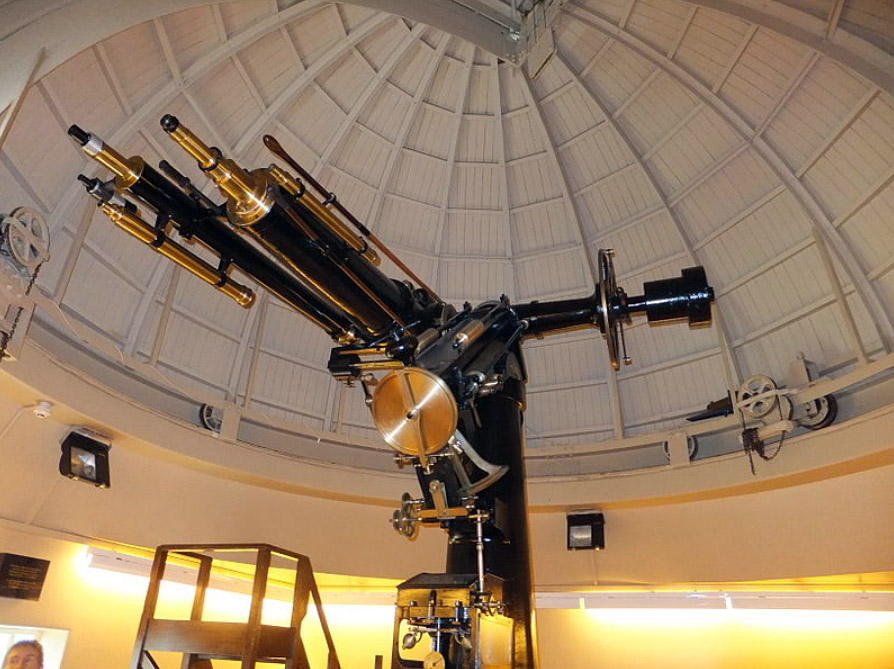
New public and governmental interest in the project led to the passing of the Carter Observatory Act 1938. In 1939, the first Carter Observatory Board was established. Land in the Wellington Botanic Gardens was set aside for the building and the Council donated the 9-inch Thomas Cooke historic telescope for the project.

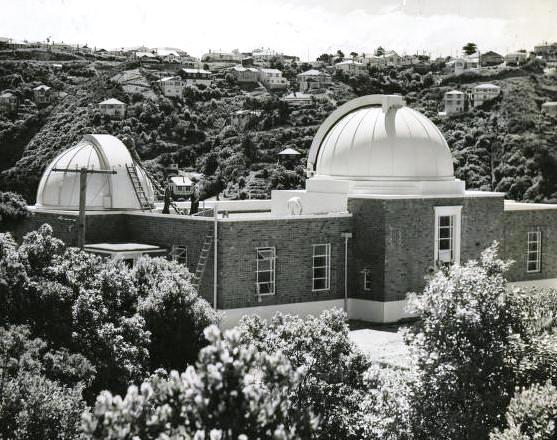
Despite delays caused by New Zealand’s involvement in World War Two, Carter Observatory was opened to the public on the 20 December 1941. Designed by William Gray Young, the building featured the clean profiles of the Georgian Revival style. It was constructed out of brick-faced reinforced concrete on reinforced concrete foundations. It featured a brick podium, with projecting and receding bays and a flat roof to contrast with the dominating spheres of the observatory chambers where the telescopes were housed. Small windows were set into the side pavilions, but details were kept to a minimum.

The Carter Observatory took over astronomical work from the Dominion Observatory, and began research into asteroids, suns, and planetary bodies. A bequest from Ruth Crisp in 1967 provided for a library and for the purchase of a new research grade telescope that was installed in the southern dome.

The Carter Observatory became New Zealand’s national observatory in 1977. . In this capacity, Carter Observatory established outstations for research away from the lights of Wellington City, primarily at Black Birch in the South Island, to which the Ruth Crisp Telescope was moved in 1978. In 1982, a donation funded the purchase of a new 15 centimetre telescope for the southern dome. The Carter Observatory became the new home of the Golden Bay Planetarium in 1992 and in 1995 the observatory was recognised by the Government as the national heritage repository for astronomy.

As the lights of Wellington City made observation from Carter increasingly difficult, the focus of the Observatory began to change from scientific institute to public education. In 2005, a review of Carter Observatory commissioned by the Ministry of Science, Research and Technology concluded that it was no longer appropriate for Carter Observatory to hold the title of national observatory. Wellington City Council took over its management in 2007 and the Carter Observatory Act was repealed in 2010. This repeal dissolved the Carter Observatory Board and officially terminated the Observatory’s role as the national observatory.

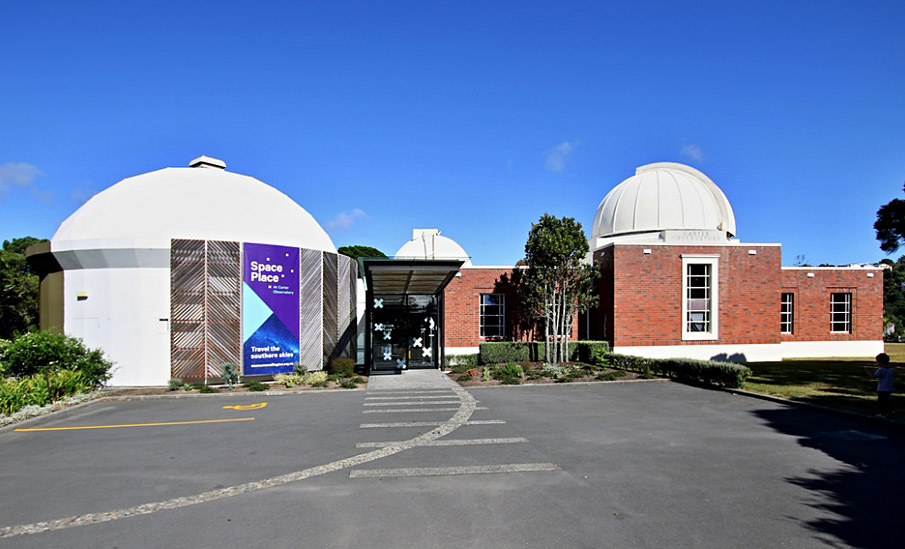
The termination of the observatory’s national responsibilities gave Carter Observatory a new lease on life. In 2006, plans were announced to transform it into a state of the art visitor attraction and space education facility. The refurbishment of the heritage building included a structural, thermal, fire and electrical upgrade, the brick exterior was earthquake strengthened and the interior fully insulated. New interactive exhibits were installed as well as the addition of a 9-metre digital planetarium. The new and improved Carter Observatory re-opened its doors on the 27 March 2010 with a mission to tell the stories of the Southern sky from New Zealand’s unique cultural, heritage and scientific standpoints. The Carter Observatory has found new life as the place for space in New Zealand for New Zealanders and international visitors.
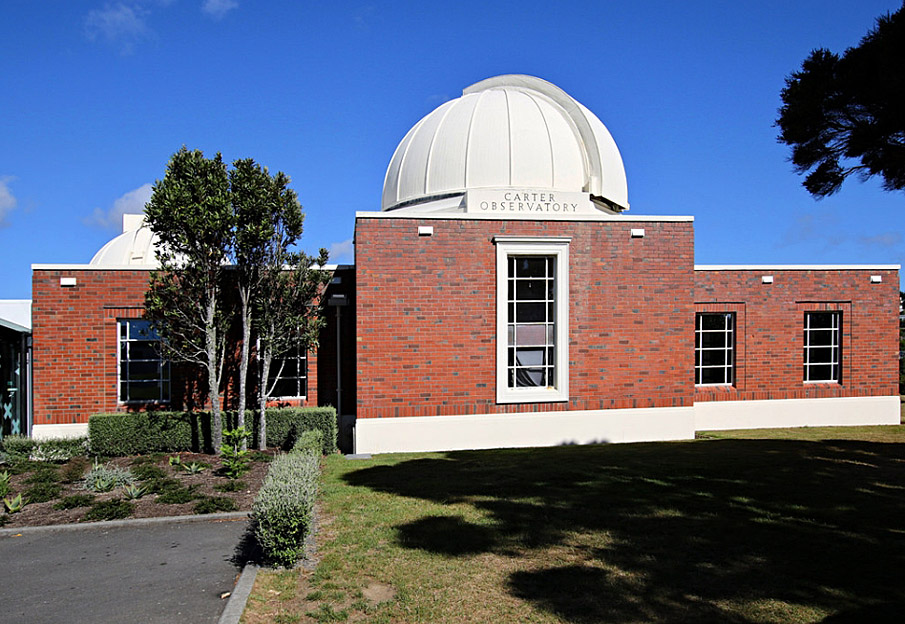
Carter Observatory, Wellington. Image courtesy of www.flickr.com | Paul Le Roy – Minicooperd | 20/02/2016 | Paul Le Roy
The Carter Observatory, Wellington. c.1941. Photograph taken by an unidentified staff photographer for the Evening Post. Permission of the Alexander Turnbull Library, Wellington, New Zealand, must be obtained before any re-use of this image | Alexander Turnbull Library
Carter Observatory, Wellington. The Thomas Cooke telescope. CC Licence 3.0 Image courtesy of commons.wikimedia.org | Gruyere | 12/12/2011 | Gruyere - Wikimedia Commons
Carter Observatory, Wellington. Image courtesy of www.flickr.com | Paul Le Roy – Minicooperd | 20/02/2016 | Paul Le Roy
The Carter Observatory, Wellington. c.1941. Photograph taken by an unidentified staff photographer for the Evening Post. Permission of the Alexander Turnbull Library, Wellington, New Zealand, must be obtained before any re-use of this image | Alexander Turnbull Library
Carter Observatory, Wellington. The Thomas Cooke telescope. CC Licence 3.0 Image courtesy of commons.wikimedia.org | Gruyere | 12/12/2011 | Gruyere - Wikimedia Commons

List Entry Information

Overview

Status
Listed

List Entry Status
Historic Place Category 2

Access
Able to Visit

List Number
3596

Date Entered
28th June 1984

Date of Effect
28th June 1984

City/District Council
Wellington City

Region
Wellington Region

Extent of List Entry

Extent includes the land described as Lot 1 DP 74620 (RT WN54C/649), Wellington Land District and the building known as the Carter Observatory and its fittings and fixtures.

Legal description

Lot 1 DP 74620 (RT WN54C/649), Wellington Land District

Location Description

The Carter Observatory is located in the Wellington Botanic Gardens.

Detailed List Entry

Construction Professional

Name

Young, William G

Type

Architect

Biography

William Gray Young (1885-1962) was born in Oamaru. When he was a child his family moved to Wellington where he was educated. After leaving school he was articled to the Wellington architectural firm of Crichton and McKay. In 1906 he won a competition for the design of Knox College, Dunedin, and shortly after this he commenced practice on his own account. He became a prominent New Zealand architect and during a career of 60 years he designed over 500 buildings. His major buildings include the Wellington and Christchurch Railway Stations (1936 and 1954 respectively), Scot's College (1919), Phoenix Assurance Building (1930) and the Australian Mutual Provident Society (AMP) Chambers (1950). At Victoria University College of Wellington he was responsible for the Stout (1930), Kirk (1938), and Easterfield (1957) buildings, and Weir House (1930). Gray Young also achieved recognition for his domestic work such as the Elliott House Wellington, (1913). His design for the Wellesley Club (1925) earned him the Gold Medal of the New Zealand Institute of Architects in 1932. He was elected a Fellow of the Institute in 1913, served on the executive committee from 1914-35 and was President from 1935-36. He was also elected a Fellow of the Royal Institute of British Architects, and achieved prominence in public affairs.

Construction Details

Start Year

1967

Type

Modification

Description

Building of library and installation of Ruth Crisp Telescope

Start Year

1992

Type

Addition

Description

Addition of Golden Bay 9 Metre Planetarium and visitor centre

Start Year

2007

Finish Year

2010

Type

Modification

Description

Demolition of original interior walls and floor. Installation of HVAC system and insulation in walls and ceiling. Renovations of interior. Addition of Pelorus Trust Planetarium. Addition of new entranceway.

Start Year

1940

Type

Original Construction

Reference

Completion Date

8th October 2011

Report Written By

Kayla Wilson

Information Sources

New Zealand Historic Places

New Zealand Historic Places

Wellington City Council

Wellington City Council

Heritage New Zealand

Heritage New Zealand

Report Written By

This place was identified as significant under previous legislation with different information requirements. It remains significant under the current legislation. There is opportunity under our legislation and policies to add to this information. Further information about this place may be available from the Central Regional Office of Heritage New Zealand Pouhere Taonga. A fully referenced Upgrade Report is available from the Central Region office of the NZHPT. Please note that entry on the New Zealand Heritage List/Rarangi Korero identifies only the heritage values of the property concerned, and should not be construed as advice on the state of the property, or as a comment of its soundness or safety, including in regard to earthquake risk, safety in the event of fire, or insanitary conditions.

Further Information

Current Usages

Uses: Research

Specific Usage: Scientific building/ laboratory

Former Usages

General Usage:: Research

Specific Usage: Observatory

General Usage:: Research

Specific Usage: Scientific building/ laboratory

Themes

Modern Movement

Web Links

Overview

Status

Listed

List Entry Status

Historic Place Category 2

Access

Able to Visit

List Number

3596

Date Entered

28th June 1984

Date of Effect

28th June 1984

City/District Council

Wellington City

Region

Wellington Region

Extent of List Entry

Extent includes the land described as Lot 1 DP 74620 (RT WN54C/649), Wellington Land District and the building known as the Carter Observatory and its fittings and fixtures.

Legal description

Lot 1 DP 74620 (RT WN54C/649), Wellington Land District

Location Description

The Carter Observatory is located in the Wellington Botanic Gardens.

Status

Listed

List Entry Status

Historic Place Category 2

Access

Able to Visit

List Number

3596

Date Entered

28th June 1984

Date of Effect

28th June 1984

City/District Council

Wellington City

Region

Wellington Region

Extent of List Entry

Extent includes the land described as Lot 1 DP 74620 (RT WN54C/649), Wellington Land District and the building known as the Carter Observatory and its fittings and fixtures.

Legal description

Lot 1 DP 74620 (RT WN54C/649), Wellington Land District

Location Description

The Carter Observatory is located in the Wellington Botanic Gardens.

Construction Information

Construction Professional

Name

Young, William G

Type

Architect

Biography

William Gray Young (1885-1962) was born in Oamaru. When he was a child his family moved to Wellington where he was educated. After leaving school he was articled to the Wellington architectural firm of Crichton and McKay. In 1906 he won a competition for the design of Knox College, Dunedin, and shortly after this he commenced practice on his own account. He became a prominent New Zealand architect and during a career of 60 years he designed over 500 buildings. His major buildings include the Wellington and Christchurch Railway Stations (1936 and 1954 respectively), Scot's College (1919), Phoenix Assurance Building (1930) and the Australian Mutual Provident Society (AMP) Chambers (1950). At Victoria University College of Wellington he was responsible for the Stout (1930), Kirk (1938), and Easterfield (1957) buildings, and Weir House (1930). Gray Young also achieved recognition for his domestic work such as the Elliott House Wellington, (1913). His design for the Wellesley Club (1925) earned him the Gold Medal of the New Zealand Institute of Architects in 1932. He was elected a Fellow of the Institute in 1913, served on the executive committee from 1914-35 and was President from 1935-36. He was also elected a Fellow of the Royal Institute of British Architects, and achieved prominence in public affairs.

Construction Details

Start Year

1967

Type

Modification

Description

Building of library and installation of Ruth Crisp Telescope

Start Year

1992

Type

Addition

Description

Addition of Golden Bay 9 Metre Planetarium and visitor centre

Start Year

2007

Finish Year

2010

Type

Modification

Description

Demolition of original interior walls and floor. Installation of HVAC system and insulation in walls and ceiling. Renovations of interior. Addition of Pelorus Trust Planetarium. Addition of new entranceway.

Start Year

1940

Type

Original Construction

Construction Professional

Name

Young, William G

Type

Architect

Biography

William Gray Young (1885-1962) was born in Oamaru. When he was a child his family moved to Wellington where he was educated. After leaving school he was articled to the Wellington architectural firm of Crichton and McKay. In 1906 he won a competition for the design of Knox College, Dunedin, and shortly after this he commenced practice on his own account. He became a prominent New Zealand architect and during a career of 60 years he designed over 500 buildings. His major buildings include the Wellington and Christchurch Railway Stations (1936 and 1954 respectively), Scot's College (1919), Phoenix Assurance Building (1930) and the Australian Mutual Provident Society (AMP) Chambers (1950). At Victoria University College of Wellington he was responsible for the Stout (1930), Kirk (1938), and Easterfield (1957) buildings, and Weir House (1930). Gray Young also achieved recognition for his domestic work such as the Elliott House Wellington, (1913). His design for the Wellesley Club (1925) earned him the Gold Medal of the New Zealand Institute of Architects in 1932. He was elected a Fellow of the Institute in 1913, served on the executive committee from 1914-35 and was President from 1935-36. He was also elected a Fellow of the Royal Institute of British Architects, and achieved prominence in public affairs.

Construction Details

Start Year

1967

Type

Modification

Description

Building of library and installation of Ruth Crisp Telescope

Start Year

1992

Type

Addition

Description

Addition of Golden Bay 9 Metre Planetarium and visitor centre

Start Year

2007

Finish Year

2010

Type

Modification

Description

Demolition of original interior walls and floor. Installation of HVAC system and insulation in walls and ceiling. Renovations of interior. Addition of Pelorus Trust Planetarium. Addition of new entranceway.

Start Year

1940

Type

Original Construction

Reference

Historical and Associated Iwi / Hapū / Whānau

Completion Date

8th October 2011

Report Written By

Kayla Wilson

Information Sources

New Zealand Historic Places

New Zealand Historic Places

Wellington City Council

Wellington City Council

Heritage New Zealand

Heritage New Zealand

Other Information

This place was identified as significant under previous legislation with different information requirements. It remains significant under the current legislation. There is opportunity under our legislation and policies to add to this information. Further information about this place may be available from the Central Regional Office of Heritage New Zealand Pouhere Taonga. A fully referenced Upgrade Report is available from the Central Region office of the NZHPT. Please note that entry on the New Zealand Heritage List/Rarangi Korero identifies only the heritage values of the property concerned, and should not be construed as advice on the state of the property, or as a comment of its soundness or safety, including in regard to earthquake risk, safety in the event of fire, or insanitary conditions.

Historical and Associated Iwi / Hapū / Whānau

Completion Date

8th October 2011

Report Written By

Kayla Wilson

Information Sources

New Zealand Historic Places

New Zealand Historic Places

Wellington City Council

Wellington City Council

Heritage New Zealand

Heritage New Zealand

Other Information

This place was identified as significant under previous legislation with different information requirements. It remains significant under the current legislation. There is opportunity under our legislation and policies to add to this information. Further information about this place may be available from the Central Regional Office of Heritage New Zealand Pouhere Taonga. A fully referenced Upgrade Report is available from the Central Region office of the NZHPT. Please note that entry on the New Zealand Heritage List/Rarangi Korero identifies only the heritage values of the property concerned, and should not be construed as advice on the state of the property, or as a comment of its soundness or safety, including in regard to earthquake risk, safety in the event of fire, or insanitary conditions.

Further Information

Current Usages

Uses: Research

Specific Usage: Scientific building/ laboratory

Former Usages

General Usage: Research

Specific Usage: Observatory

General Usage: Research

Specific Usage: Scientific building/ laboratory

Themes

Modern Movement

Current Usages

Uses: Research

Specific Usage: Scientific building/ laboratory

Former Usages

General Usage: Research

Specific Usage: Observatory

General Usage: Research

Specific Usage: Scientific building/ laboratory

Themes

Modern Movement

Location

Loading
Related listings
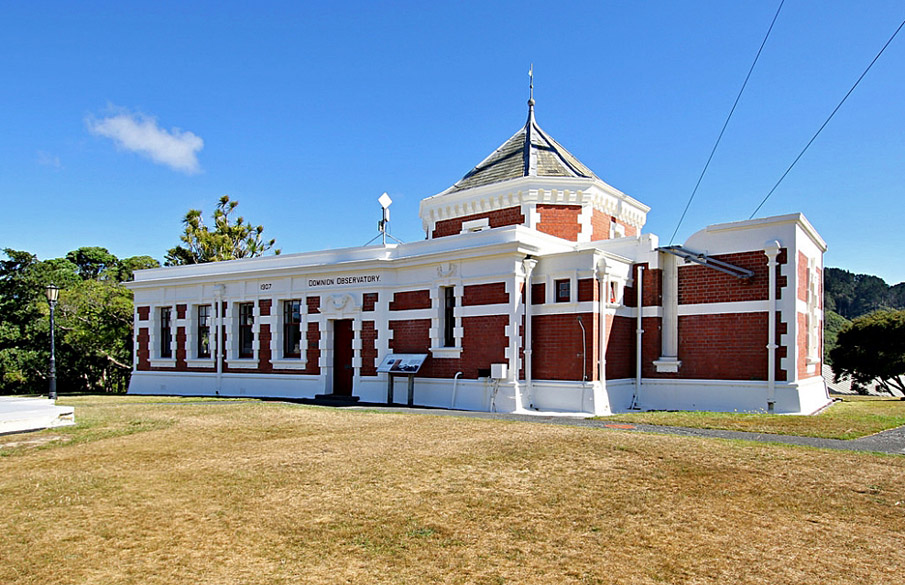
Dominion Observatory Historic Area, Wellington. The Dominion Observatory. Image courtesy of www.flickr.com
Dominion Observatory Historic Area
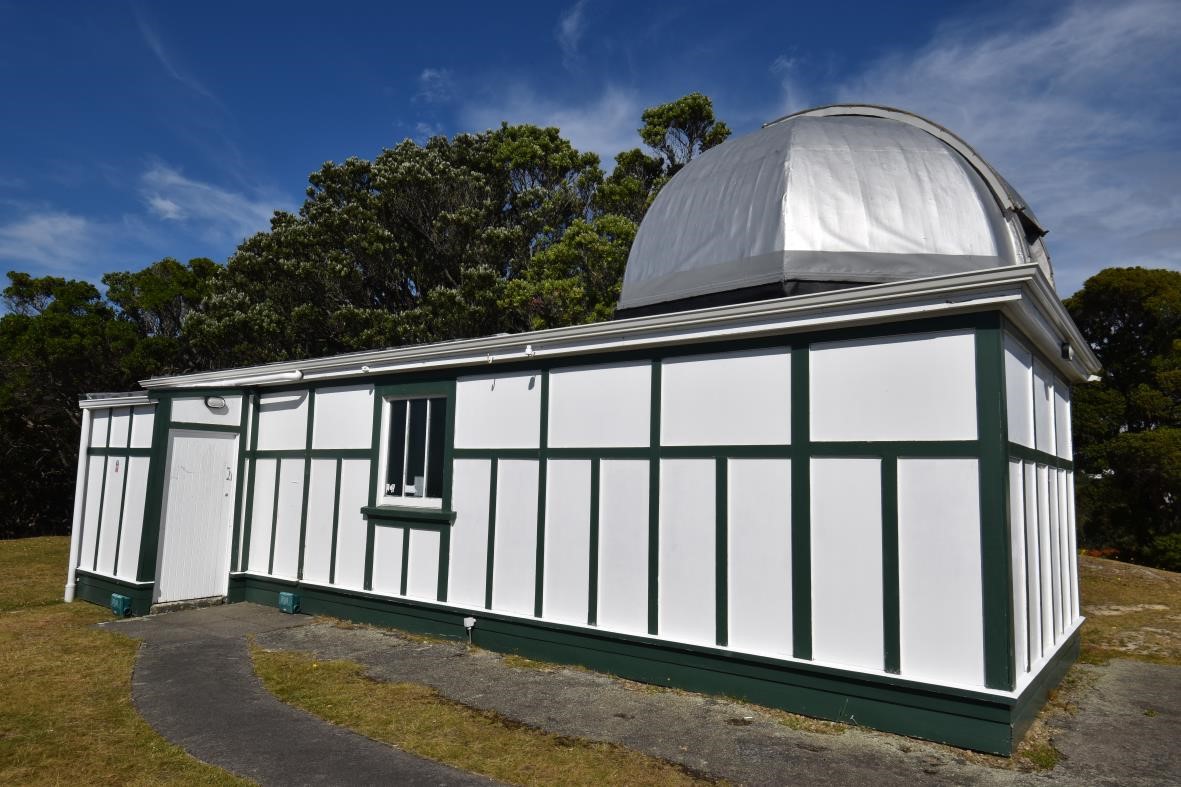
Thomas King Observatory, Wellington
Thomas King Observatory
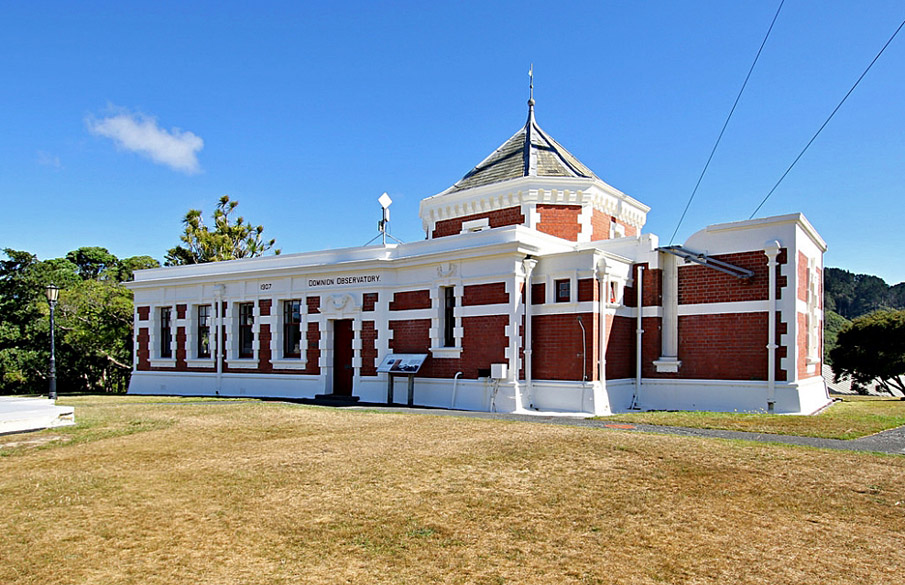
Dominion Observatory, Wellington. Image courtesy of www.flickr.com
Dominion Observatory
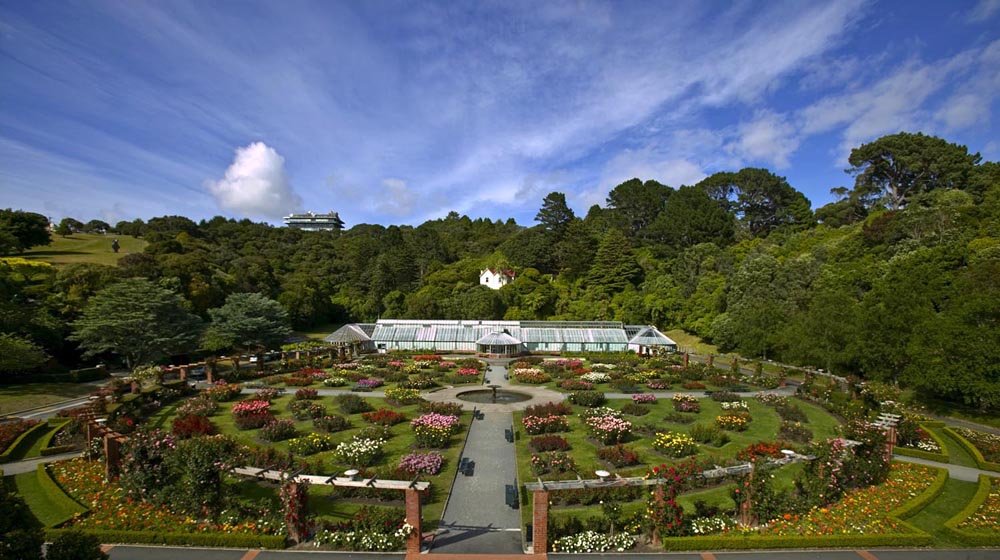
Wellington Botanic Garden. The Lady Norwood Rose Garden. CC Licence 2.0 Image courtesy of www.flickr.com
Wellington Botanic Garden
Dominion Observatory, Wellington. Image courtesy of www.flickr.com
Dominion Observatory
Dominion Observatory Historic Area, Wellington. The Dominion Observatory. Image courtesy of www.flickr.com
Dominion Observatory Historic Area
Wellington Botanic Garden. The Lady Norwood Rose Garden. CC Licence 2.0 Image courtesy of www.flickr.com
Wellington Botanic Garden
Thomas King Observatory, Wellington
Thomas King Observatory
Sign up to hear more

Get the latest heritage news, features and events delivered
straight to your inbox.

Subscribe