DonateSupporterVisit Heritage
  • Tūrangawaewae
    Places
  • Tira Māori
    Māori Heritage
  • Poutairangahia
    Archaeology
  • Rauemi
    Resources
  • Mō Tātou
    About Us
  • New Zealand Heritage List
  • Nominate and submit
  • Explore the List
  • National Historic Landmarks
  • Plaques
  • Rainbow List Project
  • Lost heritage
  • Visit Heritage
  • Our properties
  • Turnbull House Project
  • Collections
  • Shop
  • Tohu Whenua
  • Tira Māori
  • Conserving Māori heritage
  • Marae built heritage
  • Māori heritage on the List
  • Hinemihi—Te Hokinga Mai
  • What is archaeology?
  • Is there a site on my property?
  • What are my legal requirements?
  • Affecting an archaeological site
  • Declaring an archaeological site
  • Archaeology FAQs
  • Archaeology Digital Library
  • Archaeology guidelines and templates
  • Resources
  • Funding
  • Publications
  • Sustainable management guides
  • Disaster recovery
  • Podcasts & digital resources
  • Education Hub
  • Conservation plans
  • About
  • Board
  • Māori Heritage Council
  • Senior Staff
  • Offices
  • Contact us
  • Careers
  • Covenants
  • Fast-track
  • Corporate documents
  • Currently consulting on
  • Our submissions
  • News
  • Covid-19 response
Quick links
Rārangi Kōrero | The List
Explore the List
National Historic Landmarks
Ngā Manawhenua o Aotearoa me ōna Kōrero Tūturu
Quick links
Tapuwae
A Vision for Places of Māori Heritage
Funding for Māori Heritage
Resources
Quick links
Archaeological Authority Portal
Applying for an archaeological authority
Archaeology FAQs
Browse the most frequently asked questions about archaeological authorities and the archaeological process.
Quick links
Quick links
Contact us
Offices
DonateSupporterVisit Heritage
  • Tūrangawaewae
    Places
  • Tira Māori
    Māori Heritage
  • Poutairangahia
    Archaeology
  • Rauemi
    Resources
  • Mō Tātou
    About Us
  • New Zealand Heritage List
  • Nominate and submit
  • Explore the List
  • National Historic Landmarks
  • Plaques
  • Rainbow List Project
  • Lost heritage
  • Visit Heritage
  • Our properties
  • Turnbull House Project
  • Collections
  • Shop
  • Tohu Whenua
  • Tira Māori
  • Conserving Māori heritage
  • Marae built heritage
  • Māori heritage on the List
  • Hinemihi—Te Hokinga Mai
  • What is archaeology?
  • Is there a site on my property?
  • What are my legal requirements?
  • Affecting an archaeological site
  • Declaring an archaeological site
  • Archaeology FAQs
  • Archaeology Digital Library
  • Archaeology guidelines and templates
  • Resources
  • Funding
  • Publications
  • Sustainable management guides
  • Disaster recovery
  • Podcasts & digital resources
  • Education Hub
  • Conservation plans
  • About
  • Board
  • Māori Heritage Council
  • Senior Staff
  • Offices
  • Contact us
  • Careers
  • Covenants
  • Fast-track
  • Corporate documents
  • Currently consulting on
  • Our submissions
  • News
  • Covid-19 response
Quick links
Rārangi Kōrero | The List
Explore the List
National Historic Landmarks
Ngā Manawhenua o Aotearoa me ōna Kōrero Tūturu
Quick links
Tapuwae
A Vision for Places of Māori Heritage
Funding for Māori Heritage
Resources
Quick links
Archaeological Authority Portal
Applying for an archaeological authority
Archaeology FAQs
Browse the most frequently asked questions about archaeological authorities and the archaeological process.
Quick links
Quick links
Contact us
Offices
  • Places
  • Nominate and submit
  • National Historic Landmarks
  • Places
  • Nominate and submit
  • National Historic Landmarks
  • Tira Māori
  • Conserving Māori heritage
  • Marae built heritage
  • Tira Māori
  • Conserving Māori heritage
  • Marae built heritage
  • Archaeological authorities
  • Archaeology Digital Library
  • Archaeological authorities
  • Archaeology Digital Library
  • All resources
  • Publications
  • Funding
  • All resources
  • Publications
  • Funding
  • FAQs
  • FAQs
Follow us on:
Places
  • Places
  • Nominate and submit
  • National Historic Landmarks
Tira Māori
  • Tira Māori
  • Conserving Māori heritage
  • Marae built heritage
Archaeology
  • Archaeological authorities
  • Archaeology Digital Library
Resources
  • All resources
  • Publications
  • Funding
FAQs
  • FAQs
Follow us on
HomePrivacyTerms and conditionsAbout this site
© Heritage New Zealand Pouhere Taonga 2026.
 
Mangonui Hotel

112-114 Waterfront Drive, MANGONUI

Public

Historic Place Category 1

List No. 450
Quick links:
List GalleryLocationDetails
Mangonui Hotel is one of the best-preserved early twentieth-century hotels in Northland. Its history reflects the importance of sea transport in the Far North as well as changing attitudes towards public houses. Constructed in 1905-1906, the large timber building was erected on the Mangonui waterfront for a local publican, William J. Bray. The establishment lay in the commercial part of the town and close to the main wharf, where traders and other visitors alighted. Previously connected with the whaling industry, Mangonui was the second largest port in the Far North, and the final destination of the Northern Steamship Company's weekly excursions from Auckland. The settlement had previously been renowned for its drinking establishments, but had developed into a settled administrative and commercial centre by the early 1900s. The hotel was built at a time of growing anti-alcohol sentiment, with the number of liquor licences in New Zealand declining from 1,719 in 1899, to 1,257 in 1910. 'Respectably' positioned next to the courthouse and new post office, the establishment took its licence from the earlier Settlers' Hotel - demolished in 1906 - which had been situated closer to the industrial workforce of the Kauri Timber Company mill in Mill Bay. Following the advent of six o'clock closing for pubs in 1917, the Mangonui Hotel became the only licensed premises in the town.

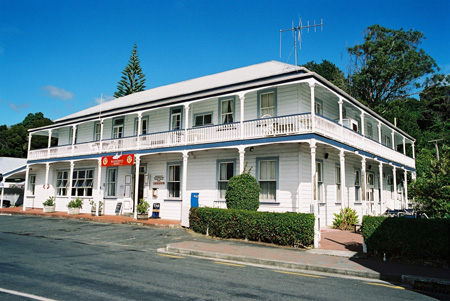
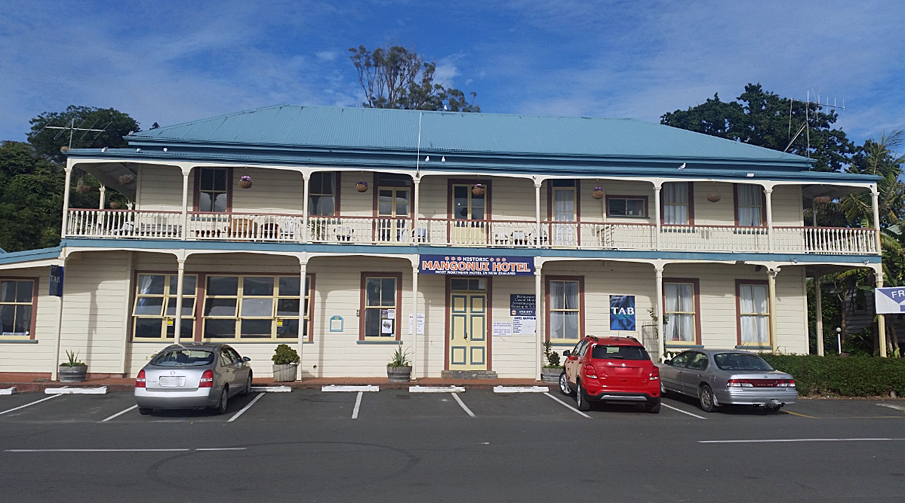
The hotel was built as a prominent two-storeyed structure, with a main frontage facing the beach and harbour. Erected by the carpenter Charles Coldham of Onehunga, its U-shaped plan included two wings extending back from the main façade, clad by weatherboards on a kauri frame. Recognisable as a hotel from its size and general appearance, the building differed from earlier hotels in the town by having an ornate, upper-storey balcony running around three sides. This emphasised the quality of the accommodation on its upper floor, which was advertised in 1914 as being 'the best in the north'. While associated structures incorporated stabling for horses, the ground floor of the main building included a bar and billiards room. Subsequent modifications occurred after changes in licensing laws, such as the construction of a new lounge bar to the rear, which was added shortly after the re-introduction of ten o'clock closing in 1967. The building continues to function as a hotel and bar, maintaining much of its early appearance and fabric.

The Mangonui Hotel is a significant example of hotel architecture in New Zealand, demonstrating the appearance and design of provincial establishments in the early 1900s. It is important for reflecting the impact of the prohibition movement in the early twentieth century, and subsequent attitudes to the consumption of alcohol. The building has valuable links with sea-borne trade and travel, which was paramount in the Far North before the advent of a developed road system. It reflects important economic and social changes in Mangonui, including the town's transformation into a regional commercial and administrative centre. The building has played a significant role in the social life of the town for a hundred years, and is a distinctive landmark beside the Mangonui harbour. It forms an integral part of the late nineteenth- and early twentieth-century historic landscape along the Mangonui waterfront, which also encompasses the adjacent courthouse, post office and commercial buildings, as well as other elements such as trees, wharves and the shoreline itself.
Mangonui Hotel, Mangonui. Image courtesy of pexels.com | Ian Ivey | No Known Copyright Restrictions
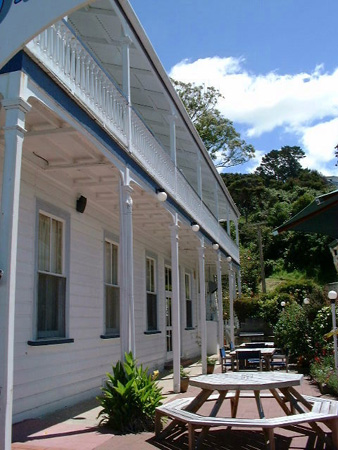
Mangonui Hotel, Mangonui | Martin Jones | 12/04/2002 | Heritage New Zealand Pouhere Taonga
Mangonui Hotel, Mangonui | Stuart Park | Heritage New Zealand Pouhere Taonga
Mangonui Hotel, Mangonui. Image courtesy of pexels.com | Ian Ivey | No Known Copyright Restrictions
Mangonui Hotel, Mangonui | Martin Jones | 12/04/2002 | Heritage New Zealand Pouhere Taonga
Mangonui Hotel, Mangonui | Stuart Park | Heritage New Zealand Pouhere Taonga

List Entry Information

Overview

Status
Listed

List Entry Status
Historic Place Category 1

Access
Able to Visit

List Number
450

Date Entered
28th June 1990

Date of Effect
28th June 1990

City/District Council
Far North District

Region
Northland Region

Legal description

Lot 1 DP 32663 and Lot 3 DP 166817 (RT NA101A/942) and Lot 2 DP 166817 (RT NA101A/941), North Auckland Land District

Location Description

Postal Address: PO BOX 222, Mangonui 0442

Detailed List Entry
Significance

Historic Significance

Historical Significance or Value The Mangonui Hotel is a prominent waterfront building of some considerable style which serves as a reminder of the importance of Mangonui as a commercial and administrative centre for over 100 years, when the upgraded roading system of the North caused many of these functions to be removed to Kaitaia. Together with its predecessors and former competitors, the Mangonui Hotel has played a key role in the social history of this once thriving settlement.

Physical Significance

ARCHITECTURAL QUALITY: The Mangonui Hotel has a relatively intact external appearance of a turn-of-the-century hotel. The architectural style of the accommodation has probably changed little over the years except for the upgrading of facilities. It is one of the best surviving small-town residential hotels of the period. TOWNSCAPE LANDMARK VALUE: The hotel has a considerable townscape value as it dominates the main street and waterfront of the historic precinct, comprising the oldest part of Mangonui.

Construction Professional

Name

Coldham, Charles

Type

Builder

Biography

No biography is currently available for this construction professional

Construction Details

Type

Other

Description

Site of timber building, possibly George Thomas' grog shop

Period

pre-1850

Type

Other

Description

Site of Wyles' Store

Period

pre-1884

Start Year

1906

Type

Original Construction

Description

Construction of Mangonui Hotel

Start Year

1968

Type

Addition

Description

New lounge bar and concrete block extension to the rear

Start Year

1970

Type

Modification

Description

Chimneys and fireplaces removed

Start Year

1974

Type

Addition

Description

Timber public bar extension on southern side

Start Year

1982

Type

Modification

Description

The wholesale store underwent further alterations. The interior has had many alterations over the years; bars have been altered; fireplaces and chimneys removed about 1970 and replaced by electrical heating.

Construction Materials

Timber framed (kauri) on a concrete slab; rusticated weatherboards; corrugated iron roof.

Notable Features

Registration covers the entire building, its fixtures and finishes. It also includes recent additions. The structure lies on the site of earlier, nineteenth-century buildings, which may survive as buried archaeological deposits. Its prominent waterfront facade including the elegant verandahs.

Historical Narrative

Mangonui has a history which is deeply based in Maori tradition. Its protected deep water harbour quickly attracted European settlement in the mid 19th century, first the whalers, and then the traders and entrepreneurs in the flax, kauri gum and kauri timber industries. It became an important administrative and entrepot centre for the Far North, being virtually the only commercial access into the area. It was the major northern terminal for a fleet of small cargo and passenger vessels which plied the North Auckland coast. Mangonui, in the 50 years from 1880 was a busy port, supporting a succession of hotels of which the Mangonui Hotel, built in the heyday of Mangonui's importance, was the largest and is the sole survivor still providing for the accommodation and refreshment needs of travellers - although most come today in pleasure boats and cars.

Physical Description

ARCHITECTURAL DESCRIPTION The Mangonui Hotel is a two-storeyed building. The upper storey is U-shaped in plan, giving a maximum number of accommodation rooms. It has verandahs at both floor levels along three sides. The upper verandah has a balustrade of fine detailing. The original four-paned double hung sashes give a balanced fenestration from which later additions of casement and louvre windows detract. The slender wooden verandah posts have decorated Ionic capitals and with the valances between express a fine sense of a well ordered and executed building. In spite of a lean-to on one side, the lounge bar, and other extensions at the rear, the hotel presents a most attractive appearance from the street. MODIFICATIONS: 1968 - Major alteration to the bar, a new lounge bar with an extension to the back in concrete block 1974 - Public bar extended as a lean-to on the left of the building 1982 - The wholesale store underwent further alterations. The interior has had many alterations over the years; bars have been altered; fireplaces and chimneys removed about 1970 and replaced by electrical heating.

Reference

Completion Date

24th May 2002

Report Written By

Martin Jones

Information Sources

Auckland Weekly News

Auckland Weekly News

Clarke-McKenna, 1990

Neva Clarke McKenna, Mangonui: Gateway to the Far North, Kerikeri, 1990

McLauchlan, 1994

Gordon McLauchlan, The Story of Beer: Beer and Brewing - A New Zealand History, Auckland, 1994

New Zealand Historic Places Trust (NZHPT)

New Zealand Historic Places Trust

Northern Mail

Northern Mail

Salmond, 1986

Jeremy Salmond, Old New Zealand Houses 1800-1940, Auckland, 1986, Reed Methuen

Stevens, 1982

Preston D. Stevens, 'Pubs' architecture', B.Arch. thesis, University of Auckland, 1982

Report Written By

This historic place was registered under the Historic Places Act 1980. This report includes the text from the original Building Classification Committee report considered by the NZHPT Board at the time of registration. Please note that entry on the New Zealand Heritage List/Rarangi Korero identifies only the heritage values of the property concerned, and should not be construed as advice on the state of the property, or as a comment of its soundness or safety, including in regard to earthquake risk, safety in the event of fire, or insanitary conditions.

Further Information

Current Usages

Uses: Accommodation

Specific Usage: Hotel

Uses: Trade

Specific Usage: Pub/bar/tavern/public hotel

Former Usages

General Usage:: Accommodation

Specific Usage: Hotel

General Usage:: Trade

Specific Usage: Pub/bar/tavern/public hotel

Themes

Web Links

description:

url: http://www.mangonuihotel.co.nz/

Overview

Status

Listed

List Entry Status

Historic Place Category 1

Access

Able to Visit

List Number

450

Date Entered

28th June 1990

Date of Effect

28th June 1990

City/District Council

Far North District

Region

Northland Region

Legal description

Lot 1 DP 32663 and Lot 3 DP 166817 (RT NA101A/942) and Lot 2 DP 166817 (RT NA101A/941), North Auckland Land District

Location Description

Postal Address: PO BOX 222, Mangonui 0442

Status

Listed

List Entry Status

Historic Place Category 1

Access

Able to Visit

List Number

450

Date Entered

28th June 1990

Date of Effect

28th June 1990

City/District Council

Far North District

Region

Northland Region

Legal description

Lot 1 DP 32663 and Lot 3 DP 166817 (RT NA101A/942) and Lot 2 DP 166817 (RT NA101A/941), North Auckland Land District

Location Description

Postal Address: PO BOX 222, Mangonui 0442

Significance

Why is this place significant?

Historic Significance

Historical Significance or Value The Mangonui Hotel is a prominent waterfront building of some considerable style which serves as a reminder of the importance of Mangonui as a commercial and administrative centre for over 100 years, when the upgraded roading system of the North caused many of these functions to be removed to Kaitaia. Together with its predecessors and former competitors, the Mangonui Hotel has played a key role in the social history of this once thriving settlement.

Physical Significance

ARCHITECTURAL QUALITY: The Mangonui Hotel has a relatively intact external appearance of a turn-of-the-century hotel. The architectural style of the accommodation has probably changed little over the years except for the upgrading of facilities. It is one of the best surviving small-town residential hotels of the period. TOWNSCAPE LANDMARK VALUE: The hotel has a considerable townscape value as it dominates the main street and waterfront of the historic precinct, comprising the oldest part of Mangonui.

Why is this place significant?

Historic Significance

Historical Significance or Value The Mangonui Hotel is a prominent waterfront building of some considerable style which serves as a reminder of the importance of Mangonui as a commercial and administrative centre for over 100 years, when the upgraded roading system of the North caused many of these functions to be removed to Kaitaia. Together with its predecessors and former competitors, the Mangonui Hotel has played a key role in the social history of this once thriving settlement.

Physical Significance

ARCHITECTURAL QUALITY: The Mangonui Hotel has a relatively intact external appearance of a turn-of-the-century hotel. The architectural style of the accommodation has probably changed little over the years except for the upgrading of facilities. It is one of the best surviving small-town residential hotels of the period. TOWNSCAPE LANDMARK VALUE: The hotel has a considerable townscape value as it dominates the main street and waterfront of the historic precinct, comprising the oldest part of Mangonui.

Construction Information

Construction Professional

Name

Coldham, Charles

Type

Builder

Biography

No biography is currently available for this construction professional

Construction Details

Type

Other

Description

Site of timber building, possibly George Thomas' grog shop

Period

pre-1850

Type

Other

Description

Site of Wyles' Store

Period

pre-1884

Start Year

1906

Type

Original Construction

Description

Construction of Mangonui Hotel

Start Year

1968

Type

Addition

Description

New lounge bar and concrete block extension to the rear

Start Year

1970

startYearCirca

Type

Modification

Description

Chimneys and fireplaces removed

Start Year

1974

Type

Addition

Description

Timber public bar extension on southern side

Start Year

1982

Type

Modification

Description

The wholesale store underwent further alterations. The interior has had many alterations over the years; bars have been altered; fireplaces and chimneys removed about 1970 and replaced by electrical heating.

Construction Materials

Timber framed (kauri) on a concrete slab; rusticated weatherboards; corrugated iron roof.

Notable Features

Registration covers the entire building, its fixtures and finishes. It also includes recent additions. The structure lies on the site of earlier, nineteenth-century buildings, which may survive as buried archaeological deposits. Its prominent waterfront facade including the elegant verandahs.

Construction Professional

Name

Coldham, Charles

Type

Builder

Biography

No biography is currently available for this construction professional

Construction Details

Type

Other

Description

Site of timber building, possibly George Thomas' grog shop

Period

pre-1850

Type

Other

Description

Site of Wyles' Store

Period

pre-1884

Start Year

1906

Type

Original Construction

Description

Construction of Mangonui Hotel

Start Year

1968

Type

Addition

Description

New lounge bar and concrete block extension to the rear

Start Year

1970

startYearCirca

Type

Modification

Description

Chimneys and fireplaces removed

Start Year

1974

Type

Addition

Description

Timber public bar extension on southern side

Start Year

1982

Type

Modification

Description

The wholesale store underwent further alterations. The interior has had many alterations over the years; bars have been altered; fireplaces and chimneys removed about 1970 and replaced by electrical heating.

Construction Materials

Timber framed (kauri) on a concrete slab; rusticated weatherboards; corrugated iron roof.

Notable Features

Registration covers the entire building, its fixtures and finishes. It also includes recent additions. The structure lies on the site of earlier, nineteenth-century buildings, which may survive as buried archaeological deposits. Its prominent waterfront facade including the elegant verandahs.

Historical Narrative

Mangonui has a history which is deeply based in Maori tradition. Its protected deep water harbour quickly attracted European settlement in the mid 19th century, first the whalers, and then the traders and entrepreneurs in the flax, kauri gum and kauri timber industries. It became an important administrative and entrepot centre for the Far North, being virtually the only commercial access into the area. It was the major northern terminal for a fleet of small cargo and passenger vessels which plied the North Auckland coast. Mangonui, in the 50 years from 1880 was a busy port, supporting a succession of hotels of which the Mangonui Hotel, built in the heyday of Mangonui's importance, was the largest and is the sole survivor still providing for the accommodation and refreshment needs of travellers - although most come today in pleasure boats and cars.

Mangonui has a history which is deeply based in Maori tradition. Its protected deep water harbour quickly attracted European settlement in the mid 19th century, first the whalers, and then the traders and entrepreneurs in the flax, kauri gum and kauri timber industries. It became an important administrative and entrepot centre for the Far North, being virtually the only commercial access into the area. It was the major northern terminal for a fleet of small cargo and passenger vessels which plied the North Auckland coast. Mangonui, in the 50 years from 1880 was a busy port, supporting a succession of hotels of which the Mangonui Hotel, built in the heyday of Mangonui's importance, was the largest and is the sole survivor still providing for the accommodation and refreshment needs of travellers - although most come today in pleasure boats and cars.

Physical Description

ARCHITECTURAL DESCRIPTION The Mangonui Hotel is a two-storeyed building. The upper storey is U-shaped in plan, giving a maximum number of accommodation rooms. It has verandahs at both floor levels along three sides. The upper verandah has a balustrade of fine detailing. The original four-paned double hung sashes give a balanced fenestration from which later additions of casement and louvre windows detract. The slender wooden verandah posts have decorated Ionic capitals and with the valances between express a fine sense of a well ordered and executed building. In spite of a lean-to on one side, the lounge bar, and other extensions at the rear, the hotel presents a most attractive appearance from the street. MODIFICATIONS: 1968 - Major alteration to the bar, a new lounge bar with an extension to the back in concrete block 1974 - Public bar extended as a lean-to on the left of the building 1982 - The wholesale store underwent further alterations. The interior has had many alterations over the years; bars have been altered; fireplaces and chimneys removed about 1970 and replaced by electrical heating.

ARCHITECTURAL DESCRIPTION The Mangonui Hotel is a two-storeyed building. The upper storey is U-shaped in plan, giving a maximum number of accommodation rooms. It has verandahs at both floor levels along three sides. The upper verandah has a balustrade of fine detailing. The original four-paned double hung sashes give a balanced fenestration from which later additions of casement and louvre windows detract. The slender wooden verandah posts have decorated Ionic capitals and with the valances between express a fine sense of a well ordered and executed building. In spite of a lean-to on one side, the lounge bar, and other extensions at the rear, the hotel presents a most attractive appearance from the street. MODIFICATIONS: 1968 - Major alteration to the bar, a new lounge bar with an extension to the back in concrete block 1974 - Public bar extended as a lean-to on the left of the building 1982 - The wholesale store underwent further alterations. The interior has had many alterations over the years; bars have been altered; fireplaces and chimneys removed about 1970 and replaced by electrical heating.

Reference

Historical and Associated Iwi / Hapū / Whānau

Completion Date

24th May 2002

Report Written By

Martin Jones

Information Sources

Auckland Weekly News

Auckland Weekly News

Clarke-McKenna, 1990

Neva Clarke McKenna, Mangonui: Gateway to the Far North, Kerikeri, 1990

McLauchlan, 1994

Gordon McLauchlan, The Story of Beer: Beer and Brewing - A New Zealand History, Auckland, 1994

New Zealand Historic Places Trust (NZHPT)

New Zealand Historic Places Trust

Northern Mail

Northern Mail

Salmond, 1986

Jeremy Salmond, Old New Zealand Houses 1800-1940, Auckland, 1986, Reed Methuen

Stevens, 1982

Preston D. Stevens, 'Pubs' architecture', B.Arch. thesis, University of Auckland, 1982

Other Information

This historic place was registered under the Historic Places Act 1980. This report includes the text from the original Building Classification Committee report considered by the NZHPT Board at the time of registration. Please note that entry on the New Zealand Heritage List/Rarangi Korero identifies only the heritage values of the property concerned, and should not be construed as advice on the state of the property, or as a comment of its soundness or safety, including in regard to earthquake risk, safety in the event of fire, or insanitary conditions.

Historical and Associated Iwi / Hapū / Whānau

Completion Date

24th May 2002

Report Written By

Martin Jones

Information Sources

Auckland Weekly News

Auckland Weekly News

Clarke-McKenna, 1990

Neva Clarke McKenna, Mangonui: Gateway to the Far North, Kerikeri, 1990

McLauchlan, 1994

Gordon McLauchlan, The Story of Beer: Beer and Brewing - A New Zealand History, Auckland, 1994

New Zealand Historic Places Trust (NZHPT)

New Zealand Historic Places Trust

Northern Mail

Northern Mail

Salmond, 1986

Jeremy Salmond, Old New Zealand Houses 1800-1940, Auckland, 1986, Reed Methuen

Stevens, 1982

Preston D. Stevens, 'Pubs' architecture', B.Arch. thesis, University of Auckland, 1982

Other Information

This historic place was registered under the Historic Places Act 1980. This report includes the text from the original Building Classification Committee report considered by the NZHPT Board at the time of registration. Please note that entry on the New Zealand Heritage List/Rarangi Korero identifies only the heritage values of the property concerned, and should not be construed as advice on the state of the property, or as a comment of its soundness or safety, including in regard to earthquake risk, safety in the event of fire, or insanitary conditions.

Further Information

Current Usages

Uses: Accommodation

Specific Usage: Hotel

Uses: Trade

Specific Usage: Pub/bar/tavern/public hotel

Former Usages

General Usage: Accommodation

Specific Usage: Hotel

General Usage: Trade

Specific Usage: Pub/bar/tavern/public hotel

Web Links

description:

url: http://www.mangonuihotel.co.nz/

Current Usages

Uses: Accommodation

Specific Usage: Hotel

Uses: Trade

Specific Usage: Pub/bar/tavern/public hotel

Former Usages

General Usage: Accommodation

Specific Usage: Hotel

General Usage: Trade

Specific Usage: Pub/bar/tavern/public hotel

Web Links

description:

url: http://www.mangonuihotel.co.nz/

Location

Loading
Related listings
Old Oak Hotel (Former), Mangonui. CC BY-SA 3.0 Image courtesy of commons.wikimedia.org
Old Oak Hotel (Former)
Post Office (Former)
Old Bakehouse
Old Bakehouse
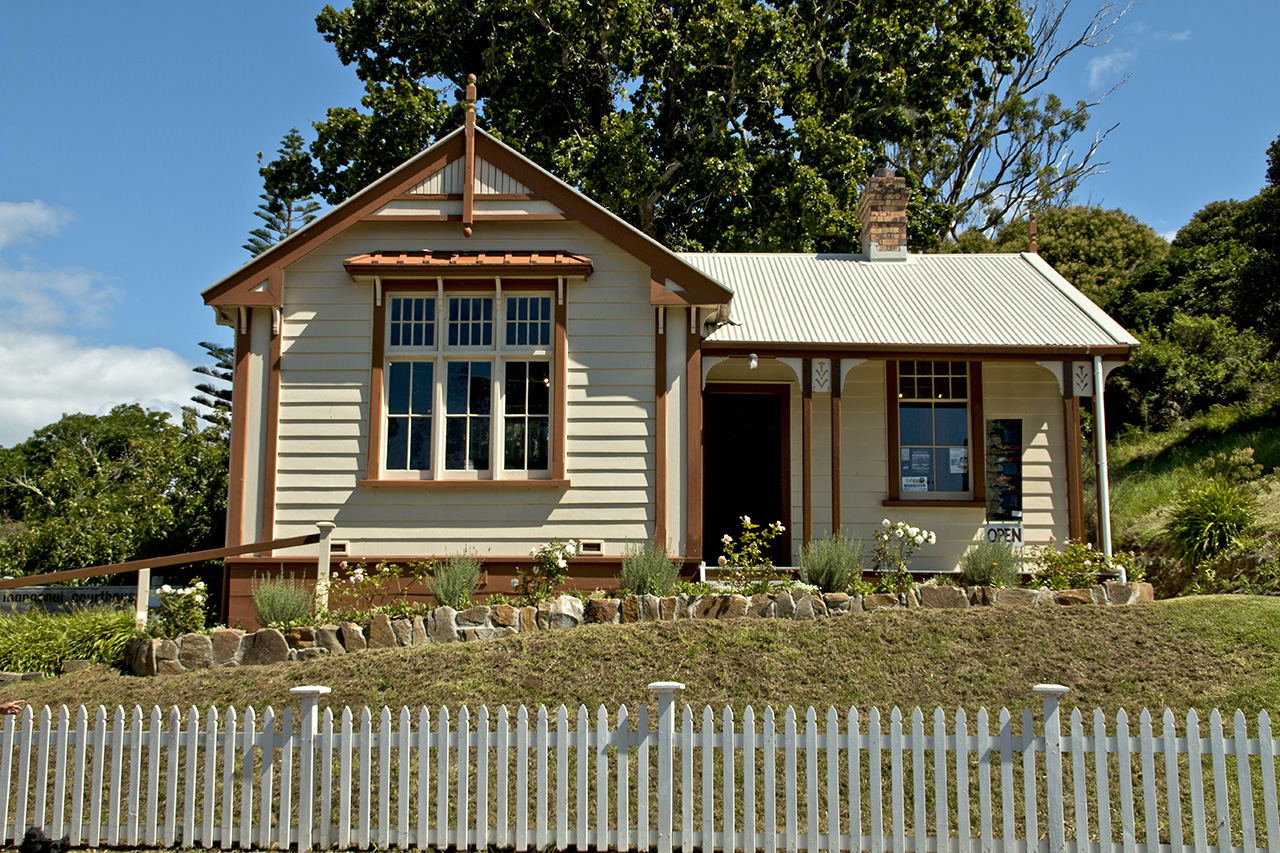
Mangonui Courthouse (Former), Mangonui. CC BY-NC-SA 2.0 Image courtesy of www.flickr.com
Mangonui Courthouse (Former)
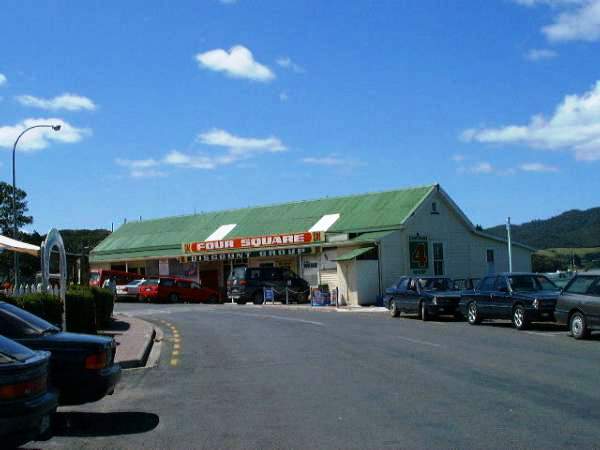
Mangonui Store
Mangonui Store
Wharf Store
Wharf Store
Mangonui Courthouse (Former), Mangonui. CC BY-NC-SA 2.0 Image courtesy of www.flickr.com
Mangonui Courthouse (Former)
Old Oak Hotel (Former), Mangonui. CC BY-SA 3.0 Image courtesy of commons.wikimedia.org
Old Oak Hotel (Former)
Mangonui Store
Mangonui Store
Post Office (Former)
Wharf Store
Wharf Store
Old Bakehouse
Old Bakehouse
Sign up to hear more

Get the latest heritage news, features and events delivered
straight to your inbox.

Subscribe