DonateSupporterVisit Heritage
  • Tūrangawaewae
    Places
  • Tira Māori
    Māori Heritage
  • Poutairangahia
    Archaeology
  • Rauemi
    Resources
  • Mō Tātou
    About Us
  • New Zealand Heritage List
  • Nominate and submit
  • Explore the List
  • National Historic Landmarks
  • Plaques
  • Rainbow List Project
  • Lost heritage
  • Visit Heritage
  • Our properties
  • Turnbull House Project
  • Collections
  • Shop
  • Tohu Whenua
  • Tira Māori
  • Conserving Māori heritage
  • Marae built heritage
  • Māori heritage on the List
  • Hinemihi—Te Hokinga Mai
  • What is archaeology?
  • Is there a site on my property?
  • What are my legal requirements?
  • Affecting an archaeological site
  • Declaring an archaeological site
  • Archaeology FAQs
  • Archaeology Digital Library
  • Archaeology guidelines and templates
  • Resources
  • Funding
  • Publications
  • Sustainable management guides
  • Disaster recovery
  • Podcasts & digital resources
  • Education Hub
  • Conservation plans
  • About
  • Board
  • Māori Heritage Council
  • Senior Staff
  • Offices
  • Contact us
  • Careers
  • Covenants
  • Fast-track
  • Corporate documents
  • Currently consulting on
  • Our submissions
  • News
  • Covid-19 response
Quick links
Rārangi Kōrero | The List
Explore the List
National Historic Landmarks
Ngā Manawhenua o Aotearoa me ōna Kōrero Tūturu
Quick links
Tapuwae
A Vision for Places of Māori Heritage
Funding for Māori Heritage
Resources
Quick links
Archaeological Authority Portal
Applying for an archaeological authority
Archaeology FAQs
Browse the most frequently asked questions about archaeological authorities and the archaeological process.
Quick links
Quick links
Contact us
Offices
DonateSupporterVisit Heritage
  • Tūrangawaewae
    Places
  • Tira Māori
    Māori Heritage
  • Poutairangahia
    Archaeology
  • Rauemi
    Resources
  • Mō Tātou
    About Us
  • New Zealand Heritage List
  • Nominate and submit
  • Explore the List
  • National Historic Landmarks
  • Plaques
  • Rainbow List Project
  • Lost heritage
  • Visit Heritage
  • Our properties
  • Turnbull House Project
  • Collections
  • Shop
  • Tohu Whenua
  • Tira Māori
  • Conserving Māori heritage
  • Marae built heritage
  • Māori heritage on the List
  • Hinemihi—Te Hokinga Mai
  • What is archaeology?
  • Is there a site on my property?
  • What are my legal requirements?
  • Affecting an archaeological site
  • Declaring an archaeological site
  • Archaeology FAQs
  • Archaeology Digital Library
  • Archaeology guidelines and templates
  • Resources
  • Funding
  • Publications
  • Sustainable management guides
  • Disaster recovery
  • Podcasts & digital resources
  • Education Hub
  • Conservation plans
  • About
  • Board
  • Māori Heritage Council
  • Senior Staff
  • Offices
  • Contact us
  • Careers
  • Covenants
  • Fast-track
  • Corporate documents
  • Currently consulting on
  • Our submissions
  • News
  • Covid-19 response
Quick links
Rārangi Kōrero | The List
Explore the List
National Historic Landmarks
Ngā Manawhenua o Aotearoa me ōna Kōrero Tūturu
Quick links
Tapuwae
A Vision for Places of Māori Heritage
Funding for Māori Heritage
Resources
Quick links
Archaeological Authority Portal
Applying for an archaeological authority
Archaeology FAQs
Browse the most frequently asked questions about archaeological authorities and the archaeological process.
Quick links
Quick links
Contact us
Offices
  • Places
  • Nominate and submit
  • National Historic Landmarks
  • Places
  • Nominate and submit
  • National Historic Landmarks
  • Tira Māori
  • Conserving Māori heritage
  • Marae built heritage
  • Tira Māori
  • Conserving Māori heritage
  • Marae built heritage
  • Archaeological authorities
  • Archaeology Digital Library
  • Archaeological authorities
  • Archaeology Digital Library
  • All resources
  • Publications
  • Funding
  • All resources
  • Publications
  • Funding
  • FAQs
  • FAQs
Follow us on:
Places
  • Places
  • Nominate and submit
  • National Historic Landmarks
Tira Māori
  • Tira Māori
  • Conserving Māori heritage
  • Marae built heritage
Archaeology
  • Archaeological authorities
  • Archaeology Digital Library
Resources
  • All resources
  • Publications
  • Funding
FAQs
  • FAQs
Follow us on
HomePrivacyTerms and conditionsAbout this site
© Heritage New Zealand Pouhere Taonga 2026.
 
Mangonui Courthouse (Former)

124 Waterfront Drive, MANGONUI

Public

Historic Place Category 1

List No. 78

Quick links:
List GalleryLocationDetails
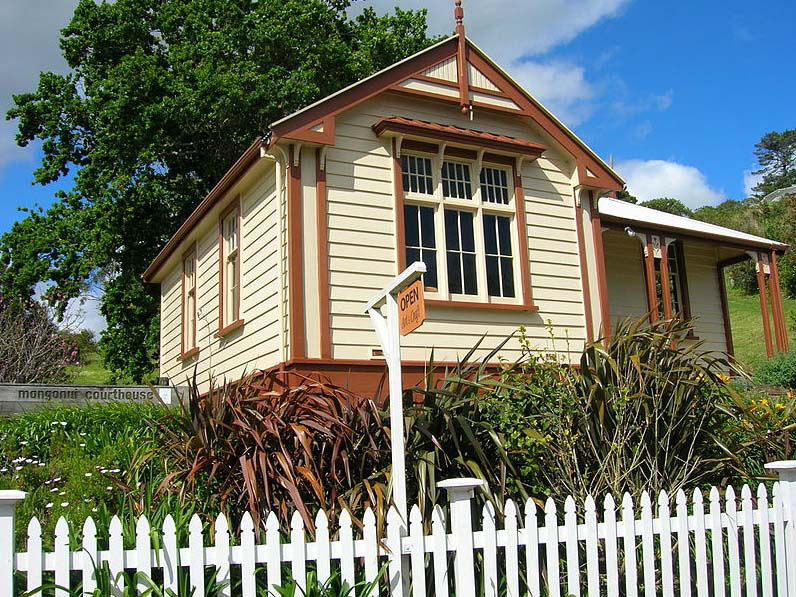
The former Mangonui Courthouse is a well-preserved judicial building of late nineteenth-century date. It was constructed during the early years of the first Liberal Government (1891-1912) in the maritime township of Mangonui. Mangonui was the seat of a resident magistrate, who was responsible for administering justice throughout much of the Far North of New Zealand. The earliest resident magistrate had been appointed in 1848, when the settlement had a reputation for lawless activity, partly due to its role as a port of call for visiting whaling ships. Erected in 1892, the timber structure replaced an earlier courthouse, which had been considered to be substandard. The new building was prominently located close to the post office and late nineteenth-century wharf, which provided the main point of arrival and departure from the town. The building was constructed as the Minister of Public Works, Richard Seddon (1845-1906), was in the process of re-organising the government's Public Works Department as a prelude to establishing a programme of nationwide works. The courthouse was part of the last generation of public structures built exclusively under the private contract system, with an increasing number of buildings from the mid-1890s being constructed by co-operative labour schemes that were directly administered by the state.

Although its plans were apparently drawn up by John Campbell - who was to become Government Architect in 1909 - the single-storey courthouse appears to have been modelled on an earlier, standard Public Works Department design. It was constructed by the local builder George Garton, who had erected other public buildings in the area. Of weatherboarded, kauri construction, the domestic style of the building is in contrast to the more forbidding appearance of courthouses in the larger towns and cities (see 'High Court Building, Auckland'), and bears strong similarities to nineteenth-century single-bay villas. A projecting bay contained the timber-lined courtroom, while a smaller room to the rear provided facilities for the magistrate. Another room at the front, capable of being accessed separately from the courtroom, may have initially accommodated customs work although it was later used by a clerk to the court. The courthouse was employed by the judiciary until 1948, after which it became a police station for 27 years. Taken over by the Mangonui Courthouse Preservation Society after a community campaign for its retention in the 1970s, the structure retains a large proportion of its original kauri furnishings. These include a dock and a judges bench, as well as a table made by local prisoners. It is now used as an art gallery (2002).

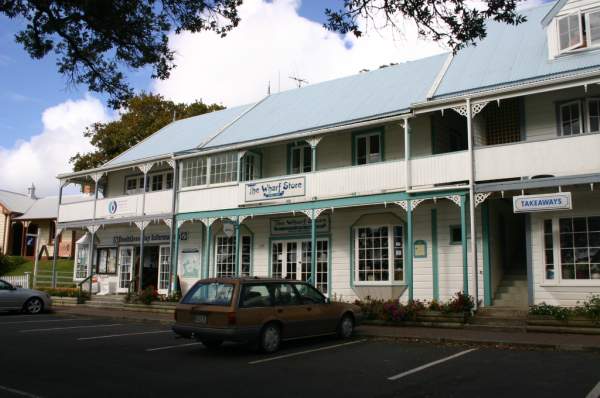
The former Mangonui Courthouse is nationally significant as an unusually intact example of a small court building, pre-dating widespread government construction from the later 1890s. It is among the last generation to reflect mid nineteenth-century attitudes to the creation of public buildings, notably through the private contract system. Its layout and interior demonstrate prevailing attitudes to justice and the social standing of the magistrate. The structure's prominent location in the town can be seen to indicate an ongoing state emphasis on law and order issues within rural communities, which continued when it was occupied by the police force. The structure also reflects Mangonui's role as an administrative centre and economic hub in the Far North. The courthouse is a valuable part of the historic urban landscape in Mangonui, and is of considerable value to the local community, as shown by the campaign to retain the building. It is associated with other late nineteenth- and early-twentieth century buildings along the foreshore, including the adjacent former post office and the Wharf Store.
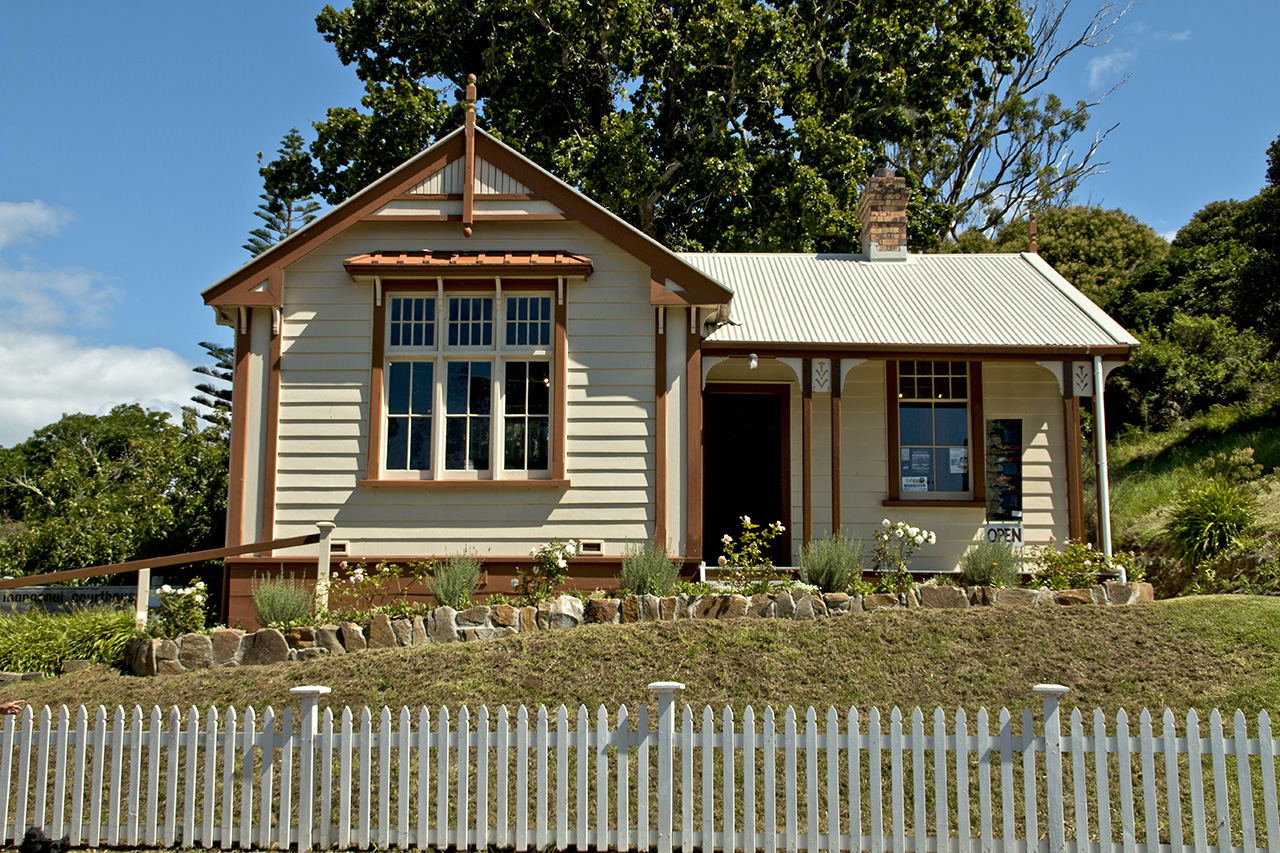
Mangonui Courthouse (Former), Mangonui. CC BY-NC-SA 2.0 Image courtesy of www.flickr.com | Wendy Carlyle | 24/02/2016 | Wendy Carlyle
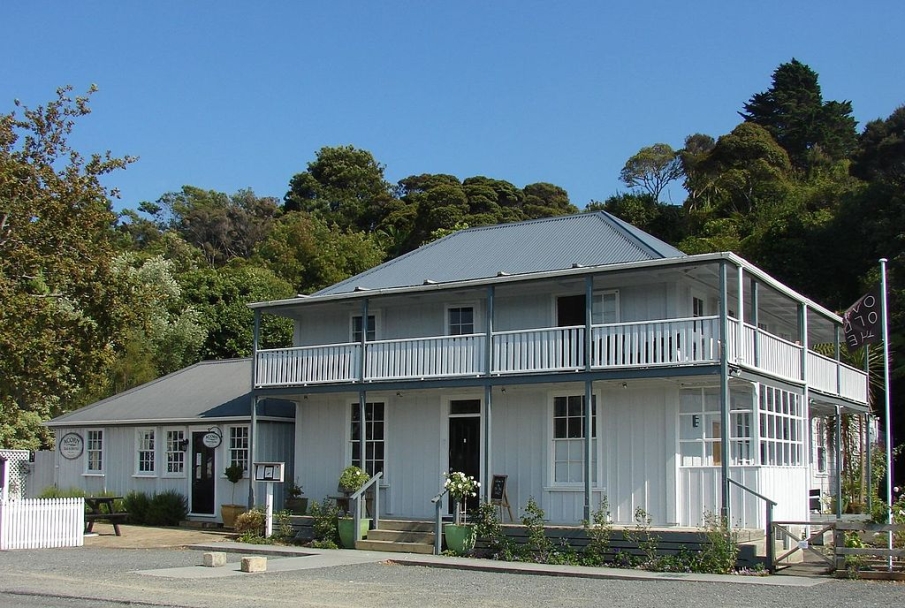
Mangonui Courthouse (Former), Mangonui. CC BY-SA 2.0 Image courtesy of commons.wikimedia.org | brewbooks | 27/10/2005 | brewbooks - Wikimedia Commons
Mangonui Courthouse (Former), Mangonui. CC BY-NC-SA 2.0 Image courtesy of www.flickr.com | Wendy Carlyle | 24/02/2016 | Wendy Carlyle
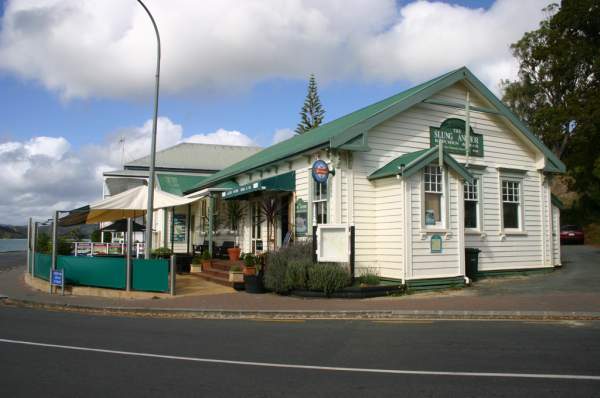
Mangonui Courthouse (Former), Mangonui. CC BY-SA 2.0 Image courtesy of commons.wikimedia.org | brewbooks | 27/10/2005 | brewbooks - Wikimedia Commons

List Entry Information

Overview

Status
Listed

List Entry Status
Historic Place Category 1

Access
Able to Visit

List Number
78

Date Entered
16th November 1989

Date of Effect
16th November 1989

City/District Council
Far North District

Region
Northland Region

Legal description

Allot 295 Town of Mangonui (Historic Reserve NZ Gazette 1982 p. 724), North Auckland Land District

Detailed List Entry
Significance

Historic Significance

Historical Significance or Value For the second half of the last century, Mangonui was a busy port for whalers, and traders and a centre of the Kauri timber industry. The first courthouse was built there in the 1850s. The present building served on Courthouse, Customhouse and Bondstore until 1948, and as a Police Station until 1976. When the future of the building came into doubt, the Mangonui Courthouse Preservation Society was formed, and with the aid of grants from Logan Campbell Trust, the Historic Places Trust and with private donations, the building had been completely restored. The Mangonui Courthouse was built to provide for government administration and control in an active late 19th century commercial centre and port of entry. Mangonui no longer has these governmental functions, but the courthouse is a reminder of its past importance.

Physical Significance

Architectural Quality: Although modest this well built public building has very fine timber panelling and joinery. Its informal design and domestic scale distinguish it from other public buildings of the next decade. Townscape/Landmark Significance: It is part of a precinct embracing a hotel, post office and store. Its superb harbourside setting enhances its townscape value in this small rural community.

Construction Professional

Name

Campbell, John

Type

Architect

Biography

John Campbell (1857-1942) served his articles under John Gordon (c1835-1912) in Glasgow. He arrived in Dunedin in 1882 and after a brief period as a draughtsman with Mason and Wales joined the Dunedin branch of the Public Works Department in 1883. His first known work, an unbuilt design for the Dunedin Railway Station, reveals an early interest in Baroque architecture. In November 1888 Campbell was transferred to Wellington where in 1889 he took up the position of draughtsman in charge of the Public Buildings Division of the Public Works Department. He remained in charge of the design of government buildings throughout New Zealand until his retirement in 1922, becoming in 1909 the first person to hold the position of Government Architect. Government architecture designed under his aegis evidences a change in style from Queen Anne to Edwardian Baroque. His best-known Queen Anne design is the Dunedin Police Station (1895-8), modelled on Richard Norman Shaw's New Scotland Yard (1887-90). Among his most exuberant Edwardian Baroque buildings is the Public Trust Office, Wellington (1905-09). Although Campbell designed the Dunedin Law Courts (1899-1902) in the Gothic style with a Scottish Baronial inflection, he established Edwardian Baroque as the government style for police stations, courthouses and post offices throughout New Zealand. In 1911 Campbell won the nation-wide architectural competition for the design of Parliament Buildings, Wellington. Although only partially completed, Parliament House is the crowning achievement of Campbell's career.

Name

Garton, George

Type

Builder

Biography

George Garton constructed a number of timber buildings in and around Mangonui in the Far North in the late nineteenth century. These are known to have included Fairburns School (1890, moved to Waipapakauri in 1961), Mangonui Courthouse (1892) and Mangonui Hall (1894). He also tendered unsuccessfully for the construction of Oruaiti School in 1894. Garton was a first-generation New Zealander whose parents had married shortly after arriving from England in 1859. Brought up on their 400 ha farm at Oruru near Mangonui, he married Lilian McKay and was resident in Mangonui Township during the early 1890s.

Construction Details

Type

Other

Description

Site of customhouse

Period

pre-1884

Start Year

1892

Type

Original Construction

Description

Construction of Courthouse and outbuilding

Start Year

1978

Finish Year

1979

Type

Modification

Description

Repairs, including re-roofing and replacement of ventilator with replica

Start Year

1983

Type

Modification

Description

Outbuilding demolished

Construction Materials

Timber framed on Totara piles. Plain weatherboards. All timber is Kauri including joinery. Corrugated iron roof.

Notable Features

Registration covers the building, its fixtures and finishes, including recent modifications. The structure is associated with buried archaeological deposits of nineteenth-century date and other elements of the historic landscape, including a large oak tree to the rear. - The interior woodwork - Original chattels and fittings including the dock, judge's bench, the safe and a table made by prisoners.

Reference

Completion Date

30th May 2002

Report Written By

Martin Jones

Information Sources

Bowron, 1992

Greg Bowron, 'Mangonui Courthouse: Cyclical Maintenance Plan', Wellington, 1992, held by NZHPT, Auckland

Keene, 1978

Keene, Florence, Legacies in Kauri: Old Homes and Churches of the North, Whangarei, 1978

Clarke-McKenna, 1990

Neva Clarke McKenna, Mangonui: Gateway to the Far North, Kerikeri, 1990

New Zealand Historic Places Trust (NZHPT)

New Zealand Historic Places Trust

Noonan, 1975

Rosslyn J. Noonan, By Design: A Brief History of the Public Works Department Ministry of Works 1870-1970, Wellington, 1975

Richardson, 1988

Peter Richardson, 'An Architecture of Empire: The Government Buildings of John Campbell in New Zealand', MA Thesis, University of Canterbury, 1988

Salmond, 1986

Jeremy Salmond, Old New Zealand Houses 1800-1940, Auckland, 1986, Reed Methuen

Report Written By

This place was identified as significant under previous legislation with different information requirements. It remains significant under the current legislation. There is opportunity under our legislation and policies to add to this information. Further information about this place may be available from the Northland Office of Heritage New Zealand Pouhere Taonga. Please note that entry on the New Zealand Heritage List/Rarangi Korero identifies only the heritage values of the property concerned, and should not be construed as advice on the state of the property, or as a comment of its soundness or safety, including in regard to earthquake risk, safety in the event of fire, or insanitary conditions.

Further Information

Current Usages

Uses: Civic Facilities

Specific Usage: Art Gallery

Former Usages

General Usage:: Law Enforcement

Specific Usage: Courthouse

General Usage:: Law Enforcement

Specific Usage: Police station

Themes

Web Links

Overview

Status

Listed

List Entry Status

Historic Place Category 1

Access

Able to Visit

List Number

78

Date Entered

16th November 1989

Date of Effect

16th November 1989

City/District Council

Far North District

Region

Northland Region

Legal description

Allot 295 Town of Mangonui (Historic Reserve NZ Gazette 1982 p. 724), North Auckland Land District

Status

Listed

List Entry Status

Historic Place Category 1

Access

Able to Visit

List Number

78

Date Entered

16th November 1989

Date of Effect

16th November 1989

City/District Council

Far North District

Region

Northland Region

Legal description

Allot 295 Town of Mangonui (Historic Reserve NZ Gazette 1982 p. 724), North Auckland Land District

Significance

Why is this place significant?

Historic Significance

Historical Significance or Value For the second half of the last century, Mangonui was a busy port for whalers, and traders and a centre of the Kauri timber industry. The first courthouse was built there in the 1850s. The present building served on Courthouse, Customhouse and Bondstore until 1948, and as a Police Station until 1976. When the future of the building came into doubt, the Mangonui Courthouse Preservation Society was formed, and with the aid of grants from Logan Campbell Trust, the Historic Places Trust and with private donations, the building had been completely restored. The Mangonui Courthouse was built to provide for government administration and control in an active late 19th century commercial centre and port of entry. Mangonui no longer has these governmental functions, but the courthouse is a reminder of its past importance.

Physical Significance

Architectural Quality: Although modest this well built public building has very fine timber panelling and joinery. Its informal design and domestic scale distinguish it from other public buildings of the next decade. Townscape/Landmark Significance: It is part of a precinct embracing a hotel, post office and store. Its superb harbourside setting enhances its townscape value in this small rural community.

Why is this place significant?

Historic Significance

Historical Significance or Value For the second half of the last century, Mangonui was a busy port for whalers, and traders and a centre of the Kauri timber industry. The first courthouse was built there in the 1850s. The present building served on Courthouse, Customhouse and Bondstore until 1948, and as a Police Station until 1976. When the future of the building came into doubt, the Mangonui Courthouse Preservation Society was formed, and with the aid of grants from Logan Campbell Trust, the Historic Places Trust and with private donations, the building had been completely restored. The Mangonui Courthouse was built to provide for government administration and control in an active late 19th century commercial centre and port of entry. Mangonui no longer has these governmental functions, but the courthouse is a reminder of its past importance.

Physical Significance

Architectural Quality: Although modest this well built public building has very fine timber panelling and joinery. Its informal design and domestic scale distinguish it from other public buildings of the next decade. Townscape/Landmark Significance: It is part of a precinct embracing a hotel, post office and store. Its superb harbourside setting enhances its townscape value in this small rural community.

Construction Information

Construction Professional

Name

Campbell, John

Type

Architect

Biography

John Campbell (1857-1942) served his articles under John Gordon (c1835-1912) in Glasgow. He arrived in Dunedin in 1882 and after a brief period as a draughtsman with Mason and Wales joined the Dunedin branch of the Public Works Department in 1883. His first known work, an unbuilt design for the Dunedin Railway Station, reveals an early interest in Baroque architecture. In November 1888 Campbell was transferred to Wellington where in 1889 he took up the position of draughtsman in charge of the Public Buildings Division of the Public Works Department. He remained in charge of the design of government buildings throughout New Zealand until his retirement in 1922, becoming in 1909 the first person to hold the position of Government Architect. Government architecture designed under his aegis evidences a change in style from Queen Anne to Edwardian Baroque. His best-known Queen Anne design is the Dunedin Police Station (1895-8), modelled on Richard Norman Shaw's New Scotland Yard (1887-90). Among his most exuberant Edwardian Baroque buildings is the Public Trust Office, Wellington (1905-09). Although Campbell designed the Dunedin Law Courts (1899-1902) in the Gothic style with a Scottish Baronial inflection, he established Edwardian Baroque as the government style for police stations, courthouses and post offices throughout New Zealand. In 1911 Campbell won the nation-wide architectural competition for the design of Parliament Buildings, Wellington. Although only partially completed, Parliament House is the crowning achievement of Campbell's career.

Name

Garton, George

Type

Builder

Biography

George Garton constructed a number of timber buildings in and around Mangonui in the Far North in the late nineteenth century. These are known to have included Fairburns School (1890, moved to Waipapakauri in 1961), Mangonui Courthouse (1892) and Mangonui Hall (1894). He also tendered unsuccessfully for the construction of Oruaiti School in 1894. Garton was a first-generation New Zealander whose parents had married shortly after arriving from England in 1859. Brought up on their 400 ha farm at Oruru near Mangonui, he married Lilian McKay and was resident in Mangonui Township during the early 1890s.

Construction Details

Type

Other

Description

Site of customhouse

Period

pre-1884

Start Year

1892

Type

Original Construction

Description

Construction of Courthouse and outbuilding

Start Year

1978

Finish Year

1979

Type

Modification

Description

Repairs, including re-roofing and replacement of ventilator with replica

Start Year

1983

Type

Modification

Description

Outbuilding demolished

Construction Materials

Timber framed on Totara piles. Plain weatherboards. All timber is Kauri including joinery. Corrugated iron roof.

Notable Features

Registration covers the building, its fixtures and finishes, including recent modifications. The structure is associated with buried archaeological deposits of nineteenth-century date and other elements of the historic landscape, including a large oak tree to the rear. - The interior woodwork - Original chattels and fittings including the dock, judge's bench, the safe and a table made by prisoners.

Construction Professional

Name

Campbell, John

Type

Architect

Biography

John Campbell (1857-1942) served his articles under John Gordon (c1835-1912) in Glasgow. He arrived in Dunedin in 1882 and after a brief period as a draughtsman with Mason and Wales joined the Dunedin branch of the Public Works Department in 1883. His first known work, an unbuilt design for the Dunedin Railway Station, reveals an early interest in Baroque architecture. In November 1888 Campbell was transferred to Wellington where in 1889 he took up the position of draughtsman in charge of the Public Buildings Division of the Public Works Department. He remained in charge of the design of government buildings throughout New Zealand until his retirement in 1922, becoming in 1909 the first person to hold the position of Government Architect. Government architecture designed under his aegis evidences a change in style from Queen Anne to Edwardian Baroque. His best-known Queen Anne design is the Dunedin Police Station (1895-8), modelled on Richard Norman Shaw's New Scotland Yard (1887-90). Among his most exuberant Edwardian Baroque buildings is the Public Trust Office, Wellington (1905-09). Although Campbell designed the Dunedin Law Courts (1899-1902) in the Gothic style with a Scottish Baronial inflection, he established Edwardian Baroque as the government style for police stations, courthouses and post offices throughout New Zealand. In 1911 Campbell won the nation-wide architectural competition for the design of Parliament Buildings, Wellington. Although only partially completed, Parliament House is the crowning achievement of Campbell's career.

Name

Garton, George

Type

Builder

Biography

George Garton constructed a number of timber buildings in and around Mangonui in the Far North in the late nineteenth century. These are known to have included Fairburns School (1890, moved to Waipapakauri in 1961), Mangonui Courthouse (1892) and Mangonui Hall (1894). He also tendered unsuccessfully for the construction of Oruaiti School in 1894. Garton was a first-generation New Zealander whose parents had married shortly after arriving from England in 1859. Brought up on their 400 ha farm at Oruru near Mangonui, he married Lilian McKay and was resident in Mangonui Township during the early 1890s.

Construction Details

Type

Other

Description

Site of customhouse

Period

pre-1884

Start Year

1892

Type

Original Construction

Description

Construction of Courthouse and outbuilding

Start Year

1978

Finish Year

1979

Type

Modification

Description

Repairs, including re-roofing and replacement of ventilator with replica

Start Year

1983

Type

Modification

Description

Outbuilding demolished

Construction Materials

Timber framed on Totara piles. Plain weatherboards. All timber is Kauri including joinery. Corrugated iron roof.

Notable Features

Registration covers the building, its fixtures and finishes, including recent modifications. The structure is associated with buried archaeological deposits of nineteenth-century date and other elements of the historic landscape, including a large oak tree to the rear. - The interior woodwork - Original chattels and fittings including the dock, judge's bench, the safe and a table made by prisoners.

Reference

Historical and Associated Iwi / Hapū / Whānau

Completion Date

30th May 2002

Report Written By

Martin Jones

Information Sources

Bowron, 1992

Greg Bowron, 'Mangonui Courthouse: Cyclical Maintenance Plan', Wellington, 1992, held by NZHPT, Auckland

Keene, 1978

Keene, Florence, Legacies in Kauri: Old Homes and Churches of the North, Whangarei, 1978

Clarke-McKenna, 1990

Neva Clarke McKenna, Mangonui: Gateway to the Far North, Kerikeri, 1990

New Zealand Historic Places Trust (NZHPT)

New Zealand Historic Places Trust

Noonan, 1975

Rosslyn J. Noonan, By Design: A Brief History of the Public Works Department Ministry of Works 1870-1970, Wellington, 1975

Richardson, 1988

Peter Richardson, 'An Architecture of Empire: The Government Buildings of John Campbell in New Zealand', MA Thesis, University of Canterbury, 1988

Salmond, 1986

Jeremy Salmond, Old New Zealand Houses 1800-1940, Auckland, 1986, Reed Methuen

Other Information

This place was identified as significant under previous legislation with different information requirements. It remains significant under the current legislation. There is opportunity under our legislation and policies to add to this information. Further information about this place may be available from the Northland Office of Heritage New Zealand Pouhere Taonga. Please note that entry on the New Zealand Heritage List/Rarangi Korero identifies only the heritage values of the property concerned, and should not be construed as advice on the state of the property, or as a comment of its soundness or safety, including in regard to earthquake risk, safety in the event of fire, or insanitary conditions.

Historical and Associated Iwi / Hapū / Whānau

Completion Date

30th May 2002

Report Written By

Martin Jones

Information Sources

Bowron, 1992

Greg Bowron, 'Mangonui Courthouse: Cyclical Maintenance Plan', Wellington, 1992, held by NZHPT, Auckland

Keene, 1978

Keene, Florence, Legacies in Kauri: Old Homes and Churches of the North, Whangarei, 1978

Clarke-McKenna, 1990

Neva Clarke McKenna, Mangonui: Gateway to the Far North, Kerikeri, 1990

New Zealand Historic Places Trust (NZHPT)

New Zealand Historic Places Trust

Noonan, 1975

Rosslyn J. Noonan, By Design: A Brief History of the Public Works Department Ministry of Works 1870-1970, Wellington, 1975

Richardson, 1988

Peter Richardson, 'An Architecture of Empire: The Government Buildings of John Campbell in New Zealand', MA Thesis, University of Canterbury, 1988

Salmond, 1986

Jeremy Salmond, Old New Zealand Houses 1800-1940, Auckland, 1986, Reed Methuen

Other Information

This place was identified as significant under previous legislation with different information requirements. It remains significant under the current legislation. There is opportunity under our legislation and policies to add to this information. Further information about this place may be available from the Northland Office of Heritage New Zealand Pouhere Taonga. Please note that entry on the New Zealand Heritage List/Rarangi Korero identifies only the heritage values of the property concerned, and should not be construed as advice on the state of the property, or as a comment of its soundness or safety, including in regard to earthquake risk, safety in the event of fire, or insanitary conditions.

Further Information

Current Usages

Uses: Civic Facilities

Specific Usage: Art Gallery

Former Usages

General Usage: Law Enforcement

Specific Usage: Courthouse

General Usage: Law Enforcement

Specific Usage: Police station

Current Usages

Uses: Civic Facilities

Specific Usage: Art Gallery

Former Usages

General Usage: Law Enforcement

Specific Usage: Courthouse

General Usage: Law Enforcement

Specific Usage: Police station

Location

Loading
Related listings
Old Oak Hotel (Former), Mangonui. CC BY-SA 3.0 Image courtesy of commons.wikimedia.org
Old Oak Hotel (Former)
Post Office (Former)
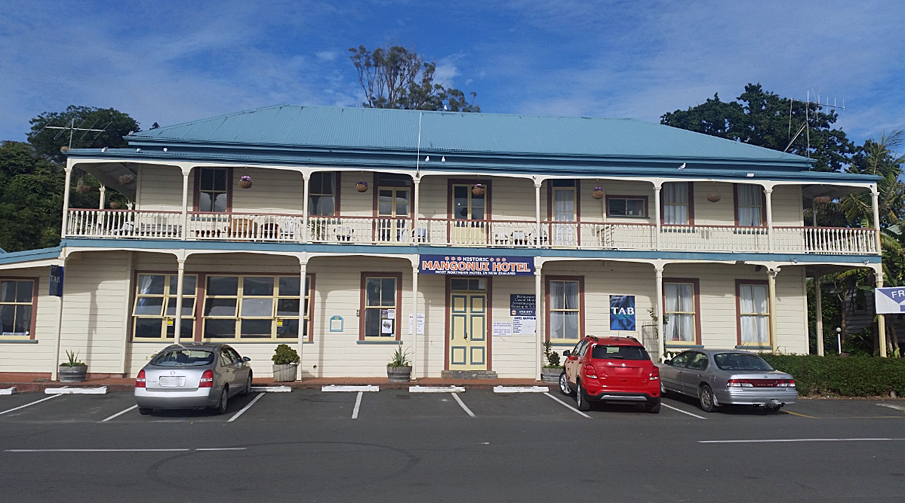
Mangonui Hotel, Mangonui. Image courtesy of pexels.com
Mangonui Hotel
Mangonui Store
Mangonui Store
Wharf Store
Wharf Store
Mangonui Hotel, Mangonui. Image courtesy of pexels.com
Mangonui Hotel
Old Oak Hotel (Former), Mangonui. CC BY-SA 3.0 Image courtesy of commons.wikimedia.org
Old Oak Hotel (Former)
Mangonui Store
Mangonui Store
Post Office (Former)
Wharf Store
Wharf Store
Sign up to hear more

Get the latest heritage news, features and events delivered
straight to your inbox.

Subscribe