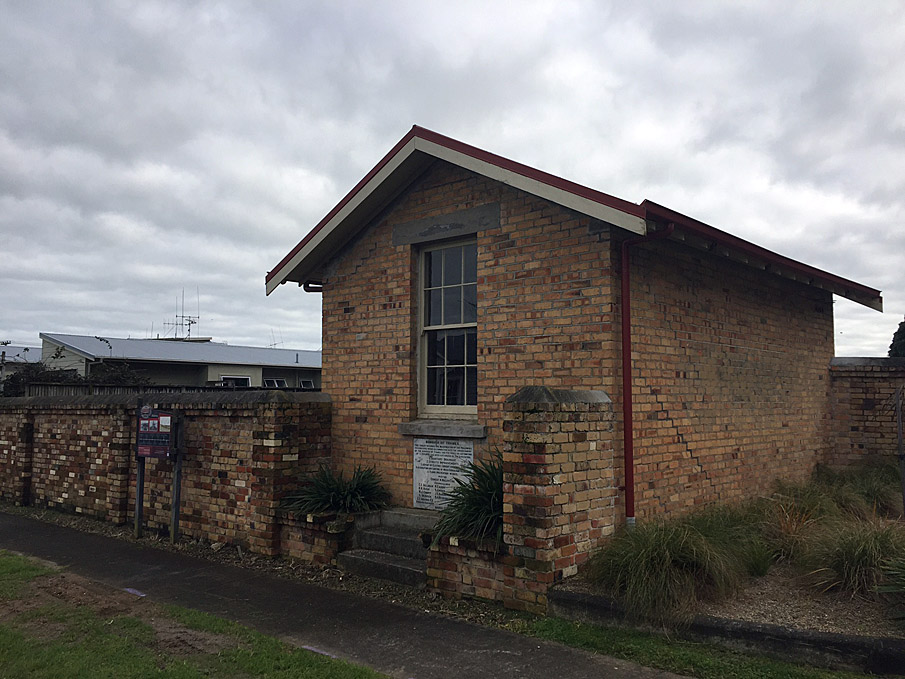
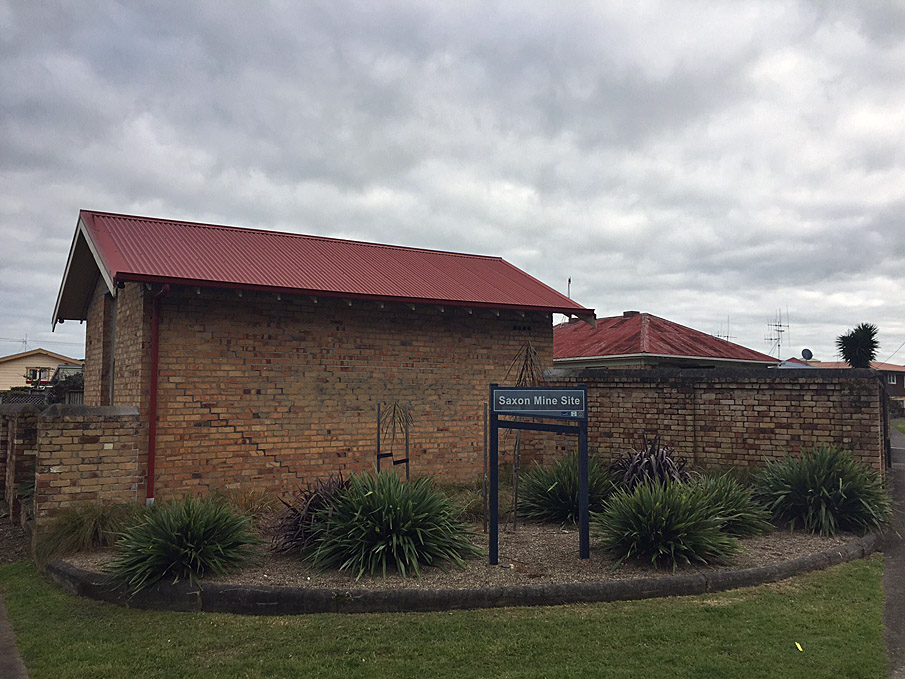
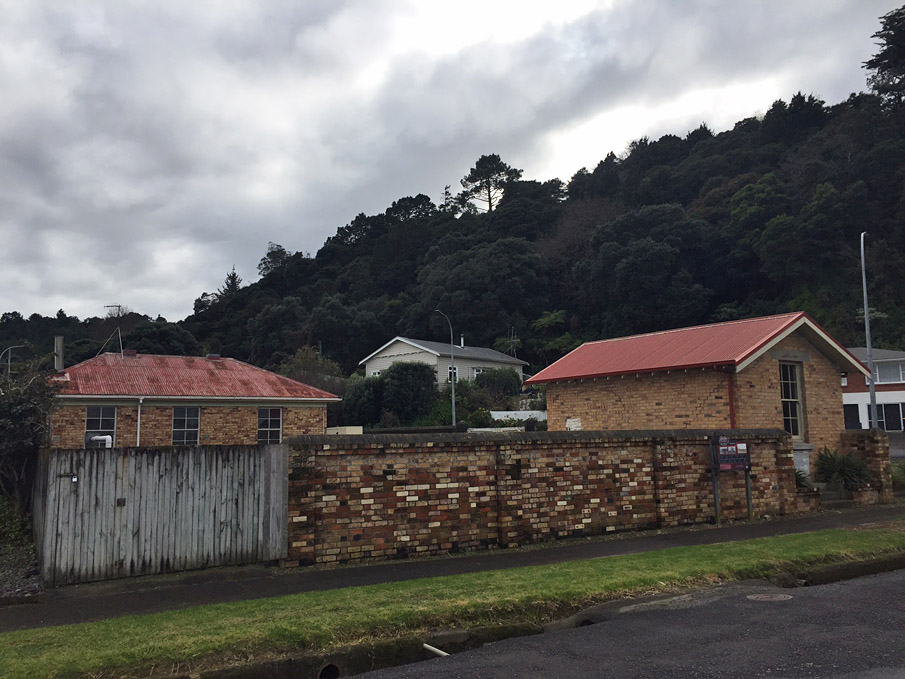
Saxon Shaft Pump Station is closely linked with the evolution and impacts of goldmining in Thames, one of New Zealand’s most historically important industrial centres. It is especially connected with early twentieth-century attempts to control water levels within the settlement’s extensive underground mines after gold production had largely ceased. Situated in Grahamstown, the station consists of a small brick pumphouse, constructed in 1923, positioned immediately over an earlier mining feature - the Saxon Shaft. The pumphouse forms a notable remnant of a significant civic project that sought to modernise infrastructure in early twentieth-century Thames as the town pivoted away from mining towards other economic activity. Still in use, the station and its associated complex have remained part of Thames’ water management infrastructure for over 100 years.
Te Kauaeranga was initially settled by Ngāti Huarere prior to conquest by Marutūahu iwi during the sixteenth century. The flat plains beside Tikapa Moana-o-Hauraki (Firth of Thames) were generally cultivated, with defensive pā established on overlooking ridges. Prior to European arrival, the Thames foreshore was divided into numerous customary interests enabling hapū from throughout Hauraki to access pātiki (flatfish) in associated fishing grounds. The area was known as Tarakonaiti after a large pā situated by the Karaka Stream. After the discovery of gold in 1867, a township and associated industrial activity linked with mining rapidly developed - and the landscape dramatically transformed.
In 1868, Aperahama Te Reiroa and others leased Kauaeranga 14 Block to Auckland entrepreneur Robert Graham. Subsequently forming part of Grahamstown, this included the future Saxon Shaft Pump Station site. Mining at the latter location began in 1871 as part of the Crown Princess Claim operations, which remained active until 1881. In 1883, the Saxon Goldmining Company held the claim for a decade before several further changes in ownership occurred. Incorporating a vertical shaft and poppet head, as well as several industrial buildings, the mine formed one of Thames’ more productive operations. In 1910-12, alterations to the shaft involved its enlargement, re-timbering and subsequent deepening.
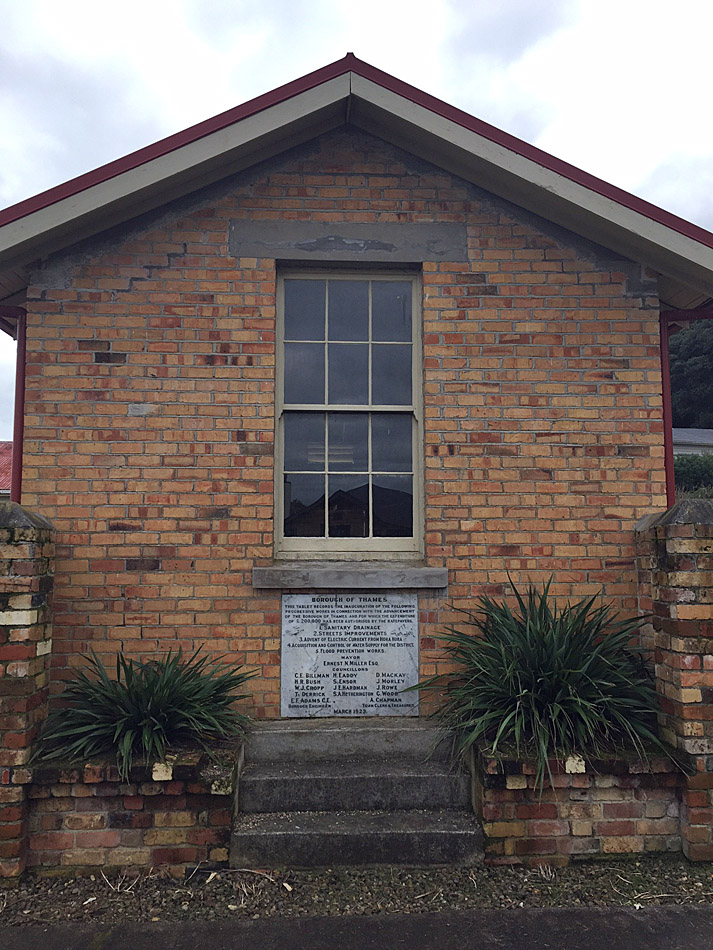
Mining operations at the site ceased in 1914, when the Big Pump at nearby Bella Street was closed and water levels rose in the Thames shafts, effectively putting an end to deep-level mining in the town. Water from extensive underground workings beneath the settlement subsequently spilled out from the Saxon Shaft - the lowest of the mines - flooding vulnerable parts of Thames. Dewatering pumps at the shaft were initially installed in 1917, and four years later a concrete outlet drain, receiving pit and pumphouse footings were constructed by Thames Borough Council land after its purchase of the site. The current brick superstructure was added in 1923 to house electric pumping equipment. The pumphouse’s gabled design was broadly utilitarian, incorporating a door in one side wall and a double-hung sash window facing Albert Street. Although the new facility was seen by some as an opportunity to resume sinking shafts to a shallow level, it formed part of a wider civic infrastructure project that sought to attract and support new enterprise as mining activity declined.
Major works encompassed enhanced water and electricity provision, flood protection and road improvements, as well as a new sewerage scheme inaugurated by the pumping station. These advances were extolled by a large commemorative plaque on the pumphouse exterior, unveiled by the Mayor of Thames, T.W. Rhodes, in a public ceremony involving numerous other dignitaries.
Other buildings subsequently forming part of the station complex included a water treatment building of similar brick construction. A prominent enclosing brick wall with large gates - still surviving - restricted access to the complex, which was reduced in extent by the 1990s. Refurbishment of the pumphouse in 2008-9 included repairing the roof structure and re-cladding with corrugated iron. More than a century after its establishment, the station and its associated complex remain in everyday use for wastewater management.
Te Kauaeranga was initially settled by Ngāti Huarere prior to conquest by Marutūahu iwi during the sixteenth century. The flat plains beside Tikapa Moana-o-Hauraki (Firth of Thames) were generally cultivated, with defensive pā established on overlooking ridges. Prior to European arrival, the Thames foreshore was divided into numerous customary interests enabling hapū from throughout Hauraki to access pātiki (flatfish) in associated fishing grounds. The area was known as Tarakonaiti after a large pā situated by the Karaka Stream. After the discovery of gold in 1867, a township and associated industrial activity linked with mining rapidly developed - and the landscape dramatically transformed.
In 1868, Aperahama Te Reiroa and others leased Kauaeranga 14 Block to Auckland entrepreneur Robert Graham. Subsequently forming part of Grahamstown, this included the future Saxon Shaft Pump Station site. Mining at the latter location began in 1871 as part of the Crown Princess Claim operations, which remained active until 1881. In 1883, the Saxon Goldmining Company held the claim for a decade before several further changes in ownership occurred. Incorporating a vertical shaft and poppet head, as well as several industrial buildings, the mine formed one of Thames’ more productive operations. In 1910-12, alterations to the shaft involved its enlargement, re-timbering and subsequent deepening.
Mining operations at the site ceased in 1914, when the Big Pump at nearby Bella Street was closed and water levels rose in the Thames shafts, effectively putting an end to deep-level mining in the town. Water from extensive underground workings beneath the settlement subsequently spilled out from the Saxon Shaft - the lowest of the mines - flooding vulnerable parts of Thames. Dewatering pumps at the shaft were initially installed in 1917, and four years later a concrete outlet drain, receiving pit and pumphouse footings were constructed by Thames Borough Council land after its purchase of the site. The current brick superstructure was added in 1923 to house electric pumping equipment. The pumphouse’s gabled design was broadly utilitarian, incorporating a door in one side wall and a double-hung sash window facing Albert Street. Although the new facility was seen by some as an opportunity to resume sinking shafts to a shallow level, it formed part of a wider civic infrastructure project that sought to attract and support new enterprise as mining activity declined.
Major works encompassed enhanced water and electricity provision, flood protection and road improvements, as well as a new sewerage scheme inaugurated by the pumping station. These advances were extolled by a large commemorative plaque on the pumphouse exterior, unveiled by the Mayor of Thames, T.W. Rhodes, in a public ceremony involving numerous other dignitaries.
Other buildings subsequently forming part of the station complex included a water treatment building of similar brick construction. A prominent enclosing brick wall with large gates - still surviving - restricted access to the complex, which was reduced in extent by the 1990s. Refurbishment of the pumphouse in 2008-9 included repairing the roof structure and re-cladding with corrugated iron. More than a century after its establishment, the station and its associated complex remain in everyday use for wastewater management.