DonateMembershipVisit Heritage
  • Tūrangawaewae
    Places
  • Tira Māori
    Māori Heritage
  • Poutairangahia
    Archaeology
  • Rauemi
    Resources
  • Mō Tātou
    About Us
  • New Zealand Heritage List
  • Nominate and submit
  • Explore the List
  • National Historic Landmarks
  • Plaques
  • Rainbow List Project
  • Lost heritage
  • Visit Heritage
  • Our properties
  • Turnbull House Project
  • Collections
  • Shop
  • Tohu Whenua
  • Tira Māori
  • Conserving Māori heritage
  • Marae built heritage
  • Māori heritage on the List
  • Hinemihi—Te Hokinga Mai
  • What is archaeology?
  • Is there a site on my property?
  • What are my legal requirements?
  • Affecting an archaeological site
  • Declaring an archaeological site
  • Archaeology FAQs
  • Archaeology Digital Library
  • Archaeology guidelines and templates
  • Resources
  • Funding
  • Publications
  • Sustainable management guides
  • Disaster recovery
  • Podcasts & digital resources
  • Education Hub
  • Conservation plans
  • About
  • Board
  • Māori Heritage Council
  • Senior Staff
  • Offices
  • Contact us
  • Careers
  • Covenants
  • Fast-track
  • Corporate documents
  • Currently consulting on
  • Our submissions
  • News
  • Covid-19 response
Quick links
Rārangi Kōrero | The List
Explore the List
National Historic Landmarks
Ngā Manawhenua o Aotearoa me ōna Kōrero Tūturu
Quick links
Tapuwae
A Vision for Places of Māori Heritage
Funding for Māori Heritage
Resources
Quick links
Archaeological Authority Portal
Applying for an archaeological authority
Archaeology FAQs
Browse the most frequently asked questions about archaeological authorities and the archaeological process.
Quick links
Quick links
News
News Keep up to date with Heritage New Zealand Pouhere Taonga
Membership
Membership Find out more and sign up today
DonateMembershipVisit Heritage
  • Tūrangawaewae
    Places
  • Tira Māori
    Māori Heritage
  • Poutairangahia
    Archaeology
  • Rauemi
    Resources
  • Mō Tātou
    About Us
  • New Zealand Heritage List
  • Nominate and submit
  • Explore the List
  • National Historic Landmarks
  • Plaques
  • Rainbow List Project
  • Lost heritage
  • Visit Heritage
  • Our properties
  • Turnbull House Project
  • Collections
  • Shop
  • Tohu Whenua
  • Tira Māori
  • Conserving Māori heritage
  • Marae built heritage
  • Māori heritage on the List
  • Hinemihi—Te Hokinga Mai
  • What is archaeology?
  • Is there a site on my property?
  • What are my legal requirements?
  • Affecting an archaeological site
  • Declaring an archaeological site
  • Archaeology FAQs
  • Archaeology Digital Library
  • Archaeology guidelines and templates
  • Resources
  • Funding
  • Publications
  • Sustainable management guides
  • Disaster recovery
  • Podcasts & digital resources
  • Education Hub
  • Conservation plans
  • About
  • Board
  • Māori Heritage Council
  • Senior Staff
  • Offices
  • Contact us
  • Careers
  • Covenants
  • Fast-track
  • Corporate documents
  • Currently consulting on
  • Our submissions
  • News
  • Covid-19 response
Quick links
Rārangi Kōrero | The List
Explore the List
National Historic Landmarks
Ngā Manawhenua o Aotearoa me ōna Kōrero Tūturu
Quick links
Tapuwae
A Vision for Places of Māori Heritage
Funding for Māori Heritage
Resources
Quick links
Archaeological Authority Portal
Applying for an archaeological authority
Archaeology FAQs
Browse the most frequently asked questions about archaeological authorities and the archaeological process.
Quick links
Quick links
News
News Keep up to date with Heritage New Zealand Pouhere Taonga
Membership
Membership Find out more and sign up today
  • Places
  • Nominate and submit
  • National Historic Landmarks
  • Places
  • Nominate and submit
  • National Historic Landmarks
  • Tira Māori
  • Conserving Māori heritage
  • Marae built heritage
  • Tira Māori
  • Conserving Māori heritage
  • Marae built heritage
  • Archaeological authorities
  • Archaeology Digital Library
  • Archaeological authorities
  • Archaeology Digital Library
  • All resources
  • Publications
  • Funding
  • All resources
  • Publications
  • Funding
  • FAQs
  • FAQs
Follow us on:
Places
  • Places
  • Nominate and submit
  • National Historic Landmarks
Tira Māori
  • Tira Māori
  • Conserving Māori heritage
  • Marae built heritage
Archaeology
  • Archaeological authorities
  • Archaeology Digital Library
Resources
  • All resources
  • Publications
  • Funding
FAQs
  • FAQs
Follow us on
HomePrivacyTerms and conditionsAbout this site
© Heritage New Zealand Pouhere Taonga 2026.
 
Larnach Castle Cupola

Camp Road, OTAGO PENINSULA

Public

Historic Place Category 1

List No. 4770

Quick links:
List GalleryLocationDetails
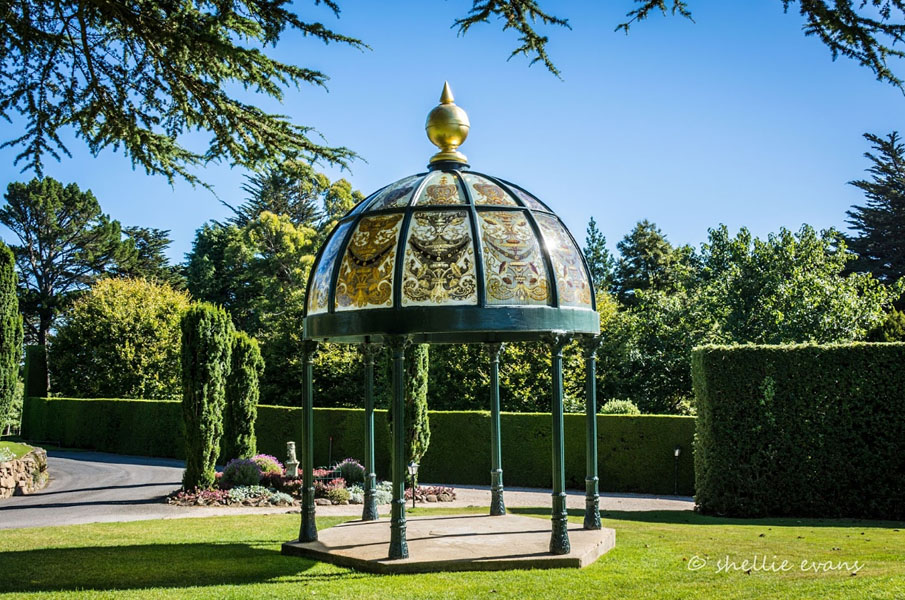
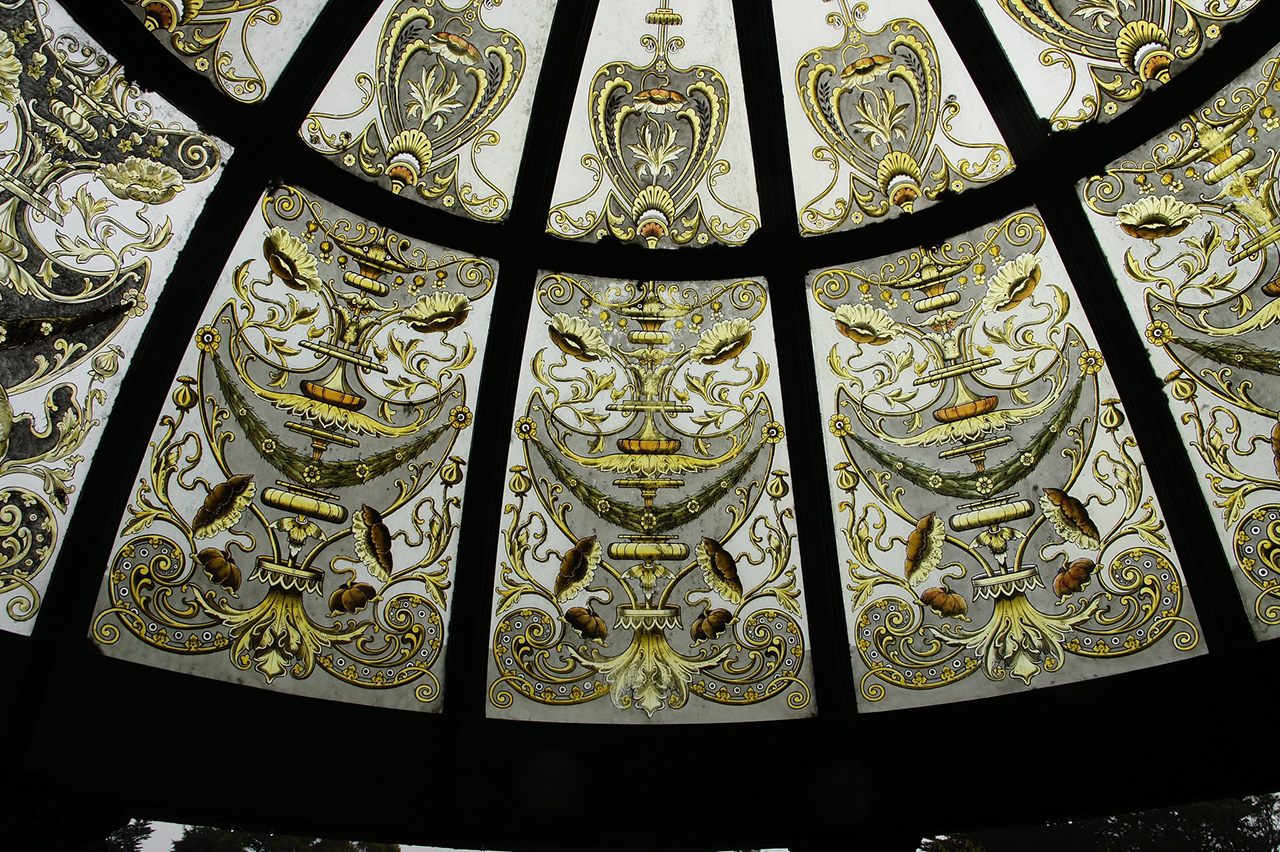
Larnach Castle Cupola, Otago Peninsula. Image courtesy of www.flickr.com | Shellie Evans – flyingkiwigirl | 27/03/2017 | Shellie Evans
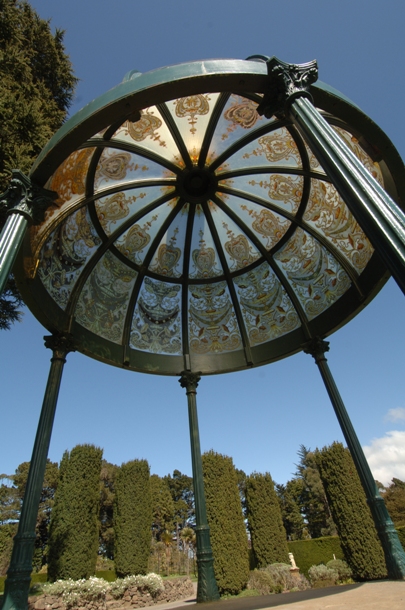
Larnach Castle Cupola, Otago Peninsula | 09/10/2005 | Larnach Castle Ltd
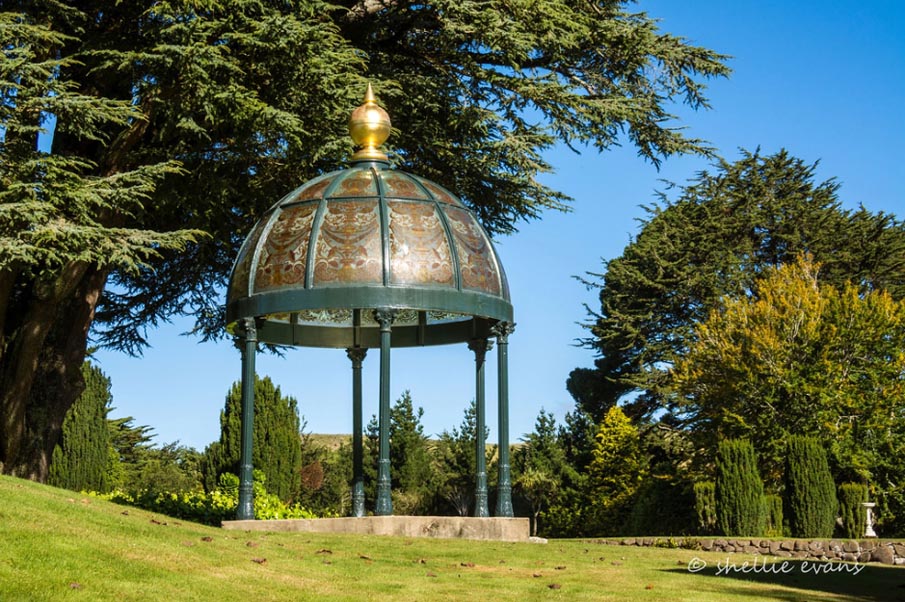
Larnach Castle Cupola, Otago Peninsula. Image courtesy of www.flickr.com | Shellie Evans – flyingkiwigirl | 27/03/2017 | Shellie Evans
Larnach Castle Cupola, Otago Peninsula. Detail CC BY 2.0 Image courtesy of commons.wikimedia.org | itravelNZ® | 01/06/2012 | itravelNZ® - Wikimedia Commons
Larnach Castle Cupola, Otago Peninsula. Image courtesy of www.flickr.com | Shellie Evans – flyingkiwigirl | 27/03/2017 | Shellie Evans
Larnach Castle Cupola, Otago Peninsula | 09/10/2005 | Larnach Castle Ltd
Larnach Castle Cupola, Otago Peninsula. Image courtesy of www.flickr.com | Shellie Evans – flyingkiwigirl | 27/03/2017 | Shellie Evans
Larnach Castle Cupola, Otago Peninsula. Detail CC BY 2.0 Image courtesy of commons.wikimedia.org | itravelNZ® | 01/06/2012 | itravelNZ® - Wikimedia Commons

List Entry Information

Overview

Status
Listed

List Entry Status
Historic Place Category 1

Access
Able to Visit

List Number
4770

Date Entered
27th July 1988

Date of Effect
27th July 1988

City/District Council
Dunedin City

Region
Otago Region

Detailed List Entry
Significance

Historic Significance

Historical Significance or Value Much of the castle was constructed between 1873 and 1876 and the Larnach family lived in the castle until 1906 when it was sold to the government. The Purdies owned it between 1927 and 1940 and were responsible for the construction of the cupola. The grounds fell into disrepair in the first half of this century and are being restored by the present owners.

Physical Significance

Architectural Significance: The dome is typical of the ornate fittings of a quality passenger ship at the beginning of the century. The cupola is a major garden ornament close to the front of the castle. Townscape/landscape Significance: The dome was probably the skylight of the ship's saloon and the cupola is now a place to sit in the garden and an ornament to look at.

Construction Details

Start Year

1928

Type

Original Construction

Construction Materials

The cupola stands on a seven-sided concrete base, three metres across, with seven ornate cast iron pillars about two metres high carrying a dome of wooden ribs. The ribs carry coloured glass panes of green, yellow, red and brown designs on opaque white glass, the designs including urns, contorted poppies, swags, spirals and acanthus leaves. The total height is about four metres. There was originally a ship's figurehead in the middle of the concrete base, but it has vanished. The glass dome came from a ship called the Paloona which was broken up at Port Chalmers about 1927. There was once a ship's figure head on a pedestal under the dome but it has vanished.

Notable Features

?possibly in 'In the Light of the Past' Phillips & Mclean, pp.43-44? The ornately painted glass dome.

Physical Description

Architect/Engineer/Designer: The Purdies owned Larnach Castle between 1927-1940. John J Purdie was a Dunedin businessman and owner of the General Coal Merchants and Carriers, Castle Street. He bought Larnach's Castle from the government in 1927 and opened it to the public. The Purdies had the structure built with a concrete base and ready-made iron veranda posts and they probably designed it. The glass is probably Austrian or Italian. Architectural Description (Style): The style is Victorian and reminiscent of some of the work of R H Fraser (Phillips and Maclean 1983). Modifications: The cupola is not in good repair. Some of the glass panes are missing and the central figure under the dome has gone. The Barkers intend restoring it.

Reference

Report Written By

This historic place was registered under the Historic Places Act 1980. This report includes the text from the original Building Classification Committee report considered by the NZHPT Board at the time of registration. Please note that entry on the New Zealand Heritage List/Rarangi Korero identifies only the heritage values of the property concerned, and should not be construed as advice on the state of the property, or as a comment of its soundness or safety, including in regard to earthquake risk, safety in the event of fire, or insanitary conditions.

Further Information

Current Usages

Former Usages

General Usage:: Accommodation

Specific Usage: Gazebo/summer house

Themes

Web Links

description:

url: http://www.larnachcastle.co.nz/index.pasp

Overview

Status

Listed

List Entry Status

Historic Place Category 1

Access

Able to Visit

List Number

4770

Date Entered

27th July 1988

Date of Effect

27th July 1988

City/District Council

Dunedin City

Region

Otago Region

Status

Listed

List Entry Status

Historic Place Category 1

Access

Able to Visit

List Number

4770

Date Entered

27th July 1988

Date of Effect

27th July 1988

City/District Council

Dunedin City

Region

Otago Region

Significance

Why is this place significant?

Historic Significance

Historical Significance or Value Much of the castle was constructed between 1873 and 1876 and the Larnach family lived in the castle until 1906 when it was sold to the government. The Purdies owned it between 1927 and 1940 and were responsible for the construction of the cupola. The grounds fell into disrepair in the first half of this century and are being restored by the present owners.

Physical Significance

Architectural Significance: The dome is typical of the ornate fittings of a quality passenger ship at the beginning of the century. The cupola is a major garden ornament close to the front of the castle. Townscape/landscape Significance: The dome was probably the skylight of the ship's saloon and the cupola is now a place to sit in the garden and an ornament to look at.

Why is this place significant?

Historic Significance

Historical Significance or Value Much of the castle was constructed between 1873 and 1876 and the Larnach family lived in the castle until 1906 when it was sold to the government. The Purdies owned it between 1927 and 1940 and were responsible for the construction of the cupola. The grounds fell into disrepair in the first half of this century and are being restored by the present owners.

Physical Significance

Architectural Significance: The dome is typical of the ornate fittings of a quality passenger ship at the beginning of the century. The cupola is a major garden ornament close to the front of the castle. Townscape/landscape Significance: The dome was probably the skylight of the ship's saloon and the cupola is now a place to sit in the garden and an ornament to look at.

Construction Information

Construction Details

Start Year

1928

Type

Original Construction

Construction Materials

The cupola stands on a seven-sided concrete base, three metres across, with seven ornate cast iron pillars about two metres high carrying a dome of wooden ribs. The ribs carry coloured glass panes of green, yellow, red and brown designs on opaque white glass, the designs including urns, contorted poppies, swags, spirals and acanthus leaves. The total height is about four metres. There was originally a ship's figurehead in the middle of the concrete base, but it has vanished. The glass dome came from a ship called the Paloona which was broken up at Port Chalmers about 1927. There was once a ship's figure head on a pedestal under the dome but it has vanished.

Notable Features

?possibly in 'In the Light of the Past' Phillips & Mclean, pp.43-44? The ornately painted glass dome.

Construction Details

Start Year

1928

Type

Original Construction

Construction Materials

The cupola stands on a seven-sided concrete base, three metres across, with seven ornate cast iron pillars about two metres high carrying a dome of wooden ribs. The ribs carry coloured glass panes of green, yellow, red and brown designs on opaque white glass, the designs including urns, contorted poppies, swags, spirals and acanthus leaves. The total height is about four metres. There was originally a ship's figurehead in the middle of the concrete base, but it has vanished. The glass dome came from a ship called the Paloona which was broken up at Port Chalmers about 1927. There was once a ship's figure head on a pedestal under the dome but it has vanished.

Notable Features

?possibly in 'In the Light of the Past' Phillips & Mclean, pp.43-44? The ornately painted glass dome.

Physical Description

Architect/Engineer/Designer: The Purdies owned Larnach Castle between 1927-1940. John J Purdie was a Dunedin businessman and owner of the General Coal Merchants and Carriers, Castle Street. He bought Larnach's Castle from the government in 1927 and opened it to the public. The Purdies had the structure built with a concrete base and ready-made iron veranda posts and they probably designed it. The glass is probably Austrian or Italian. Architectural Description (Style): The style is Victorian and reminiscent of some of the work of R H Fraser (Phillips and Maclean 1983). Modifications: The cupola is not in good repair. Some of the glass panes are missing and the central figure under the dome has gone. The Barkers intend restoring it.

Architect/Engineer/Designer: The Purdies owned Larnach Castle between 1927-1940. John J Purdie was a Dunedin businessman and owner of the General Coal Merchants and Carriers, Castle Street. He bought Larnach's Castle from the government in 1927 and opened it to the public. The Purdies had the structure built with a concrete base and ready-made iron veranda posts and they probably designed it. The glass is probably Austrian or Italian. Architectural Description (Style): The style is Victorian and reminiscent of some of the work of R H Fraser (Phillips and Maclean 1983). Modifications: The cupola is not in good repair. Some of the glass panes are missing and the central figure under the dome has gone. The Barkers intend restoring it.

Reference

Historical and Associated Iwi / Hapū / Whānau

Other Information

This historic place was registered under the Historic Places Act 1980. This report includes the text from the original Building Classification Committee report considered by the NZHPT Board at the time of registration. Please note that entry on the New Zealand Heritage List/Rarangi Korero identifies only the heritage values of the property concerned, and should not be construed as advice on the state of the property, or as a comment of its soundness or safety, including in regard to earthquake risk, safety in the event of fire, or insanitary conditions.

Historical and Associated Iwi / Hapū / Whānau

Other Information

This historic place was registered under the Historic Places Act 1980. This report includes the text from the original Building Classification Committee report considered by the NZHPT Board at the time of registration. Please note that entry on the New Zealand Heritage List/Rarangi Korero identifies only the heritage values of the property concerned, and should not be construed as advice on the state of the property, or as a comment of its soundness or safety, including in regard to earthquake risk, safety in the event of fire, or insanitary conditions.

Further Information

Former Usages

General Usage: Accommodation

Specific Usage: Gazebo/summer house

Web Links

description:
url: http://www.larnachcastle.co.nz/index.pasp

Former Usages

General Usage: Accommodation

Specific Usage: Gazebo/summer house

Web Links

description:
url: http://www.larnachcastle.co.nz/index.pasp

Location

Loading
Related listings
Larnach Castle Stables
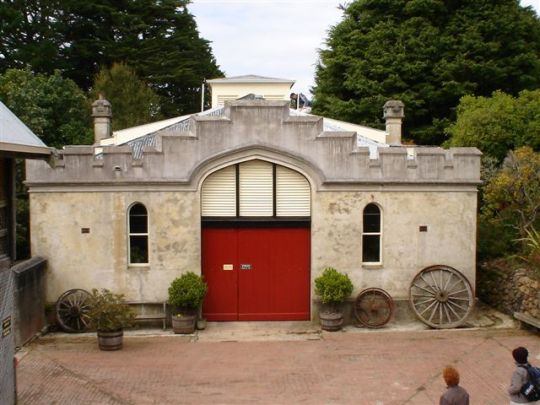
Larnach Castle, Otago Peninsula. CC BY Licence
Larnach Castle
Dandie Dinmont Hotel (Former)
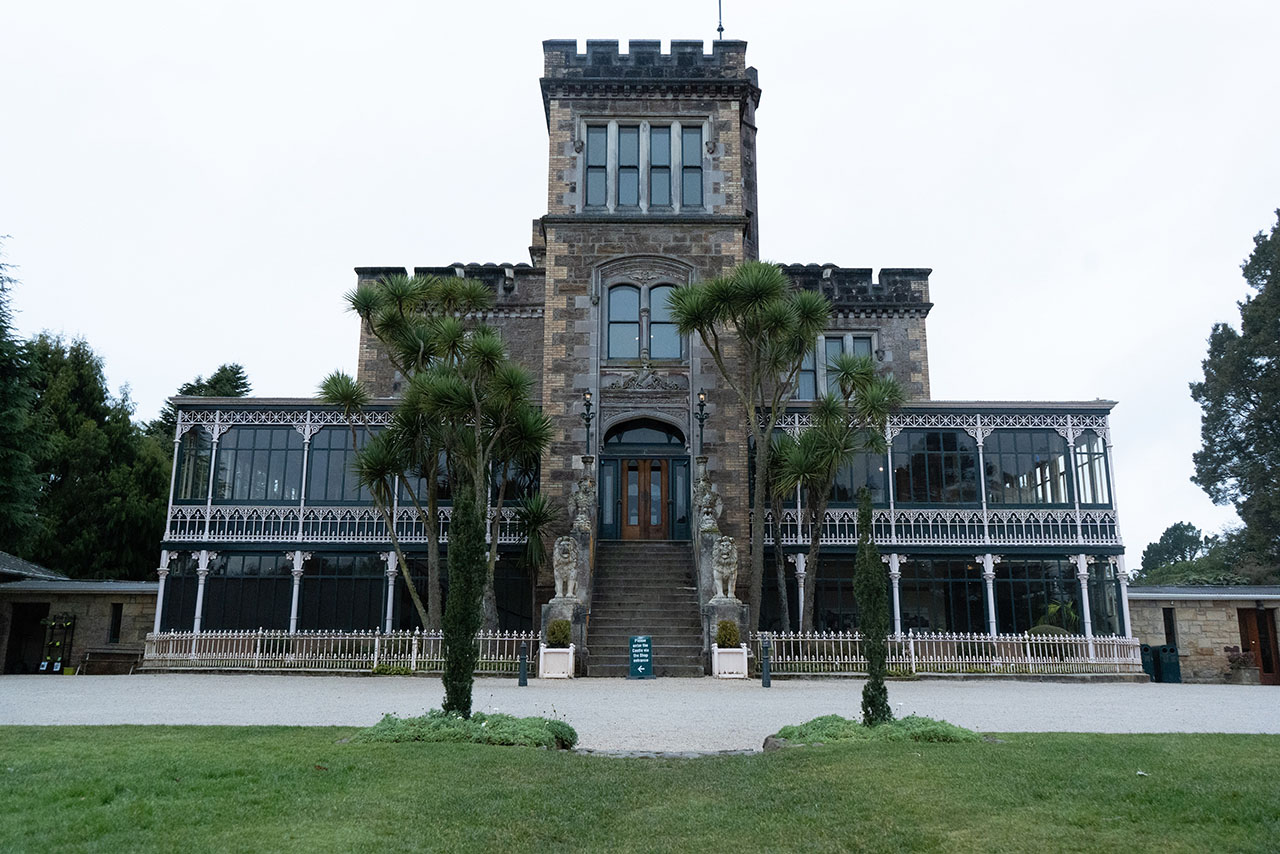
Larnach Castle, Otago Peninsula. CC BY Licence
Larnach Castle
Larnach Castle Stables
Dandie Dinmont Hotel (Former)
Stay up to date with Heritage this month