DonateMembershipVisit Heritage
  • Tūrangawaewae
    Places
  • Tira Māori
    Māori Heritage
  • Poutairangahia
    Archaeology
  • Rauemi
    Resources
  • Mō Tātou
    About Us
  • New Zealand Heritage List
  • Nominate and submit
  • Explore the List
  • National Historic Landmarks
  • Plaques
  • Rainbow List Project
  • Lost heritage
  • Visit Heritage
  • Our properties
  • Turnbull House Project
  • Collections
  • Shop
  • Tohu Whenua
  • Tira Māori
  • Conserving Māori heritage
  • Marae built heritage
  • Māori heritage on the List
  • Hinemihi—Te Hokinga Mai
  • What is archaeology?
  • Is there a site on my property?
  • What are my legal requirements?
  • Affecting an archaeological site
  • Declaring an archaeological site
  • Archaeology FAQs
  • Archaeology Digital Library
  • Archaeology guidelines and templates
  • Resources
  • Funding
  • Publications
  • Sustainable management guides
  • Disaster recovery
  • Podcasts & digital resources
  • Education Hub
  • Conservation plans
  • About
  • Board
  • Māori Heritage Council
  • Senior Staff
  • Offices
  • Contact us
  • Careers
  • Covenants
  • Fast-track
  • Corporate documents
  • Currently consulting on
  • Our submissions
  • News
  • Covid-19 response
Quick links
Rārangi Kōrero | The List
Explore the List
National Historic Landmarks
Ngā Manawhenua o Aotearoa me ōna Kōrero Tūturu
Quick links
Tapuwae
A Vision for Places of Māori Heritage
Funding for Māori Heritage
Resources
Quick links
Archaeological Authority Portal
Applying for an archaeological authority
Archaeology FAQs
Browse the most frequently asked questions about archaeological authorities and the archaeological process.
Quick links
Quick links
News
News Keep up to date with Heritage New Zealand Pouhere Taonga
Membership
Membership Find out more and sign up today
DonateMembershipVisit Heritage
  • Tūrangawaewae
    Places
  • Tira Māori
    Māori Heritage
  • Poutairangahia
    Archaeology
  • Rauemi
    Resources
  • Mō Tātou
    About Us
  • New Zealand Heritage List
  • Nominate and submit
  • Explore the List
  • National Historic Landmarks
  • Plaques
  • Rainbow List Project
  • Lost heritage
  • Visit Heritage
  • Our properties
  • Turnbull House Project
  • Collections
  • Shop
  • Tohu Whenua
  • Tira Māori
  • Conserving Māori heritage
  • Marae built heritage
  • Māori heritage on the List
  • Hinemihi—Te Hokinga Mai
  • What is archaeology?
  • Is there a site on my property?
  • What are my legal requirements?
  • Affecting an archaeological site
  • Declaring an archaeological site
  • Archaeology FAQs
  • Archaeology Digital Library
  • Archaeology guidelines and templates
  • Resources
  • Funding
  • Publications
  • Sustainable management guides
  • Disaster recovery
  • Podcasts & digital resources
  • Education Hub
  • Conservation plans
  • About
  • Board
  • Māori Heritage Council
  • Senior Staff
  • Offices
  • Contact us
  • Careers
  • Covenants
  • Fast-track
  • Corporate documents
  • Currently consulting on
  • Our submissions
  • News
  • Covid-19 response
Quick links
Rārangi Kōrero | The List
Explore the List
National Historic Landmarks
Ngā Manawhenua o Aotearoa me ōna Kōrero Tūturu
Quick links
Tapuwae
A Vision for Places of Māori Heritage
Funding for Māori Heritage
Resources
Quick links
Archaeological Authority Portal
Applying for an archaeological authority
Archaeology FAQs
Browse the most frequently asked questions about archaeological authorities and the archaeological process.
Quick links
Quick links
News
News Keep up to date with Heritage New Zealand Pouhere Taonga
Membership
Membership Find out more and sign up today
  • Places
  • Nominate and submit
  • National Historic Landmarks
  • Places
  • Nominate and submit
  • National Historic Landmarks
  • Tira Māori
  • Conserving Māori heritage
  • Marae built heritage
  • Tira Māori
  • Conserving Māori heritage
  • Marae built heritage
  • Archaeological authorities
  • Archaeology Digital Library
  • Archaeological authorities
  • Archaeology Digital Library
  • All resources
  • Publications
  • Funding
  • All resources
  • Publications
  • Funding
  • FAQs
  • FAQs
Follow us on:
Places
  • Places
  • Nominate and submit
  • National Historic Landmarks
Tira Māori
  • Tira Māori
  • Conserving Māori heritage
  • Marae built heritage
Archaeology
  • Archaeological authorities
  • Archaeology Digital Library
Resources
  • All resources
  • Publications
  • Funding
FAQs
  • FAQs
Follow us on
HomePrivacyTerms and conditionsAbout this site
© Heritage New Zealand Pouhere Taonga 2026.
 
St Luke's Vicarage

1 and 3 Wharfe Street, OAMARU

Private

Historic Place Category 2

List No. 4884

Quick links:
List GalleryLocationDetails
The substantial St Luke’s Vicarage, built in 1908-1909, has architectural significance in its design by Oamaru architectural partnership Forrester and Lemon. Along with the Sunday School (which includes the Parish Office) and St Luke’s Anglican Church (List Entry No. 4365), it has historical significance, through telling the story of Anglican worship in Oamaru.

Anglican services were held in Oamaru from the early 1860s, in a variety of makeshift venues such as the Oamaru goods shed, the Greta Street School and the courthouse. Oamaru became a parish in 1864. In July 1862, the Reverend Algernon Gifford was licensed to the township and pastoral district of Oamaru, and the parish set to work raising funds for a church. Dunedin architects Edward Rumsey and Adam Jackson won the competition to design the church, with William Armson as supervising architect, and James Bruce as the contractor. Right Reverend Lord Bishop of Christchurch laid the foundation stone and dedicated the cornerstone on 20 June 1865. The first service was held on 29 October, but the church was not consecrated until 13 May 1866.

A residence for the vicar was also an early concern, but it was not until 1909 that the current vicarage was built. The Parish sold the earlier vicarage on Hull Street to finance a new vicarage next to St Luke’s Church. With the arrival of the new vicar, Reverend J.G.S. Bartlett the church wardens moved a motion for the construction of a new vicarage, at a cost not more than £1700. The current vicarage was built around 1909, on the site below the Sunday School, which had been built in 1897, and to the west of the church. Oamaru architect John Megget Forrester designed the substantial residence. Forrester advertised for tenders in May 1908. With his wife, Bartlett moved in on 20 March 1909.

The substantial two storey residence is built of Oamaru stone, with a tile roof, in a ‘mock Tudor’ style. Not everyone thought this was a good site for the vicarage. Hadden Dennison, at the rating Assessment Court, stated that the vicarage ‘was fit only for a clergyman to live in’, explaining that ‘no one but a man of calm, even temperament, such as a clergyman, could endure the noises and nuisances of the site.’

The prominent house still looks over the busy main streets of Oamaru, and in 2015, remains the home to the incumbent vicar the Reverend Timothy Hurd.
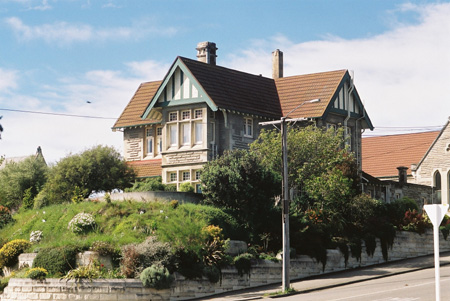
St Luke's Vicarage | Melanie Lovell-Smith | 01/11/2001 | NZ Historic Places Trust

List Entry Information

Overview

Status
Listed

List Entry Status
Historic Place Category 2

Access
Private/No Public Access

List Number
4884

Date Entered
25th September 1986

Date of Effect
25th September 1986

City/District Council
Waitaki District

Region
Otago Region

Extent of List Entry

Extent includes the land described as Sec 15 Blk XXVI Town of Oamaru (RT OT231/60) and Sec 16 Blk XXVI Town of Oamaru (RT OT36/263), Otago Land District, and the building known as St Luke’s Vicarage thereon.

Legal description

Sec 15 Blk XXVI Town of Oamaru (RT OT231/60) and Sec 16 Blk XXVI Town of Oamaru (RT OT36/263), Otago Land District

Detailed List Entry

Construction Professional

Name

Forrester & Lemon

Type

Architectural Partnership

Biography

The architectural partnership of Forrester and Lemon was established in Oamaru in 1872. Thomas Forrester (1838-1907) was born in Glasgow and educated at the Glasgow School of Art. Emigrating to New Zealand in 1861 he settled in Dunedin and worked under William Mason (1810-97) and William Henry Clayton (1823-77) and later Robert Arthur Lawson (1833-1902). In 1865 he superintended the Dunedin Exhibition and from 1870 he became involved with the supervision of harbour works. Some time after 1885 he became Engineer to the Oamaru Harbour Board and in this capacity designed the repairs to the breakwater following storm damage in 1886 and later the Holmes Wharf. On his death in 1907 he was still in the employ of the Harbour Board. John Lemon (1828-1890) was born in Jamaica and travelled to England before emigrating to New Zealand in 1849. He settled in Oamaru in 1860 and with his brother Charles established a timber merchant's business. By 1869 he was in partnership with his father-in-law, George Sumpter calling themselves "Timber and General Merchants, Land and Commission Agents". This partnership was dissolved in 1872 and Lemon entered into partnership with Forrester. Lemon had no architectural experience at all, but had a wide circle of business contacts and was an efficient administrator. Buildings designed by the partnership of Forrester and Lemon include St Paul's Church (1875-76), the Harbour Board Offices (1876), Queen's (later Brydone) Hotel (1881), Waitaki Boys' High School (1883), The Courthouse (1883) and the Post Office (1883-84), all in Oamaru. Forrester and Lemon contributed greatly to Oamaru's nineteenth century character. On Lemon's death in 1890 the practice was taken over by Forrester's son, John Megget Forrester (1865-1965).

Construction Details

Start Year

1908

Finish Year

1909

Type

Original Construction

Start Year

1955

Type

Modification

Description

Kitchen modernised

Reference

Completion Date

12th August 2015

Report Written By

Heather Bauchop

Information Sources

North Otago Times

North Otago Times

Oamaru Mail

22 Mar 1882, p. 2.

Otago Daily Times

Otago Daily Times, 1 Jun 1915, p.10.

Naylor, 1962

W. Naylor, Anglican centenary : a narrative covering 100 years of the Church of England in North Otago, Oamaru, 1962, Oamaru Mail Company

Report Written By

This place was identified as significant under previous legislation with different information requirements. It remains significant under the current legislation. There is opportunity under our legislation and policies to add to this information. Further information about this place may be available from the Otago/Southland Office of Heritage New Zealand Pouhere Taonga. Please note that entry on the New Zealand Heritage List/Rarangi Korero identifies only the heritage values of the property concerned, and should not be construed as advice on the state of the property, or as a comment of its soundness or safety, including in regard to earthquake risk, safety in the event of fire, or insanitary conditions. A fully referenced upgrade report is available on request from the Otago/Southland Office of Heritage New Zealand

Further Information

Current Usages

Uses: Accommodation

Specific Usage: House

Uses: Religion

Specific Usage: Vicarage/Manse/Presbytery/Rectory

Former Usages

General Usage:: Accommodation

Specific Usage: House

Themes

Web Links

Overview

Status

Listed

List Entry Status

Historic Place Category 2

Access

Private/No Public Access

List Number

4884

Date Entered

25th September 1986

Date of Effect

25th September 1986

City/District Council

Waitaki District

Region

Otago Region

Extent of List Entry

Extent includes the land described as Sec 15 Blk XXVI Town of Oamaru (RT OT231/60) and Sec 16 Blk XXVI Town of Oamaru (RT OT36/263), Otago Land District, and the building known as St Luke’s Vicarage thereon.

Legal description

Sec 15 Blk XXVI Town of Oamaru (RT OT231/60) and Sec 16 Blk XXVI Town of Oamaru (RT OT36/263), Otago Land District

Status

Listed

List Entry Status

Historic Place Category 2

Access

Private/No Public Access

List Number

4884

Date Entered

25th September 1986

Date of Effect

25th September 1986

City/District Council

Waitaki District

Region

Otago Region

Extent of List Entry

Extent includes the land described as Sec 15 Blk XXVI Town of Oamaru (RT OT231/60) and Sec 16 Blk XXVI Town of Oamaru (RT OT36/263), Otago Land District, and the building known as St Luke’s Vicarage thereon.

Legal description

Sec 15 Blk XXVI Town of Oamaru (RT OT231/60) and Sec 16 Blk XXVI Town of Oamaru (RT OT36/263), Otago Land District

Construction Information

Construction Professional

Name

Forrester & Lemon

Type

Architectural Partnership

Biography

The architectural partnership of Forrester and Lemon was established in Oamaru in 1872. Thomas Forrester (1838-1907) was born in Glasgow and educated at the Glasgow School of Art. Emigrating to New Zealand in 1861 he settled in Dunedin and worked under William Mason (1810-97) and William Henry Clayton (1823-77) and later Robert Arthur Lawson (1833-1902). In 1865 he superintended the Dunedin Exhibition and from 1870 he became involved with the supervision of harbour works. Some time after 1885 he became Engineer to the Oamaru Harbour Board and in this capacity designed the repairs to the breakwater following storm damage in 1886 and later the Holmes Wharf. On his death in 1907 he was still in the employ of the Harbour Board. John Lemon (1828-1890) was born in Jamaica and travelled to England before emigrating to New Zealand in 1849. He settled in Oamaru in 1860 and with his brother Charles established a timber merchant's business. By 1869 he was in partnership with his father-in-law, George Sumpter calling themselves "Timber and General Merchants, Land and Commission Agents". This partnership was dissolved in 1872 and Lemon entered into partnership with Forrester. Lemon had no architectural experience at all, but had a wide circle of business contacts and was an efficient administrator. Buildings designed by the partnership of Forrester and Lemon include St Paul's Church (1875-76), the Harbour Board Offices (1876), Queen's (later Brydone) Hotel (1881), Waitaki Boys' High School (1883), The Courthouse (1883) and the Post Office (1883-84), all in Oamaru. Forrester and Lemon contributed greatly to Oamaru's nineteenth century character. On Lemon's death in 1890 the practice was taken over by Forrester's son, John Megget Forrester (1865-1965).

Construction Details

Start Year

1908

Finish Year

1909

Type

Original Construction

Start Year

1955

Type

Modification

Description

Kitchen modernised

Construction Professional

Name

Forrester & Lemon

Type

Architectural Partnership

Biography

The architectural partnership of Forrester and Lemon was established in Oamaru in 1872. Thomas Forrester (1838-1907) was born in Glasgow and educated at the Glasgow School of Art. Emigrating to New Zealand in 1861 he settled in Dunedin and worked under William Mason (1810-97) and William Henry Clayton (1823-77) and later Robert Arthur Lawson (1833-1902). In 1865 he superintended the Dunedin Exhibition and from 1870 he became involved with the supervision of harbour works. Some time after 1885 he became Engineer to the Oamaru Harbour Board and in this capacity designed the repairs to the breakwater following storm damage in 1886 and later the Holmes Wharf. On his death in 1907 he was still in the employ of the Harbour Board. John Lemon (1828-1890) was born in Jamaica and travelled to England before emigrating to New Zealand in 1849. He settled in Oamaru in 1860 and with his brother Charles established a timber merchant's business. By 1869 he was in partnership with his father-in-law, George Sumpter calling themselves "Timber and General Merchants, Land and Commission Agents". This partnership was dissolved in 1872 and Lemon entered into partnership with Forrester. Lemon had no architectural experience at all, but had a wide circle of business contacts and was an efficient administrator. Buildings designed by the partnership of Forrester and Lemon include St Paul's Church (1875-76), the Harbour Board Offices (1876), Queen's (later Brydone) Hotel (1881), Waitaki Boys' High School (1883), The Courthouse (1883) and the Post Office (1883-84), all in Oamaru. Forrester and Lemon contributed greatly to Oamaru's nineteenth century character. On Lemon's death in 1890 the practice was taken over by Forrester's son, John Megget Forrester (1865-1965).

Construction Details

Start Year

1908

Finish Year

1909

Type

Original Construction

Start Year

1955

Type

Modification

Description

Kitchen modernised

Reference

Historical and Associated Iwi / Hapū / Whānau

Completion Date

12th August 2015

Report Written By

Heather Bauchop

Information Sources

North Otago Times

North Otago Times

Oamaru Mail

22 Mar 1882, p. 2.

Otago Daily Times

Otago Daily Times, 1 Jun 1915, p.10.

Naylor, 1962

W. Naylor, Anglican centenary : a narrative covering 100 years of the Church of England in North Otago, Oamaru, 1962, Oamaru Mail Company

Other Information

This place was identified as significant under previous legislation with different information requirements. It remains significant under the current legislation. There is opportunity under our legislation and policies to add to this information. Further information about this place may be available from the Otago/Southland Office of Heritage New Zealand Pouhere Taonga. Please note that entry on the New Zealand Heritage List/Rarangi Korero identifies only the heritage values of the property concerned, and should not be construed as advice on the state of the property, or as a comment of its soundness or safety, including in regard to earthquake risk, safety in the event of fire, or insanitary conditions. A fully referenced upgrade report is available on request from the Otago/Southland Office of Heritage New Zealand

Historical and Associated Iwi / Hapū / Whānau

Completion Date

12th August 2015

Report Written By

Heather Bauchop

Information Sources

North Otago Times

North Otago Times

Oamaru Mail

22 Mar 1882, p. 2.

Otago Daily Times

Otago Daily Times, 1 Jun 1915, p.10.

Naylor, 1962

W. Naylor, Anglican centenary : a narrative covering 100 years of the Church of England in North Otago, Oamaru, 1962, Oamaru Mail Company

Other Information

This place was identified as significant under previous legislation with different information requirements. It remains significant under the current legislation. There is opportunity under our legislation and policies to add to this information. Further information about this place may be available from the Otago/Southland Office of Heritage New Zealand Pouhere Taonga. Please note that entry on the New Zealand Heritage List/Rarangi Korero identifies only the heritage values of the property concerned, and should not be construed as advice on the state of the property, or as a comment of its soundness or safety, including in regard to earthquake risk, safety in the event of fire, or insanitary conditions. A fully referenced upgrade report is available on request from the Otago/Southland Office of Heritage New Zealand

Further Information

Current Usages

Uses: Accommodation

Specific Usage: House

Uses: Religion

Specific Usage: Vicarage/Manse/Presbytery/Rectory

Former Usages

General Usage: Accommodation

Specific Usage: House

Current Usages

Uses: Accommodation

Specific Usage: House

Uses: Religion

Specific Usage: Vicarage/Manse/Presbytery/Rectory

Former Usages

General Usage: Accommodation

Specific Usage: House

Location

Loading
Related listings
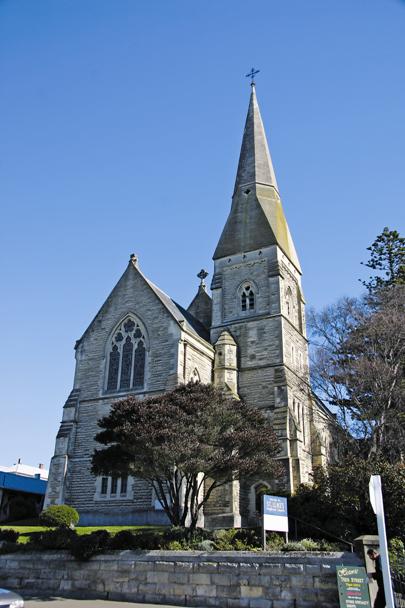
St Luke's Anglican Church, Oamaru
St Luke's Anglican Church
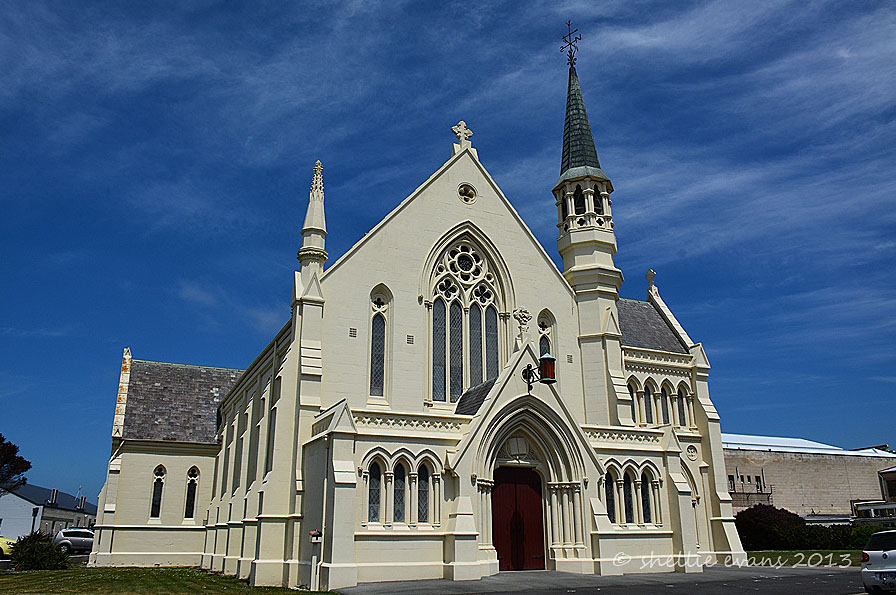
St Paul’s Presbyterian Church, Oamaru. Image courtesy of www.flickr.com
St Paul’s Presbyterian Church
St Paul’s Presbyterian Church, Oamaru. Image courtesy of www.flickr.com
St Paul’s Presbyterian Church
St Luke's Anglican Church, Oamaru
St Luke's Anglican Church
Stay up to date with Heritage this month