DonateMembershipVisit Heritage
  • Tūrangawaewae
    Places
  • Tira Māori
    Māori Heritage
  • Poutairangahia
    Archaeology
  • Rauemi
    Resources
  • Mō Tātou
    About Us
  • New Zealand Heritage List
  • Nominate and submit
  • Explore the List
  • National Historic Landmarks
  • Plaques
  • Rainbow List Project
  • Lost heritage
  • Visit Heritage
  • Our properties
  • Turnbull House Project
  • Collections
  • Shop
  • Tohu Whenua
  • Tira Māori
  • Conserving Māori heritage
  • Marae built heritage
  • Māori heritage on the List
  • Hinemihi—Te Hokinga Mai
  • What is archaeology?
  • Is there a site on my property?
  • What are my legal requirements?
  • Affecting an archaeological site
  • Declaring an archaeological site
  • Archaeology FAQs
  • Archaeology Digital Library
  • Archaeology guidelines and templates
  • Resources
  • Funding
  • Publications
  • Sustainable management guides
  • Disaster recovery
  • Podcasts & digital resources
  • Education Hub
  • Conservation plans
  • About
  • Board
  • Māori Heritage Council
  • Senior Staff
  • Offices
  • Contact us
  • Careers
  • Covenants
  • Fast-track
  • Corporate documents
  • Currently consulting on
  • Our submissions
  • News
  • Covid-19 response
Quick links
Rārangi Kōrero | The List
Explore the List
National Historic Landmarks
Ngā Manawhenua o Aotearoa me ōna Kōrero Tūturu
Quick links
Tapuwae
A Vision for Places of Māori Heritage
Funding for Māori Heritage
Resources
Quick links
Archaeological Authority Portal
Applying for an archaeological authority
Archaeology FAQs
Browse the most frequently asked questions about archaeological authorities and the archaeological process.
Quick links
Quick links
News
News Keep up to date with Heritage New Zealand Pouhere Taonga
Membership
Membership Find out more and sign up today
DonateMembershipVisit Heritage
  • Tūrangawaewae
    Places
  • Tira Māori
    Māori Heritage
  • Poutairangahia
    Archaeology
  • Rauemi
    Resources
  • Mō Tātou
    About Us
  • New Zealand Heritage List
  • Nominate and submit
  • Explore the List
  • National Historic Landmarks
  • Plaques
  • Rainbow List Project
  • Lost heritage
  • Visit Heritage
  • Our properties
  • Turnbull House Project
  • Collections
  • Shop
  • Tohu Whenua
  • Tira Māori
  • Conserving Māori heritage
  • Marae built heritage
  • Māori heritage on the List
  • Hinemihi—Te Hokinga Mai
  • What is archaeology?
  • Is there a site on my property?
  • What are my legal requirements?
  • Affecting an archaeological site
  • Declaring an archaeological site
  • Archaeology FAQs
  • Archaeology Digital Library
  • Archaeology guidelines and templates
  • Resources
  • Funding
  • Publications
  • Sustainable management guides
  • Disaster recovery
  • Podcasts & digital resources
  • Education Hub
  • Conservation plans
  • About
  • Board
  • Māori Heritage Council
  • Senior Staff
  • Offices
  • Contact us
  • Careers
  • Covenants
  • Fast-track
  • Corporate documents
  • Currently consulting on
  • Our submissions
  • News
  • Covid-19 response
Quick links
Rārangi Kōrero | The List
Explore the List
National Historic Landmarks
Ngā Manawhenua o Aotearoa me ōna Kōrero Tūturu
Quick links
Tapuwae
A Vision for Places of Māori Heritage
Funding for Māori Heritage
Resources
Quick links
Archaeological Authority Portal
Applying for an archaeological authority
Archaeology FAQs
Browse the most frequently asked questions about archaeological authorities and the archaeological process.
Quick links
Quick links
News
News Keep up to date with Heritage New Zealand Pouhere Taonga
Membership
Membership Find out more and sign up today
  • Places
  • Nominate and submit
  • National Historic Landmarks
  • Places
  • Nominate and submit
  • National Historic Landmarks
  • Tira Māori
  • Conserving Māori heritage
  • Marae built heritage
  • Tira Māori
  • Conserving Māori heritage
  • Marae built heritage
  • Archaeological authorities
  • Archaeology Digital Library
  • Archaeological authorities
  • Archaeology Digital Library
  • All resources
  • Publications
  • Funding
  • All resources
  • Publications
  • Funding
  • FAQs
  • FAQs
Follow us on:
Places
  • Places
  • Nominate and submit
  • National Historic Landmarks
Tira Māori
  • Tira Māori
  • Conserving Māori heritage
  • Marae built heritage
Archaeology
  • Archaeological authorities
  • Archaeology Digital Library
Resources
  • All resources
  • Publications
  • Funding
FAQs
  • FAQs
Follow us on
HomePrivacyTerms and conditionsAbout this site
© Heritage New Zealand Pouhere Taonga 2026.
 
Fort Ballance (including associated positions at Fort Gordon)

Point Gordon, WELLINGTON

Private

Historic Place Category 1

List No. 5074

Quick links:
List GalleryLocationDetails
On Gordon Point are the remains of Fort Ballance, a defence site that was once Wellington's primary source of protection against sea-borne invasion. Built in 1885 following fears of an impeding war with Russia, Fort Ballance is one of the best preserved of a string of nineteenth century coastal defences constructed to protect New Zealand from a naval attack. In 1885, the Government, reluctantly acknowledging that they could not rely solely on Britain for protection, commissioned engineer Major Henry Cautley to design a series of fortifications to protect the country's main ports.

Fort Ballance, Wellington's main fortification, was built by the Armed Constabulary, day labourers and prison inmates. Erected on the former site of Te Mahanga Pa the fort was named after the then Minister of Defence, John Ballance [1839-1893]. In the event of war Fort Ballance was to prevent enemy ships entering the inner harbour and provide covering fire for the minefield between Gordon Point and Ward Island. Supported by positions at Kau Point and Point Halswell, when fully armed, Fort Ballance had more guns than any other fort in New Zealand.

Although the Russian attack never eventuated, Fort Ballance was continually upgraded to keep abreast of artillery technology. Yet by 1911 the increased firing range of enemy guns meant that defence of the coast, rather than the inner harbour became the primary concern. Fort Ballance remained operational throughout World War One but Fort Dorset, located in the harbour entrance, became the new bastion of Wellington's coastal defence. In 1924 two of its gun pits were converted into magazines and Fort Ballance was Wellington's main ammunition supply depot until 1959. The fort was briefly rearmed during the Second World War when additional, emergency defences were added.

After the war the site was used for army housing. When the fort was first built, bombproof, wartime accommodation for 40 men had been provided. This proved uncomfortably damp and in 1946 three 40 man huts were rapidly constructed behind the fort. The site was used for accommodation until 1990. Its use as housing saved the fort from being destroyed in the 1960s and 1970s when many of New Zealand's 'unsafe and unsightly' coastal defences were demolished. Fort Ballance is now one of the best, intact examples of that string of fortifications constructed in the 1880s to defend the country from naval attack.

Fort Ballance is a highly significant historical site. Designed and built by the New Zealand Government, it is tangible evidence of New Zealand's first step towards independence from the British Crown. Fort Ballance was the first fort built in Wellington and remained the primary source of the city's protection between 1885 and 1911. As one of New Zealand's best-preserved fortifications from the period of the 'Russian scares' the site has great physical significance. The 1880s layout of the fort is largely unaltered and a good impression of the original nineteenth century fort remains. It is also technologically significant as an early example of the use of concrete as a building material. Fort Ballance is unusual as one of the few military sites in continuous use for 105 years and has immense educational value as a rare illustration of the New Zealand response to the rapid and continuing developments in military technology that characterised the first half of the twentieth century.
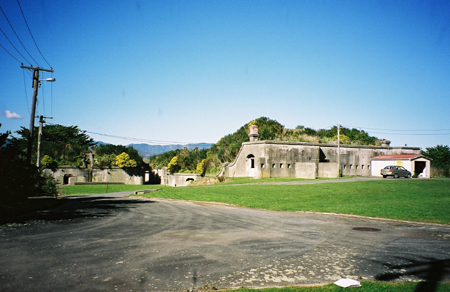
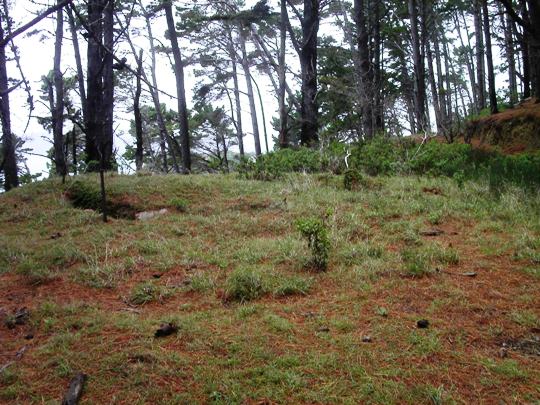
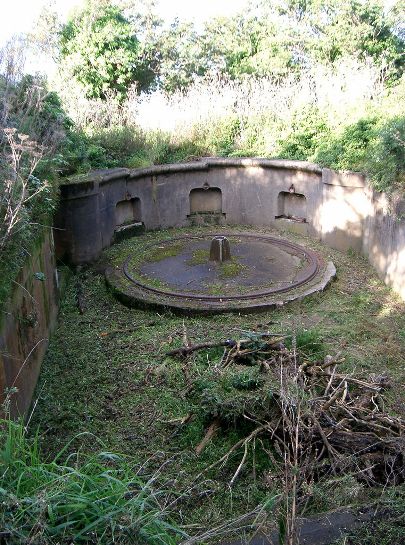
Fort Ballance (including associated positions at Fort Gordon) | Rebecca O'Brien | Heritage New Zealand
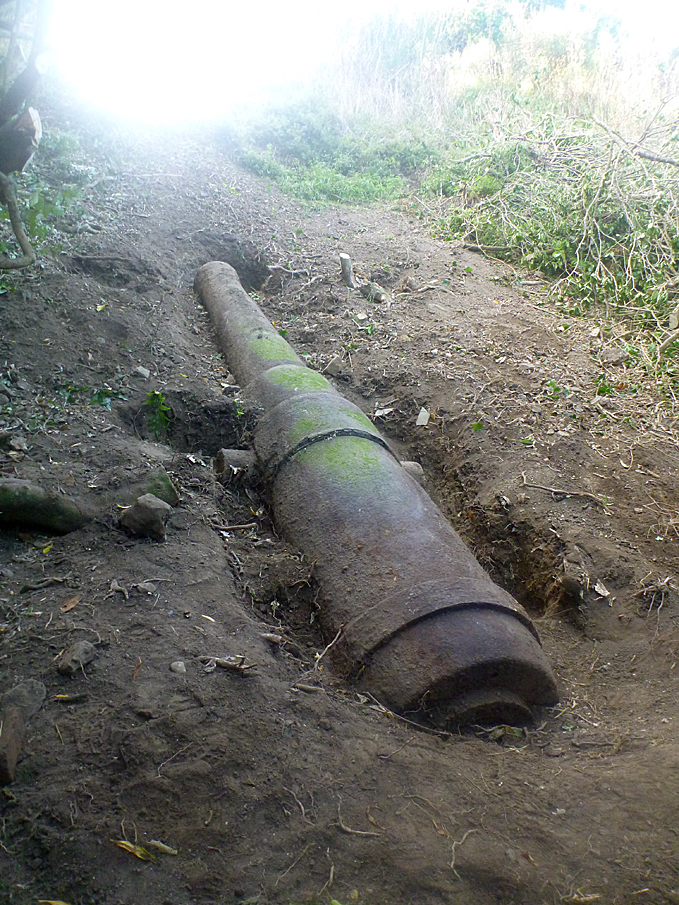
Fort Ballance (including associated positions at Fort Gordon). Gun from Fort Gordon | David Rudd | 26/03/2013 | Heritage New Zealand
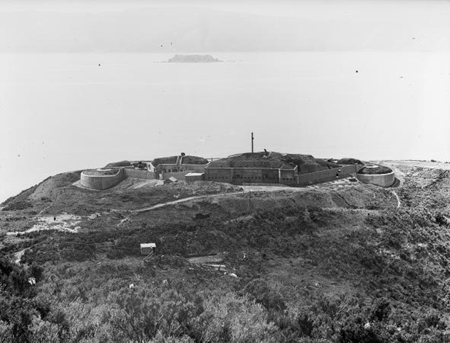
Fort Ballance (including associated positions at Fort Gordon). Permission of the Alexander Turnbull Library, Wellington, New Zealand, must be obtained before any re-use of this image | Henry Wright | Alexander Turnbull Library
Fort Ballance (including associated positions at Fort Gordon) | Rebecca O'Brien | Heritage New Zealand
Fort Ballance (including associated positions at Fort Gordon). Gun from Fort Gordon | David Rudd | 26/03/2013 | Heritage New Zealand
Fort Ballance (including associated positions at Fort Gordon). Permission of the Alexander Turnbull Library, Wellington, New Zealand, must be obtained before any re-use of this image | Henry Wright | Alexander Turnbull Library

List Entry Information

Overview

Status
Listed

List Entry Status
Historic Place Category 1

Access
Private/No Public Access

List Number
5074

Date Entered
19th July 1990

Date of Effect
19th July 1990

City/District Council
Wellington City

Region
Wellington Region

Legal description

Sec 89 90 Pt Sec 1-3, SO 32424 etc, Fort Ballance

Location Description

Fort Ballance Road turns off from Shelly Bay Road near the NIWA laboratory at Mahanga Bay. Fort Ballance is located at the end of the road. Note that access to the site is strictly prohibited.

Detailed List Entry
Significance

Historic Significance

Historical Significance or Value Fort Ballance and the associated positions on Point Gordon have historical significance resulting from their role in national defence. The coastal defences were built to strengthen the major ports against the threat of Russian expansion in the Pacific. Fort Ballance was the premier fort in the Wellington area for 26 years (1885-1911).

Physical Significance

ARCHITECTURAL QUALITY: Constructed in the 1880s Fort Ballance was prominent in Wellington's coastal defence network and today has the most significant remains of any of the forts built in and around Wellington at this time. Used by the military over a period of 60 years (1885-1945), the 1880s layout of Fort Ballance is largely unaltered and a good impression of the original nineteenth century fort remains. The fort is a permanent reminder of the technology used in the coastal defence network of the 1880s and it is an early example of the use of concrete as a building material. TOWNSCAPE/LANDMARK VALUE: Designed as a coastal defence position, Fort Ballance was and still is camouflaged by earthworks, trees and bushes. It is largely hidden from general view except from above or near at hand.

Construction Professional

Name

Cautley, Henry

Type

Architect

Biography

Henry Cautley served in the Corps of Royal Engineers of the British Army. From 1876 he was an instructor in fortification at the Royal Military College, Woolwich, England. Cautley came to New Zealand in 1883 to advise on coastal defences of the four major ports; Auckland, Wellington, Lyttelton and Port Chalmers. He prepared plans for the fortifications of these ports before leaving New Zealand in 1885. He was posted to Belfast in 1888. He was succeeded as engineer in charge of defence works and harbour fortifications for New Zealand by E.M. Tudor Boddam who had trained at the Royal Military College, Woolwich, and served in the Royal Artillery before being posted to Australia where he was involved with the development of fortifications in Tasmania. While he had no formal training in engineering, Boddam possessed a good knowledge of military engineering and was a diligent and industrious draughtsman. Boddam held this position until 1888 when he returned to Australia.

Construction Details

Start Year

1885

Finish Year

1895

Type

Original Construction

Start Year

1895

Type

Addition

Description

Fort Gordon constructed south of Fort Ballance

Start Year

1921

Finish Year

1922

Type

Modification

Description

Original guns dismounted

Start Year

1924

Type

Modification

Description

Gun pits converted into magazines

Start Year

1941

Type

Addition

Description

Fort Ballance rearmed and emergency defences added

Start Year

1946

Type

Modification

Description

Part of defence wall demolished

Start Year

1946

Type

Addition

Description

Army housing built

Start Year

1990

Type

Modification

Description

All but one house removed from the site

Start Year

1992

Type

Other

Description

Site partially excavated

Construction Materials

Composed of concrete and plastered brick

Notable Features

The majority of the site has been preserved intact. The written instructions preserved on walls of entrance passages and gun emplacements.

Historical Narrative

DESCRIPTION: In the 1880s there was concern among Empire governments about the threat of Russian expansion into the Pacific, and the implications of this for the defence of those colonies which were more remote from the existing strongholds of British power. In 1880 Col. R.H. Scratchley issued reports assessing the defences of both Australia and New Zealand. He concluded that New Zealand's coastal defences were inadequate and recommended the construction of 'fixed land works' or fortifications at each of the major ports of Auckland, Wellington, Lyttelton, Port Chalmers and Bluff. No immediate action resulted. In 1884 the Governor of New Zealand, Sir William Jervois, again raised the question of coastal defences. Cautley was asked to prepare estimates for the work, and early in 1885 he prepared plans for coastal fortification at Auckland, Wellington, Lyttelton and Port Chalmers. In 1885 he was succeeded by Boddam. The design of the Wellington defences provided for positions at Point Gordon, Point Halswell, Shelly Bay, Mt Crawford, Ngauranga and Kaiwharawhara. The location of Fort Ballance on Point Gordon allowed its armaments to cover the entrance to the channel from extreme range and the inner harbour from close range. The design also included a minefield to be located between Point Gordon and Ward Island in event of war. Electric searchlights were needed to illuminate the channel and the proposed minefield. Supporting gun emplacements were sited nearby at Kau Point and Point Halswell. The fort also mounted an Armstrong disappearing gun as its main armament. This type of gun was standard for all New Zealand forts at that time. Work commenced in 1885 and while the fort became operational later that year, it was not completed until a later date. The armaments were operated by gunners of the Armed Constabulary, redesignated the Permanent Militia in 1886. The demise of the inner harbour defence network occurred as technological developments allowed ship armaments to bombard the ports and the fortifications from greater distances. Fort Ballance was Wellington's premier fort until 1911 when Fort Dorset was built at the entrance to the channel. Fort Ballance was manned during World War 1. It became redundant in 1920 and reverted to a storage area. It was recommissioned in 1940. The armaments were removed in 1945 and since then the site has become an army accommodation area. The remains of the fort were partly buried about 1960 as they were considered to be a danger to children.

Physical Description

Surrounded by pine trees and covered with undergrowth, from the coastal road there is little hint of the existence of Fort Ballance on Point Gordon's sheer cliff-face. At Mahanga Bay an underwater archaeological survey is being conducted where a jetty, destroyed in 1962, was built in 1886 to enable the Fort's stores to be transported to the site. From here the flattened nature of the ridge on which the fort rests is visible, a common sign that a pa existed on the area. The road leading to the site, re-formed in 1941, was first built in 1888 and a tramway was used to transport goods to the site. The road leads to the rear of the fort, which was originally protected from enemy attack by a slotted, iron lined concrete wall. In 1946 most of the wall was demolished to make way for the army housing that was subsequently removed in 1990. Now an approach from the rear gives a clear view of the original, rectangular barracks which are topped by a concrete battery observation post. This post doubled as a command centre and from 1899 a ten line telephone exchange connected the commander to all batteries in the Wellington area. The sheer circular walls of the five gun pits, arranged in a curved line along the brink of the cliff face were built of concrete over brick, and reinforced with iron bars. The two outermost pits originally housed two six pound Nordenfelt guns. The next two pits date from 1885 and once housed the original seven inch RML guns. Dismounted in 1921-1922, these guns may still be buried on the site. They were replaced by six inch BLHPs, which were also used in the central gun pit. To the left a ladder leads to a second observation post. Well protected from assault, the two pits were converted into magazine areas in 1924 are now bomb-proof, underground rooms. Ammunition was transported from these stores in carts that ran along iron rails still visible in the passageways. Fort Gordon and the Low Battery, both constructed to support the main fortifications are not visible but both remain intact underground. The searchlight emplacements, designed to illuminate the minefield, were demolished in the 1970s as was the six pounder Twin installed in 1942. In 1992 the main gun pits were excavated and left open to the elements. The fort, now surplus to army requirements, is not maintained. The ironwork is rusting and many of the written instructions that covered the walls are no longer legible. It appears that this fortification, built to withstand bomb-blasts, may succumb to the more insidious attack of the Wellington weather. ARCHITECTURAL DESCRIPTION: Fort Ballance is the largest of the military installations located on the spur between Mahanga Bay and Scorching Bay. The other positions were known variously as Fort Gordon, the Spur Battery and the Low or Lower Battery. The ruins of these forts and batteries were partly buried about 1960. Fort Ballance had positions for five main gun pits facing the channel. The concrete gun pits, some of which were closed and others open, are circular or semi-circular and while the guns have been removed the gun emplacements remain intact. The fort follows the topography of the spur and earthworks were used to build up the centre of the position where the command post and communications centre were located. Earthworks also provided protection for the barracks, ablution areas, magazines and stores to the rear of the gun pits. The rear of the fort adjoining the accommodation casemates was enclosed by musketry parapets and loopholed walls, parts of which have been demolished. Fort Gordon, to the south of Fort Ballance, consisted of one gun-pit and magazines. It is now almost completely buried as are the smaller positions lower down the spur. Tunnel entrances have been filled in. Additional firing support was located at Kau Point and Point Halswell, and the positions were protected from land attack by a further defence position on Mount Crawford. MODIFICATIONS: The ruins were partly buried about 1960.

Reference

Completion Date

5th October 2002

Report Written By

Rebecca O'Brien

Information Sources

Appendices to the Journals of the House of Representatives (AJHR)

Appendices to the Journals of the House of Representatives

Alexander Turnbull Library

Alexander Turnbull Library, Wellington

Barrett, 1981

G Barrett, 'Russophobia in New Zealand 1838-1908', Palmerston North, 1981

Cooke, 2000

P. Cooke, Defending New Zealand; Ramparts on the Sea 1840-1950s, Wellington, 2000

Evening Post

Evening Post, 27 Jun 1919, p.7.

McLintock, 1966

An Encyclopedia of New Zealand, Government Printer, Wellington, 1966

New Zealand Mail

New Zealand Mail

Scholefield, 1940

G. H. Scholefield, A Dictionary of New Zealand Biography, Department of Internal Affairs, Wellington, 1940

Wellington City Magazine

Wellington City Magazine

Barber, 1984 (2)

Laurie Barber, Red Coat to Jungle Green; New Zealand's Army in Peace and War, INL Print Ltd, Lower Hutt, 1984

Fraser, 1989

Walter Fraser, Report on Fortifications at Wellington and Fort Ballance in particular, 1989, copy held by NZHPT

Hart, nd

H G Hart, The New Annual Army List and Militia List, London, 1855-1886

Walzl, 1989

Tony Walton, 'Wellington's Defences: A Reconnaissance Survey of the Fortifications of 1884-1945', Department of Conservation, Wellington, 1989

Wicksteed, 1982

M R Wicksteed, The New Zealand Army; A History from the 1840s to the 1980s, Government Printer, Wellington, 1982

Report Written By

A fully referenced version of this report is available from the NZHPT Central Region Office. This historic place was registered under the Historic Places Act 1980. This report includes the text from the original Building Classification Committee report considered by the NZHPT Board at the time of registration. Please note that entry on the New Zealand Heritage List/Rarangi Korero identifies only the heritage values of the property concerned, and should not be construed as advice on the state of the property, or as a comment of its soundness or safety, including in regard to earthquake risk, safety in the event of fire, or insanitary conditions.

Further Information

Current Usages

Former Usages

Themes

Web Links

Overview

Status

Listed

List Entry Status

Historic Place Category 1

Access

Private/No Public Access

List Number

5074

Date Entered

19th July 1990

Date of Effect

19th July 1990

City/District Council

Wellington City

Region

Wellington Region

Legal description

Sec 89 90 Pt Sec 1-3, SO 32424 etc, Fort Ballance

Location Description

Fort Ballance Road turns off from Shelly Bay Road near the NIWA laboratory at Mahanga Bay. Fort Ballance is located at the end of the road. Note that access to the site is strictly prohibited.

Status

Listed

List Entry Status

Historic Place Category 1

Access

Private/No Public Access

List Number

5074

Date Entered

19th July 1990

Date of Effect

19th July 1990

City/District Council

Wellington City

Region

Wellington Region

Legal description

Sec 89 90 Pt Sec 1-3, SO 32424 etc, Fort Ballance

Location Description

Fort Ballance Road turns off from Shelly Bay Road near the NIWA laboratory at Mahanga Bay. Fort Ballance is located at the end of the road. Note that access to the site is strictly prohibited.

Significance

Why is this place significant?

Historic Significance

Historical Significance or Value Fort Ballance and the associated positions on Point Gordon have historical significance resulting from their role in national defence. The coastal defences were built to strengthen the major ports against the threat of Russian expansion in the Pacific. Fort Ballance was the premier fort in the Wellington area for 26 years (1885-1911).

Physical Significance

ARCHITECTURAL QUALITY: Constructed in the 1880s Fort Ballance was prominent in Wellington's coastal defence network and today has the most significant remains of any of the forts built in and around Wellington at this time. Used by the military over a period of 60 years (1885-1945), the 1880s layout of Fort Ballance is largely unaltered and a good impression of the original nineteenth century fort remains. The fort is a permanent reminder of the technology used in the coastal defence network of the 1880s and it is an early example of the use of concrete as a building material. TOWNSCAPE/LANDMARK VALUE: Designed as a coastal defence position, Fort Ballance was and still is camouflaged by earthworks, trees and bushes. It is largely hidden from general view except from above or near at hand.

Why is this place significant?

Historic Significance

Historical Significance or Value Fort Ballance and the associated positions on Point Gordon have historical significance resulting from their role in national defence. The coastal defences were built to strengthen the major ports against the threat of Russian expansion in the Pacific. Fort Ballance was the premier fort in the Wellington area for 26 years (1885-1911).

Physical Significance

ARCHITECTURAL QUALITY: Constructed in the 1880s Fort Ballance was prominent in Wellington's coastal defence network and today has the most significant remains of any of the forts built in and around Wellington at this time. Used by the military over a period of 60 years (1885-1945), the 1880s layout of Fort Ballance is largely unaltered and a good impression of the original nineteenth century fort remains. The fort is a permanent reminder of the technology used in the coastal defence network of the 1880s and it is an early example of the use of concrete as a building material. TOWNSCAPE/LANDMARK VALUE: Designed as a coastal defence position, Fort Ballance was and still is camouflaged by earthworks, trees and bushes. It is largely hidden from general view except from above or near at hand.

Construction Information

Construction Professional

Name

Cautley, Henry

Type

Architect

Biography

Henry Cautley served in the Corps of Royal Engineers of the British Army. From 1876 he was an instructor in fortification at the Royal Military College, Woolwich, England. Cautley came to New Zealand in 1883 to advise on coastal defences of the four major ports; Auckland, Wellington, Lyttelton and Port Chalmers. He prepared plans for the fortifications of these ports before leaving New Zealand in 1885. He was posted to Belfast in 1888. He was succeeded as engineer in charge of defence works and harbour fortifications for New Zealand by E.M. Tudor Boddam who had trained at the Royal Military College, Woolwich, and served in the Royal Artillery before being posted to Australia where he was involved with the development of fortifications in Tasmania. While he had no formal training in engineering, Boddam possessed a good knowledge of military engineering and was a diligent and industrious draughtsman. Boddam held this position until 1888 when he returned to Australia.

Construction Details

Start Year

1885

Finish Year

1895

Type

Original Construction

Start Year

1895

Type

Addition

Description

Fort Gordon constructed south of Fort Ballance

Start Year

1921

Finish Year

1922

Type

Modification

Description

Original guns dismounted

Start Year

1924

Type

Modification

Description

Gun pits converted into magazines

Start Year

1941

Type

Addition

Description

Fort Ballance rearmed and emergency defences added

Start Year

1946

Type

Modification

Description

Part of defence wall demolished

Start Year

1946

Type

Addition

Description

Army housing built

Start Year

1990

Type

Modification

Description

All but one house removed from the site

Start Year

1992

Type

Other

Description

Site partially excavated

Construction Materials

Composed of concrete and plastered brick

Notable Features

The majority of the site has been preserved intact. The written instructions preserved on walls of entrance passages and gun emplacements.

Construction Professional

Name

Cautley, Henry

Type

Architect

Biography

Henry Cautley served in the Corps of Royal Engineers of the British Army. From 1876 he was an instructor in fortification at the Royal Military College, Woolwich, England. Cautley came to New Zealand in 1883 to advise on coastal defences of the four major ports; Auckland, Wellington, Lyttelton and Port Chalmers. He prepared plans for the fortifications of these ports before leaving New Zealand in 1885. He was posted to Belfast in 1888. He was succeeded as engineer in charge of defence works and harbour fortifications for New Zealand by E.M. Tudor Boddam who had trained at the Royal Military College, Woolwich, and served in the Royal Artillery before being posted to Australia where he was involved with the development of fortifications in Tasmania. While he had no formal training in engineering, Boddam possessed a good knowledge of military engineering and was a diligent and industrious draughtsman. Boddam held this position until 1888 when he returned to Australia.

Construction Details

Start Year

1885

Finish Year

1895

Type

Original Construction

Start Year

1895

Type

Addition

Description

Fort Gordon constructed south of Fort Ballance

Start Year

1921

Finish Year

1922

Type

Modification

Description

Original guns dismounted

Start Year

1924

Type

Modification

Description

Gun pits converted into magazines

Start Year

1941

Type

Addition

Description

Fort Ballance rearmed and emergency defences added

Start Year

1946

Type

Modification

Description

Part of defence wall demolished

Start Year

1946

Type

Addition

Description

Army housing built

Start Year

1990

Type

Modification

Description

All but one house removed from the site

Start Year

1992

Type

Other

Description

Site partially excavated

Construction Materials

Composed of concrete and plastered brick

Notable Features

The majority of the site has been preserved intact. The written instructions preserved on walls of entrance passages and gun emplacements.

Historical Narrative

DESCRIPTION: In the 1880s there was concern among Empire governments about the threat of Russian expansion into the Pacific, and the implications of this for the defence of those colonies which were more remote from the existing strongholds of British power. In 1880 Col. R.H. Scratchley issued reports assessing the defences of both Australia and New Zealand. He concluded that New Zealand's coastal defences were inadequate and recommended the construction of 'fixed land works' or fortifications at each of the major ports of Auckland, Wellington, Lyttelton, Port Chalmers and Bluff. No immediate action resulted. In 1884 the Governor of New Zealand, Sir William Jervois, again raised the question of coastal defences. Cautley was asked to prepare estimates for the work, and early in 1885 he prepared plans for coastal fortification at Auckland, Wellington, Lyttelton and Port Chalmers. In 1885 he was succeeded by Boddam. The design of the Wellington defences provided for positions at Point Gordon, Point Halswell, Shelly Bay, Mt Crawford, Ngauranga and Kaiwharawhara. The location of Fort Ballance on Point Gordon allowed its armaments to cover the entrance to the channel from extreme range and the inner harbour from close range. The design also included a minefield to be located between Point Gordon and Ward Island in event of war. Electric searchlights were needed to illuminate the channel and the proposed minefield. Supporting gun emplacements were sited nearby at Kau Point and Point Halswell. The fort also mounted an Armstrong disappearing gun as its main armament. This type of gun was standard for all New Zealand forts at that time. Work commenced in 1885 and while the fort became operational later that year, it was not completed until a later date. The armaments were operated by gunners of the Armed Constabulary, redesignated the Permanent Militia in 1886. The demise of the inner harbour defence network occurred as technological developments allowed ship armaments to bombard the ports and the fortifications from greater distances. Fort Ballance was Wellington's premier fort until 1911 when Fort Dorset was built at the entrance to the channel. Fort Ballance was manned during World War 1. It became redundant in 1920 and reverted to a storage area. It was recommissioned in 1940. The armaments were removed in 1945 and since then the site has become an army accommodation area. The remains of the fort were partly buried about 1960 as they were considered to be a danger to children.

DESCRIPTION: In the 1880s there was concern among Empire governments about the threat of Russian expansion into the Pacific, and the implications of this for the defence of those colonies which were more remote from the existing strongholds of British power. In 1880 Col. R.H. Scratchley issued reports assessing the defences of both Australia and New Zealand. He concluded that New Zealand's coastal defences were inadequate and recommended the construction of 'fixed land works' or fortifications at each of the major ports of Auckland, Wellington, Lyttelton, Port Chalmers and Bluff. No immediate action resulted. In 1884 the Governor of New Zealand, Sir William Jervois, again raised the question of coastal defences. Cautley was asked to prepare estimates for the work, and early in 1885 he prepared plans for coastal fortification at Auckland, Wellington, Lyttelton and Port Chalmers. In 1885 he was succeeded by Boddam. The design of the Wellington defences provided for positions at Point Gordon, Point Halswell, Shelly Bay, Mt Crawford, Ngauranga and Kaiwharawhara. The location of Fort Ballance on Point Gordon allowed its armaments to cover the entrance to the channel from extreme range and the inner harbour from close range. The design also included a minefield to be located between Point Gordon and Ward Island in event of war. Electric searchlights were needed to illuminate the channel and the proposed minefield. Supporting gun emplacements were sited nearby at Kau Point and Point Halswell. The fort also mounted an Armstrong disappearing gun as its main armament. This type of gun was standard for all New Zealand forts at that time. Work commenced in 1885 and while the fort became operational later that year, it was not completed until a later date. The armaments were operated by gunners of the Armed Constabulary, redesignated the Permanent Militia in 1886. The demise of the inner harbour defence network occurred as technological developments allowed ship armaments to bombard the ports and the fortifications from greater distances. Fort Ballance was Wellington's premier fort until 1911 when Fort Dorset was built at the entrance to the channel. Fort Ballance was manned during World War 1. It became redundant in 1920 and reverted to a storage area. It was recommissioned in 1940. The armaments were removed in 1945 and since then the site has become an army accommodation area. The remains of the fort were partly buried about 1960 as they were considered to be a danger to children.

Physical Description

Surrounded by pine trees and covered with undergrowth, from the coastal road there is little hint of the existence of Fort Ballance on Point Gordon's sheer cliff-face. At Mahanga Bay an underwater archaeological survey is being conducted where a jetty, destroyed in 1962, was built in 1886 to enable the Fort's stores to be transported to the site. From here the flattened nature of the ridge on which the fort rests is visible, a common sign that a pa existed on the area. The road leading to the site, re-formed in 1941, was first built in 1888 and a tramway was used to transport goods to the site. The road leads to the rear of the fort, which was originally protected from enemy attack by a slotted, iron lined concrete wall. In 1946 most of the wall was demolished to make way for the army housing that was subsequently removed in 1990. Now an approach from the rear gives a clear view of the original, rectangular barracks which are topped by a concrete battery observation post. This post doubled as a command centre and from 1899 a ten line telephone exchange connected the commander to all batteries in the Wellington area. The sheer circular walls of the five gun pits, arranged in a curved line along the brink of the cliff face were built of concrete over brick, and reinforced with iron bars. The two outermost pits originally housed two six pound Nordenfelt guns. The next two pits date from 1885 and once housed the original seven inch RML guns. Dismounted in 1921-1922, these guns may still be buried on the site. They were replaced by six inch BLHPs, which were also used in the central gun pit. To the left a ladder leads to a second observation post. Well protected from assault, the two pits were converted into magazine areas in 1924 are now bomb-proof, underground rooms. Ammunition was transported from these stores in carts that ran along iron rails still visible in the passageways. Fort Gordon and the Low Battery, both constructed to support the main fortifications are not visible but both remain intact underground. The searchlight emplacements, designed to illuminate the minefield, were demolished in the 1970s as was the six pounder Twin installed in 1942. In 1992 the main gun pits were excavated and left open to the elements. The fort, now surplus to army requirements, is not maintained. The ironwork is rusting and many of the written instructions that covered the walls are no longer legible. It appears that this fortification, built to withstand bomb-blasts, may succumb to the more insidious attack of the Wellington weather. ARCHITECTURAL DESCRIPTION: Fort Ballance is the largest of the military installations located on the spur between Mahanga Bay and Scorching Bay. The other positions were known variously as Fort Gordon, the Spur Battery and the Low or Lower Battery. The ruins of these forts and batteries were partly buried about 1960. Fort Ballance had positions for five main gun pits facing the channel. The concrete gun pits, some of which were closed and others open, are circular or semi-circular and while the guns have been removed the gun emplacements remain intact. The fort follows the topography of the spur and earthworks were used to build up the centre of the position where the command post and communications centre were located. Earthworks also provided protection for the barracks, ablution areas, magazines and stores to the rear of the gun pits. The rear of the fort adjoining the accommodation casemates was enclosed by musketry parapets and loopholed walls, parts of which have been demolished. Fort Gordon, to the south of Fort Ballance, consisted of one gun-pit and magazines. It is now almost completely buried as are the smaller positions lower down the spur. Tunnel entrances have been filled in. Additional firing support was located at Kau Point and Point Halswell, and the positions were protected from land attack by a further defence position on Mount Crawford. MODIFICATIONS: The ruins were partly buried about 1960.

Surrounded by pine trees and covered with undergrowth, from the coastal road there is little hint of the existence of Fort Ballance on Point Gordon's sheer cliff-face. At Mahanga Bay an underwater archaeological survey is being conducted where a jetty, destroyed in 1962, was built in 1886 to enable the Fort's stores to be transported to the site. From here the flattened nature of the ridge on which the fort rests is visible, a common sign that a pa existed on the area. The road leading to the site, re-formed in 1941, was first built in 1888 and a tramway was used to transport goods to the site. The road leads to the rear of the fort, which was originally protected from enemy attack by a slotted, iron lined concrete wall. In 1946 most of the wall was demolished to make way for the army housing that was subsequently removed in 1990. Now an approach from the rear gives a clear view of the original, rectangular barracks which are topped by a concrete battery observation post. This post doubled as a command centre and from 1899 a ten line telephone exchange connected the commander to all batteries in the Wellington area. The sheer circular walls of the five gun pits, arranged in a curved line along the brink of the cliff face were built of concrete over brick, and reinforced with iron bars. The two outermost pits originally housed two six pound Nordenfelt guns. The next two pits date from 1885 and once housed the original seven inch RML guns. Dismounted in 1921-1922, these guns may still be buried on the site. They were replaced by six inch BLHPs, which were also used in the central gun pit. To the left a ladder leads to a second observation post. Well protected from assault, the two pits were converted into magazine areas in 1924 are now bomb-proof, underground rooms. Ammunition was transported from these stores in carts that ran along iron rails still visible in the passageways. Fort Gordon and the Low Battery, both constructed to support the main fortifications are not visible but both remain intact underground. The searchlight emplacements, designed to illuminate the minefield, were demolished in the 1970s as was the six pounder Twin installed in 1942. In 1992 the main gun pits were excavated and left open to the elements. The fort, now surplus to army requirements, is not maintained. The ironwork is rusting and many of the written instructions that covered the walls are no longer legible. It appears that this fortification, built to withstand bomb-blasts, may succumb to the more insidious attack of the Wellington weather. ARCHITECTURAL DESCRIPTION: Fort Ballance is the largest of the military installations located on the spur between Mahanga Bay and Scorching Bay. The other positions were known variously as Fort Gordon, the Spur Battery and the Low or Lower Battery. The ruins of these forts and batteries were partly buried about 1960. Fort Ballance had positions for five main gun pits facing the channel. The concrete gun pits, some of which were closed and others open, are circular or semi-circular and while the guns have been removed the gun emplacements remain intact. The fort follows the topography of the spur and earthworks were used to build up the centre of the position where the command post and communications centre were located. Earthworks also provided protection for the barracks, ablution areas, magazines and stores to the rear of the gun pits. The rear of the fort adjoining the accommodation casemates was enclosed by musketry parapets and loopholed walls, parts of which have been demolished. Fort Gordon, to the south of Fort Ballance, consisted of one gun-pit and magazines. It is now almost completely buried as are the smaller positions lower down the spur. Tunnel entrances have been filled in. Additional firing support was located at Kau Point and Point Halswell, and the positions were protected from land attack by a further defence position on Mount Crawford. MODIFICATIONS: The ruins were partly buried about 1960.

Reference

Historical and Associated Iwi / Hapū / Whānau

Completion Date

5th October 2002

Report Written By

Rebecca O'Brien

Information Sources

Appendices to the Journals of the House of Representatives (AJHR)

Appendices to the Journals of the House of Representatives

Alexander Turnbull Library

Alexander Turnbull Library, Wellington

Barrett, 1981

G Barrett, 'Russophobia in New Zealand 1838-1908', Palmerston North, 1981

Cooke, 2000

P. Cooke, Defending New Zealand; Ramparts on the Sea 1840-1950s, Wellington, 2000

Evening Post

Evening Post, 27 Jun 1919, p.7.

McLintock, 1966

An Encyclopedia of New Zealand, Government Printer, Wellington, 1966

New Zealand Mail

New Zealand Mail

Scholefield, 1940

G. H. Scholefield, A Dictionary of New Zealand Biography, Department of Internal Affairs, Wellington, 1940

Wellington City Magazine

Wellington City Magazine

Barber, 1984 (2)

Laurie Barber, Red Coat to Jungle Green; New Zealand's Army in Peace and War, INL Print Ltd, Lower Hutt, 1984

Fraser, 1989

Walter Fraser, Report on Fortifications at Wellington and Fort Ballance in particular, 1989, copy held by NZHPT

Hart, nd

H G Hart, The New Annual Army List and Militia List, London, 1855-1886

Walzl, 1989

Tony Walton, 'Wellington's Defences: A Reconnaissance Survey of the Fortifications of 1884-1945', Department of Conservation, Wellington, 1989

Wicksteed, 1982

M R Wicksteed, The New Zealand Army; A History from the 1840s to the 1980s, Government Printer, Wellington, 1982

Other Information

A fully referenced version of this report is available from the NZHPT Central Region Office. This historic place was registered under the Historic Places Act 1980. This report includes the text from the original Building Classification Committee report considered by the NZHPT Board at the time of registration. Please note that entry on the New Zealand Heritage List/Rarangi Korero identifies only the heritage values of the property concerned, and should not be construed as advice on the state of the property, or as a comment of its soundness or safety, including in regard to earthquake risk, safety in the event of fire, or insanitary conditions.

Historical and Associated Iwi / Hapū / Whānau

Completion Date

5th October 2002

Report Written By

Rebecca O'Brien

Information Sources

Appendices to the Journals of the House of Representatives (AJHR)

Appendices to the Journals of the House of Representatives

Alexander Turnbull Library

Alexander Turnbull Library, Wellington

Barrett, 1981

G Barrett, 'Russophobia in New Zealand 1838-1908', Palmerston North, 1981

Cooke, 2000

P. Cooke, Defending New Zealand; Ramparts on the Sea 1840-1950s, Wellington, 2000

Evening Post

Evening Post, 27 Jun 1919, p.7.

McLintock, 1966

An Encyclopedia of New Zealand, Government Printer, Wellington, 1966

New Zealand Mail

New Zealand Mail

Scholefield, 1940

G. H. Scholefield, A Dictionary of New Zealand Biography, Department of Internal Affairs, Wellington, 1940

Wellington City Magazine

Wellington City Magazine

Barber, 1984 (2)

Laurie Barber, Red Coat to Jungle Green; New Zealand's Army in Peace and War, INL Print Ltd, Lower Hutt, 1984

Fraser, 1989

Walter Fraser, Report on Fortifications at Wellington and Fort Ballance in particular, 1989, copy held by NZHPT

Hart, nd

H G Hart, The New Annual Army List and Militia List, London, 1855-1886

Walzl, 1989

Tony Walton, 'Wellington's Defences: A Reconnaissance Survey of the Fortifications of 1884-1945', Department of Conservation, Wellington, 1989

Wicksteed, 1982

M R Wicksteed, The New Zealand Army; A History from the 1840s to the 1980s, Government Printer, Wellington, 1982

Other Information

A fully referenced version of this report is available from the NZHPT Central Region Office. This historic place was registered under the Historic Places Act 1980. This report includes the text from the original Building Classification Committee report considered by the NZHPT Board at the time of registration. Please note that entry on the New Zealand Heritage List/Rarangi Korero identifies only the heritage values of the property concerned, and should not be construed as advice on the state of the property, or as a comment of its soundness or safety, including in regard to earthquake risk, safety in the event of fire, or insanitary conditions.

Location

Loading
Related listings
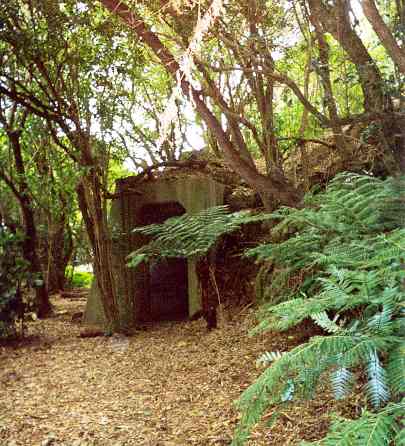
Kau Point Battery
Kau Point Battery
Fort Buckley (R.M.L.) Rifle Muzzle Loading Fortification, Wadestown, Wellington. CC BY-SA 2.5 Image courtesy of commons.wikimedia.org
Fort Buckley (R.M.L.) Rifle Muzzle Loading Fortification
Blumine Island Battery Historic Area
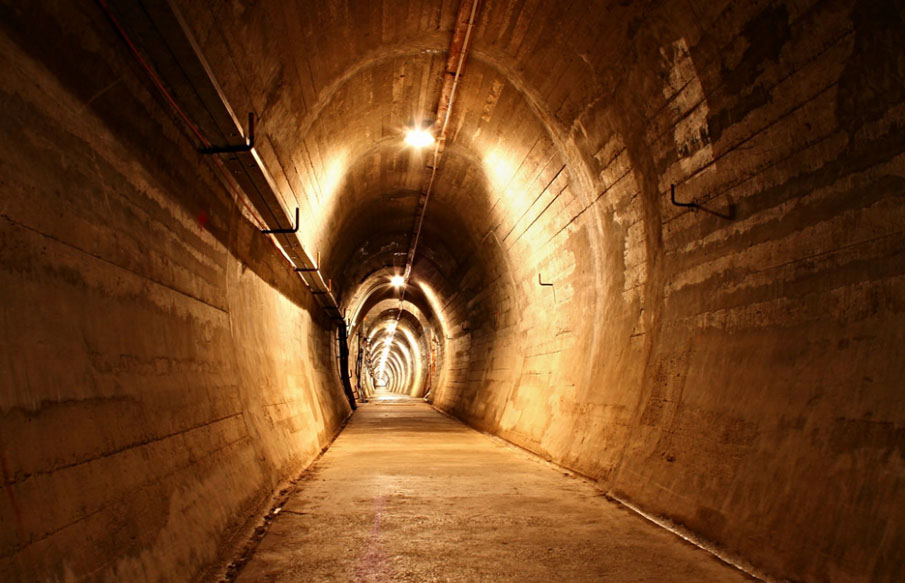
Wrights Hill Fortress, Karori, Wellington. A section of the 620m of interconnecting tunnels dug into the hillside. Image courtesy of www.flickr.com
Wrights Hill Fortress
Blumine Island Battery Historic Area
Kau Point Battery
Kau Point Battery
Wrights Hill Fortress, Karori, Wellington. A section of the 620m of interconnecting tunnels dug into the hillside. Image courtesy of www.flickr.com
Wrights Hill Fortress
Fort Buckley (R.M.L.) Rifle Muzzle Loading Fortification, Wadestown, Wellington. CC BY-SA 2.5 Image courtesy of commons.wikimedia.org
Fort Buckley (R.M.L.) Rifle Muzzle Loading Fortification
Stay up to date with Heritage this month