Constructed in Wellington's inner harbour in 1885, Fort Buckley was the first fort capable of defending the capital city's port from a naval attack.
In the 1870s and 1880s, prompted by growing fears of a Russian invasion, and the increasing realisation that New Zealand could no longer rely solely on either the British navy or the country's isolation for protection, the New Zealand Government purchased long-range weapons and began implementing the construction of coastal defences.
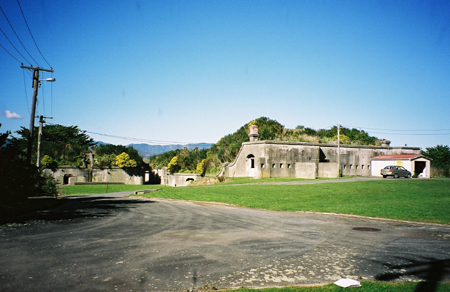
Fort Buckley was among the first forts on which construction commenced, and was the first to be completed. It was designed to support the larger Fort Kelburne at Ngauranga. The battery consisted of two circular gun emplacements designed to hold the 64 pr Rifle Muzzle Loading guns ordered by the New Zealand Government during the first 'Russian Scare' in 1878.
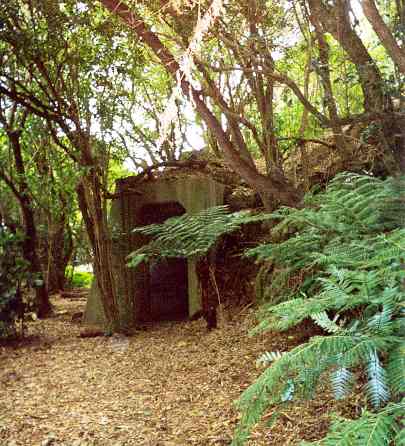
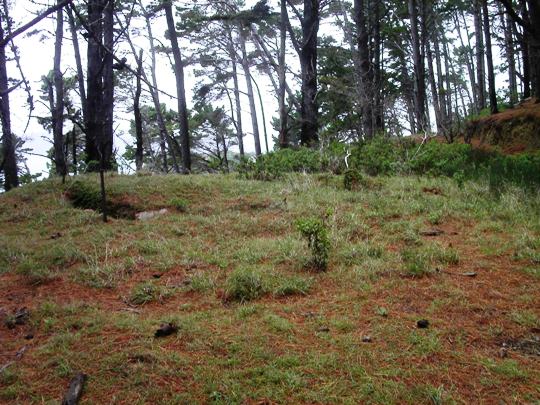
Hastily constructed, the pits were initially made of earth. The magazine store was made of timber, and protected from bombardment by a covering of earth and gravel. The pits were upgraded to concrete in 1886. By the early 1890s, the 64 pr guns were outdated and the battery was not used in operations from 1893. It was then relegated to use as a drill or training centre until 1904, when it was officially decommissioned. By 1909 its guns had been removed for display in Palmerston North Park. The fort was not used again until the Second World War, when an anti-aircraft battery was installed. The fort became surplus after the Second World War and fell into disrepair.
In 1989 the fort became the focus of a battle for the first time in its history when Land Information New Zealand and the Wellington City Council vied for ownership and management of the land. The battle was won by the Council in 2001, and the Fort is now a recreation reserve managed by the Highland Park Progressive Association.
Fort Buckley is of national historical importance. Identified by experts as one of 21 sites thought to be the most significant or best representative examples of New Zealand's coastal defence sites not already registered, the battery is one of the least altered example of the first defences constructed in the country in preparation for a Russian naval invasion in the late nineteenth-century. It is part of a wider network of coastal defences erected during this period and its construction reflects a move towards New Zealand independence from the Crown on military matters. It has considerable historical significance as the first operational coastal defence site in New Zealand's capital city, and retains considerable potential to educate the public on New Zealand's defence history.
In the 1870s and 1880s, prompted by growing fears of a Russian invasion, and the increasing realisation that New Zealand could no longer rely solely on either the British navy or the country's isolation for protection, the New Zealand Government purchased long-range weapons and began implementing the construction of coastal defences.
Fort Buckley was among the first forts on which construction commenced, and was the first to be completed. It was designed to support the larger Fort Kelburne at Ngauranga. The battery consisted of two circular gun emplacements designed to hold the 64 pr Rifle Muzzle Loading guns ordered by the New Zealand Government during the first 'Russian Scare' in 1878.
Hastily constructed, the pits were initially made of earth. The magazine store was made of timber, and protected from bombardment by a covering of earth and gravel. The pits were upgraded to concrete in 1886. By the early 1890s, the 64 pr guns were outdated and the battery was not used in operations from 1893. It was then relegated to use as a drill or training centre until 1904, when it was officially decommissioned. By 1909 its guns had been removed for display in Palmerston North Park. The fort was not used again until the Second World War, when an anti-aircraft battery was installed. The fort became surplus after the Second World War and fell into disrepair.
In 1989 the fort became the focus of a battle for the first time in its history when Land Information New Zealand and the Wellington City Council vied for ownership and management of the land. The battle was won by the Council in 2001, and the Fort is now a recreation reserve managed by the Highland Park Progressive Association.
Fort Buckley is of national historical importance. Identified by experts as one of 21 sites thought to be the most significant or best representative examples of New Zealand's coastal defence sites not already registered, the battery is one of the least altered example of the first defences constructed in the country in preparation for a Russian naval invasion in the late nineteenth-century. It is part of a wider network of coastal defences erected during this period and its construction reflects a move towards New Zealand independence from the Crown on military matters. It has considerable historical significance as the first operational coastal defence site in New Zealand's capital city, and retains considerable potential to educate the public on New Zealand's defence history.
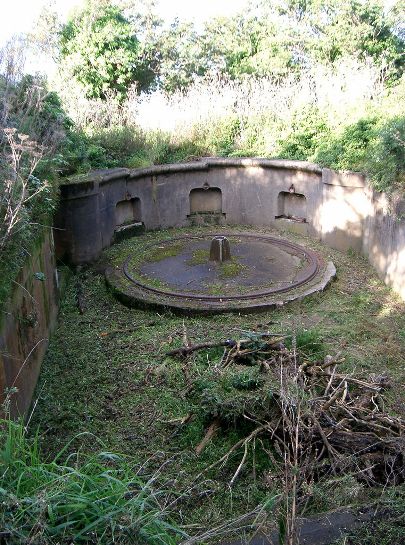
Fort Buckley (R.M.L.) Rifle Muzzle Loading Fortification, Wadestown, Wellington. CC BY-SA 2.5 Image courtesy of commons.wikimedia.org | Brenda Wallace | 21/09/2009 | Brenda Wallace - Wikimedia Commons
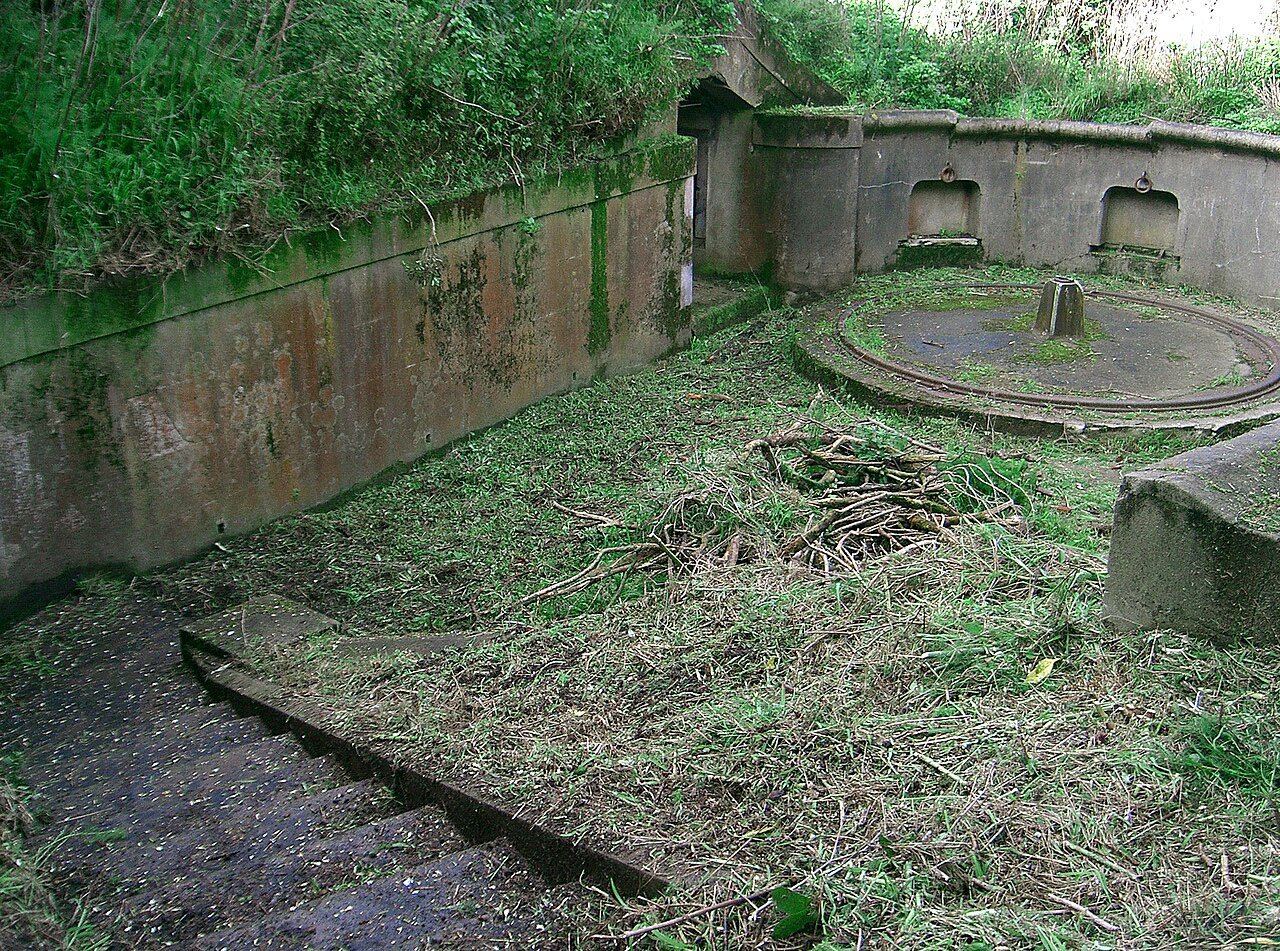
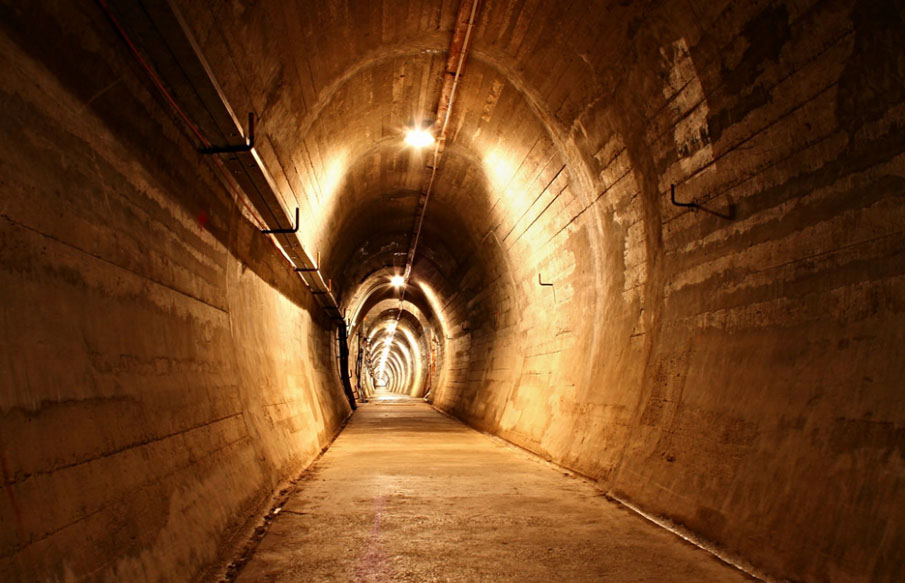
Fort Buckley (R.M.L.) Rifle Muzzle Loading Fortification, Wadestown, Wellington. CC BY-SA 2.5 Image courtesy of commons.wikimedia.org | Brenda Wallace | 21/09/2009 | Brenda Wallace - Wikimedia Commons
Fort Buckley (R.M.L.) Rifle Muzzle Loading Fortification, Wadestown, Wellington. CC BY-SA 2.5 Image courtesy of commons.wikimedia.org | Brenda Wallace | 21/09/2009 | Brenda Wallace - Wikimedia Commons
Fort Buckley (R.M.L.) Rifle Muzzle Loading Fortification, Wadestown, Wellington. CC BY-SA 2.5 Image courtesy of commons.wikimedia.org | Brenda Wallace | 21/09/2009 | Brenda Wallace - Wikimedia Commons