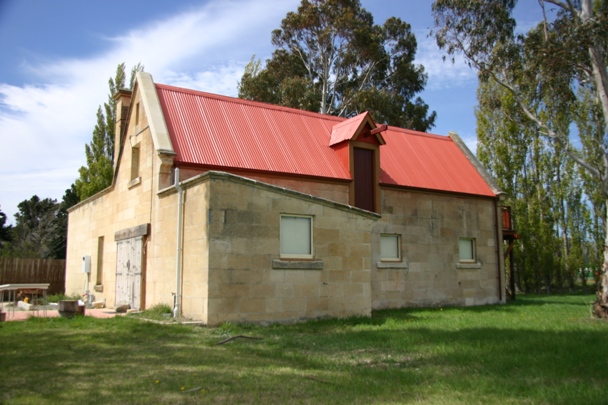
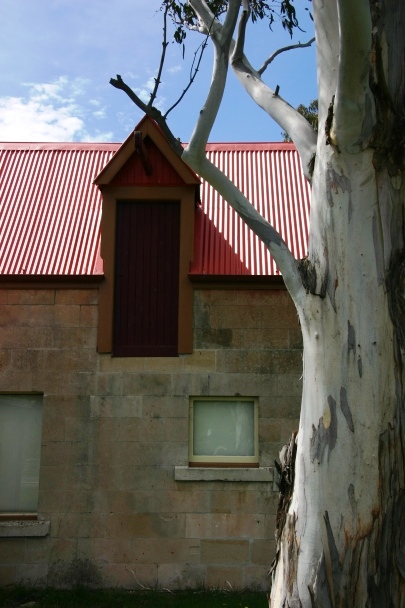
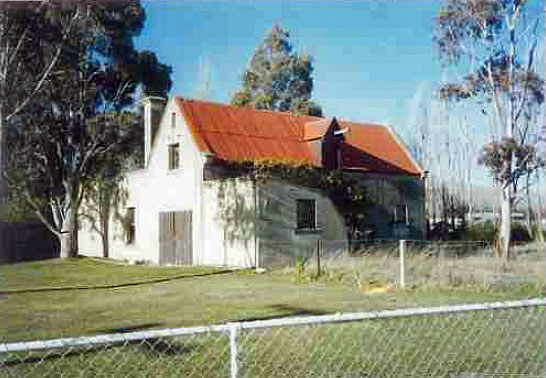
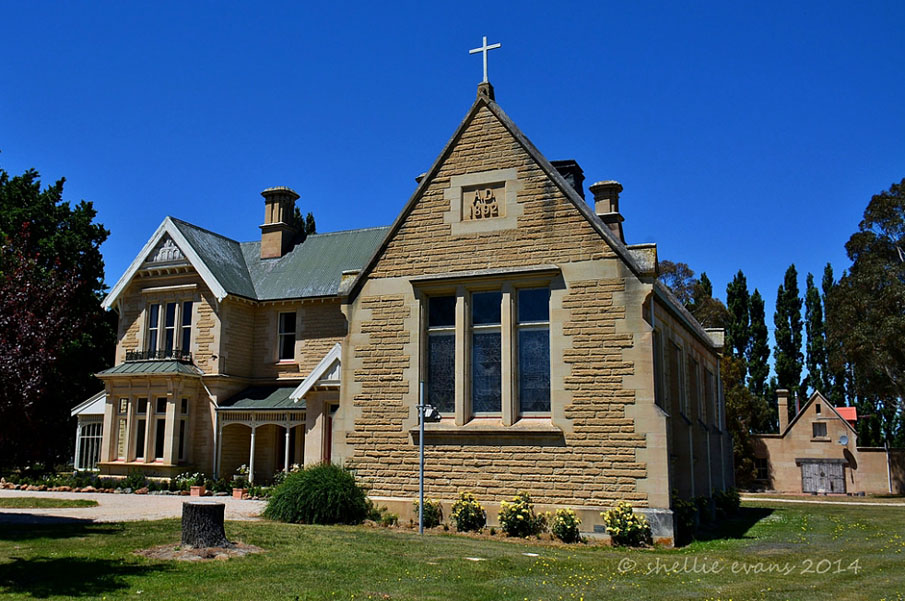
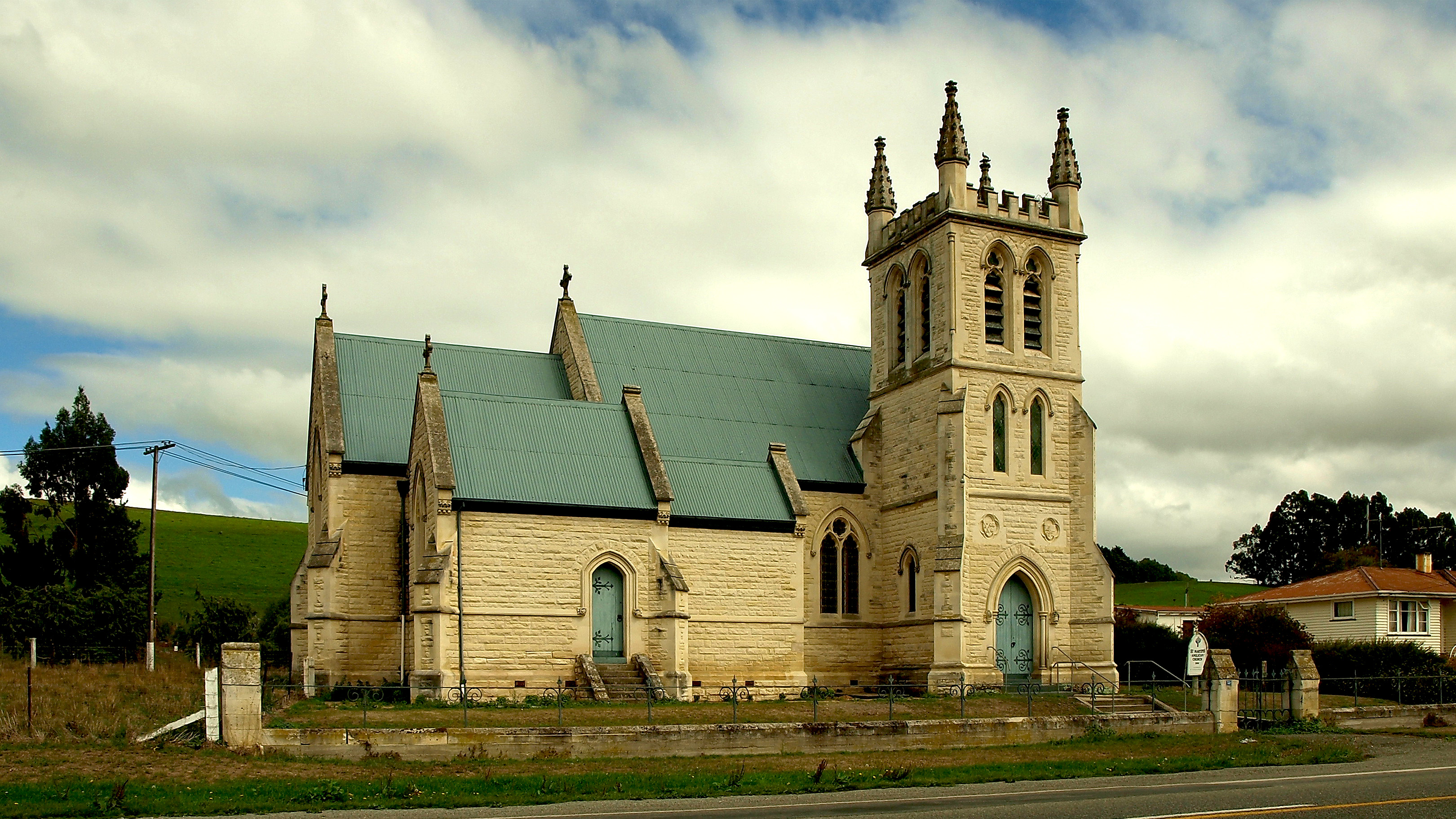
Built in 1893 as an outbuilding to the St Alban’s Vicarage and Chapel (List No. 2435), this stone stable is a reminder of the importance of horses in nineteenth century daily life and with the adjoining buildings have historical, aesthetic and architectural significance.
Between 1881 and 1891 the Waitaki Valley Anglican community was served by curates who lived locally but who were appointed by the vicar of Oamaru. In 1891 the Waitaki Mission District was established and Hugh Corrie Frere was appointed first curate of the parish. Kurow was in the Waitaki Mission District of the Anglican Church that extended from the ‘sea coast to a point in the mountains beyond Kurow, about sixty miles from that township.’ The district included the settlements of Kurow, Ngapara, Livingstone, Maerewhenua, Duntroon and the Hakataramea Valley. Frere’s appointment coincided with the generous but troublesome bequest left by Emily Campbell, wife of the late Robert Campbell who had been a leading North Otago landholder.
The Campbell bequest caused some difficulties for the parish. In 1892 the Church News reported from Minister H.C. Frere, the Anglican priest for the parish, that a ‘terrible mistake’ had been made in the bequest restricting it to the building of one church and parsonage for the Kurow and Duntroon districts. The trustees could not buy land or allow two churches to be built nor provide for the clergyman’s stipend. There was considerable local controversy over where the church should be built: the Duntroon folk wished the church and parsonage erected side by side in their town. While Kurow people argued for the buildings to be there. Nor did the endowment provide for a stipend for a curate. Bishop Nevill stepped in to offer a compromise where the parsonage would be built at Kurow and the church at Duntroon.
An 1892 newspaper article discussed the Kurow controversy. Mrs Campbell left £6,000 to the Anglican Church Property Trustees for the building of a church and parsonage between Kurow and Duntroon – the towns are 22 kilometres apart. Forrester and Lemon prepared the plans for the parsonage (at an approximate cost of £2500), leaving some £4000 for completing the church. The bequest made no provision for land, but a 12 acre site was subscribed for. In October 1893, Oamaru architect John Megget Forrester advertised for tenders for the ‘erection of parsonage buildings at Kurow.’ The accepted tenders were stonemason John Barclay (£1287) and that of carpenter John Menzies (£1444).
In July 1893 the Oamaru Mail reported that the ‘Anglican Parsonage, to which is added a very commodious room for holding services’ was open. The parsonage was ‘an imposing-looking building of two storeys, and contains twenty rooms with every convenience inside, and stables a short distance away.’ In 1894 the stables burnt down. The Star reported ‘The police have received information that the stables at the Kurow parsonage were destroyed by fire at about a quarter past twelve this morning. A fire broke out in some hay stored in the loft.’ In February 1894, H. Maude Roxby, agent for the insurer, advertised for tenders for the purchase and removal of stonework from the scene of the late fire at Kurow Parsonage.’ In late February 1894, Forrester tendered for the reinstatement of the stable and that work was complete by November 1894. The property remained the vicarage until 1970 when the last incumbent vicar vacated the property and since that time has been home to various tenants. The stable was also leased to tenants. In recent years a local group, the Kurow Victorian Preservation Group, has been fundraising to safeguard the future of the building.
In 2016, the St Alban’s Stable remains a significant element in this important complex of buildings.
Between 1881 and 1891 the Waitaki Valley Anglican community was served by curates who lived locally but who were appointed by the vicar of Oamaru. In 1891 the Waitaki Mission District was established and Hugh Corrie Frere was appointed first curate of the parish. Kurow was in the Waitaki Mission District of the Anglican Church that extended from the ‘sea coast to a point in the mountains beyond Kurow, about sixty miles from that township.’ The district included the settlements of Kurow, Ngapara, Livingstone, Maerewhenua, Duntroon and the Hakataramea Valley. Frere’s appointment coincided with the generous but troublesome bequest left by Emily Campbell, wife of the late Robert Campbell who had been a leading North Otago landholder.
The Campbell bequest caused some difficulties for the parish. In 1892 the Church News reported from Minister H.C. Frere, the Anglican priest for the parish, that a ‘terrible mistake’ had been made in the bequest restricting it to the building of one church and parsonage for the Kurow and Duntroon districts. The trustees could not buy land or allow two churches to be built nor provide for the clergyman’s stipend. There was considerable local controversy over where the church should be built: the Duntroon folk wished the church and parsonage erected side by side in their town. While Kurow people argued for the buildings to be there. Nor did the endowment provide for a stipend for a curate. Bishop Nevill stepped in to offer a compromise where the parsonage would be built at Kurow and the church at Duntroon.
An 1892 newspaper article discussed the Kurow controversy. Mrs Campbell left £6,000 to the Anglican Church Property Trustees for the building of a church and parsonage between Kurow and Duntroon – the towns are 22 kilometres apart. Forrester and Lemon prepared the plans for the parsonage (at an approximate cost of £2500), leaving some £4000 for completing the church. The bequest made no provision for land, but a 12 acre site was subscribed for. In October 1893, Oamaru architect John Megget Forrester advertised for tenders for the ‘erection of parsonage buildings at Kurow.’ The accepted tenders were stonemason John Barclay (£1287) and that of carpenter John Menzies (£1444).
In July 1893 the Oamaru Mail reported that the ‘Anglican Parsonage, to which is added a very commodious room for holding services’ was open. The parsonage was ‘an imposing-looking building of two storeys, and contains twenty rooms with every convenience inside, and stables a short distance away.’ In 1894 the stables burnt down. The Star reported ‘The police have received information that the stables at the Kurow parsonage were destroyed by fire at about a quarter past twelve this morning. A fire broke out in some hay stored in the loft.’ In February 1894, H. Maude Roxby, agent for the insurer, advertised for tenders for the purchase and removal of stonework from the scene of the late fire at Kurow Parsonage.’ In late February 1894, Forrester tendered for the reinstatement of the stable and that work was complete by November 1894. The property remained the vicarage until 1970 when the last incumbent vicar vacated the property and since that time has been home to various tenants. The stable was also leased to tenants. In recent years a local group, the Kurow Victorian Preservation Group, has been fundraising to safeguard the future of the building.
In 2016, the St Alban’s Stable remains a significant element in this important complex of buildings.