DonateSupporterVisit Heritage
  • Tūrangawaewae
    Places
  • Tira Māori
    Māori Heritage
  • Poutairangahia
    Archaeology
  • Rauemi
    Resources
  • Mō Tātou
    About Us
  • New Zealand Heritage List
  • Nominate and submit
  • Explore the List
  • National Historic Landmarks
  • Plaques
  • Rainbow List Project
  • Lost heritage
  • Visit Heritage
  • Our properties
  • Turnbull House Project
  • Collections
  • Shop
  • Tohu Whenua
  • Tira Māori
  • Conserving Māori heritage
  • Marae built heritage
  • Māori heritage on the List
  • Hinemihi—Te Hokinga Mai
  • What is archaeology?
  • Is there a site on my property?
  • What are my legal requirements?
  • Affecting an archaeological site
  • Declaring an archaeological site
  • Archaeology FAQs
  • Archaeology Digital Library
  • Archaeology guidelines and templates
  • Resources
  • Funding
  • Publications
  • Sustainable management guides
  • Disaster recovery
  • Podcasts & digital resources
  • Education Hub
  • Conservation plans
  • About
  • Board
  • Māori Heritage Council
  • Senior Staff
  • Offices
  • Contact us
  • Careers
  • Covenants
  • Fast-track
  • Corporate documents
  • Currently consulting on
  • Our submissions
  • News
  • Covid-19 response
Quick links
Rārangi Kōrero | The List
Explore the List
National Historic Landmarks
Ngā Manawhenua o Aotearoa me ōna Kōrero Tūturu
Quick links
Tapuwae
A Vision for Places of Māori Heritage
Funding for Māori Heritage
Resources
Quick links
Archaeological Authority Portal
Applying for an archaeological authority
Archaeology FAQs
Browse the most frequently asked questions about archaeological authorities and the archaeological process.
Quick links
Quick links
Contact us
Offices
DonateSupporterVisit Heritage
  • Tūrangawaewae
    Places
  • Tira Māori
    Māori Heritage
  • Poutairangahia
    Archaeology
  • Rauemi
    Resources
  • Mō Tātou
    About Us
  • New Zealand Heritage List
  • Nominate and submit
  • Explore the List
  • National Historic Landmarks
  • Plaques
  • Rainbow List Project
  • Lost heritage
  • Visit Heritage
  • Our properties
  • Turnbull House Project
  • Collections
  • Shop
  • Tohu Whenua
  • Tira Māori
  • Conserving Māori heritage
  • Marae built heritage
  • Māori heritage on the List
  • Hinemihi—Te Hokinga Mai
  • What is archaeology?
  • Is there a site on my property?
  • What are my legal requirements?
  • Affecting an archaeological site
  • Declaring an archaeological site
  • Archaeology FAQs
  • Archaeology Digital Library
  • Archaeology guidelines and templates
  • Resources
  • Funding
  • Publications
  • Sustainable management guides
  • Disaster recovery
  • Podcasts & digital resources
  • Education Hub
  • Conservation plans
  • About
  • Board
  • Māori Heritage Council
  • Senior Staff
  • Offices
  • Contact us
  • Careers
  • Covenants
  • Fast-track
  • Corporate documents
  • Currently consulting on
  • Our submissions
  • News
  • Covid-19 response
Quick links
Rārangi Kōrero | The List
Explore the List
National Historic Landmarks
Ngā Manawhenua o Aotearoa me ōna Kōrero Tūturu
Quick links
Tapuwae
A Vision for Places of Māori Heritage
Funding for Māori Heritage
Resources
Quick links
Archaeological Authority Portal
Applying for an archaeological authority
Archaeology FAQs
Browse the most frequently asked questions about archaeological authorities and the archaeological process.
Quick links
Quick links
Contact us
Offices
  • Places
  • Nominate and submit
  • National Historic Landmarks
  • Places
  • Nominate and submit
  • National Historic Landmarks
  • Tira Māori
  • Conserving Māori heritage
  • Marae built heritage
  • Tira Māori
  • Conserving Māori heritage
  • Marae built heritage
  • Archaeological authorities
  • Archaeology Digital Library
  • Archaeological authorities
  • Archaeology Digital Library
  • All resources
  • Publications
  • Funding
  • All resources
  • Publications
  • Funding
  • FAQs
  • FAQs
Follow us on:
Places
  • Places
  • Nominate and submit
  • National Historic Landmarks
Tira Māori
  • Tira Māori
  • Conserving Māori heritage
  • Marae built heritage
Archaeology
  • Archaeological authorities
  • Archaeology Digital Library
Resources
  • All resources
  • Publications
  • Funding
FAQs
  • FAQs
Follow us on
HomePrivacyTerms and conditionsAbout this site
© Heritage New Zealand Pouhere Taonga 2026.
 
Cricket Ground Pavilion

Grandstand Road North, Auckland Domain, Grafton, AUCKLAND

Public

Historic Place Category 2

List No. 569
Quick links:
List GalleryLocationDetails
Cricket in the Auckland Domain

Constructed in 1898, the Pavilion is closely linked with the development of recreation in the Auckland Domain, and particularly the game of cricket. Cricket was introduced into New Zealand by the first colonial settlers, with the first recorded game being played in December 1832 in the vicinity of Paihia, in the Bay of Islands. Cricket clubs were formed in Auckland soon after the foundation of the town in 1840-1841, and development of the game was further stimulated by the arrival of British troops, who formed a cricket pitch at the Albert Barracks. By 1853, cricket was considered to be one of the chief outdoor amusements of the settlement.

With the rapid growth of Auckland in the 1860s, there were calls for the development of recreation areas, including cricket grounds. The largest of the city parks developed for this purpose was the Auckland Domain, an 80 hectare (200 acre) block of land which was Auckland's oldest park. Sporting facilities were introduced to the Domain in the early 1860s, when the Auckland Bowling Club formed greens close to Stanley Street and a public cricket ground was established. The latter occupied swampy ground 'within the enclosure at the rear of the Government Botanical garden at present covered by Manuka scrub', which had previously been used for eeling by local Maori and duck shooting by European settlers.

Work on the cricket ground started in 1864 but was not completed until ten years later. In November 1874 the ground was opened with a match of 'England v. World'. The Daily Southern Cross reported of its associated facilities: 'Mr Brighton has erected a comfortable and commodious arbour for the use of the cricketers and public, where refreshments, including strawberries and cream, can be obtained. In 1879 the cricket ground was extended by a further three acres and plans were made for the erection of a pavilion. This was erected by 1883 after a public appeal for funds raised £200 towards the project. Inter-provincial and international cricket matches were played at the Domain ground, including a match between England and Auckland in early 1882.

In 1890 the pavilion was extended by the Auckland City Council, who had taken over control of the park in 1884. Use of the ground was not solely restricted to cricket, and in the 1890s the sport of cycling developed locally. The Domain ground and pavilion was also utilised by the Auckland Amateur Athletics Club for their two carnivals each year. While sports events in the Domain were popular with spectators it appears that other entertainment was often provided. Local bands offered musical entertainment while ladies promenaded.


Construction of the current Cricket Ground Pavilion

By the mid 1890s the first pavilion had become dilapidated and in late 1897 it was burnt down. In January a meeting was held with representatives of the Auckland City Council, Domain Ground Committee, Auckland Cricket Association, Auckland Cycle Club and the Auckland Amateur Athletic and Cycle Club to discuss the erection of a new building. A plan for a new pavilion with an estimated cost of £800 was presented to the meeting by 'an old cricketer' but it appears that this plan was abandoned while the issue of funding the building was resolved.

It appears that a Domain Pavilion Sports Committee was formed to raise funds for the new structure. They sought additional funding from the council to pay for the new pavilion which they intended to erect. The council initially requested that the Domain Cricket Ground Committee submit a plan and estimate of the new pavilion for council approval. However, the Council soon elected to build the pavilion themselves and take over its management. In September 1898 the Domain Pavilion Sports Committee forwarded £200, raised for the new building through sports events held in the Domain.

In September 1898 plans prepared by the Auckland City Council Engineer, William Anderson, were presented to the Council for a 'Cricket Ground Pavilion'. Anderson was the first appointee to the post of Director of Works and Engineer at Auckland City Council, a position he held from 1871 until 1899. Tenders were called, and the lowest of the eleven received -that of James Lye & Sons at £896 -was accepted. The Council had elected to raise the remaining funds needed by loan, with the rents from the pavilion repaying the borrowed funds. By mid December the pavilion was completed and was described in the local press as 'handsome and commodious, and . . . an ornament to grounds in which it stands.'

The pavilion was a facility used by a wide range of sporting groups who made use of the cricket ground. Lacrosse, cycling, athletics, football and cricket were all played on the cricket field, while schools, churches and cultural groups all made use of the cricket ground and pavilion for sporting and social events. Major cricket games continued to be played at the Domain ground until 1913 when Eden Park became the preferred venue for representative cricket. However, local teams continued to play at the Domain.

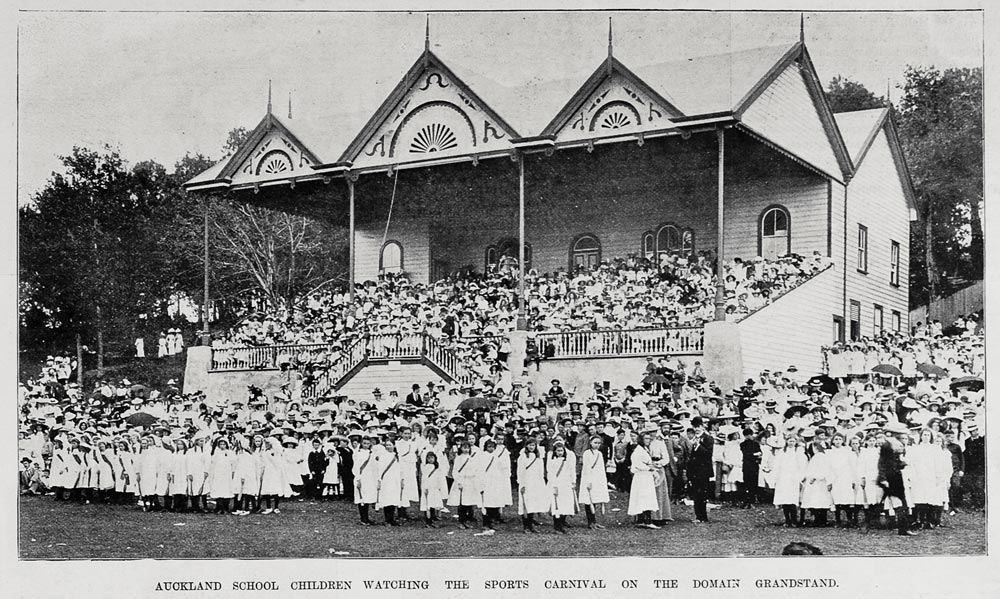
The pavilion and grandstand has been part of a number of important events in the city of Auckland. In 1920 it was specially decorated and thronged with crowds during the visit of the Prince of Wales. In January 1940 a crowd of 10,000 watched from the grandstand and surrounding grassy slopes as a thanksgiving service was held at the cricket ground to mark the beginning of the centennial celebrations. The open-air service was included a reading by the Governor-General, Viscount Galway, and a choir of 500 led by the Newton Salvation Army Band. It formed the main event of the celebrations in Auckland. Just days earlier the pavilion had overflowed with spectators watching the troops of the first echelon of the second New Zealand division parade in the cricket ground. In 1953, additional open terracing was built on the slope below the grandstand for the visit of Queen Elizabeth II.

The pavilion has continued to serve the people of Auckland, and the cricket ground remains a well-used sports facility, being the oldest cricket pitch in the city still in use. The 'Auckland Domain Plan' produced for the Auckland City Council in 1993 noted that the nineteen cricket pitches in the Domain 'form the most concentrated area in the Southern Hemisphere for this purpose'. The pavilion recently underwent a $650,000 upgrade, which involved redevelopment of the basement area so that the sports teams' changing rooms could be moved downstairs. This allowed the upstairs facilities to be improved, particularly for the performers that use this area during the annual concerts in the park. The restored cricket pavilion is dedicated to the memory of Auckland cricketer Charles Kerr (1906-1985), who played cricket on the Auckland Domain Grounds for 61 summers. Kerr's ashes were spread over the number one field, which the pavilion overlooks.
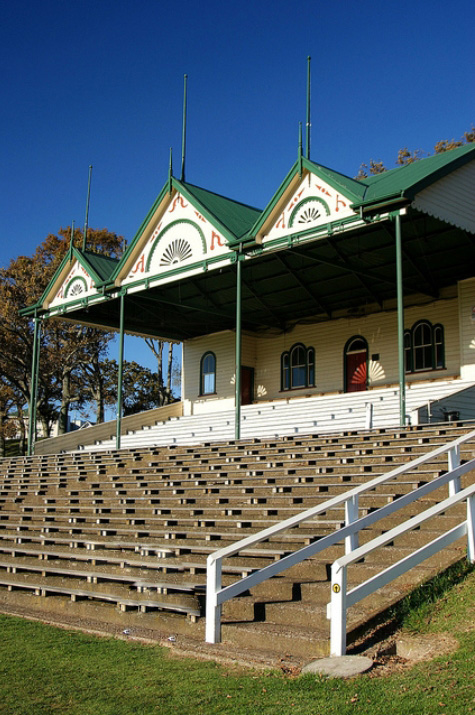
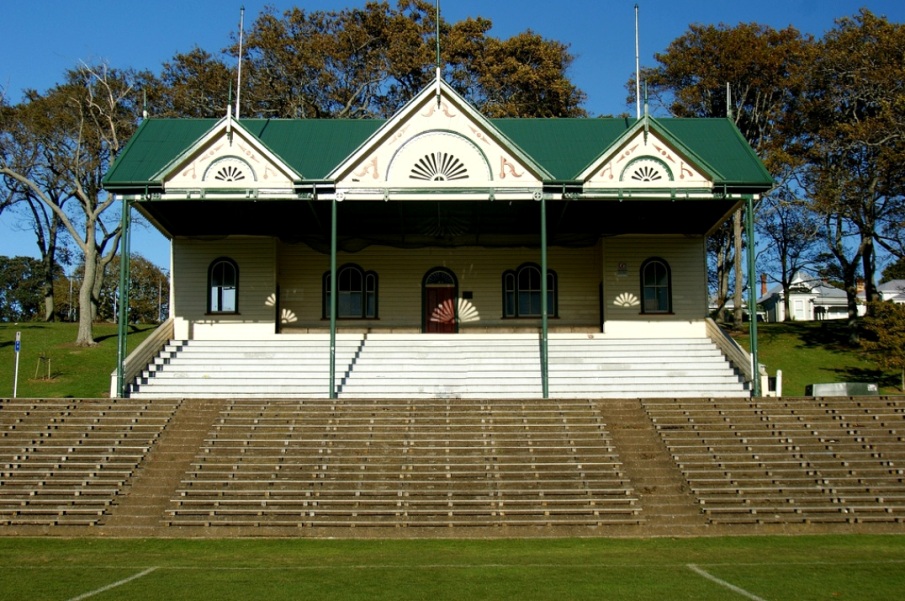
Cricket Ground Pavilion, Auckland Domain. Image courtesy of www.flickr.com | PhilBee NZ - Phil Braithwaite | 25/04/2012 | Phil Braithwaite
Cricket Ground Pavilion, Auckland Domian. 1901 The Auckland Public Schools Sports Carnival. Auckland Libraries Heritage Collections AWNS-19010405-1-1 | No Known Copyright Restrictions
Cricket Ground Pavilion, Auckland Domain. Image courtesy of www.flickr.com | PhilBee NZ - Phil Braithwaite | 25/04/2012 | Phil Braithwaite
Cricket Ground Pavilion, Auckland Domian. 1901 The Auckland Public Schools Sports Carnival. Auckland Libraries Heritage Collections AWNS-19010405-1-1 | No Known Copyright Restrictions

List Entry Information

Overview

Status
Listed

List Entry Status
Historic Place Category 2

Access
Able to Visit

List Number
569

Date Entered
24th June 2005

Date of Effect
24th June 2005

City/District Council
Auckland Council

Region
Auckland Council

Extent of List Entry

The registration includes part of the land in RT NA75C/138 (as shown on Map C in Appendix 4) and the building, its fixtures and fittings, thereon. It includes the open terraced seating to the north of the pavilion building.

Legal description

Part of Pt Auckland Domain (RT NA75C/138)

Detailed List Entry
Significance

Cultural Significance

The pavilion has social significance as a gathering place for people to watch sporting and other events for over one hundred years.

Historic Significance

Historical Significance or Value The building is of historical significance for its strong association with the development of cricket and other sports in Auckland, the recreational history of Auckland's oldest park, and notable public events such as Royal visits, centennial celebrations and the parading of troops leaving to fight in the Second World War.

Physical Significance

The Cricket Ground Pavilion has high aesthetic value for its ornate visual appearance and as a striking focal point in the Auckland Domain landscape. The pavilion has architectural significance as a late Victorian sports pavilion designed in the Italianate style by William Anderson, the first appointee to the post of Director of Works and Engineer at Auckland City Council.

Detail Of Assessed Criteria

(a)The extent to which the place reflects important or representative aspects of New Zealand history The Cricket Ground Pavilion reflects the development of sport and recreation in nineteenth-century New Zealand, and particularly the provision of sporting facilities. It reflects the involvement of local authorities in administering recreation at the end of the 1800s, and the popularity of sports such as cricket. (b)The association of the place with events, persons, or ideas of importance in New Zealand history The Pavilion is associated with significant events in New Zealand's history, including Royal visits and the centennial celebrations in 1940. Through its connections with the adjacent cricket ground it is also linked with important sporting events, including international cricket matches. (e)The community association with, or public esteem for, the place The building has strong community associations, having been built with public money and used by a large number of different sporting and other groups over more than one hundred years. (h)The symbolic or commemorative value of the place The building has some commemorative value, being dedicated to the memory of Auckland cricketer Charles Kerr (1906-1985) who played cricket on the Auckland Domain Grounds for 61 summers and whose ashes were spread over the number one field. (k)The extent to which the place forms part of a wider historical and cultural complex or historical and cultural landscape The Pavilion is an integral part of a historical and cultural landscape of local, regional and national significance. The landscape incorporates important archaeological and cultural sites, including the residence of Potatau Te Wherowhero (the first Maori king), a military blockhouse, nineteenth-century Acclimatisation Society ponds and Auckland's oldest cricket pitch still in use. It also includes significant buildings such as the Auckland War Memorial Museum (NZHPT registration # 94, Category I historic place); the Cenotaph NZHPT registration # 122, Category I historic place); the Wintergarden (NZHPT registration # 124, Category I historic place); Band Rotunda (NZHPT registration # 726, Category II historic place); the Robert Burns Statue (NZHPT registration # 637, Category II historic place); and Tea Kiosk (NZHPT registration # 2648, Category II historic place). As Auckland's oldest park, the Domain also includes significant historic plantings.

Construction Professional

Name

Anderson, William

Type

Architect

Biography

No biography is currently available for this construction professional

Name

Jas Lye and Son

Type

Builder

Biography

No biography is currently available for this construction professional

Construction Details

Start Year

1898

Type

Original Construction

Description

Pavilion erected

Start Year

1902

Type

Modification

Description

Shower baths added to the pavilion.

Start Year

1912

Type

Modification

Description

Toilet block added to rear of building.

Start Year

1953

Type

Modification

Description

Steps leading up to grandstand removed and grandstand seating extended.

Start Year

1976

Type

Modification

Description

Structural upgrading of building carried out.

Start Year

1988

Type

Modification

Description

Dressing rooms renovated.

Start Year

2004

Type

Modification

Description

Interior of pavilion refurbished; additional facilities developed in basement; some grandstand seating renewed

Construction Materials

Timber structure, with concrete piles and iron roof

Physical Description

The Cricket Ground Pavilion is located in the southwestern corner of the Auckland Domain, to the east of Auckland City Centre. The two-storey timber structure is sited on sloping ground, on the edge of the tuff ring of an extinct volcano. The flat, infilled base of the crater serves as a cricket ground, also providing a natural amphitheatre for outdoor concerts and other events. The building stands on the southwest side of Grandstand Road, a single lane road within the Domain. A lower slope immediately below the pavilion building contains additional terraced seating (dating from 1953) on the northern side of the same road. Mature oak trees behind the pavilion provide a picturesque backdrop. Viewed from Domain Road and Football Road, the pavilion with its expansive sports grounds in the foreground, forms a major focal point of the Domain. The building is a less significant feature of the wider Park Road/Carlton Gore Road streetscape, viewed from outside the park. The pavilion is a large rectangular structure, measuring 22m long x 20m wide. It is constructed largely in the Italianate style, although a later addition to the rear employs aspects of Arts and Crafts design. The structure is in two parts, with the southern half containing two storeys of enclosed pavilion rooms. To the north of the rooms is terraced seating, covered by a large corrugated iron roof. The structure's north façade is symmetrical, with a large central gable over the terracing flanked by smaller gables on either side. Each of the three gable ends has an open, semi-circular motif, complementing the arch-headed door and window openings of the northern facade of the pavilion rooms. A flagpole set slightly back from the apex of the gable, accentuates each of the finials of the three north facing gables. The upper floor of main body of the pavilion is accessed via a central door from the terraces, while smaller entrances provide external access to the ground floor on its eastern and western sides. The timber-framed building is mostly clad with rusticated weatherboards. Internally, the upper floor of the pavilion currently contains four clubrooms; a ladies' room and toilet; kitchen; make-up room/toilet/shower; groundsman's office; and umpire's room. These are located around the south, west and north sides of the pavilion and open into a large common room that overlooks the sports grounds. The original tongue and groove timber lining has been retained except in the modernised ablution areas. The changing rooms have slatted bench seating and shallow storage cupboards. The lower floor of the building has recently been renovated to provide three additional changing rooms and additional showers, as the changing rooms in the upstairs pavilion are no longer used by sports teams. Two shower areas project beyond the rear wall of the pavilion, and were added in 1902 and 1912. Both are rectangular in plan and have gabled roofs running in a north-south direction. The 1912 addition is constructed of stone and has large semicircular windows on its southern and eastern walls of Arts and Crafts design. The area of open terraced seating on the lower slope to the north of the pavilion consists of lengths of timber supported on shallow blocks, which in turn sit on concrete steps.

Reference

Information Sources

Auckland Cricket Association, 1983

100 Not Out: A Centennial History of the Auckland Cricket Association, Auckland, 1983.

Auckland Chronicle

Auckland Chronicle

Boffa Miskel Partners, 1993

Boffa Miskell Partners Limited, 'The Auckland Domain Plan Resource Document', unpublished report prepared for Auckland City Council, October 1993.

Neely, 1994

D.O. & P.W. Neely, The Summer Game: An Illustrated History of New Zealand Cricket, Auckland, 1994.

Neely, 1986

D.O. Neely, R.P. King and F.K. Payne, Men in White: The History of New Zealand International Cricket 1894-1985, Auckland, 1986.

New Zealand Herald

New Zealand Herald, 12 July 1932, p. 6; 28 September 1933, p. 6.

New Zealand Journal

New Zealand Journal

Reece, 1927

T.W. Reece, New Zealand Cricket 1841-1914, Christchurch, 1927.

Southern Cross

Southern Cross

Weekly News

Weekly News

Auckland City Council

Auckland City Council

Conservation Plan

Conservation Plan

Report Written By

A fully referenced version of this report is available from the NZHPT Northern Region Office. Please note that entry on the New Zealand Heritage List/Rarangi Korero identifies only the heritage values of the property concerned, and should not be construed as advice on the state of the property, or as a comment of its soundness or safety, including in regard to earthquake risk, safety in the event of fire, or insanitary conditions.

Further Information

Current Usages

Uses: Civic Facilities

Specific Usage: Grandstand

Uses: Civic Facilities

Specific Usage: Pavilion

Former Usages

General Usage:: Civic Facilities

Specific Usage: Grandstand

General Usage:: Civic Facilities

Specific Usage: Pavilion

Themes

Web Links

Overview

Status

Listed

List Entry Status

Historic Place Category 2

Access

Able to Visit

List Number

569

Date Entered

24th June 2005

Date of Effect

24th June 2005

City/District Council

Auckland Council

Region

Auckland Council

Extent of List Entry

The registration includes part of the land in RT NA75C/138 (as shown on Map C in Appendix 4) and the building, its fixtures and fittings, thereon. It includes the open terraced seating to the north of the pavilion building.

Legal description

Part of Pt Auckland Domain (RT NA75C/138)

Status

Listed

List Entry Status

Historic Place Category 2

Access

Able to Visit

List Number

569

Date Entered

24th June 2005

Date of Effect

24th June 2005

City/District Council

Auckland Council

Region

Auckland Council

Extent of List Entry

The registration includes part of the land in RT NA75C/138 (as shown on Map C in Appendix 4) and the building, its fixtures and fittings, thereon. It includes the open terraced seating to the north of the pavilion building.

Legal description

Part of Pt Auckland Domain (RT NA75C/138)

Significance

Why is this place significant?

Cultural Significance

The pavilion has social significance as a gathering place for people to watch sporting and other events for over one hundred years.

Historic Significance

Historical Significance or Value The building is of historical significance for its strong association with the development of cricket and other sports in Auckland, the recreational history of Auckland's oldest park, and notable public events such as Royal visits, centennial celebrations and the parading of troops leaving to fight in the Second World War.

Physical Significance

The Cricket Ground Pavilion has high aesthetic value for its ornate visual appearance and as a striking focal point in the Auckland Domain landscape. The pavilion has architectural significance as a late Victorian sports pavilion designed in the Italianate style by William Anderson, the first appointee to the post of Director of Works and Engineer at Auckland City Council.

Why is this place Category 1 / Category 2?

Detail Of Assessed Criteria

(a)The extent to which the place reflects important or representative aspects of New Zealand history The Cricket Ground Pavilion reflects the development of sport and recreation in nineteenth-century New Zealand, and particularly the provision of sporting facilities. It reflects the involvement of local authorities in administering recreation at the end of the 1800s, and the popularity of sports such as cricket. (b)The association of the place with events, persons, or ideas of importance in New Zealand history The Pavilion is associated with significant events in New Zealand's history, including Royal visits and the centennial celebrations in 1940. Through its connections with the adjacent cricket ground it is also linked with important sporting events, including international cricket matches. (e)The community association with, or public esteem for, the place The building has strong community associations, having been built with public money and used by a large number of different sporting and other groups over more than one hundred years. (h)The symbolic or commemorative value of the place The building has some commemorative value, being dedicated to the memory of Auckland cricketer Charles Kerr (1906-1985) who played cricket on the Auckland Domain Grounds for 61 summers and whose ashes were spread over the number one field. (k)The extent to which the place forms part of a wider historical and cultural complex or historical and cultural landscape The Pavilion is an integral part of a historical and cultural landscape of local, regional and national significance. The landscape incorporates important archaeological and cultural sites, including the residence of Potatau Te Wherowhero (the first Maori king), a military blockhouse, nineteenth-century Acclimatisation Society ponds and Auckland's oldest cricket pitch still in use. It also includes significant buildings such as the Auckland War Memorial Museum (NZHPT registration # 94, Category I historic place); the Cenotaph NZHPT registration # 122, Category I historic place); the Wintergarden (NZHPT registration # 124, Category I historic place); Band Rotunda (NZHPT registration # 726, Category II historic place); the Robert Burns Statue (NZHPT registration # 637, Category II historic place); and Tea Kiosk (NZHPT registration # 2648, Category II historic place). As Auckland's oldest park, the Domain also includes significant historic plantings.

Why is this place significant?

Cultural Significance

The pavilion has social significance as a gathering place for people to watch sporting and other events for over one hundred years.

Historic Significance

Historical Significance or Value The building is of historical significance for its strong association with the development of cricket and other sports in Auckland, the recreational history of Auckland's oldest park, and notable public events such as Royal visits, centennial celebrations and the parading of troops leaving to fight in the Second World War.

Physical Significance

The Cricket Ground Pavilion has high aesthetic value for its ornate visual appearance and as a striking focal point in the Auckland Domain landscape. The pavilion has architectural significance as a late Victorian sports pavilion designed in the Italianate style by William Anderson, the first appointee to the post of Director of Works and Engineer at Auckland City Council.

Why is this place Category 1 / Category 2?

Detail Of Assessed Criteria

(a)The extent to which the place reflects important or representative aspects of New Zealand history The Cricket Ground Pavilion reflects the development of sport and recreation in nineteenth-century New Zealand, and particularly the provision of sporting facilities. It reflects the involvement of local authorities in administering recreation at the end of the 1800s, and the popularity of sports such as cricket. (b)The association of the place with events, persons, or ideas of importance in New Zealand history The Pavilion is associated with significant events in New Zealand's history, including Royal visits and the centennial celebrations in 1940. Through its connections with the adjacent cricket ground it is also linked with important sporting events, including international cricket matches. (e)The community association with, or public esteem for, the place The building has strong community associations, having been built with public money and used by a large number of different sporting and other groups over more than one hundred years. (h)The symbolic or commemorative value of the place The building has some commemorative value, being dedicated to the memory of Auckland cricketer Charles Kerr (1906-1985) who played cricket on the Auckland Domain Grounds for 61 summers and whose ashes were spread over the number one field. (k)The extent to which the place forms part of a wider historical and cultural complex or historical and cultural landscape The Pavilion is an integral part of a historical and cultural landscape of local, regional and national significance. The landscape incorporates important archaeological and cultural sites, including the residence of Potatau Te Wherowhero (the first Maori king), a military blockhouse, nineteenth-century Acclimatisation Society ponds and Auckland's oldest cricket pitch still in use. It also includes significant buildings such as the Auckland War Memorial Museum (NZHPT registration # 94, Category I historic place); the Cenotaph NZHPT registration # 122, Category I historic place); the Wintergarden (NZHPT registration # 124, Category I historic place); Band Rotunda (NZHPT registration # 726, Category II historic place); the Robert Burns Statue (NZHPT registration # 637, Category II historic place); and Tea Kiosk (NZHPT registration # 2648, Category II historic place). As Auckland's oldest park, the Domain also includes significant historic plantings.

Construction Information

Construction Professional

Name

Anderson, William

Type

Architect

Biography

No biography is currently available for this construction professional

Name

Jas Lye and Son

Type

Builder

Biography

No biography is currently available for this construction professional

Construction Details

Start Year

1898

Type

Original Construction

Description

Pavilion erected

Start Year

1902

Type

Modification

Description

Shower baths added to the pavilion.

Start Year

1912

Type

Modification

Description

Toilet block added to rear of building.

Start Year

1953

Type

Modification

Description

Steps leading up to grandstand removed and grandstand seating extended.

Start Year

1976

Type

Modification

Description

Structural upgrading of building carried out.

Start Year

1988

Type

Modification

Description

Dressing rooms renovated.

Start Year

2004

Type

Modification

Description

Interior of pavilion refurbished; additional facilities developed in basement; some grandstand seating renewed

Construction Materials

Timber structure, with concrete piles and iron roof

Construction Professional

Name

Anderson, William

Type

Architect

Biography

No biography is currently available for this construction professional

Name

Jas Lye and Son

Type

Builder

Biography

No biography is currently available for this construction professional

Construction Details

Start Year

1898

Type

Original Construction

Description

Pavilion erected

Start Year

1902

Type

Modification

Description

Shower baths added to the pavilion.

Start Year

1912

Type

Modification

Description

Toilet block added to rear of building.

Start Year

1953

Type

Modification

Description

Steps leading up to grandstand removed and grandstand seating extended.

Start Year

1976

Type

Modification

Description

Structural upgrading of building carried out.

Start Year

1988

Type

Modification

Description

Dressing rooms renovated.

Start Year

2004

Type

Modification

Description

Interior of pavilion refurbished; additional facilities developed in basement; some grandstand seating renewed

Construction Materials

Timber structure, with concrete piles and iron roof

Physical Description

The Cricket Ground Pavilion is located in the southwestern corner of the Auckland Domain, to the east of Auckland City Centre. The two-storey timber structure is sited on sloping ground, on the edge of the tuff ring of an extinct volcano. The flat, infilled base of the crater serves as a cricket ground, also providing a natural amphitheatre for outdoor concerts and other events. The building stands on the southwest side of Grandstand Road, a single lane road within the Domain. A lower slope immediately below the pavilion building contains additional terraced seating (dating from 1953) on the northern side of the same road. Mature oak trees behind the pavilion provide a picturesque backdrop. Viewed from Domain Road and Football Road, the pavilion with its expansive sports grounds in the foreground, forms a major focal point of the Domain. The building is a less significant feature of the wider Park Road/Carlton Gore Road streetscape, viewed from outside the park. The pavilion is a large rectangular structure, measuring 22m long x 20m wide. It is constructed largely in the Italianate style, although a later addition to the rear employs aspects of Arts and Crafts design. The structure is in two parts, with the southern half containing two storeys of enclosed pavilion rooms. To the north of the rooms is terraced seating, covered by a large corrugated iron roof. The structure's north façade is symmetrical, with a large central gable over the terracing flanked by smaller gables on either side. Each of the three gable ends has an open, semi-circular motif, complementing the arch-headed door and window openings of the northern facade of the pavilion rooms. A flagpole set slightly back from the apex of the gable, accentuates each of the finials of the three north facing gables. The upper floor of main body of the pavilion is accessed via a central door from the terraces, while smaller entrances provide external access to the ground floor on its eastern and western sides. The timber-framed building is mostly clad with rusticated weatherboards. Internally, the upper floor of the pavilion currently contains four clubrooms; a ladies' room and toilet; kitchen; make-up room/toilet/shower; groundsman's office; and umpire's room. These are located around the south, west and north sides of the pavilion and open into a large common room that overlooks the sports grounds. The original tongue and groove timber lining has been retained except in the modernised ablution areas. The changing rooms have slatted bench seating and shallow storage cupboards. The lower floor of the building has recently been renovated to provide three additional changing rooms and additional showers, as the changing rooms in the upstairs pavilion are no longer used by sports teams. Two shower areas project beyond the rear wall of the pavilion, and were added in 1902 and 1912. Both are rectangular in plan and have gabled roofs running in a north-south direction. The 1912 addition is constructed of stone and has large semicircular windows on its southern and eastern walls of Arts and Crafts design. The area of open terraced seating on the lower slope to the north of the pavilion consists of lengths of timber supported on shallow blocks, which in turn sit on concrete steps.

The Cricket Ground Pavilion is located in the southwestern corner of the Auckland Domain, to the east of Auckland City Centre. The two-storey timber structure is sited on sloping ground, on the edge of the tuff ring of an extinct volcano. The flat, infilled base of the crater serves as a cricket ground, also providing a natural amphitheatre for outdoor concerts and other events. The building stands on the southwest side of Grandstand Road, a single lane road within the Domain. A lower slope immediately below the pavilion building contains additional terraced seating (dating from 1953) on the northern side of the same road. Mature oak trees behind the pavilion provide a picturesque backdrop. Viewed from Domain Road and Football Road, the pavilion with its expansive sports grounds in the foreground, forms a major focal point of the Domain. The building is a less significant feature of the wider Park Road/Carlton Gore Road streetscape, viewed from outside the park. The pavilion is a large rectangular structure, measuring 22m long x 20m wide. It is constructed largely in the Italianate style, although a later addition to the rear employs aspects of Arts and Crafts design. The structure is in two parts, with the southern half containing two storeys of enclosed pavilion rooms. To the north of the rooms is terraced seating, covered by a large corrugated iron roof. The structure's north façade is symmetrical, with a large central gable over the terracing flanked by smaller gables on either side. Each of the three gable ends has an open, semi-circular motif, complementing the arch-headed door and window openings of the northern facade of the pavilion rooms. A flagpole set slightly back from the apex of the gable, accentuates each of the finials of the three north facing gables. The upper floor of main body of the pavilion is accessed via a central door from the terraces, while smaller entrances provide external access to the ground floor on its eastern and western sides. The timber-framed building is mostly clad with rusticated weatherboards. Internally, the upper floor of the pavilion currently contains four clubrooms; a ladies' room and toilet; kitchen; make-up room/toilet/shower; groundsman's office; and umpire's room. These are located around the south, west and north sides of the pavilion and open into a large common room that overlooks the sports grounds. The original tongue and groove timber lining has been retained except in the modernised ablution areas. The changing rooms have slatted bench seating and shallow storage cupboards. The lower floor of the building has recently been renovated to provide three additional changing rooms and additional showers, as the changing rooms in the upstairs pavilion are no longer used by sports teams. Two shower areas project beyond the rear wall of the pavilion, and were added in 1902 and 1912. Both are rectangular in plan and have gabled roofs running in a north-south direction. The 1912 addition is constructed of stone and has large semicircular windows on its southern and eastern walls of Arts and Crafts design. The area of open terraced seating on the lower slope to the north of the pavilion consists of lengths of timber supported on shallow blocks, which in turn sit on concrete steps.

Reference

Historical and Associated Iwi / Hapū / Whānau

Information Sources

Auckland Cricket Association, 1983

100 Not Out: A Centennial History of the Auckland Cricket Association, Auckland, 1983.

Auckland Chronicle

Auckland Chronicle

Boffa Miskel Partners, 1993

Boffa Miskell Partners Limited, 'The Auckland Domain Plan Resource Document', unpublished report prepared for Auckland City Council, October 1993.

Neely, 1994

D.O. & P.W. Neely, The Summer Game: An Illustrated History of New Zealand Cricket, Auckland, 1994.

Neely, 1986

D.O. Neely, R.P. King and F.K. Payne, Men in White: The History of New Zealand International Cricket 1894-1985, Auckland, 1986.

New Zealand Herald

New Zealand Herald, 12 July 1932, p. 6; 28 September 1933, p. 6.

New Zealand Journal

New Zealand Journal

Reece, 1927

T.W. Reece, New Zealand Cricket 1841-1914, Christchurch, 1927.

Southern Cross

Southern Cross

Weekly News

Weekly News

Auckland City Council

Auckland City Council

Conservation Plan

Conservation Plan

Other Information

A fully referenced version of this report is available from the NZHPT Northern Region Office. Please note that entry on the New Zealand Heritage List/Rarangi Korero identifies only the heritage values of the property concerned, and should not be construed as advice on the state of the property, or as a comment of its soundness or safety, including in regard to earthquake risk, safety in the event of fire, or insanitary conditions.

Historical and Associated Iwi / Hapū / Whānau

Information Sources

Auckland Cricket Association, 1983

100 Not Out: A Centennial History of the Auckland Cricket Association, Auckland, 1983.

Auckland Chronicle

Auckland Chronicle

Boffa Miskel Partners, 1993

Boffa Miskell Partners Limited, 'The Auckland Domain Plan Resource Document', unpublished report prepared for Auckland City Council, October 1993.

Neely, 1994

D.O. & P.W. Neely, The Summer Game: An Illustrated History of New Zealand Cricket, Auckland, 1994.

Neely, 1986

D.O. Neely, R.P. King and F.K. Payne, Men in White: The History of New Zealand International Cricket 1894-1985, Auckland, 1986.

New Zealand Herald

New Zealand Herald, 12 July 1932, p. 6; 28 September 1933, p. 6.

New Zealand Journal

New Zealand Journal

Reece, 1927

T.W. Reece, New Zealand Cricket 1841-1914, Christchurch, 1927.

Southern Cross

Southern Cross

Weekly News

Weekly News

Auckland City Council

Auckland City Council

Conservation Plan

Conservation Plan

Other Information

A fully referenced version of this report is available from the NZHPT Northern Region Office. Please note that entry on the New Zealand Heritage List/Rarangi Korero identifies only the heritage values of the property concerned, and should not be construed as advice on the state of the property, or as a comment of its soundness or safety, including in regard to earthquake risk, safety in the event of fire, or insanitary conditions.

Further Information

Current Usages

Uses: Civic Facilities

Specific Usage: Grandstand

Uses: Civic Facilities

Specific Usage: Pavilion

Former Usages

General Usage: Civic Facilities

Specific Usage: Grandstand

General Usage: Civic Facilities

Specific Usage: Pavilion

Current Usages

Uses: Civic Facilities

Specific Usage: Grandstand

Uses: Civic Facilities

Specific Usage: Pavilion

Former Usages

General Usage: Civic Facilities

Specific Usage: Grandstand

General Usage: Civic Facilities

Specific Usage: Pavilion

Location
Loading
Related listings
Cenotaph, Auckland Domain, Auckland. CC BY-NC-SA 2.0 Image courtesy of www.flickr.com
Cenotaph
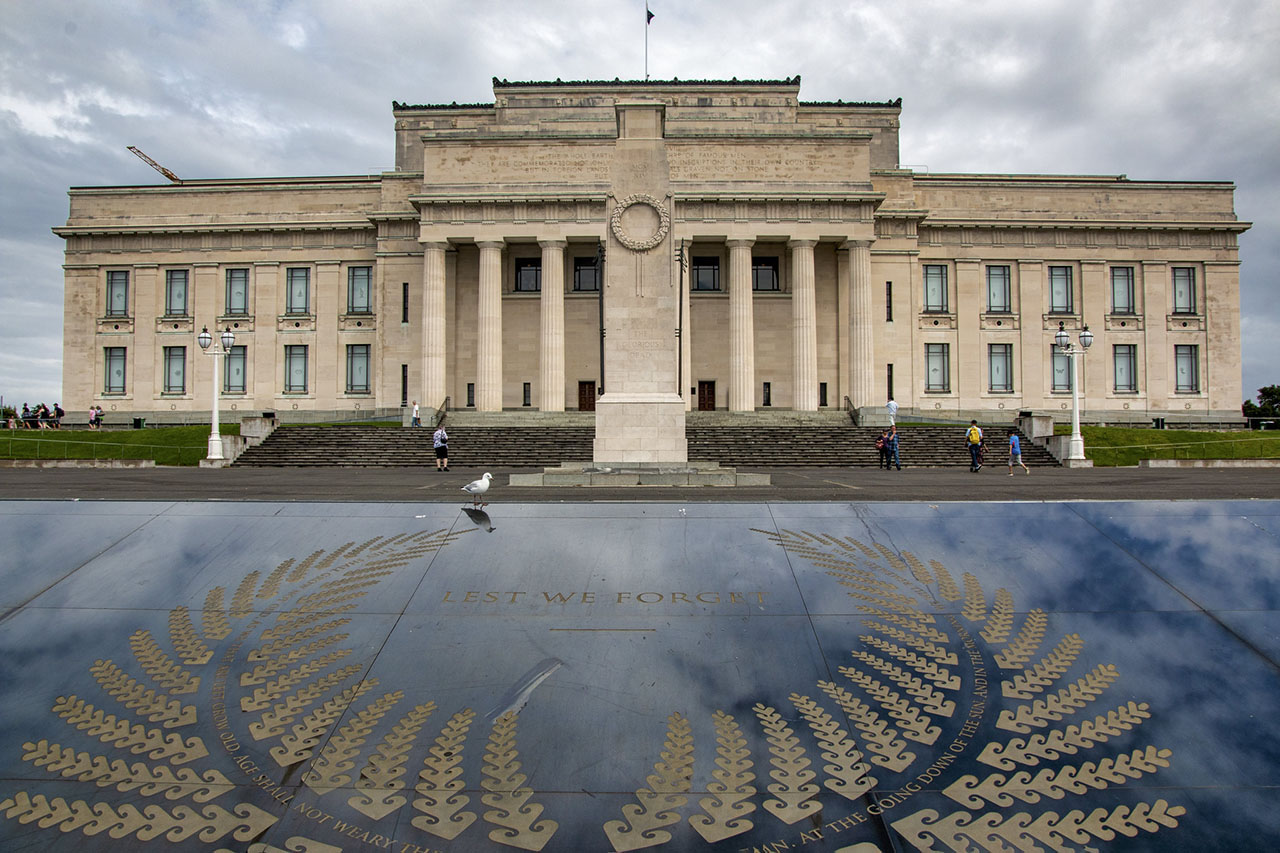
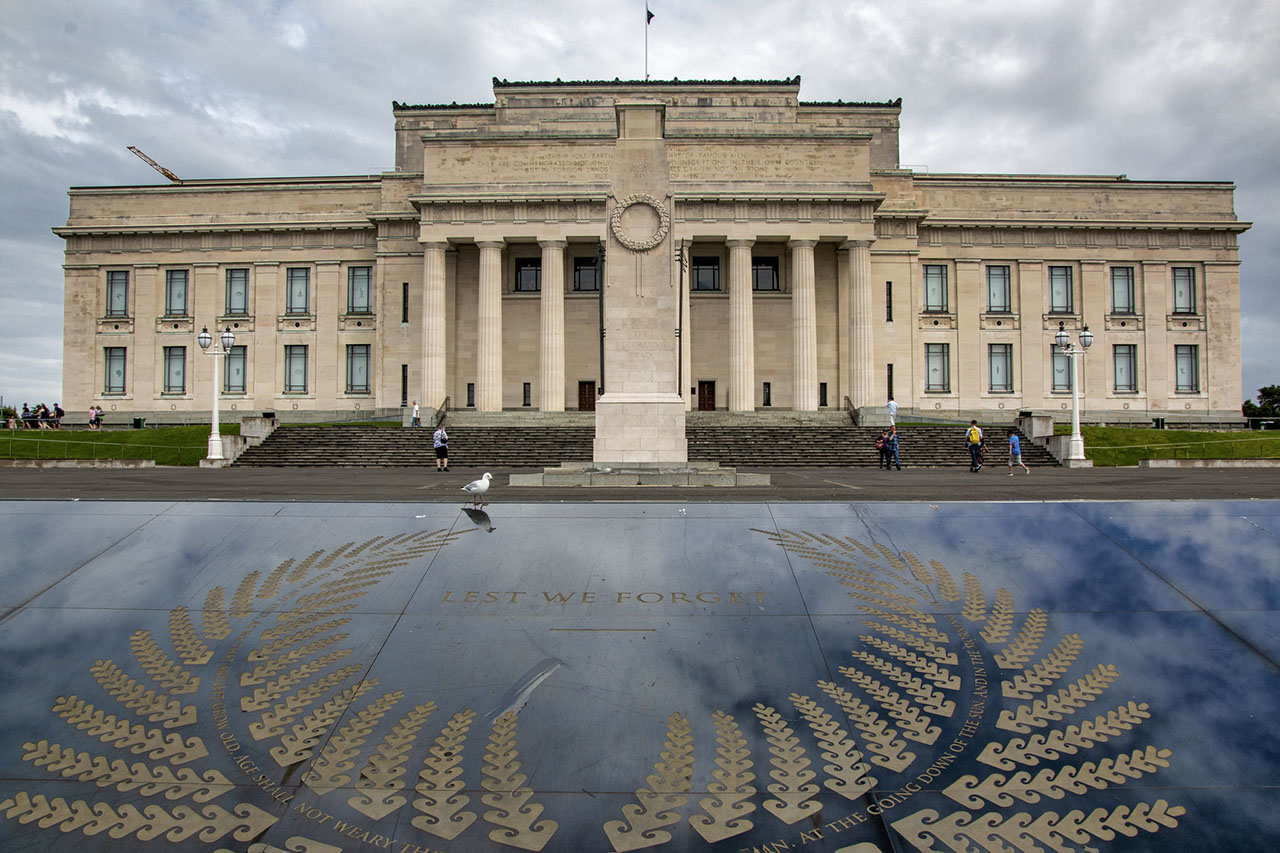
Auckland War Memorial Museum, Auckland Domain. CC BY-NC-SA 2.0 Image courtesy of www.flickr.com
Auckland War Memorial Museum
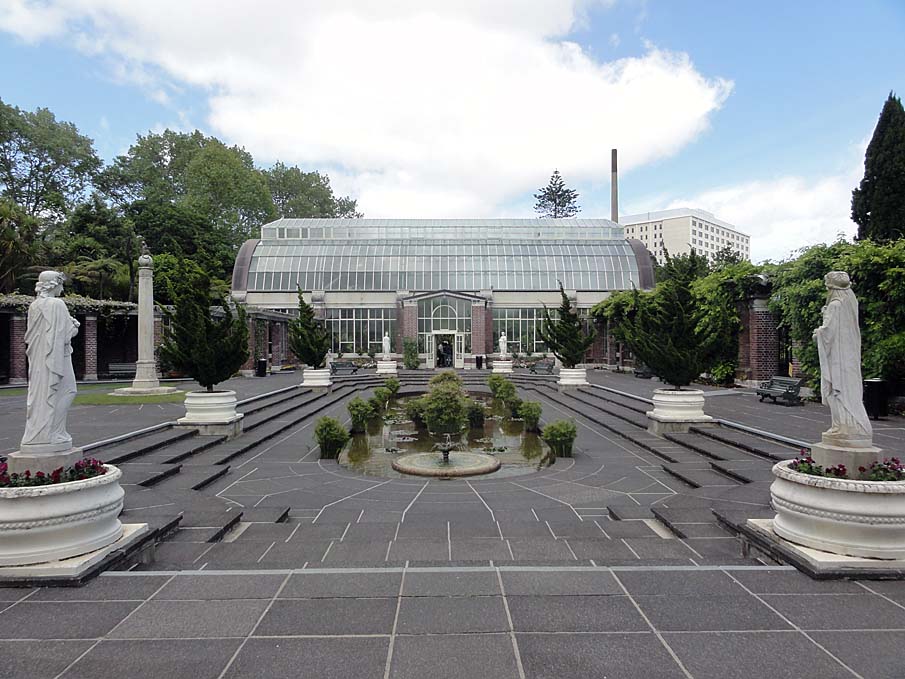
Domain Wintergardens, Auckland. CC BY-SA 3.0 Image courtesy of commons.wikimedia.org
Domain Wintergardens
Auckland War Memorial Museum, Auckland Domain. CC BY-NC-SA 2.0 Image courtesy of www.flickr.com
Auckland War Memorial Museum
Cenotaph, Auckland Domain, Auckland. CC BY-NC-SA 2.0 Image courtesy of www.flickr.com
Cenotaph
Domain Wintergardens, Auckland. CC BY-SA 3.0 Image courtesy of commons.wikimedia.org
Domain Wintergardens
Sign up to hear more

Get the latest heritage news, features and events delivered
straight to your inbox.

Subscribe