DonateMembershipVisit Heritage
  • Tūrangawaewae
    Places
  • Tira Māori
    Māori Heritage
  • Poutairangahia
    Archaeology
  • Rauemi
    Resources
  • Mō Tātou
    About Us
  • New Zealand Heritage List
  • Nominate and submit
  • Explore the List
  • National Historic Landmarks
  • Plaques
  • Rainbow List Project
  • Lost heritage
  • Visit Heritage
  • Our properties
  • Turnbull House Project
  • Collections
  • Shop
  • Tohu Whenua
  • Tira Māori
  • Conserving Māori heritage
  • Marae built heritage
  • Māori heritage on the List
  • Hinemihi—Te Hokinga Mai
  • What is archaeology?
  • Is there a site on my property?
  • What are my legal requirements?
  • Affecting an archaeological site
  • Declaring an archaeological site
  • Archaeology FAQs
  • Archaeology Digital Library
  • Archaeology guidelines and templates
  • Resources
  • Funding
  • Publications
  • Sustainable management guides
  • Disaster recovery
  • Podcasts & digital resources
  • Education Hub
  • Conservation plans
  • About
  • Board
  • Māori Heritage Council
  • Senior Staff
  • Offices
  • Contact us
  • Careers
  • Covenants
  • Fast-track
  • Corporate documents
  • Currently consulting on
  • Our submissions
  • News
  • Covid-19 response
Quick links
Rārangi Kōrero | The List
Explore the List
National Historic Landmarks
Ngā Manawhenua o Aotearoa me ōna Kōrero Tūturu
Quick links
Tapuwae
A Vision for Places of Māori Heritage
Funding for Māori Heritage
Resources
Quick links
Archaeological Authority Portal
Applying for an archaeological authority
Archaeology FAQs
Browse the most frequently asked questions about archaeological authorities and the archaeological process.
Quick links
Quick links
News
News Keep up to date with Heritage New Zealand Pouhere Taonga
Membership
Membership Find out more and sign up today
DonateMembershipVisit Heritage
  • Tūrangawaewae
    Places
  • Tira Māori
    Māori Heritage
  • Poutairangahia
    Archaeology
  • Rauemi
    Resources
  • Mō Tātou
    About Us
  • New Zealand Heritage List
  • Nominate and submit
  • Explore the List
  • National Historic Landmarks
  • Plaques
  • Rainbow List Project
  • Lost heritage
  • Visit Heritage
  • Our properties
  • Turnbull House Project
  • Collections
  • Shop
  • Tohu Whenua
  • Tira Māori
  • Conserving Māori heritage
  • Marae built heritage
  • Māori heritage on the List
  • Hinemihi—Te Hokinga Mai
  • What is archaeology?
  • Is there a site on my property?
  • What are my legal requirements?
  • Affecting an archaeological site
  • Declaring an archaeological site
  • Archaeology FAQs
  • Archaeology Digital Library
  • Archaeology guidelines and templates
  • Resources
  • Funding
  • Publications
  • Sustainable management guides
  • Disaster recovery
  • Podcasts & digital resources
  • Education Hub
  • Conservation plans
  • About
  • Board
  • Māori Heritage Council
  • Senior Staff
  • Offices
  • Contact us
  • Careers
  • Covenants
  • Fast-track
  • Corporate documents
  • Currently consulting on
  • Our submissions
  • News
  • Covid-19 response
Quick links
Rārangi Kōrero | The List
Explore the List
National Historic Landmarks
Ngā Manawhenua o Aotearoa me ōna Kōrero Tūturu
Quick links
Tapuwae
A Vision for Places of Māori Heritage
Funding for Māori Heritage
Resources
Quick links
Archaeological Authority Portal
Applying for an archaeological authority
Archaeology FAQs
Browse the most frequently asked questions about archaeological authorities and the archaeological process.
Quick links
Quick links
News
News Keep up to date with Heritage New Zealand Pouhere Taonga
Membership
Membership Find out more and sign up today
  • Nominate and submit
  • National Historic Landmarks
  • Nominate and submit
  • National Historic Landmarks
  • Conserving Māori heritage
  • Marae built heritage
  • Conserving Māori heritage
  • Marae built heritage
  • Archaeological authorities
  • Archaeology Digital Library
  • Archaeological authorities
  • Archaeology Digital Library
  • All resources
  • Publications
  • Funding
  • All resources
  • Publications
  • Funding
  • FAQs
  • FAQs
Follow us on:
Places
  • Nominate and submit
  • National Historic Landmarks
Tira Māori
  • Conserving Māori heritage
  • Marae built heritage
Archaeology
  • Archaeological authorities
  • Archaeology Digital Library
Resources
  • All resources
  • Publications
  • Funding
FAQs
  • FAQs
Follow us on
HomePrivacyTerms and conditionsAbout this site
© Heritage New Zealand Pouhere Taonga 2026.
 
Church of St John the Baptist (Anglican) and Churchyard

344 Te Ahu Ahu Road, WAIMATE NORTH

Private

Historic Place Category 1

List No. 64

Quick links:
List GalleryLocationDetails
The Church of St John the Baptist is a well-preserved example of timber Gothic Revival architecture, built during the latter stages of Church Missionary Society (CMS) involvement in New Zealand. Erected in 1870-1871, it sits within one of New Zealand's earliest churchyards, which is associated with two previous churches built on the site in 1831 and 1839. The churchyard and early chapels formed an integral part of the CMS station at Te Waimate, which had been established in 1830 as the first inland mission in New Zealand. The station was important for conveying new ideas on farming, education and religion to Maori in the Far North and subsequently witnessed an early signing of the Treaty of Waitangi on the 10th February 1840 (see 'Te Waimate Mission House, Waimate North'). As one of the earliest churches in New Zealand, the first chapel was the location of the earliest known Pakeha church wedding in New Zealand (1831). By 1832, its surrounding churchyard was in use, with initial burials including those of missionary children. After the construction of a replacement chapel in 1839, the associated mission station was temporarily used as a college by Bishop George Selwyn (1809-1878) in 1843-1844, and subsequently as a headquarters for the British army during the first New Zealand - or Northern - War (1845-1846), after which it lost support among Maori. The station gradually fell into disrepair, with the last missionary school closing down in 1868.

The current church was built as a replacement for the dilapidated 1839 chapel, but on a smaller scale. Unlike the previous structures, it was created for a largely Pakeha congregation, who had increasingly settled in the region. Although administered by the London-based CMS, the building was erected at the same time as the mission district was formed into an Anglican parish. It was opened in April 1871 by William Cowie (1831-1902), the first Bishop of Auckland, who was responsible for a period of Anglican expansion in the Auckland Diocese. Built at a cost of £374 by Woolle & Company, the church comprised a nave, chancel and steeple, as well as a transept on its northern side. The architect is believed to have been Marsden Clarke, a son of the Waimate missionary George Clarke (1798-1875) and brother of the first incumbent of the church Archdeacon E. Clarke (1831-1900). Its Gothic Revival design was similar to other CMS churches built from the 1850s, (see 'St Paul's Church, Hairini' and 'St John's Church, Te Awamutu'), but incorporated a board and batten exterior like Anglican churches in Auckland of the so-called Selwyn style, named after Bishop Selwyn. The building differed from the 'chapel' form of its 1839 predecessor, but retained references to its missionary origins by incorporating a pulpit, doors and other timber from the previous church. A timber Sunday School building was erected in the churchyard a few years later, in 1877.

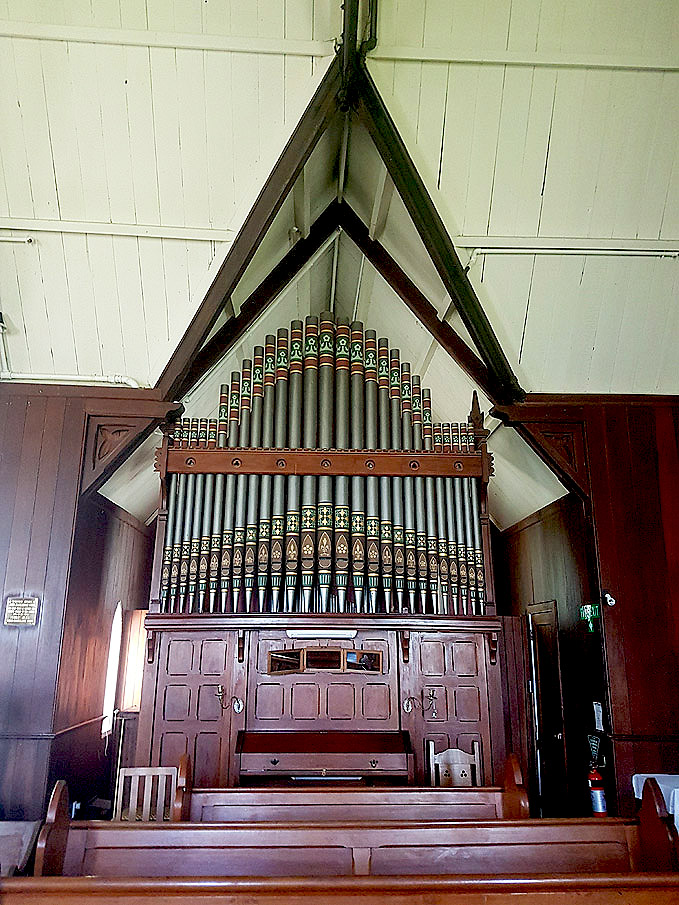
Both buildings survived the withdrawal of the CMS from New Zealand in 1892, having been transferred to the Anglican authorities in 1886. Modifications to the church interior included the installation of an organ imported from Bevington & Sons in London in 1885. In 1929-1930, a stone lychgate was erected to commemorate the centenary of the CMS mission. From 1942, the centre of church activities in the area moved to nearby Kaikohe, following the growth of that town. In the middle of the twentieth century, the Sunday School building was relocated from the churchyard to adjoining land between the church and Te Waimate Mission House. Servicing a small rural settlement, the church continues to be used for religious services, and retains most of its early fixtures and furnishings. The surrounding churchyard has been more substantially modified, but includes the graves of British soldiers killed in the first New Zealand War and those of prominent individuals such as George Clarke and his family. It contains both Maori and Pakeha grave markers and is surrounded by an 1878 picket fence.

The Church of St John the Baptist is significant for its links with the Church Missionary Society, and the organisation's later operations in New Zealand. It is important for reflecting the relationship between the CMS and the Anglican Church in the later nineteenth century, and an expansion of the Anglican ministry. The building is a product of important changes within colonial society, including the declining impact of missionary activity among Maori and the development of pastoral care for Pakeha settlers. It is connected with the lives of prominent individuals in New Zealand history, such as George Clarke and Bishop Cowie. It is also significant for its well-preserved interior - including an historic organ - which reflects nineteenth-century attitudes to liturgy, music and religion.

The surrounding burial ground is outstandingly important as one of New Zealand's earliest churchyards. Its grave markers and other elements contribute towards an understanding of burial, commemoration and other aspects of early colonial and later life. The site has considerable spiritual and symbolic value to both Maori and Pakeha, having been at the heart of Christian worship and commemoration in the district for well over 170 years. They are part of a broader cultural landscape, which incorporates other important structures, buried archaeological remains and historic trees, as well as wahi tapu. Closely associated structures include a Sunday School that originally stood in the churchyard, and the second-oldest building in the country - Te Waimate Mission House - which was used as the church vicarage in the later nineteenth century.
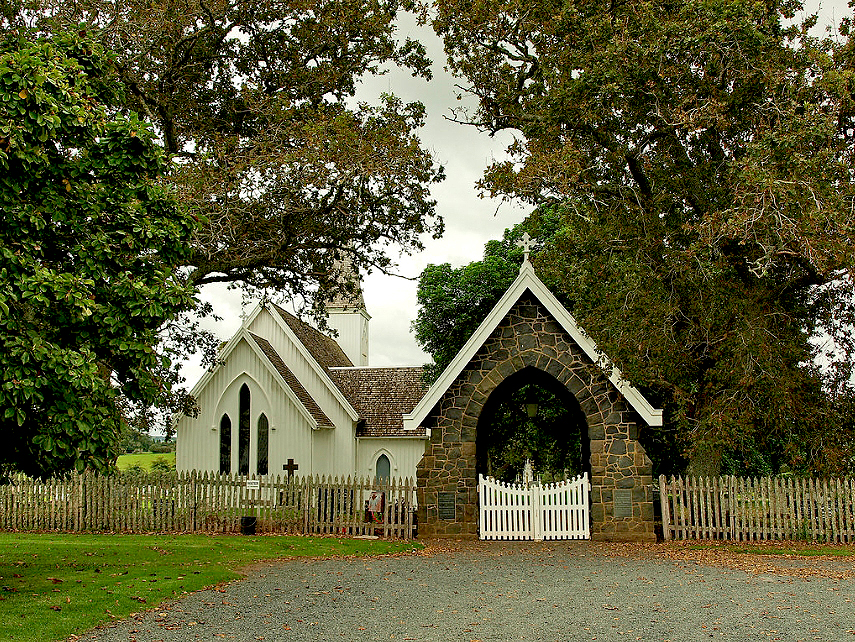
Church of St John the Baptist (Anglican) and Churchyard, Waimate North. Image courtesy of www.flickr.com. 1929-1930, a stone lychgate was erected to commemorate the centenary of the CMS mission | Joe Wallace | 24/03/2017 | Joe Wallace
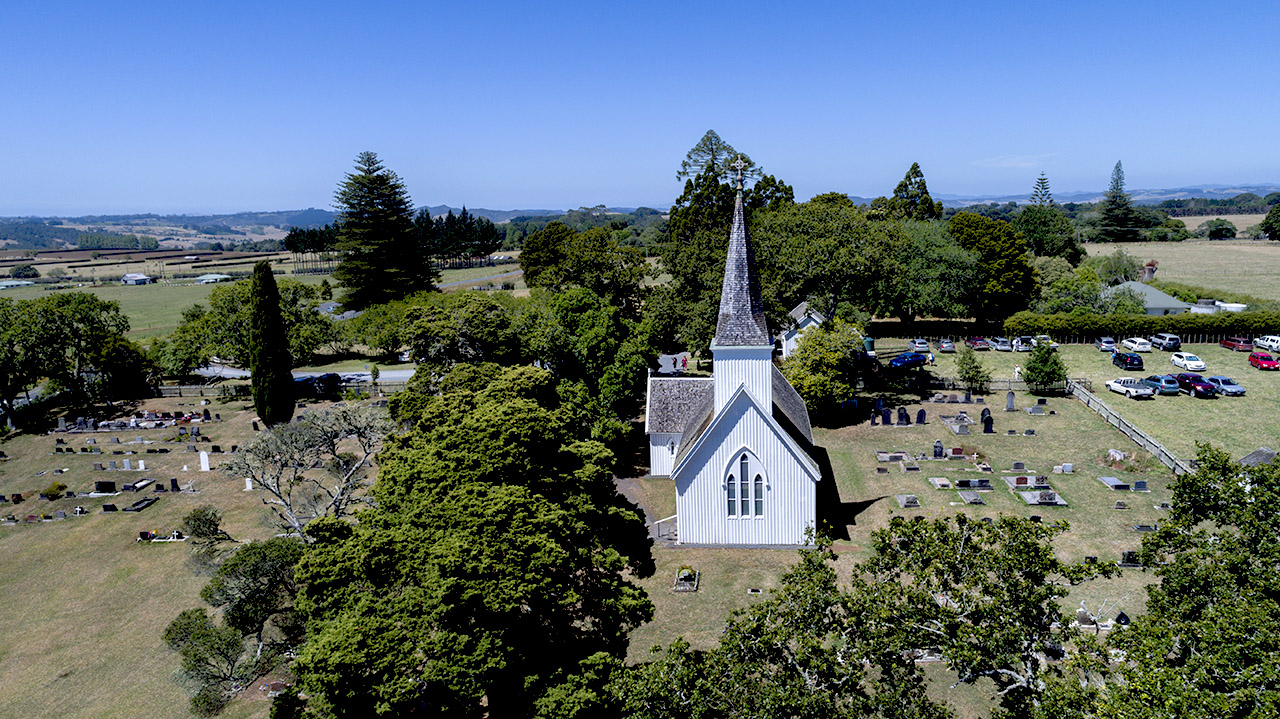
Church of St John the Baptist (Anglican) and Churchyard, Waimate North. Drone shot | Grant Sheehan | 06/02/2017 | Heritage New Zealand Pouhere Taonga
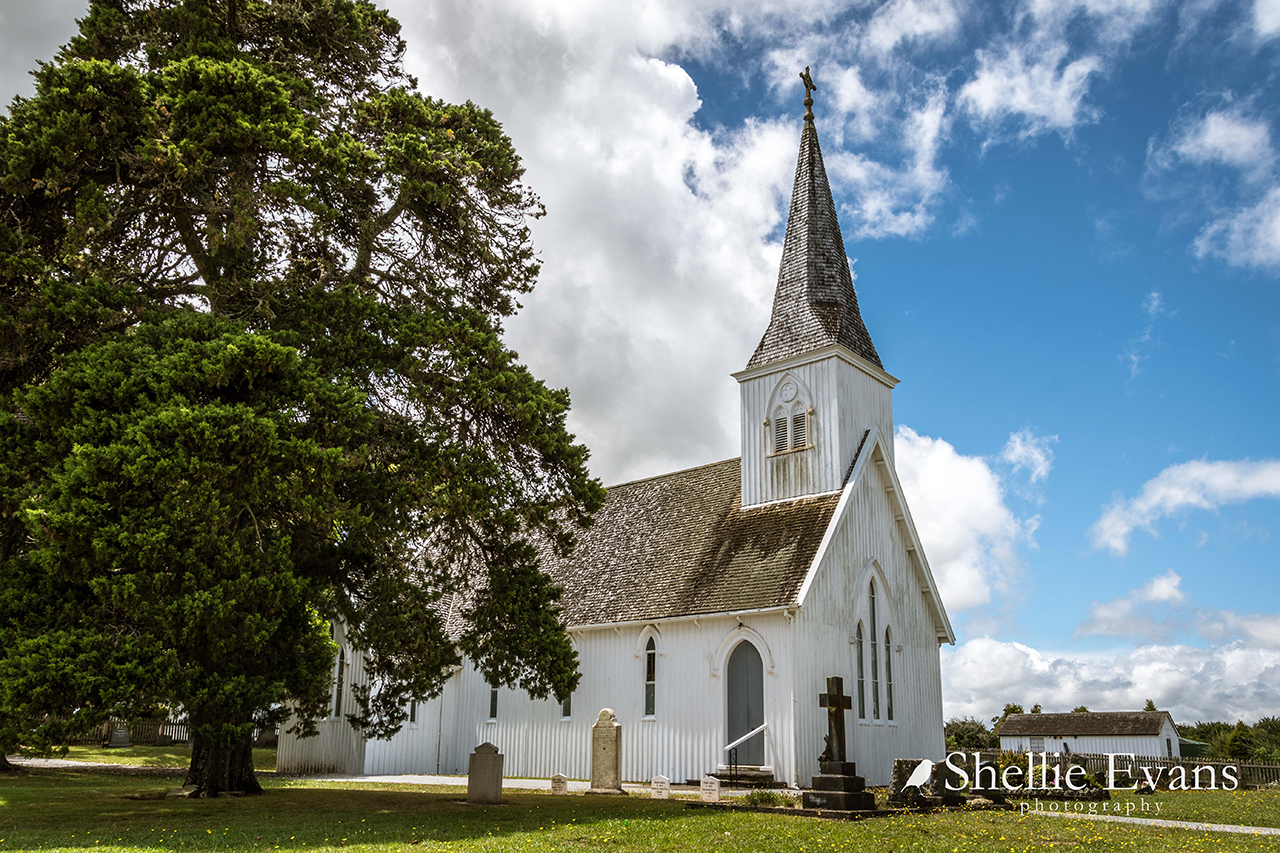
Church of St John the Baptist (Anglican) and Churchyard, Waimate North. CC BY-NC-ND 2.0 Image courtesy of www.flickr.com | Shellie Evans – flyingkiwigirl | 15/01/2019 | Shellie Evans
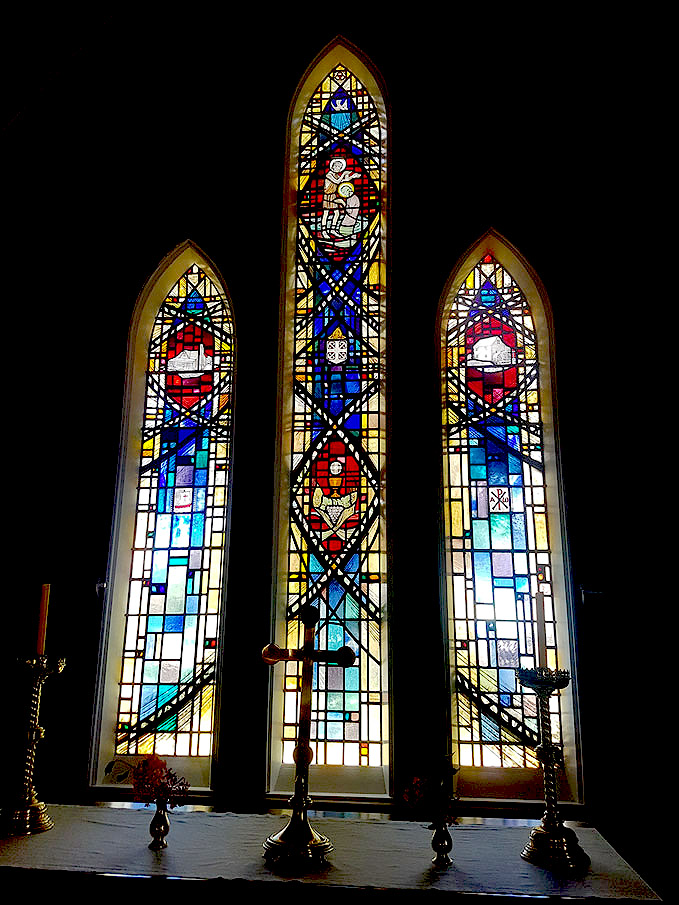
Church of St John the Baptist (Anglican) and Churchyard, Waimate North. Stained glass | Chris Horwell | 06/11/2018 | Heritage New Zealand Pouhere Taonga
Church of St John the Baptist (Anglican) and Churchyard, Waimate North. Church organ imported from Bevington & Sons in London in 1885 | Chris Horwell | 06/11/2018 | Heritage New Zealand Pouhere Taonga
Church of St John the Baptist (Anglican) and Churchyard, Waimate North. Image courtesy of www.flickr.com. 1929-1930, a stone lychgate was erected to commemorate the centenary of the CMS mission | Joe Wallace | 24/03/2017 | Joe Wallace
Church of St John the Baptist (Anglican) and Churchyard, Waimate North. Drone shot | Grant Sheehan | 06/02/2017 | Heritage New Zealand Pouhere Taonga
Church of St John the Baptist (Anglican) and Churchyard, Waimate North. CC BY-NC-ND 2.0 Image courtesy of www.flickr.com | Shellie Evans – flyingkiwigirl | 15/01/2019 | Shellie Evans
Church of St John the Baptist (Anglican) and Churchyard, Waimate North. Stained glass | Chris Horwell | 06/11/2018 | Heritage New Zealand Pouhere Taonga
Church of St John the Baptist (Anglican) and Churchyard, Waimate North. Church organ imported from Bevington & Sons in London in 1885 | Chris Horwell | 06/11/2018 | Heritage New Zealand Pouhere Taonga

List Entry Information

Overview

Status
Listed

List Entry Status
Historic Place Category 1

Access
Private/No Public Access

List Number
64

Date Entered
28th June 1984

Date of Effect
28th June 1984

City/District Council
Far North District

Region
Northland Region

Extent of List Entry

Extent includes the land described as Pt OLC 48 (RT NA767/277), North Auckland Land District and the structures known as Church of St John the Baptist (Anglican) and Churchyard (including picket fence and grave monuments and markers) thereon, and their fittings and fixtures. (Refer to map in Appendix 1 of the Information Upgrade report for further information). The registration also includes associated archaeological deposits.

Legal description

Pt OLC 48 (RT NA767/277), North Auckland Land District

Detailed List Entry

Construction Professional

Name

Clarke, Marsden

Type

Architect

Biography

No biography is currently available for this construction professional

Name

Woolle & Company

Type

Builder

Biography

No biography is currently available for this construction professional

Construction Details

Start Year

1831

Type

Other

Description

Site of first church

Start Year

1832

Type

Other

Description

Churchyard in use

Start Year

1839

Type

Other

Description

Site of second church

Start Year

1870

Finish Year

1871

Type

Original Construction

Description

Construction of Church of St John the Baptist

Start Year

1877

Type

Original Construction

Description

Sunday School erected

Start Year

1878

Type

Original Construction

Description

Picket fence erected

Start Year

1895

Finish Year

1897

Type

Modification

Description

Steeple repaired and reshingled

Start Year

1918

Finish Year

1919

Type

Modification

Description

Church re-roofed with corrugated iron

Start Year

1929

Finish Year

1930

Type

Original Construction

Description

Construction of stone lych-gate

Start Year

1950

Finish Year

1960

Type

Relocation

Description

Relocation of Sunday School building to adjoining land

Start Year

1969

Finish Year

1970

Type

Modification

Description

Repairs, including re-roofing of church with shingles and minor modifications to interior

Start Year

2001

Type

Modification

Description

Re-shingling of church roof, installation of fire sprinklers

Notable Features

Registration covers the church, its fixtures and finishes, including recent modifications. Registration also encompasses the churchyard, incorporating its picket fence and grave monuments and markers. The churchyard contains historic trees and archaeological deposits, including burials, of nineteenth-century date.

Reference

Public NZAA Number

P05/327

Completion Date

26th June 2008

Report Written By

Martin Jones and Joan McKenzie

Information Sources

Auckland Weekly News

Auckland Weekly News

Bedggood, 1950

W. E. Bedggood, A Brief History of St John Baptist Church 1831-1950: Te Waimate, Kaikohe, 1950

Davidson, 1993

Allan K. Davidson, Selwyn's Legacy: The College of St John the Evangelist Te Waimate and Auckland 1843-1992 - A History, Auckland, 1993

Jones, 1994

Kevin L. Jones, Nga Tohuwhenua mai te Rangi: A New Zealand Archaeology in Aerial Photographs, Wellington, 1994

Matthews and Matthews Architects Ltd, 1999

Jane and Antony Matthews, 'Saint John the Baptist, Waimate North, Condition Report', Auckland, 1999 (held by NZHPT, Auckland)

Standish, 1962

M. W. Standish, The Waimate Mission Station, Wellington, 1962

Historic Places in New Zealand

Historic Places in New Zealand

Porter, 1983 (2)

Frances Porter (ed.), Historic Buildings of New Zealand: North Island (2nd edn.), Auckland, 1983

Report Written By

This place was identified as significant under previous legislation with different information requirements. It remains significant under the current legislation. There is opportunity under our legislation and policies to add to this information. Further information about this place may be available from the Northland Office of Heritage New Zealand Pouhere Taonga. A copy of the original report is available from the NZHPT Northern Region office. Please note that entry on the New Zealand Heritage List/Rarangi Korero identifies only the heritage values of the property concerned, and should not be construed as advice on the state of the property, or as a comment of its soundness or safety, including in regard to earthquake risk, safety in the event of fire, or insanitary conditions.

Further Information

Current Usages

Uses: Civic Facilities

Specific Usage: Wall/Fence

Uses: Funerary Sites

Specific Usage: Cemetery/Graveyard/Burial Ground

Uses: Funerary Sites

Specific Usage: Grave surrounds/ railing

Uses: Funerary Sites

Specific Usage: Headstone

Uses: Religion

Specific Usage: Church

Uses: Religion

Specific Usage: Churchyard

Former Usages

General Usage:: Civic Facilities

Specific Usage: Wall/Fence

General Usage:: Funerary Sites

Specific Usage: Cemetery/Graveyard/Burial Ground

General Usage:: Funerary Sites

Specific Usage: Grave surrounds/ railing

General Usage:: Funerary Sites

Specific Usage: Headstone

General Usage:: Religion

Specific Usage: Church

General Usage:: Religion

Specific Usage: Churchyard

Themes

Web Links

Overview

Status

Listed

List Entry Status

Historic Place Category 1

Access

Private/No Public Access

List Number

64

Date Entered

28th June 1984

Date of Effect

28th June 1984

City/District Council

Far North District

Region

Northland Region

Extent of List Entry

Extent includes the land described as Pt OLC 48 (RT NA767/277), North Auckland Land District and the structures known as Church of St John the Baptist (Anglican) and Churchyard (including picket fence and grave monuments and markers) thereon, and their fittings and fixtures. (Refer to map in Appendix 1 of the Information Upgrade report for further information). The registration also includes associated archaeological deposits.

Legal description

Pt OLC 48 (RT NA767/277), North Auckland Land District

Status

Listed

List Entry Status

Historic Place Category 1

Access

Private/No Public Access

List Number

64

Date Entered

28th June 1984

Date of Effect

28th June 1984

City/District Council

Far North District

Region

Northland Region

Extent of List Entry

Extent includes the land described as Pt OLC 48 (RT NA767/277), North Auckland Land District and the structures known as Church of St John the Baptist (Anglican) and Churchyard (including picket fence and grave monuments and markers) thereon, and their fittings and fixtures. (Refer to map in Appendix 1 of the Information Upgrade report for further information). The registration also includes associated archaeological deposits.

Legal description

Pt OLC 48 (RT NA767/277), North Auckland Land District

Construction Information

Construction Professional

Name

Clarke, Marsden

Type

Architect

Biography

No biography is currently available for this construction professional

Name

Woolle & Company

Type

Builder

Biography

No biography is currently available for this construction professional

Construction Details

Start Year

1831

Type

Other

Description

Site of first church

Start Year

1832

Type

Other

Description

Churchyard in use

Start Year

1839

Type

Other

Description

Site of second church

Start Year

1870

Finish Year

1871

Type

Original Construction

Description

Construction of Church of St John the Baptist

Start Year

1877

Type

Original Construction

Description

Sunday School erected

Start Year

1878

Type

Original Construction

Description

Picket fence erected

Start Year

1895

Finish Year

1897

Type

Modification

Description

Steeple repaired and reshingled

Start Year

1918

Finish Year

1919

Type

Modification

Description

Church re-roofed with corrugated iron

Start Year

1929

Finish Year

1930

Type

Original Construction

Description

Construction of stone lych-gate

Start Year

1950

startYearCirca

Finish Year

1960

finishYearCirca

Type

Relocation

Description

Relocation of Sunday School building to adjoining land

Start Year

1969

Finish Year

1970

Type

Modification

Description

Repairs, including re-roofing of church with shingles and minor modifications to interior

Start Year

2001

Type

Modification

Description

Re-shingling of church roof, installation of fire sprinklers

Notable Features

Registration covers the church, its fixtures and finishes, including recent modifications. Registration also encompasses the churchyard, incorporating its picket fence and grave monuments and markers. The churchyard contains historic trees and archaeological deposits, including burials, of nineteenth-century date.

Construction Professional

Name

Clarke, Marsden

Type

Architect

Biography

No biography is currently available for this construction professional

Name

Woolle & Company

Type

Builder

Biography

No biography is currently available for this construction professional

Construction Details

Start Year

1831

Type

Other

Description

Site of first church

Start Year

1832

Type

Other

Description

Churchyard in use

Start Year

1839

Type

Other

Description

Site of second church

Start Year

1870

Finish Year

1871

Type

Original Construction

Description

Construction of Church of St John the Baptist

Start Year

1877

Type

Original Construction

Description

Sunday School erected

Start Year

1878

Type

Original Construction

Description

Picket fence erected

Start Year

1895

Finish Year

1897

Type

Modification

Description

Steeple repaired and reshingled

Start Year

1918

Finish Year

1919

Type

Modification

Description

Church re-roofed with corrugated iron

Start Year

1929

Finish Year

1930

Type

Original Construction

Description

Construction of stone lych-gate

Start Year

1950

startYearCirca

Finish Year

1960

finishYearCirca

Type

Relocation

Description

Relocation of Sunday School building to adjoining land

Start Year

1969

Finish Year

1970

Type

Modification

Description

Repairs, including re-roofing of church with shingles and minor modifications to interior

Start Year

2001

Type

Modification

Description

Re-shingling of church roof, installation of fire sprinklers

Notable Features

Registration covers the church, its fixtures and finishes, including recent modifications. Registration also encompasses the churchyard, incorporating its picket fence and grave monuments and markers. The churchyard contains historic trees and archaeological deposits, including burials, of nineteenth-century date.

Reference

Historical and Associated Iwi / Hapū / Whānau

Public NZAA Number

P05/327

Completion Date

26th June 2008

Report Written By

Martin Jones and Joan McKenzie

Information Sources

Auckland Weekly News

Auckland Weekly News

Bedggood, 1950

W. E. Bedggood, A Brief History of St John Baptist Church 1831-1950: Te Waimate, Kaikohe, 1950

Davidson, 1993

Allan K. Davidson, Selwyn's Legacy: The College of St John the Evangelist Te Waimate and Auckland 1843-1992 - A History, Auckland, 1993

Jones, 1994

Kevin L. Jones, Nga Tohuwhenua mai te Rangi: A New Zealand Archaeology in Aerial Photographs, Wellington, 1994

Matthews and Matthews Architects Ltd, 1999

Jane and Antony Matthews, 'Saint John the Baptist, Waimate North, Condition Report', Auckland, 1999 (held by NZHPT, Auckland)

Standish, 1962

M. W. Standish, The Waimate Mission Station, Wellington, 1962

Historic Places in New Zealand

Historic Places in New Zealand

Porter, 1983 (2)

Frances Porter (ed.), Historic Buildings of New Zealand: North Island (2nd edn.), Auckland, 1983

Other Information

This place was identified as significant under previous legislation with different information requirements. It remains significant under the current legislation. There is opportunity under our legislation and policies to add to this information. Further information about this place may be available from the Northland Office of Heritage New Zealand Pouhere Taonga. A copy of the original report is available from the NZHPT Northern Region office. Please note that entry on the New Zealand Heritage List/Rarangi Korero identifies only the heritage values of the property concerned, and should not be construed as advice on the state of the property, or as a comment of its soundness or safety, including in regard to earthquake risk, safety in the event of fire, or insanitary conditions.

Historical and Associated Iwi / Hapū / Whānau

Public NZAA Number

P05/327

Completion Date

26th June 2008

Report Written By

Martin Jones and Joan McKenzie

Information Sources

Auckland Weekly News

Auckland Weekly News

Bedggood, 1950

W. E. Bedggood, A Brief History of St John Baptist Church 1831-1950: Te Waimate, Kaikohe, 1950

Davidson, 1993

Allan K. Davidson, Selwyn's Legacy: The College of St John the Evangelist Te Waimate and Auckland 1843-1992 - A History, Auckland, 1993

Jones, 1994

Kevin L. Jones, Nga Tohuwhenua mai te Rangi: A New Zealand Archaeology in Aerial Photographs, Wellington, 1994

Matthews and Matthews Architects Ltd, 1999

Jane and Antony Matthews, 'Saint John the Baptist, Waimate North, Condition Report', Auckland, 1999 (held by NZHPT, Auckland)

Standish, 1962

M. W. Standish, The Waimate Mission Station, Wellington, 1962

Historic Places in New Zealand

Historic Places in New Zealand

Porter, 1983 (2)

Frances Porter (ed.), Historic Buildings of New Zealand: North Island (2nd edn.), Auckland, 1983

Other Information

This place was identified as significant under previous legislation with different information requirements. It remains significant under the current legislation. There is opportunity under our legislation and policies to add to this information. Further information about this place may be available from the Northland Office of Heritage New Zealand Pouhere Taonga. A copy of the original report is available from the NZHPT Northern Region office. Please note that entry on the New Zealand Heritage List/Rarangi Korero identifies only the heritage values of the property concerned, and should not be construed as advice on the state of the property, or as a comment of its soundness or safety, including in regard to earthquake risk, safety in the event of fire, or insanitary conditions.

Further Information

Current Usages

Uses: Civic Facilities

Specific Usage: Wall/Fence

Uses: Funerary Sites

Specific Usage: Cemetery/Graveyard/Burial Ground

Uses: Funerary Sites

Specific Usage: Grave surrounds/ railing

Uses: Funerary Sites

Specific Usage: Headstone

Uses: Religion

Specific Usage: Church

Uses: Religion

Specific Usage: Churchyard

Former Usages

General Usage: Civic Facilities

Specific Usage: Wall/Fence

General Usage: Funerary Sites

Specific Usage: Cemetery/Graveyard/Burial Ground

General Usage: Funerary Sites

Specific Usage: Grave surrounds/ railing

General Usage: Funerary Sites

Specific Usage: Headstone

General Usage: Religion

Specific Usage: Church

General Usage: Religion

Specific Usage: Churchyard

Current Usages

Uses: Civic Facilities

Specific Usage: Wall/Fence

Uses: Funerary Sites

Specific Usage: Cemetery/Graveyard/Burial Ground

Uses: Funerary Sites

Specific Usage: Grave surrounds/ railing

Uses: Funerary Sites

Specific Usage: Headstone

Uses: Religion

Specific Usage: Church

Uses: Religion

Specific Usage: Churchyard

Former Usages

General Usage: Civic Facilities

Specific Usage: Wall/Fence

General Usage: Funerary Sites

Specific Usage: Cemetery/Graveyard/Burial Ground

General Usage: Funerary Sites

Specific Usage: Grave surrounds/ railing

General Usage: Funerary Sites

Specific Usage: Headstone

General Usage: Religion

Specific Usage: Church

General Usage: Religion

Specific Usage: Churchyard

Location

Loading
Related listings
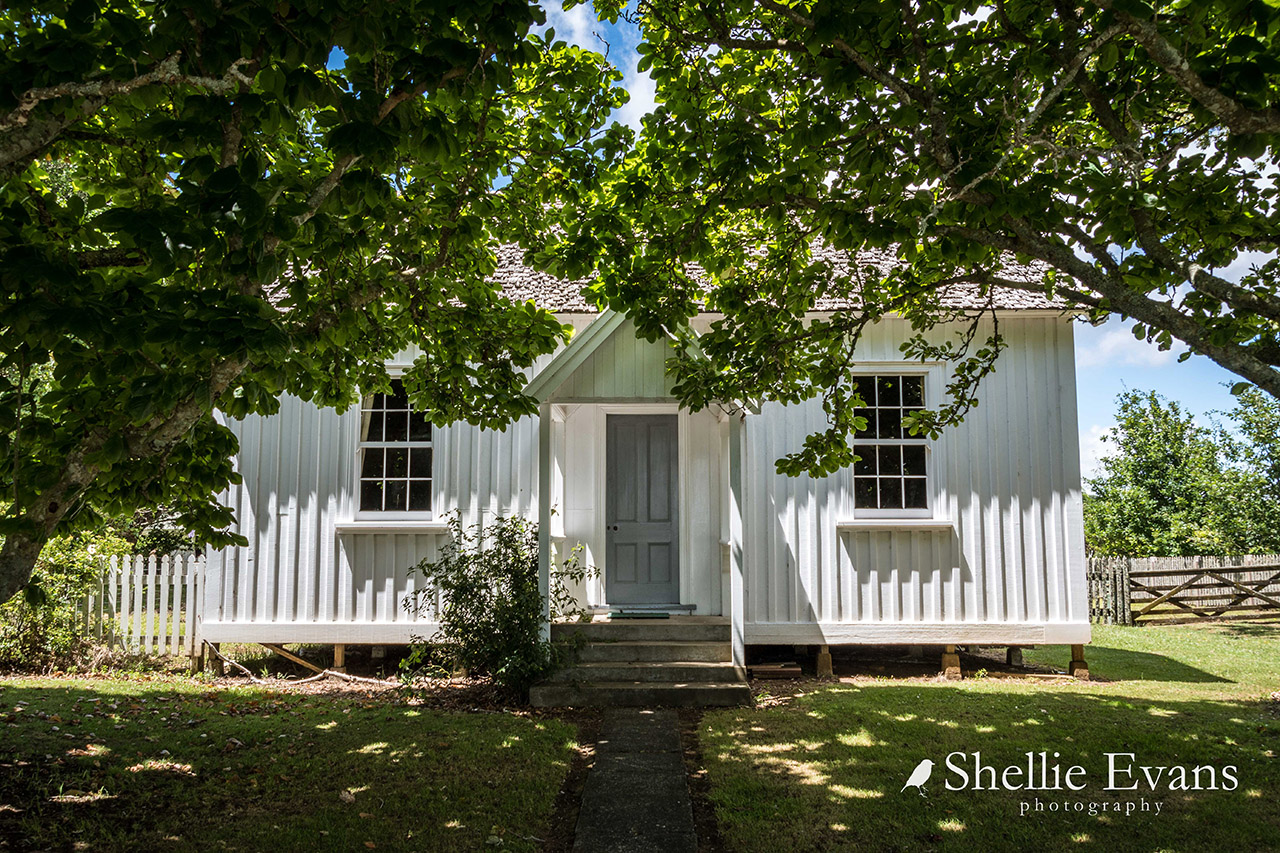
Church of St John the Baptist Sunday School (Anglican), Waimate North. CC BY-NC-ND 2.0 Image courtesy of www.flickr.com
Church of St John the Baptist Sunday School (Anglican)
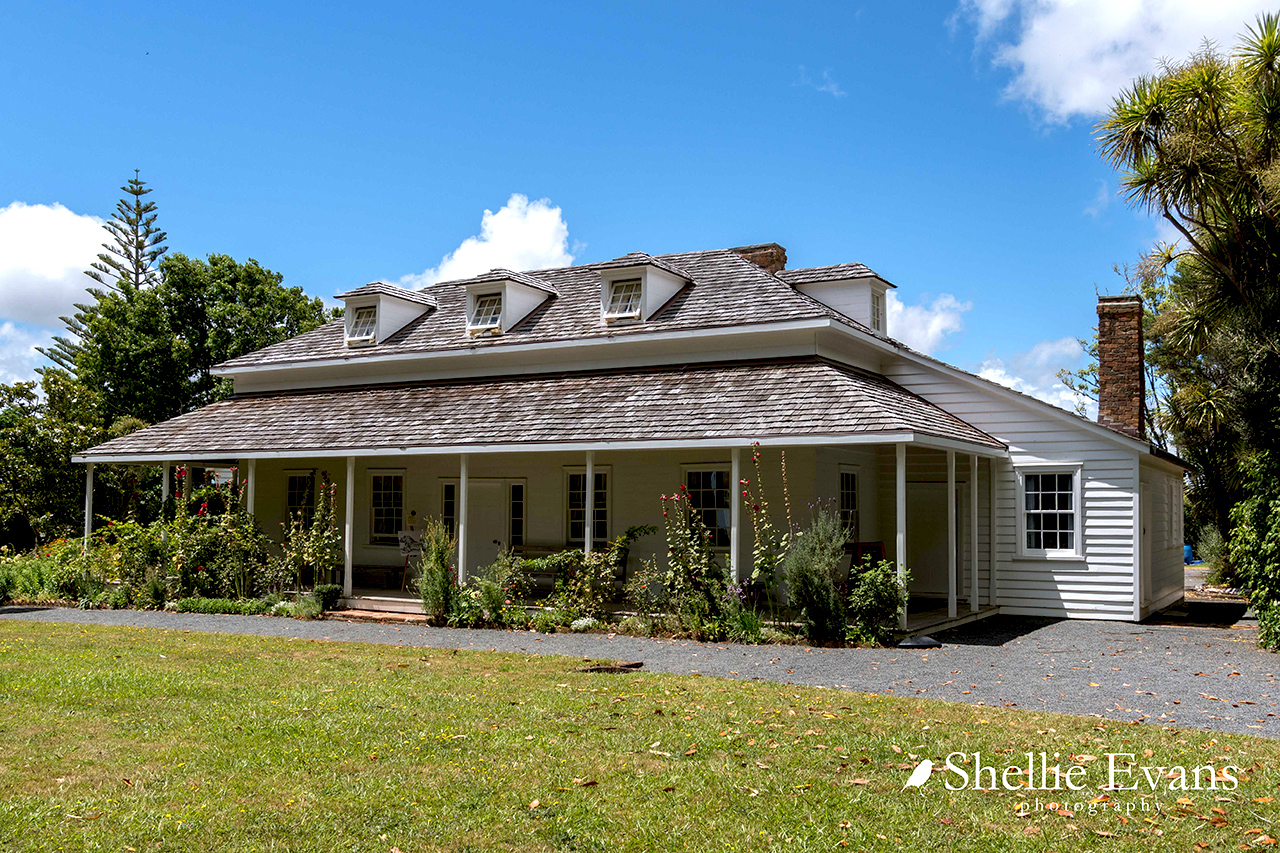
Te Waimate Mission House, Waimate North. CC BY-NC-ND 2.0 Image courtesy of www.flickr.com
Te Waimate Mission House
Te Waimate Mission House, Waimate North. CC BY-NC-ND 2.0 Image courtesy of www.flickr.com
Te Waimate Mission House
Church of St John the Baptist Sunday School (Anglican), Waimate North. CC BY-NC-ND 2.0 Image courtesy of www.flickr.com
Church of St John the Baptist Sunday School (Anglican)
Stay up to date with Heritage this month