

Gold was first discovered on the Arrow in 1862 by William Fox. In the same year the field was opened and miners poured into the region, many from Victoria, Australia. During the goldrush years the total population of the Shotover and Arrow districts was estimated at about 3000.
The Arrow township (originally called Fox's) was established and Fox settled down as proprietor of the 'Golden Age' hotel. In the first year there was the difficulty of access to this remote area and problems with lawlessness but after the establishment of the warden's office the township settled down and took on a more orderly and permanent character. Like other goldfields in Central Otago, Arrowtown grew rapidly. However a big flood in 1863 completely submerged the town resulting in the its relocation and creation of a new main street - Buckingham St. In the early years accommodation for the miners consisted merely of calico tents but this gradually changed with the erection of more permanent structures of timber and iron. At the end of 1864 Arrow contained 19 wholesale and retail stores, 10 hotels and several private dwellings. In 1867 the avenue of English deciduous trees that still line Buckingham St were planted. Arrowtown was constituted a borough in 1867 and was declared a municipality on 14 January, 1874.
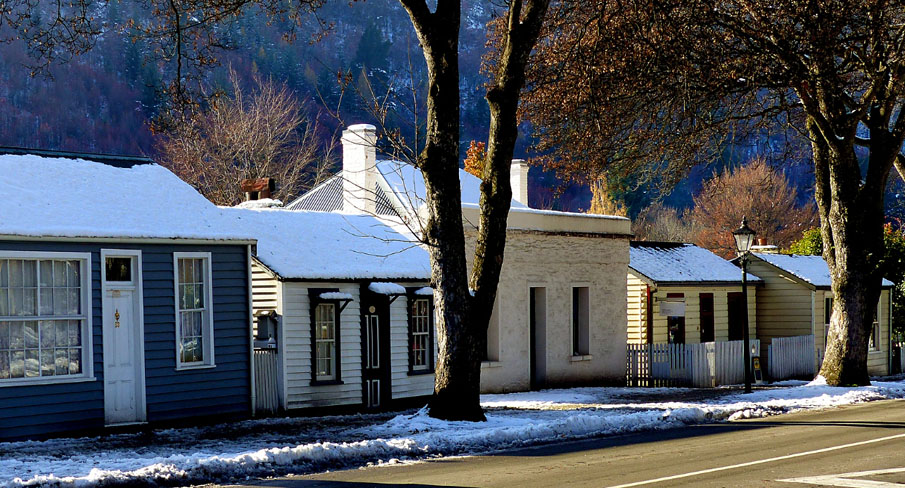
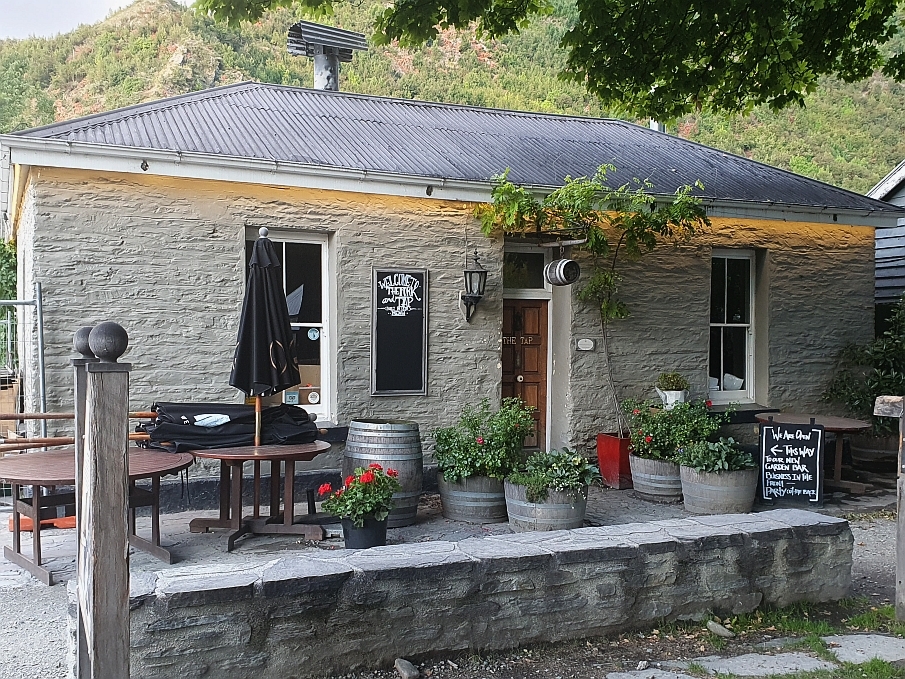
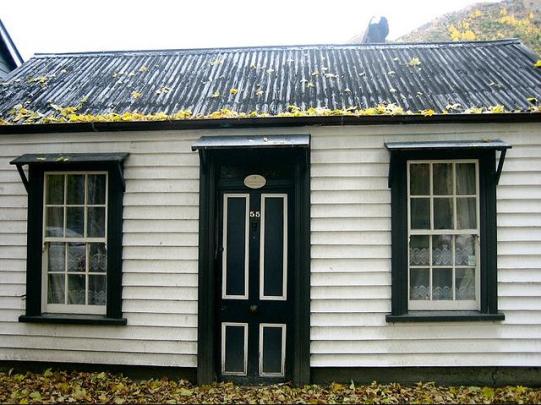
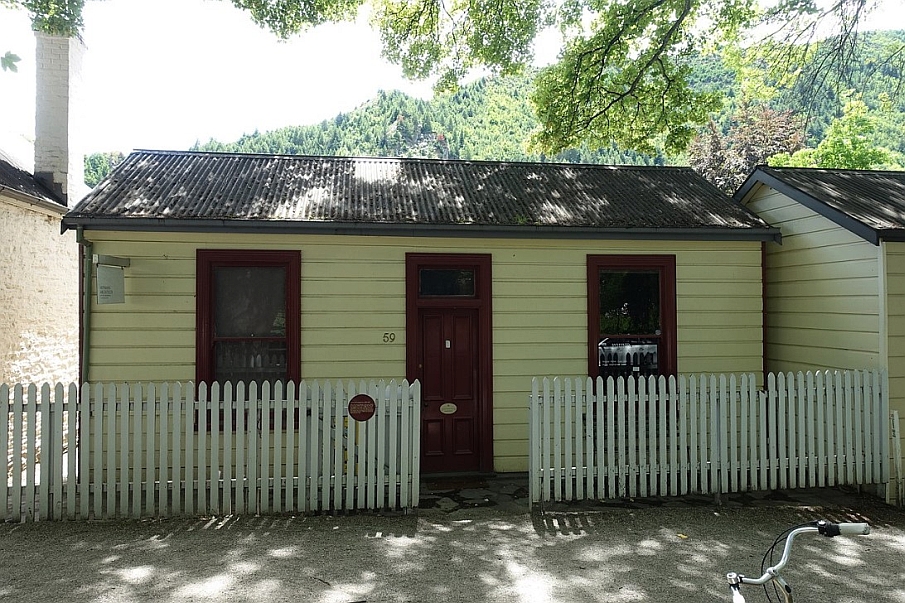
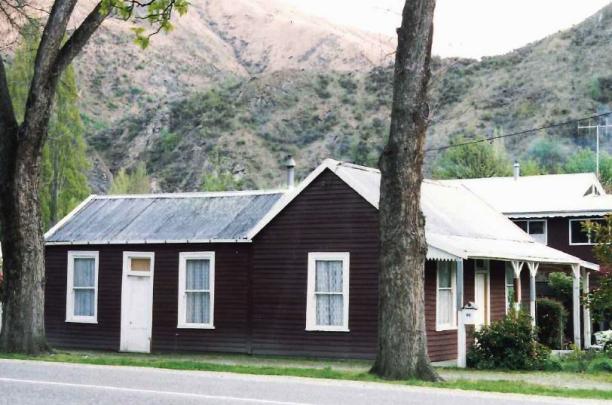
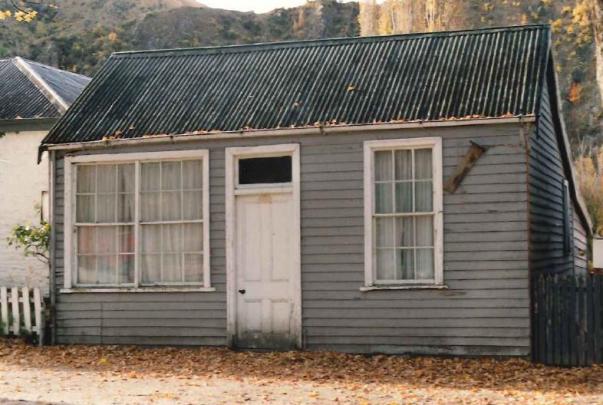
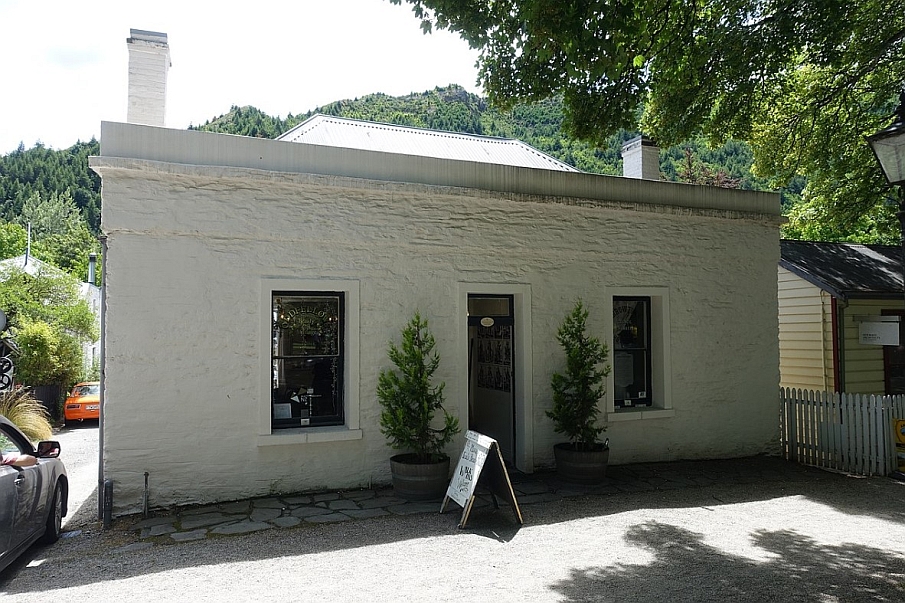
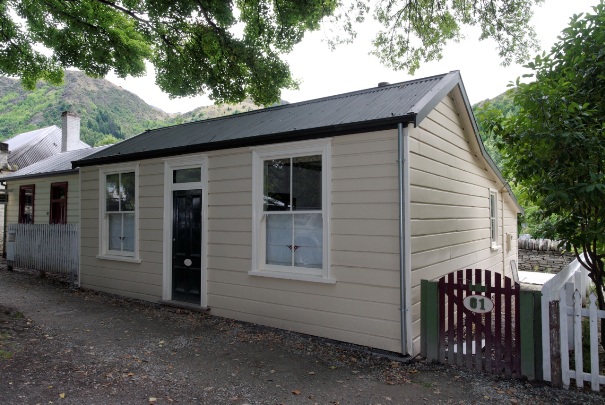
When the goldrush ended the town's economy centred on wheat and cereals grown in the vicinity. Today the town is a popular tourist attraction providing information on its goldmining past. Buckingham St still features a significant group of heritage buildings dating back to the 1870's including a former bank and the original Oddfellows lodge which was later owned by the Borough Council (both constructed of stone) and a number of small timber miners' cottages.
List Entry Information
Status
Listed
List Entry Status
Historic Area
Access
Private/No Public Access
List Number
7071
Date Entered
28th April 1995
Date of Effect
28th April 1995
City/District Council
Queenstown-Lakes District
Region
Otago Region
Extent of List Entry
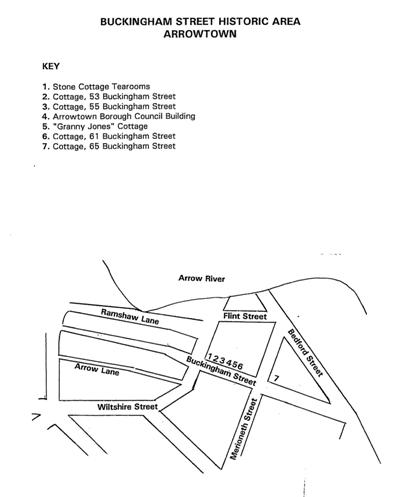
The area comprises seven buildings along Buckingham St from the Stone Cottage Tearooms to 65 Buckingham Street.
Status
Listed
List Entry Status
Historic Area
Access
Private/No Public Access
List Number
7071
Date Entered
28th April 1995
Date of Effect
28th April 1995
City/District Council
Queenstown-Lakes District
Region
Otago Region
Extent of List Entry
The area comprises seven buildings along Buckingham St from the Stone Cottage Tearooms to 65 Buckingham Street.
Why is this place significant?
Cultural Significance
This historic area was registered under the Historic Places Act 1993. This report includes text from the original Recommendation for Registration considered by the NZHPT Board at the time of registration. Cultural/Social: The cottages are representative of the type of accommodation available to miners and their families during the Central Otago goldrush years. Prior to that temporary shelter consisted of calico tents. The construction of more permanent structures illustrate the confidence and growth of the new township once it was declared a municipality in 1874.
Historic Significance
Historical Significance or Value This historic area was registered under the Historic Places Act 1993. This report includes text from the original Recommendation for Registration considered by the NZHPT Board at the time of registration. Arrowtown was established in the early 1860's during the Central Otago goldrush. These buildings (constructed in the 1870's) along Buckingham St are plain and functional, typical of a nineteenth century New Zealand mining town.
Physical Significance
This historic area was registered under the Historic Places Act 1993. This report includes text from the original Recommendation for Registration considered by the NZHPT Board at the time of registration. Architectural: The buildings within the Buckingham St area appear largely unaltered from their exteriors and, as a group, are representative of goldrush architecture. Their designs are plain and functional and would have been relatively cheap and easy to erect. Aesthetic: Buckingham St still serves as Arrowtown's main thoroughfare. The miners' cottages and small stone buildings are similar in size, scale and age. This uninterrupted 1870's streetscape lined with historic trees has great aesthetic appeal. The former bank, Oddfellows lodge and small miners' cottages provide important links to Arrowtown's gold mining past and social history. These buildings that line the main street (Buckingham St) of the town have considerable group/streetscape significance and aesthetic appeal.
Why is this place significant?
Cultural Significance
This historic area was registered under the Historic Places Act 1993. This report includes text from the original Recommendation for Registration considered by the NZHPT Board at the time of registration. Cultural/Social: The cottages are representative of the type of accommodation available to miners and their families during the Central Otago goldrush years. Prior to that temporary shelter consisted of calico tents. The construction of more permanent structures illustrate the confidence and growth of the new township once it was declared a municipality in 1874.
Historic Significance
Historical Significance or Value This historic area was registered under the Historic Places Act 1993. This report includes text from the original Recommendation for Registration considered by the NZHPT Board at the time of registration. Arrowtown was established in the early 1860's during the Central Otago goldrush. These buildings (constructed in the 1870's) along Buckingham St are plain and functional, typical of a nineteenth century New Zealand mining town.
Physical Significance
This historic area was registered under the Historic Places Act 1993. This report includes text from the original Recommendation for Registration considered by the NZHPT Board at the time of registration. Architectural: The buildings within the Buckingham St area appear largely unaltered from their exteriors and, as a group, are representative of goldrush architecture. Their designs are plain and functional and would have been relatively cheap and easy to erect. Aesthetic: Buckingham St still serves as Arrowtown's main thoroughfare. The miners' cottages and small stone buildings are similar in size, scale and age. This uninterrupted 1870's streetscape lined with historic trees has great aesthetic appeal. The former bank, Oddfellows lodge and small miners' cottages provide important links to Arrowtown's gold mining past and social history. These buildings that line the main street (Buckingham St) of the town have considerable group/streetscape significance and aesthetic appeal.
Historical and Associated Iwi / Hapū / Whānau
Information Sources
Miller, 1973
F.W.G Miller, Golden Days of Lake County, 5th edn, Christchurch, 1973
Glasson, 1975
H A Glasson, The Golden Cobweb - A Saga of the Otago Goldfields, 1957
Other Information
A copy of the original report is available from the NZHPT Southern region office. Please note that entry on the New Zealand Heritage List/Rarangi Korero identifies only the heritage values of the property concerned, and should not be construed as advice on the state of the property, or as a comment of its soundness or safety, including in regard to earthquake risk, safety in the event of fire, or insanitary conditions.
Historical and Associated Iwi / Hapū / Whānau
Information Sources
Miller, 1973
F.W.G Miller, Golden Days of Lake County, 5th edn, Christchurch, 1973
Glasson, 1975
H A Glasson, The Golden Cobweb - A Saga of the Otago Goldfields, 1957
Other Information
A copy of the original report is available from the NZHPT Southern region office. Please note that entry on the New Zealand Heritage List/Rarangi Korero identifies only the heritage values of the property concerned, and should not be construed as advice on the state of the property, or as a comment of its soundness or safety, including in regard to earthquake risk, safety in the event of fire, or insanitary conditions.
Former Usages
General Usage: Accommodation
Specific Usage: House
General Usage: Civic Facilities
Specific Usage: Masonic Lodge
General Usage: Finance
Specific Usage: Bank
General Usage: Government
Specific Usage: Council/local government building
General Usage: Trade
Specific Usage: Shop
Former Usages
General Usage: Accommodation
Specific Usage: House
General Usage: Civic Facilities
Specific Usage: Masonic Lodge
General Usage: Finance
Specific Usage: Bank
General Usage: Government
Specific Usage: Council/local government building
General Usage: Trade
Specific Usage: Shop
Location
Related listings
Sign up to hear more
Get the latest heritage news, features and events delivered
straight to your inbox.
