DonateMembershipVisit Heritage
  • Tūrangawaewae
    Places
  • Tira Māori
    Māori Heritage
  • Poutairangahia
    Archaeology
  • Rauemi
    Resources
  • Mō Tātou
    About Us
  • New Zealand Heritage List
  • Nominate and submit
  • Explore the List
  • National Historic Landmarks
  • Plaques
  • Rainbow List Project
  • Lost heritage
  • Visit Heritage
  • Our properties
  • Turnbull House Project
  • Collections
  • Shop
  • Tohu Whenua
  • Tira Māori
  • Conserving Māori heritage
  • Marae built heritage
  • Māori heritage on the List
  • Hinemihi—Te Hokinga Mai
  • What is archaeology?
  • Is there a site on my property?
  • What are my legal requirements?
  • Affecting an archaeological site
  • Declaring an archaeological site
  • Archaeology FAQs
  • Archaeology Digital Library
  • Archaeology guidelines and templates
  • Resources
  • Funding
  • Publications
  • Sustainable management guides
  • Disaster recovery
  • Podcasts & digital resources
  • Education Hub
  • Conservation plans
  • About
  • Board
  • Māori Heritage Council
  • Senior Staff
  • Offices
  • Contact us
  • Careers
  • Covenants
  • Fast-track
  • Corporate documents
  • Currently consulting on
  • Our submissions
  • News
  • Covid-19 response
Quick links
Rārangi Kōrero | The List
Explore the List
National Historic Landmarks
Ngā Manawhenua o Aotearoa me ōna Kōrero Tūturu
Quick links
Tapuwae
A Vision for Places of Māori Heritage
Funding for Māori Heritage
Resources
Quick links
Archaeological Authority Portal
Applying for an archaeological authority
Archaeology FAQs
Browse the most frequently asked questions about archaeological authorities and the archaeological process.
Quick links
Quick links
News
News Keep up to date with Heritage New Zealand Pouhere Taonga
Membership
Membership Find out more and sign up today
DonateMembershipVisit Heritage
  • Tūrangawaewae
    Places
  • Tira Māori
    Māori Heritage
  • Poutairangahia
    Archaeology
  • Rauemi
    Resources
  • Mō Tātou
    About Us
  • New Zealand Heritage List
  • Nominate and submit
  • Explore the List
  • National Historic Landmarks
  • Plaques
  • Rainbow List Project
  • Lost heritage
  • Visit Heritage
  • Our properties
  • Turnbull House Project
  • Collections
  • Shop
  • Tohu Whenua
  • Tira Māori
  • Conserving Māori heritage
  • Marae built heritage
  • Māori heritage on the List
  • Hinemihi—Te Hokinga Mai
  • What is archaeology?
  • Is there a site on my property?
  • What are my legal requirements?
  • Affecting an archaeological site
  • Declaring an archaeological site
  • Archaeology FAQs
  • Archaeology Digital Library
  • Archaeology guidelines and templates
  • Resources
  • Funding
  • Publications
  • Sustainable management guides
  • Disaster recovery
  • Podcasts & digital resources
  • Education Hub
  • Conservation plans
  • About
  • Board
  • Māori Heritage Council
  • Senior Staff
  • Offices
  • Contact us
  • Careers
  • Covenants
  • Fast-track
  • Corporate documents
  • Currently consulting on
  • Our submissions
  • News
  • Covid-19 response
Quick links
Rārangi Kōrero | The List
Explore the List
National Historic Landmarks
Ngā Manawhenua o Aotearoa me ōna Kōrero Tūturu
Quick links
Tapuwae
A Vision for Places of Māori Heritage
Funding for Māori Heritage
Resources
Quick links
Archaeological Authority Portal
Applying for an archaeological authority
Archaeology FAQs
Browse the most frequently asked questions about archaeological authorities and the archaeological process.
Quick links
Quick links
News
News Keep up to date with Heritage New Zealand Pouhere Taonga
Membership
Membership Find out more and sign up today
  • Places
  • Nominate and submit
  • National Historic Landmarks
  • Places
  • Nominate and submit
  • National Historic Landmarks
  • Tira Māori
  • Conserving Māori heritage
  • Marae built heritage
  • Tira Māori
  • Conserving Māori heritage
  • Marae built heritage
  • Archaeological authorities
  • Archaeology Digital Library
  • Archaeological authorities
  • Archaeology Digital Library
  • All resources
  • Publications
  • Funding
  • All resources
  • Publications
  • Funding
  • FAQs
  • FAQs
Follow us on:
Places
  • Places
  • Nominate and submit
  • National Historic Landmarks
Tira Māori
  • Tira Māori
  • Conserving Māori heritage
  • Marae built heritage
Archaeology
  • Archaeological authorities
  • Archaeology Digital Library
Resources
  • All resources
  • Publications
  • Funding
FAQs
  • FAQs
Follow us on
HomePrivacyTerms and conditionsAbout this site
© Heritage New Zealand Pouhere Taonga 2026.
 
Hirst Family "Hen and Chickens" Historic Area

37 Cameron Street and 84-102 Pendarves Street, NEW PLYMOUTH

Private

Historic Area

List No. 7202

Quick links:
List GalleryLocationDetails
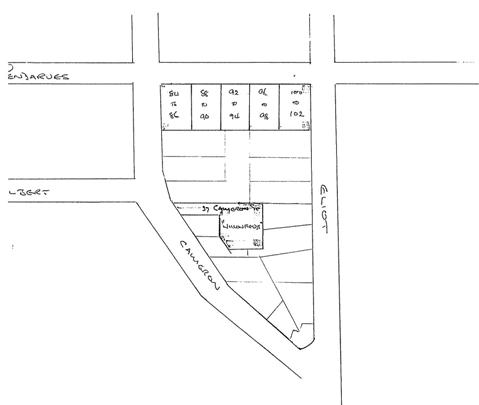
Hirst Family "Hen and Chickens" Historic Area. Plan of Historic Area from registration report. | 23/06/1994 | NZ Historic Places Trust
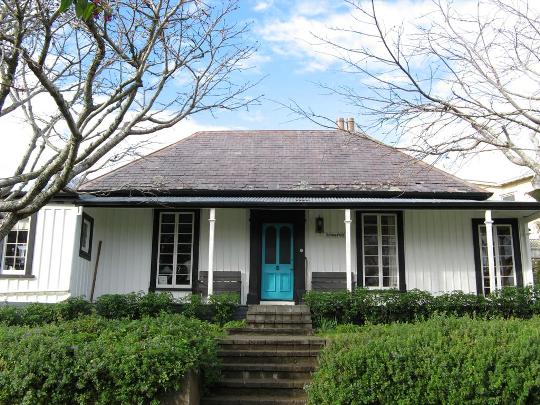
Hirst Family "Hen and Chickens" Historic Area. Willowfield the 'Hen' | Blyss Wagstaff | 07/07/2010 | NZ Historic Places Trust
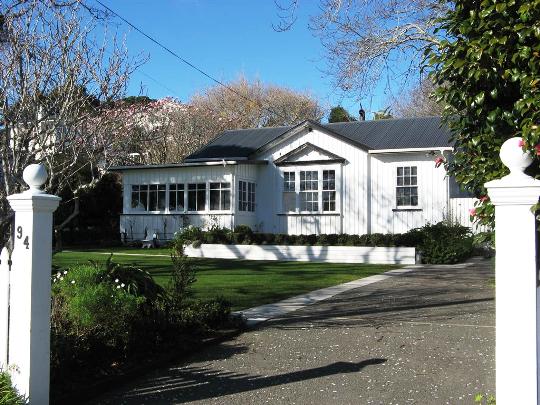
94 Pendarves St, one of the 'Chickens' | Blyss Wagstaff | 07/07/2010 | NZ Historic Places Trust
Hirst Family "Hen and Chickens" Historic Area. Plan of Historic Area from registration report. | 23/06/1994 | NZ Historic Places Trust
Hirst Family "Hen and Chickens" Historic Area. Willowfield the 'Hen' | Blyss Wagstaff | 07/07/2010 | NZ Historic Places Trust
94 Pendarves St, one of the 'Chickens' | Blyss Wagstaff | 07/07/2010 | NZ Historic Places Trust

List Entry Information

Overview

Status
Listed

List Entry Status
Historic Area

Access
Private/No Public Access

List Number
7202

Date Entered
23rd June 1994

Date of Effect
23rd June 1994

City/District Council
New Plymouth District

Region
Taranaki Region

Extent of List Entry

The historic area includes the houses located at 37 Cameron Street and 84-102 Pendarves Street, New Plymouth. (Refer to map provided in the registration report for further information).

Detailed List Entry
Significance

Cultural Significance

This historic area was registered under the Historic Places Act 1993. The following text is from the original Proposal for Classification report considered by the NZHPT Board at the time of registration. Cultural and Social: As a group, these six domestic buildings have cultural and social value. They date from the 1860s and demonstrate the standard of residential accommodation available to an immigrant family in colonial New Zealand. Together the houses demonstrate a way of life particular to one family. A house (Willowfield) was built for the parents of the Hirst family and five identical houses were built for their (adult) children. This relationship between the buildings and reason for their building is assumed to be rare, no comparable examples of groups of buildings are known in New Zealand.

Historic Significance

Historical Significance or Value This historic area was registered under the Historic Places Act 1993. The following text is from the original Proposal for Classification report considered by the NZHPT Board at the time of registration. The area has an association with the Hirst family who were of some historical significance. Thomas and Grace Hirst emigrated to New Zealand from England in 1851 with five of their eight children. On settling in Taranaki they farmed at Bell Block, and Grace established herself as a trader of household items - cloth, blankets, shoes, paper and other goods. Thomas set himself up as a general merchant and land agent acting for absentee owners. When the Land Wars broke out Thomas and Grace returned to England. On returning to New Zealand they purchased a block of land in New Plymouth and built the Hen and Chickens for themselves and their children, Thomas and Grace lived in Willowfield until their deaths in 1883 and 1901 respectively.

Physical Significance

This historic area was registered under the Historic Places Act 1993. The following text is from the original Proposal for Classification report considered by the NZHPT Board at the time of registration. Aesthetic: All the houses are in settings of mature trees and shrubs, and the entire block is aesthetically pleasing Five of the trees are listed in the District Scheme The five "chickens were built to the same plan, and have a combined visual impact and sens of continuity. This continuity has been diminished over the years by individual alterations to the houses. Architectural: Willowfield, which is currently registered as a Category II historic place, was built in 1863 and has a single storied portion with a double storied portion behind. The single story portion has a hipped roof and a deep verandah. In contrast the double storied portion has a pitched roof and windows with simply supported hoods. The five "chickens were built to the same plan. The designer is not known. Each had a T-shaped floor plan with a cross gables roof, vertical board and batten cladding and simple detailing. Successive owners have reacted against the uniformity of the buildings by making various additions and alterations. The Hen and Chickens are representative of simply detailed, timber framed colonial New Zealand houses. They are also rare survivors from the early period of European settlement in New Plymouth.

Construction Details

Start Year

1860

Type

Original Construction

Physical Description

This historic area was registered under the Historic Places Act 1993. The following text is from the original Proposal for Classification report considered by the NZHPT Board at the time of registration. HIRST FAMILY Historic Area: Together six houses are known as the "Hen and Chickens". The hen is the house at 37 Cameron St which is also known as Willowfield and the chickens are the five houses on the south side of Pendarves St. Willowfield was built in 1863 and the first of the Pendarves St houses was completed in late 1864.

Reference

Report Written By

A copy of the original report is available from the NZHPT Central region office Please note that entry on the New Zealand Heritage List/Rarangi Korero identifies only the heritage values of the property concerned, and should not be construed as advice on the state of the property, or as a comment of its soundness or safety, including in regard to earthquake risk, safety in the event of fire, or insanitary conditions.

Further Information

Current Usages

Uses: Accommodation

Specific Usage: House

Former Usages

General Usage:: Accommodation

Specific Usage: House

Themes

Web Links

Overview

Status

Listed

List Entry Status

Historic Area

Access

Private/No Public Access

List Number

7202

Date Entered

23rd June 1994

Date of Effect

23rd June 1994

City/District Council

New Plymouth District

Region

Taranaki Region

Extent of List Entry

The historic area includes the houses located at 37 Cameron Street and 84-102 Pendarves Street, New Plymouth. (Refer to map provided in the registration report for further information).

Status

Listed

List Entry Status

Historic Area

Access

Private/No Public Access

List Number

7202

Date Entered

23rd June 1994

Date of Effect

23rd June 1994

City/District Council

New Plymouth District

Region

Taranaki Region

Extent of List Entry

The historic area includes the houses located at 37 Cameron Street and 84-102 Pendarves Street, New Plymouth. (Refer to map provided in the registration report for further information).

Significance

Why is this place significant?

Cultural Significance

This historic area was registered under the Historic Places Act 1993. The following text is from the original Proposal for Classification report considered by the NZHPT Board at the time of registration. Cultural and Social: As a group, these six domestic buildings have cultural and social value. They date from the 1860s and demonstrate the standard of residential accommodation available to an immigrant family in colonial New Zealand. Together the houses demonstrate a way of life particular to one family. A house (Willowfield) was built for the parents of the Hirst family and five identical houses were built for their (adult) children. This relationship between the buildings and reason for their building is assumed to be rare, no comparable examples of groups of buildings are known in New Zealand.

Historic Significance

Historical Significance or Value This historic area was registered under the Historic Places Act 1993. The following text is from the original Proposal for Classification report considered by the NZHPT Board at the time of registration. The area has an association with the Hirst family who were of some historical significance. Thomas and Grace Hirst emigrated to New Zealand from England in 1851 with five of their eight children. On settling in Taranaki they farmed at Bell Block, and Grace established herself as a trader of household items - cloth, blankets, shoes, paper and other goods. Thomas set himself up as a general merchant and land agent acting for absentee owners. When the Land Wars broke out Thomas and Grace returned to England. On returning to New Zealand they purchased a block of land in New Plymouth and built the Hen and Chickens for themselves and their children, Thomas and Grace lived in Willowfield until their deaths in 1883 and 1901 respectively.

Physical Significance

This historic area was registered under the Historic Places Act 1993. The following text is from the original Proposal for Classification report considered by the NZHPT Board at the time of registration. Aesthetic: All the houses are in settings of mature trees and shrubs, and the entire block is aesthetically pleasing Five of the trees are listed in the District Scheme The five "chickens were built to the same plan, and have a combined visual impact and sens of continuity. This continuity has been diminished over the years by individual alterations to the houses. Architectural: Willowfield, which is currently registered as a Category II historic place, was built in 1863 and has a single storied portion with a double storied portion behind. The single story portion has a hipped roof and a deep verandah. In contrast the double storied portion has a pitched roof and windows with simply supported hoods. The five "chickens were built to the same plan. The designer is not known. Each had a T-shaped floor plan with a cross gables roof, vertical board and batten cladding and simple detailing. Successive owners have reacted against the uniformity of the buildings by making various additions and alterations. The Hen and Chickens are representative of simply detailed, timber framed colonial New Zealand houses. They are also rare survivors from the early period of European settlement in New Plymouth.

Why is this place significant?

Cultural Significance

This historic area was registered under the Historic Places Act 1993. The following text is from the original Proposal for Classification report considered by the NZHPT Board at the time of registration. Cultural and Social: As a group, these six domestic buildings have cultural and social value. They date from the 1860s and demonstrate the standard of residential accommodation available to an immigrant family in colonial New Zealand. Together the houses demonstrate a way of life particular to one family. A house (Willowfield) was built for the parents of the Hirst family and five identical houses were built for their (adult) children. This relationship between the buildings and reason for their building is assumed to be rare, no comparable examples of groups of buildings are known in New Zealand.

Historic Significance

Historical Significance or Value This historic area was registered under the Historic Places Act 1993. The following text is from the original Proposal for Classification report considered by the NZHPT Board at the time of registration. The area has an association with the Hirst family who were of some historical significance. Thomas and Grace Hirst emigrated to New Zealand from England in 1851 with five of their eight children. On settling in Taranaki they farmed at Bell Block, and Grace established herself as a trader of household items - cloth, blankets, shoes, paper and other goods. Thomas set himself up as a general merchant and land agent acting for absentee owners. When the Land Wars broke out Thomas and Grace returned to England. On returning to New Zealand they purchased a block of land in New Plymouth and built the Hen and Chickens for themselves and their children, Thomas and Grace lived in Willowfield until their deaths in 1883 and 1901 respectively.

Physical Significance

This historic area was registered under the Historic Places Act 1993. The following text is from the original Proposal for Classification report considered by the NZHPT Board at the time of registration. Aesthetic: All the houses are in settings of mature trees and shrubs, and the entire block is aesthetically pleasing Five of the trees are listed in the District Scheme The five "chickens were built to the same plan, and have a combined visual impact and sens of continuity. This continuity has been diminished over the years by individual alterations to the houses. Architectural: Willowfield, which is currently registered as a Category II historic place, was built in 1863 and has a single storied portion with a double storied portion behind. The single story portion has a hipped roof and a deep verandah. In contrast the double storied portion has a pitched roof and windows with simply supported hoods. The five "chickens were built to the same plan. The designer is not known. Each had a T-shaped floor plan with a cross gables roof, vertical board and batten cladding and simple detailing. Successive owners have reacted against the uniformity of the buildings by making various additions and alterations. The Hen and Chickens are representative of simply detailed, timber framed colonial New Zealand houses. They are also rare survivors from the early period of European settlement in New Plymouth.

Construction Information

Construction Details

Start Year

1860

startYearCirca

Type

Original Construction

Construction Details

Start Year

1860

startYearCirca

Type

Original Construction

Physical Description

This historic area was registered under the Historic Places Act 1993. The following text is from the original Proposal for Classification report considered by the NZHPT Board at the time of registration. HIRST FAMILY Historic Area: Together six houses are known as the "Hen and Chickens". The hen is the house at 37 Cameron St which is also known as Willowfield and the chickens are the five houses on the south side of Pendarves St. Willowfield was built in 1863 and the first of the Pendarves St houses was completed in late 1864.

This historic area was registered under the Historic Places Act 1993. The following text is from the original Proposal for Classification report considered by the NZHPT Board at the time of registration. HIRST FAMILY Historic Area: Together six houses are known as the "Hen and Chickens". The hen is the house at 37 Cameron St which is also known as Willowfield and the chickens are the five houses on the south side of Pendarves St. Willowfield was built in 1863 and the first of the Pendarves St houses was completed in late 1864.

Reference

Historical and Associated Iwi / Hapū / Whānau

Other Information

A copy of the original report is available from the NZHPT Central region office Please note that entry on the New Zealand Heritage List/Rarangi Korero identifies only the heritage values of the property concerned, and should not be construed as advice on the state of the property, or as a comment of its soundness or safety, including in regard to earthquake risk, safety in the event of fire, or insanitary conditions.

Historical and Associated Iwi / Hapū / Whānau

Other Information

A copy of the original report is available from the NZHPT Central region office Please note that entry on the New Zealand Heritage List/Rarangi Korero identifies only the heritage values of the property concerned, and should not be construed as advice on the state of the property, or as a comment of its soundness or safety, including in regard to earthquake risk, safety in the event of fire, or insanitary conditions.

Further Information

Current Usages

Uses: Accommodation

Specific Usage: House

Former Usages

General Usage: Accommodation

Specific Usage: House
Current Usages

Uses: Accommodation

Specific Usage: House

Former Usages

General Usage: Accommodation

Specific Usage: House

Location

Loading
Related listings
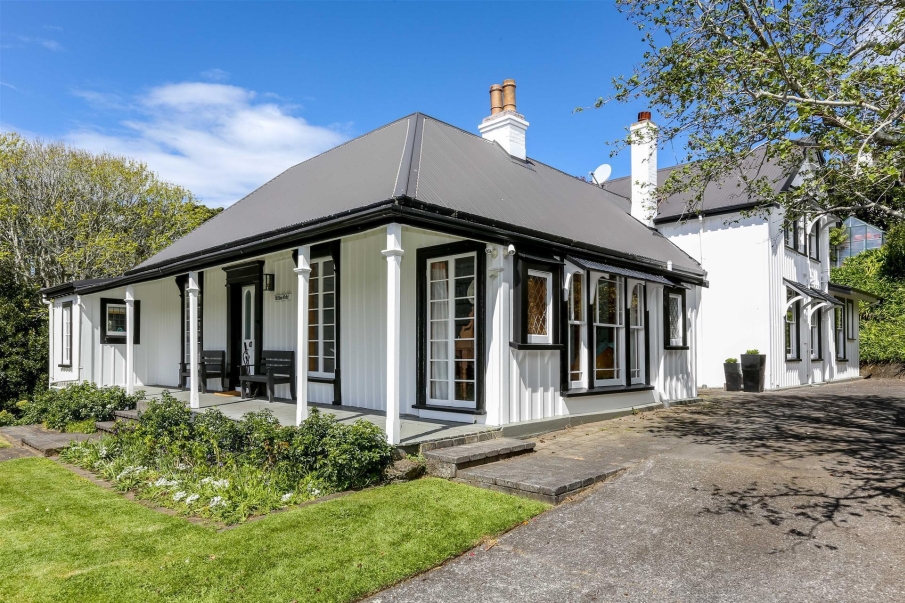
Willowfield, New Plymouth. CC BY-NC-ND 3.0 Image courtesy of Open2View.com®
Willowfield
Willowfield, New Plymouth. CC BY-NC-ND 3.0 Image courtesy of Open2View.com®
Willowfield
Stay up to date with Heritage this month