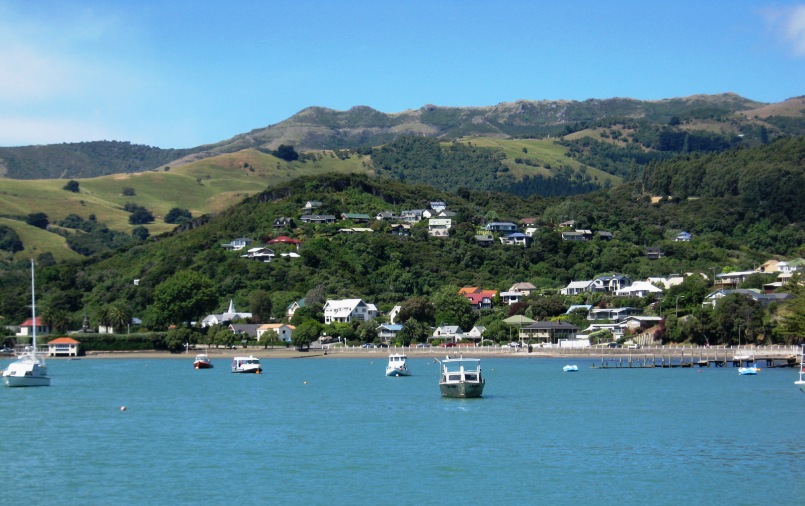
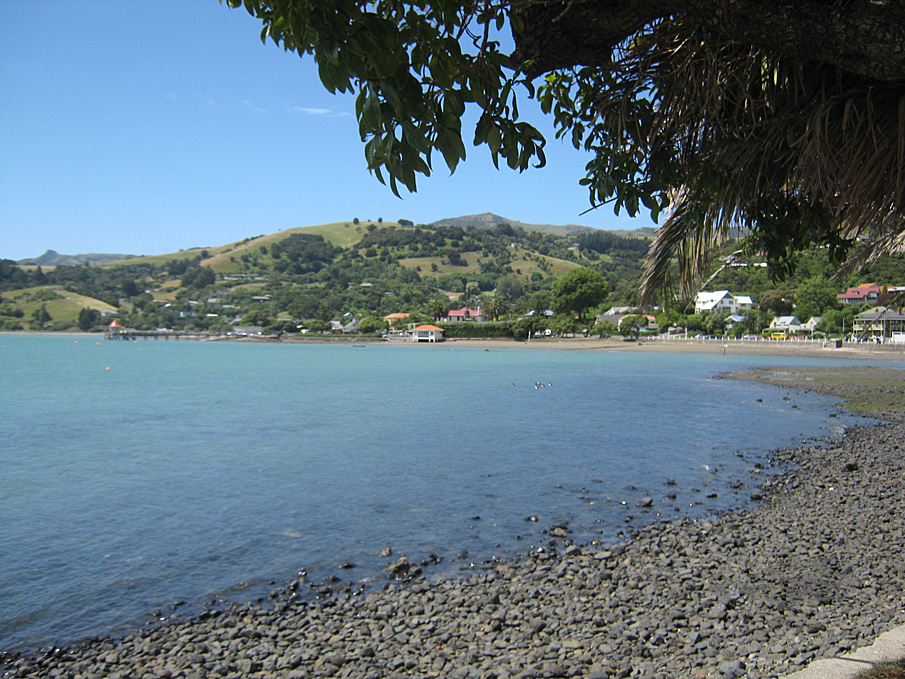
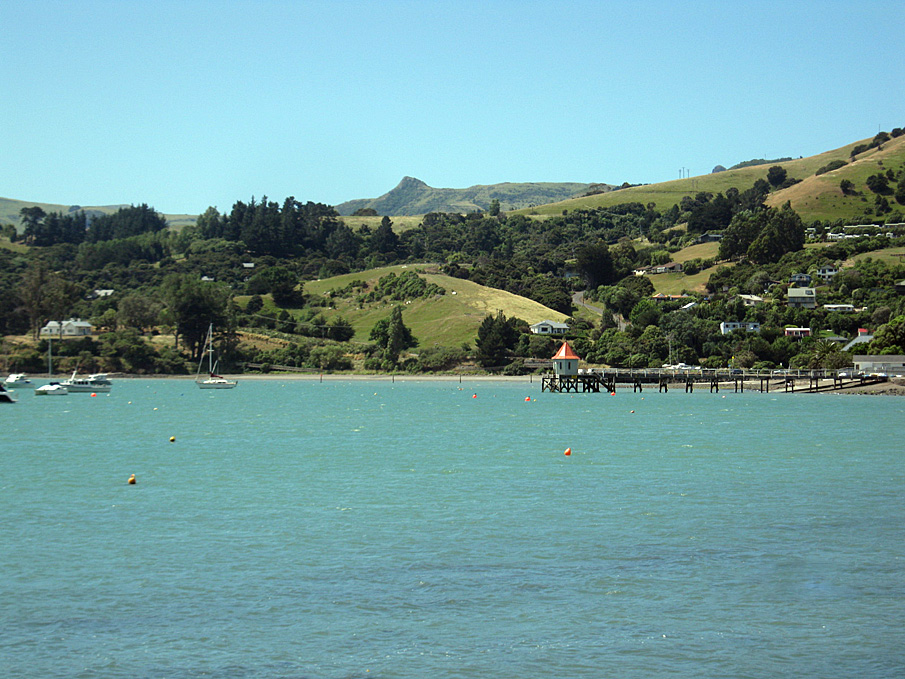
The foreshore at Akaroa has a long history of human activity. French Bay was known as Paka Ariki. Maori had long ago established a settlement at Takapuneke (Red House Bay) and had been supplying European traders from the I820s. In November 1830 Te Maiharanui, Takapuneke's leading chief, aroused Te Rauparaha's enmity and became the object of an assault when a Ngati Toa war party chartered the brig Elizabeth and massacred 100 and 200 people in a surprise attack.
French Bay is the site of the French landing in Akaroa on 19 August 1840. This was the beginning of the only settlement in New Zealand by the French.
Prior to the arrival of the settlers, the main European activity in the South Island was that of the whalers. Whaling from Banks Peninsula dates back to 1835, but port records show the use of Akaroa Harbour as a base for whalers reached its peak in 1842-44, when an average of 25 ships were stationed there at anyone time. After 1844 it became unprofitable to fish New Zealand waters, although shore-based whaling continued from some bays until 1863.
The French arrived in New Zealand in 1840 believing that Captain L'Anglois, the master of the French whaler, had purchased 30,000 acres of land in Akaroa from the local Maoris in 1838. In fact the claim had never been completed and was invalid.
The French ships called first at the Bay of Islands, the main British settlement in New Zealand, and there discovered that Britain had not only declared sovereignty over the North Island but had also claimed the South Island and Stewart Island as well. Negotiations with the British resulted in the French continuing on to Akaroa, only to find that the HMS Britomart had already arrived in French Bay on 10 August, five days ahead of the French naval corvette, the 'Aube'.
On 11 August the Captain of the Britomart, Captain Stanley, went ashore and hoisted the British flag at Green's Point, thereby confirming British sovereignty of the land. On 19 August 1840 the 57 French colonists from the 'Comte de Paris' were landed on the foreshore of Paka Ariki Bay (now French Bay). They were placed in tents, made from sail cloths of the 'Comte de Paris' and the 'Aube', erected along the foreshore the previous day. This was the first settlement by the French of the present town of Akaroa. The settlers entered into an agreement with the New Zealand government which allowed them rights to settle despite English sovereignty of the land.
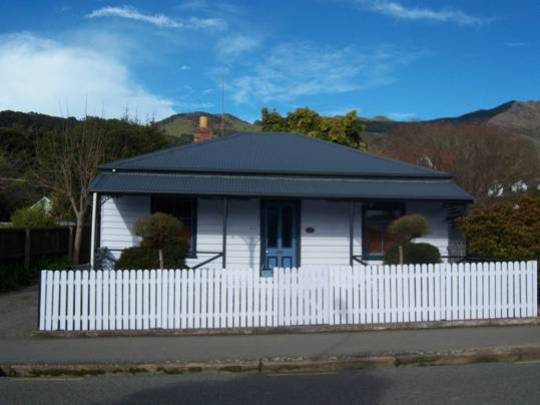
People have lived by the Akaroa waterfront since the 1840s starting with Captain William Barnard Rhodes who landed 40 cattle at Red House Bay in 1839 establishing the first cattle station in the South Island. Akaroa's isolation, relative lack of flat hinterland and low population density have saved the waterfront from large scale development. No large reclamations and wharves have changed the shoreline as they did in other major South Island port centres. The relationship between Akaroa's shoreline and its anchorages have remained relatively undisturbed by development.
French Bay is the site of the French landing in Akaroa on 19 August 1840. This was the beginning of the only settlement in New Zealand by the French.
Prior to the arrival of the settlers, the main European activity in the South Island was that of the whalers. Whaling from Banks Peninsula dates back to 1835, but port records show the use of Akaroa Harbour as a base for whalers reached its peak in 1842-44, when an average of 25 ships were stationed there at anyone time. After 1844 it became unprofitable to fish New Zealand waters, although shore-based whaling continued from some bays until 1863.
The French arrived in New Zealand in 1840 believing that Captain L'Anglois, the master of the French whaler, had purchased 30,000 acres of land in Akaroa from the local Maoris in 1838. In fact the claim had never been completed and was invalid.
The French ships called first at the Bay of Islands, the main British settlement in New Zealand, and there discovered that Britain had not only declared sovereignty over the North Island but had also claimed the South Island and Stewart Island as well. Negotiations with the British resulted in the French continuing on to Akaroa, only to find that the HMS Britomart had already arrived in French Bay on 10 August, five days ahead of the French naval corvette, the 'Aube'.
On 11 August the Captain of the Britomart, Captain Stanley, went ashore and hoisted the British flag at Green's Point, thereby confirming British sovereignty of the land. On 19 August 1840 the 57 French colonists from the 'Comte de Paris' were landed on the foreshore of Paka Ariki Bay (now French Bay). They were placed in tents, made from sail cloths of the 'Comte de Paris' and the 'Aube', erected along the foreshore the previous day. This was the first settlement by the French of the present town of Akaroa. The settlers entered into an agreement with the New Zealand government which allowed them rights to settle despite English sovereignty of the land.
People have lived by the Akaroa waterfront since the 1840s starting with Captain William Barnard Rhodes who landed 40 cattle at Red House Bay in 1839 establishing the first cattle station in the South Island. Akaroa's isolation, relative lack of flat hinterland and low population density have saved the waterfront from large scale development. No large reclamations and wharves have changed the shoreline as they did in other major South Island port centres. The relationship between Akaroa's shoreline and its anchorages have remained relatively undisturbed by development.