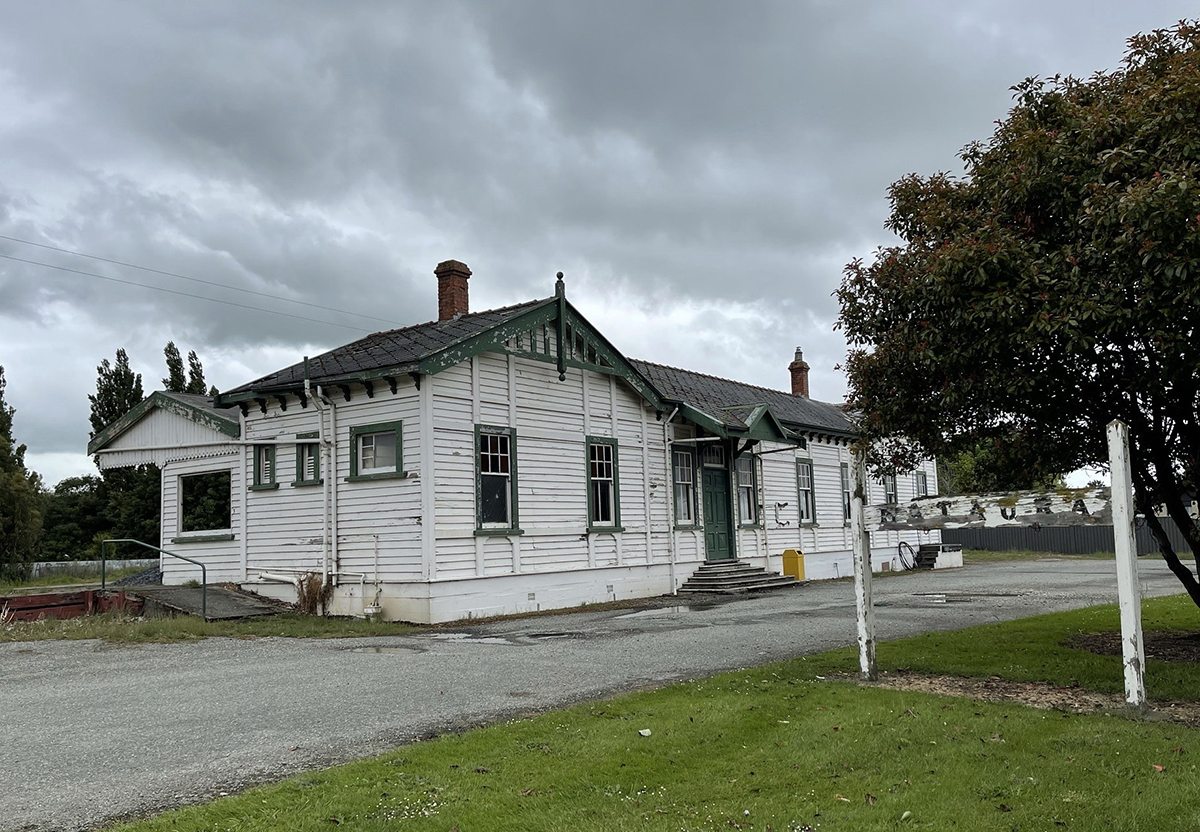
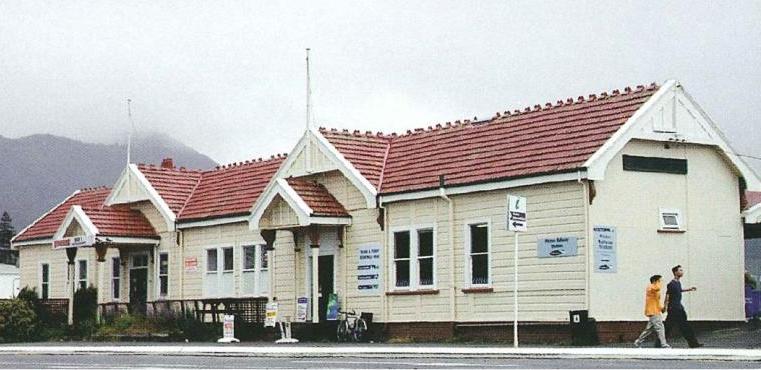
The Mataura Railway Station (former) stands on the east side of Main Street, Mataura and was by renowned New Zealand Railways Department Architect George Troup in 1921. A Troup “Vintage style” station, it has historical and architectural significance as a high point in railway station architecture and signifies the importance of the railways in a small industrial New Zealand town.
The Mataura River flows south-east from the Eyre Mountains east of Te Ana-au. It passes through the township of Mataura before entering Te Moana-nui-a-Kiwa (Pacific Ocean) at Toetoes Bay, on the Murihiku (Southland) coast. The Mataura was a significant kāinga mahinga kai (food-gathering place) for local Kāi Tahu and was tribally renowned for its abundance of kanakana (lamprey) particularly at Te Au-nui-pihapiha-kanakana (Mataura Falls). The Mataura was an important ara tawhito (traditional travel route) that provided direct access from Murihiku to Whakatipu Waimāori (Lake Wakatipu).
The township of Mataura, just south of Gore, was founded by European settlers in 1859. The creation of the Invercargill-Gore branch railway line built 1875 dramatically changed the area with several stations built, including Mataura. Development of many inland towns including Mataura flourished with industry such as paper manufacturing, a large dairy factory and later meat freezing came to dominate the local economy. At the turn of the twentieth century the station had ‘one of the largest goods sheds on the Southland section’. A new station was built on the other side of the line in 1913 and this building was destroyed by fire on 11 May 1920. While temporary accommodation was found in the goods shed after the fire, plans were quickly drawn up for a new station building by New Zealand Railways Department Principal Architect, George Troup (1863-1941). It was completed in March 1921 at a cost of £1,696 ($182, 972) for the main building and £600 ($64,730) for the verandah.
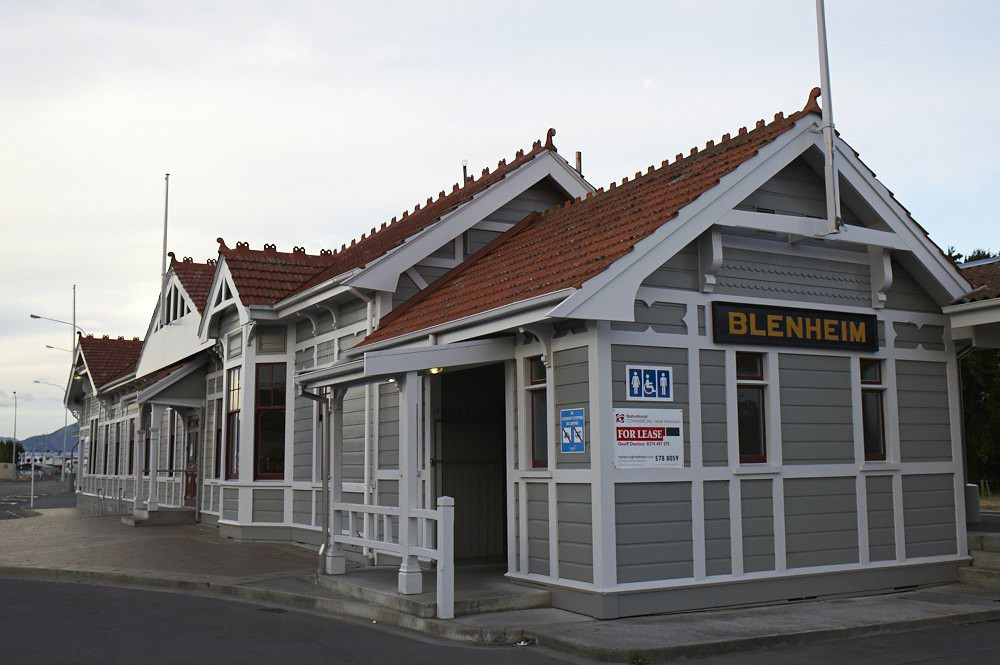
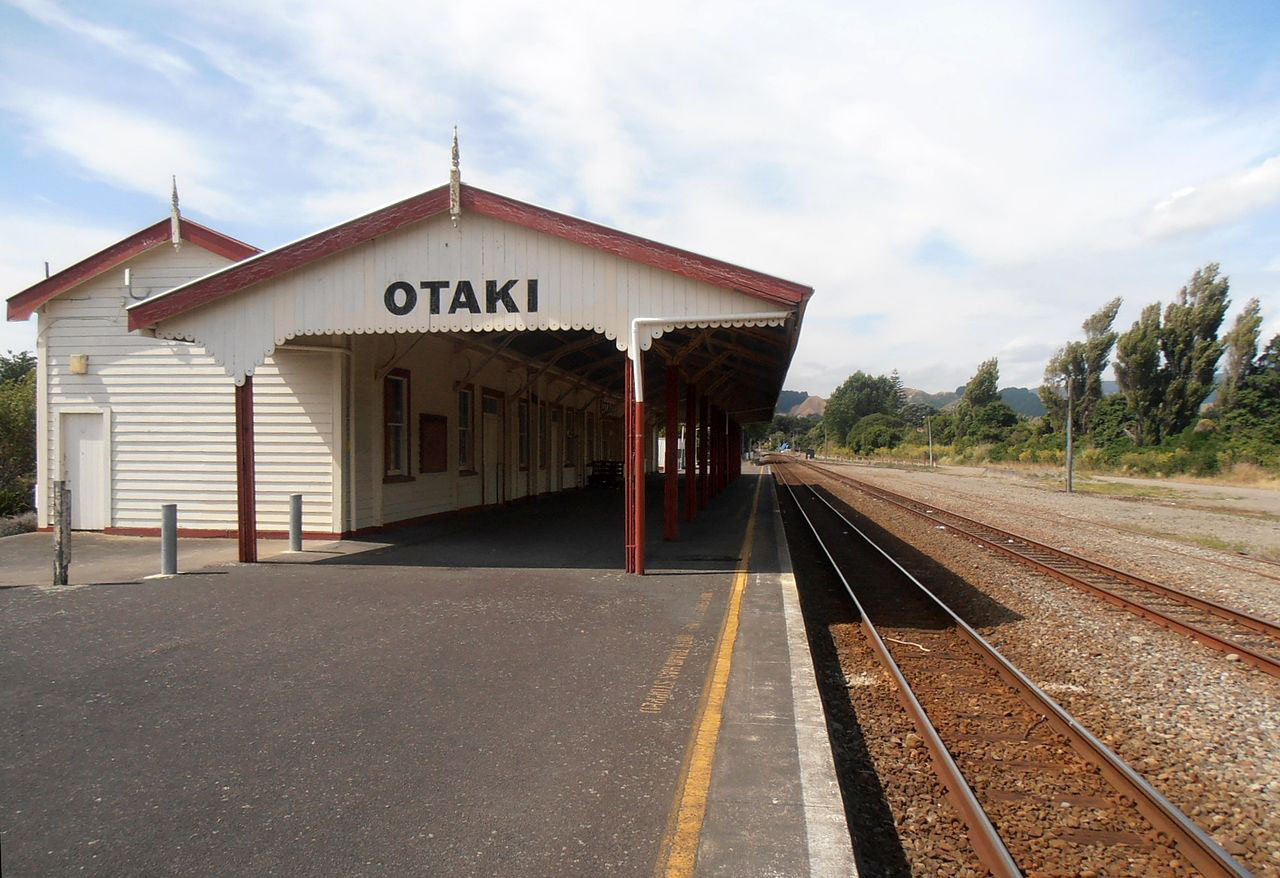
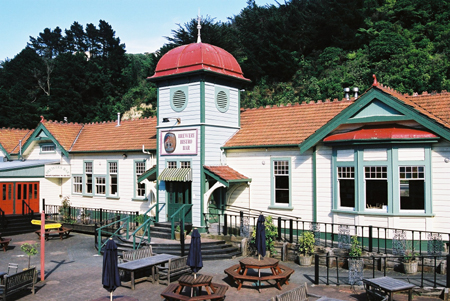
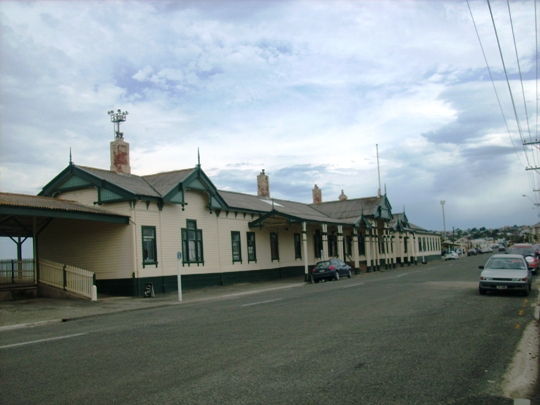
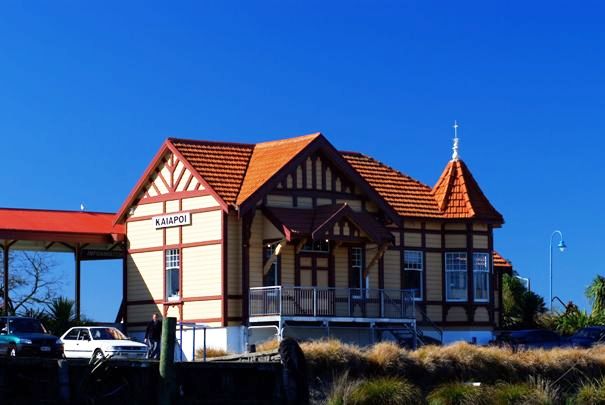
Troup was the Principal Architect at the Railways Department from 1888 until he retired in 1925. Under his direction the department developed a set of standardised plans for railways buildings that were erected across New Zealand. This station is a Vintage Station - notable for their lavish decoration and their impressive street aspect, 16 Vintage stations were built between 1900 and 1908, and are viewed as the ultimate development of wooden railway station refinement and elegance.
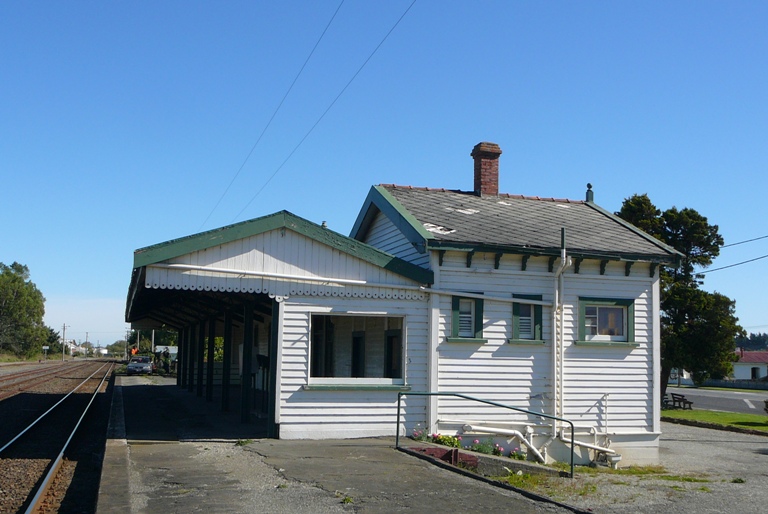
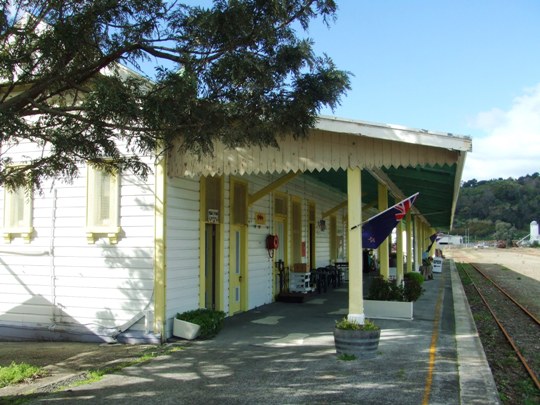
The Rail Heritage Trust of New Zealand describes the Mataura Railway Station building as retaining the original Arts and Craft features as designed by George Troup in 1921. Its largely symmetrical form has gabled wings facing the station on both ends of the main building. There is an asbestos slate roof with original cresting, with brick chimneys on the apex of the roof. The weatherboards are shiplap, and it is prominently decorated. There are eave brackets on all elevations bar that face to the platform, with timber infill and finials on the gables and Tudor-style half-timbering on the external walls. Coloured window panes, in the double hung sash windows, are to be found right around the building. The entrance is sheltered by a suspended portico. The verandah, a gable form with paired railway-iron supports, is partly filled in at both ends to provide shelter.” The interior of the building is particularly original with few alterations with a luggage room, parcels and tickets room, a vestibule (now general office), the ladies waiting room and a lavatory. Some interior features are T & G wall and ceiling linings; original cornices, skirtings and architraves; and the original fireplace in the ladies' waiting room.
The goods shed was removed in 1982 and passenger trains stopped on the line in 2002. The building was partly restored in 1998 and a café ran in the premises from 1999. In 2018, KiwiRail offered the building to the Gore District Council for $1, but ownership was not formally transferred as decision and consents were required to relocate the building as of 2020.
Mataura Railway Station (Former) is a notable example of a Troup-era railway station design. In its use of slates, coloured glass and careful detailing it is a high point in railway station architecture. A comparatively late Troup Vintage station, the building still retains many of its original Arts and Crafts features. The presence of the railway has long been critical to the prosperity of the heavily industrialised small town of Mataura and the station signifies the importance of the railways there.
The Mataura River flows south-east from the Eyre Mountains east of Te Ana-au. It passes through the township of Mataura before entering Te Moana-nui-a-Kiwa (Pacific Ocean) at Toetoes Bay, on the Murihiku (Southland) coast. The Mataura was a significant kāinga mahinga kai (food-gathering place) for local Kāi Tahu and was tribally renowned for its abundance of kanakana (lamprey) particularly at Te Au-nui-pihapiha-kanakana (Mataura Falls). The Mataura was an important ara tawhito (traditional travel route) that provided direct access from Murihiku to Whakatipu Waimāori (Lake Wakatipu).
The township of Mataura, just south of Gore, was founded by European settlers in 1859. The creation of the Invercargill-Gore branch railway line built 1875 dramatically changed the area with several stations built, including Mataura. Development of many inland towns including Mataura flourished with industry such as paper manufacturing, a large dairy factory and later meat freezing came to dominate the local economy. At the turn of the twentieth century the station had ‘one of the largest goods sheds on the Southland section’. A new station was built on the other side of the line in 1913 and this building was destroyed by fire on 11 May 1920. While temporary accommodation was found in the goods shed after the fire, plans were quickly drawn up for a new station building by New Zealand Railways Department Principal Architect, George Troup (1863-1941). It was completed in March 1921 at a cost of £1,696 ($182, 972) for the main building and £600 ($64,730) for the verandah.
Troup was the Principal Architect at the Railways Department from 1888 until he retired in 1925. Under his direction the department developed a set of standardised plans for railways buildings that were erected across New Zealand. This station is a Vintage Station - notable for their lavish decoration and their impressive street aspect, 16 Vintage stations were built between 1900 and 1908, and are viewed as the ultimate development of wooden railway station refinement and elegance.
The Rail Heritage Trust of New Zealand describes the Mataura Railway Station building as retaining the original Arts and Craft features as designed by George Troup in 1921. Its largely symmetrical form has gabled wings facing the station on both ends of the main building. There is an asbestos slate roof with original cresting, with brick chimneys on the apex of the roof. The weatherboards are shiplap, and it is prominently decorated. There are eave brackets on all elevations bar that face to the platform, with timber infill and finials on the gables and Tudor-style half-timbering on the external walls. Coloured window panes, in the double hung sash windows, are to be found right around the building. The entrance is sheltered by a suspended portico. The verandah, a gable form with paired railway-iron supports, is partly filled in at both ends to provide shelter.” The interior of the building is particularly original with few alterations with a luggage room, parcels and tickets room, a vestibule (now general office), the ladies waiting room and a lavatory. Some interior features are T & G wall and ceiling linings; original cornices, skirtings and architraves; and the original fireplace in the ladies' waiting room.
The goods shed was removed in 1982 and passenger trains stopped on the line in 2002. The building was partly restored in 1998 and a café ran in the premises from 1999. In 2018, KiwiRail offered the building to the Gore District Council for $1, but ownership was not formally transferred as decision and consents were required to relocate the building as of 2020.
Mataura Railway Station (Former) is a notable example of a Troup-era railway station design. In its use of slates, coloured glass and careful detailing it is a high point in railway station architecture. A comparatively late Troup Vintage station, the building still retains many of its original Arts and Crafts features. The presence of the railway has long been critical to the prosperity of the heavily industrialised small town of Mataura and the station signifies the importance of the railways there.