List Entry Information
Status
Listed
List Entry Status
Historic Place Category 2
Access
Private/No Public Access
List Number
7370
Date Entered
13th February 1997
Date of Effect
13th February 1997
City/District Council
Christchurch City
Region
Canterbury Region
Legal description
Pt Secs 45-46 Town of Lyttelton (RT CB398/210), Canterbury Land District
Status
Listed
List Entry Status
Historic Place Category 2
Access
Private/No Public Access
List Number
7370
Date Entered
13th February 1997
Date of Effect
13th February 1997
City/District Council
Christchurch City
Region
Canterbury Region
Legal description
Pt Secs 45-46 Town of Lyttelton (RT CB398/210), Canterbury Land District
Why is this place significant?
Historic Significance
Historical Significance or Value This historic place was registered under the Historic Places Act 1993. The following text is from the original Historic Place Assessment Under Section 23 Criteria report considered by the NZHPT Board at the time of registration. Historical: Grubb Cottage was built in two stages. The rear portion (1851) is stated to be "probably the oldest surviving relatively original cottage of the Canterbury Settlement). The front part dates from the 1890s. The cottage was built for shipwright John Grubb, who had been contracted in 1849 to build the first Lyttelton jetty. A builder and the father of a later mayor of Lyttelton, Grubb lived there until his death in 1898. The cottage remained in family hands until 1961.
Physical Significance
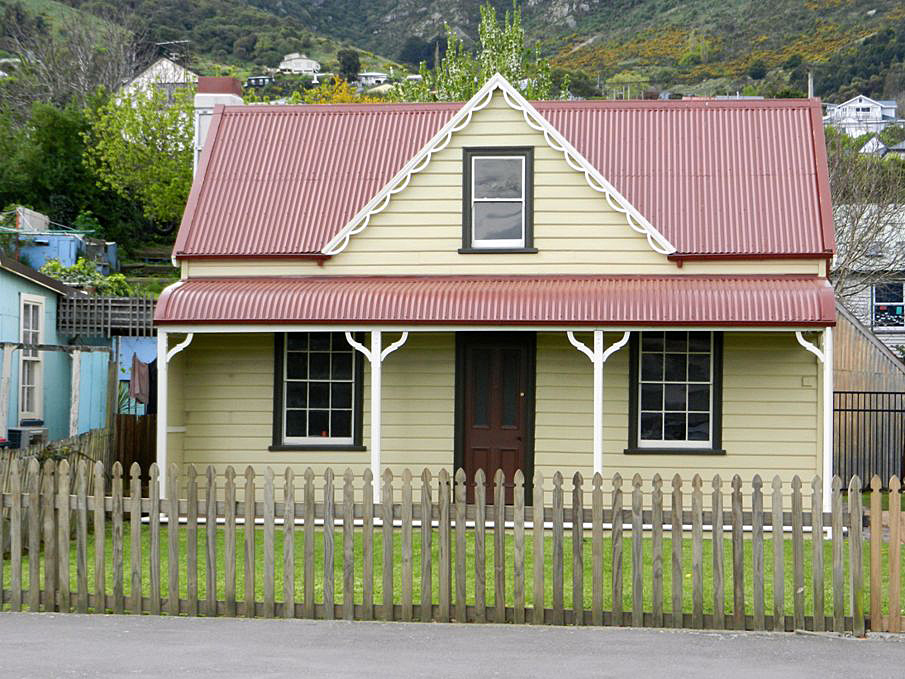
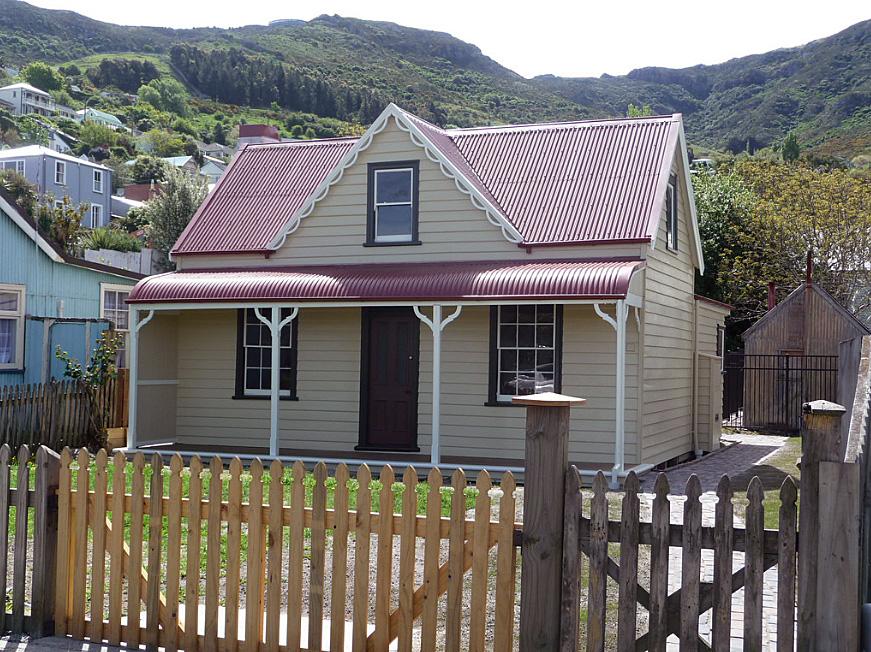
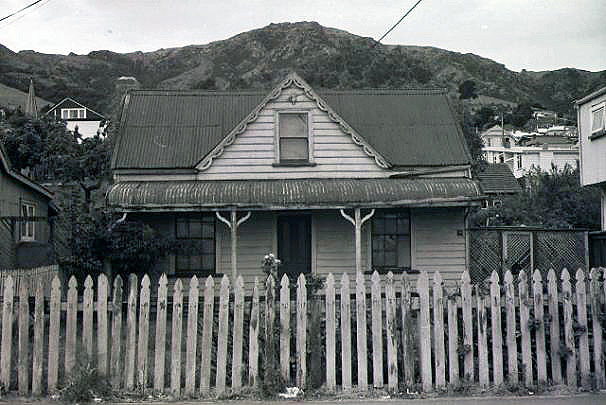
This historic place was registered under the Historic Places Act 1993. The following text is from the original Historic Place Assessment Under Section 23 Criteria report considered by the NZHPT Board at the time of registration. Architectural: Grubb cottage was designed in the Victorian Combined Box House or Cottage style of the period 1837-1901. Style indicators are: - Simple gable ended rectangular plan - Decorative barge-boards (originally, but since removed) - T plan addition to one side of the building over thirty years later - Gable dormer as part of later additions - Bull nose verandah as part of later additions - Double hung sash windows - Shiplap weatherboarding - Double storeyed with bedrooms in the attic roof space
Why is this place Category 1 / Category 2?
Detail Of Assessed Criteria
This historic place was registered under the Historic Places Act 1993. The following text is from the original Historic Place Assessment Under Section 23 Criteria report considered by the NZHPT Board at the time of registration. (a) The extent to which the place reflects important or representative aspects a New Zealand history: Grubb Cottage has significance for being one' of the oldest surviving Canterbury buildings, the rear portion having been completed just a year after formal colonisation began. For 110 years it was owned by members of the Grubb family, descendants of John Grubb, a shipwright who built the port's first jetty, several early sailing vessels and several buildings and port structures. (b) The association of the place with events, persons, or ideas of importance in New Zealand history: Events: None known, apart from the usual ones of construction, alteration and change of ownership. Persons: John Grubb played an important part in the early history of Canterbury's shipbuilding, ship-owning and construction industries, He was owner or part-owner of the following ships - Caledonia, Canterbury, Jupiter, Waiotahi, Connaught Ranger, Blackwall, Flying Squirrel, Agnes and Wild Wave. Ideas: Not applicable. (g) The technical accomplishment or value, or design of the place: DATE: 1851 (original part); 1890s (T plan addition with verandah). ARCIDTECT: John Grubb STYLE CODE: 131 DESIGN: Grubb Cottage was designed in Victorian Combined Box House or Cottage style typical of the early period of settlement in New Zealand. The style was used throughout New Zealand in the 1850s and 1860s and is well represented in the national register in areas such as Northland, Wanganui, and Canterbury. Grubb Cottage followed the conventional pattern described by Jeremy Salmond where the original unpretentious and simple rectangular weatherboarded cottage was added to in later years with a more stylish frontage often incorporating a bay and a verandah, although in the case of Grubb Cottage the family preferred a large gable dormer to a bay addition. The development of the style was logical, and it reflected the changing requirements, both social and economic, of the average New Zealand Victorian family over a fifty year period beginning with the first generation. Grubb Cottage is a typical representative example of this type of style. Remarkably, the place seems not to have changed in the intervening one hundred years since it was last added to. Unfortunately, no information has been supplied on the condition of the interior of Grubb Cottage. (m) Such additional criteria not inconsistent with those in paragraphs (a) to (k): Although the Combined Box House style is well represented nationally on the register, there is a question of adequate representation of New Zealand's earliest type of European building at the local level. Representation at this local level is patchy. Many of the examples reflect the social and economic status in the community of their original owners. Englefield, for example, in Christchurch (Category II, built 1856) is a large single storeyed brick and stone house with cob filled walls, built for the first Commissioner of Crown Lands in Canterbury and designed by Benjamin Mounfort, New Zealand's most outstanding Gothic Revival architect. At the other end of the spectrum there is the simple House, or cottage in fact, at Bass Street, Christchurch (Category II) built in 1851 and almost exactly the same in appearance as Grubb Cottage - places in other words, built for working men. There are hardly any of these latter buildings represented from the first decade of settlement in Canterbury. In Lyttelton there are none except for two which are in fact larger houses originally built for people of a higher social standing than John Grubb (House, Godley Quay, Cat.II built for the merchant Henry Le Cren, and Islay Cottage, Ticehurst Road, Cat.II, built 1851 and owned by the Lyttelton Wharf Master). On the grounds of this comparison, there is a good case for registering Grubb Cottage as an example (and originally there would have been many) of the simple unpretentious combined box cottage as built for working men during the first decade of settlement in Lyttelton.
Why is this place significant?
Historic Significance
Historical Significance or Value This historic place was registered under the Historic Places Act 1993. The following text is from the original Historic Place Assessment Under Section 23 Criteria report considered by the NZHPT Board at the time of registration. Historical: Grubb Cottage was built in two stages. The rear portion (1851) is stated to be "probably the oldest surviving relatively original cottage of the Canterbury Settlement). The front part dates from the 1890s. The cottage was built for shipwright John Grubb, who had been contracted in 1849 to build the first Lyttelton jetty. A builder and the father of a later mayor of Lyttelton, Grubb lived there until his death in 1898. The cottage remained in family hands until 1961.
Physical Significance
This historic place was registered under the Historic Places Act 1993. The following text is from the original Historic Place Assessment Under Section 23 Criteria report considered by the NZHPT Board at the time of registration. Architectural: Grubb cottage was designed in the Victorian Combined Box House or Cottage style of the period 1837-1901. Style indicators are: - Simple gable ended rectangular plan - Decorative barge-boards (originally, but since removed) - T plan addition to one side of the building over thirty years later - Gable dormer as part of later additions - Bull nose verandah as part of later additions - Double hung sash windows - Shiplap weatherboarding - Double storeyed with bedrooms in the attic roof space
Why is this place Category 1 / Category 2?
Detail Of Assessed Criteria
This historic place was registered under the Historic Places Act 1993. The following text is from the original Historic Place Assessment Under Section 23 Criteria report considered by the NZHPT Board at the time of registration. (a) The extent to which the place reflects important or representative aspects a New Zealand history: Grubb Cottage has significance for being one' of the oldest surviving Canterbury buildings, the rear portion having been completed just a year after formal colonisation began. For 110 years it was owned by members of the Grubb family, descendants of John Grubb, a shipwright who built the port's first jetty, several early sailing vessels and several buildings and port structures. (b) The association of the place with events, persons, or ideas of importance in New Zealand history: Events: None known, apart from the usual ones of construction, alteration and change of ownership. Persons: John Grubb played an important part in the early history of Canterbury's shipbuilding, ship-owning and construction industries, He was owner or part-owner of the following ships - Caledonia, Canterbury, Jupiter, Waiotahi, Connaught Ranger, Blackwall, Flying Squirrel, Agnes and Wild Wave. Ideas: Not applicable. (g) The technical accomplishment or value, or design of the place: DATE: 1851 (original part); 1890s (T plan addition with verandah). ARCIDTECT: John Grubb STYLE CODE: 131 DESIGN: Grubb Cottage was designed in Victorian Combined Box House or Cottage style typical of the early period of settlement in New Zealand. The style was used throughout New Zealand in the 1850s and 1860s and is well represented in the national register in areas such as Northland, Wanganui, and Canterbury. Grubb Cottage followed the conventional pattern described by Jeremy Salmond where the original unpretentious and simple rectangular weatherboarded cottage was added to in later years with a more stylish frontage often incorporating a bay and a verandah, although in the case of Grubb Cottage the family preferred a large gable dormer to a bay addition. The development of the style was logical, and it reflected the changing requirements, both social and economic, of the average New Zealand Victorian family over a fifty year period beginning with the first generation. Grubb Cottage is a typical representative example of this type of style. Remarkably, the place seems not to have changed in the intervening one hundred years since it was last added to. Unfortunately, no information has been supplied on the condition of the interior of Grubb Cottage. (m) Such additional criteria not inconsistent with those in paragraphs (a) to (k): Although the Combined Box House style is well represented nationally on the register, there is a question of adequate representation of New Zealand's earliest type of European building at the local level. Representation at this local level is patchy. Many of the examples reflect the social and economic status in the community of their original owners. Englefield, for example, in Christchurch (Category II, built 1856) is a large single storeyed brick and stone house with cob filled walls, built for the first Commissioner of Crown Lands in Canterbury and designed by Benjamin Mounfort, New Zealand's most outstanding Gothic Revival architect. At the other end of the spectrum there is the simple House, or cottage in fact, at Bass Street, Christchurch (Category II) built in 1851 and almost exactly the same in appearance as Grubb Cottage - places in other words, built for working men. There are hardly any of these latter buildings represented from the first decade of settlement in Canterbury. In Lyttelton there are none except for two which are in fact larger houses originally built for people of a higher social standing than John Grubb (House, Godley Quay, Cat.II built for the merchant Henry Le Cren, and Islay Cottage, Ticehurst Road, Cat.II, built 1851 and owned by the Lyttelton Wharf Master). On the grounds of this comparison, there is a good case for registering Grubb Cottage as an example (and originally there would have been many) of the simple unpretentious combined box cottage as built for working men during the first decade of settlement in Lyttelton.
Construction Details
Start Year
1851
Type
Original Construction
Description
Rear portion
Type
Addition
Description
Front portion (T plan addition with verandah)
Period
1890s
Construction Details
Start Year
1851
Type
Original Construction
Description
Rear portion
Type
Addition
Description
Front portion (T plan addition with verandah)
Period
1890s
Historical and Associated Iwi / Hapū / Whānau
Other Information
A copy of the original report is available from the NZHPT Southern region office Please note that entry on the New Zealand Heritage List/Rarangi Korero identifies only the heritage values of the property concerned, and should not be construed as advice on the state of the property, or as a comment of its soundness or safety, including in regard to earthquake risk, safety in the event of fire, or insanitary conditions.
Historical and Associated Iwi / Hapū / Whānau
Other Information
A copy of the original report is available from the NZHPT Southern region office Please note that entry on the New Zealand Heritage List/Rarangi Korero identifies only the heritage values of the property concerned, and should not be construed as advice on the state of the property, or as a comment of its soundness or safety, including in regard to earthquake risk, safety in the event of fire, or insanitary conditions.
Current Usages
Uses: Accommodation
Specific Usage: House
Former Usages
General Usage: Accommodation
Specific Usage: House
Current Usages
Uses: Accommodation
Specific Usage: House
Former Usages
General Usage: Accommodation
Specific Usage: House