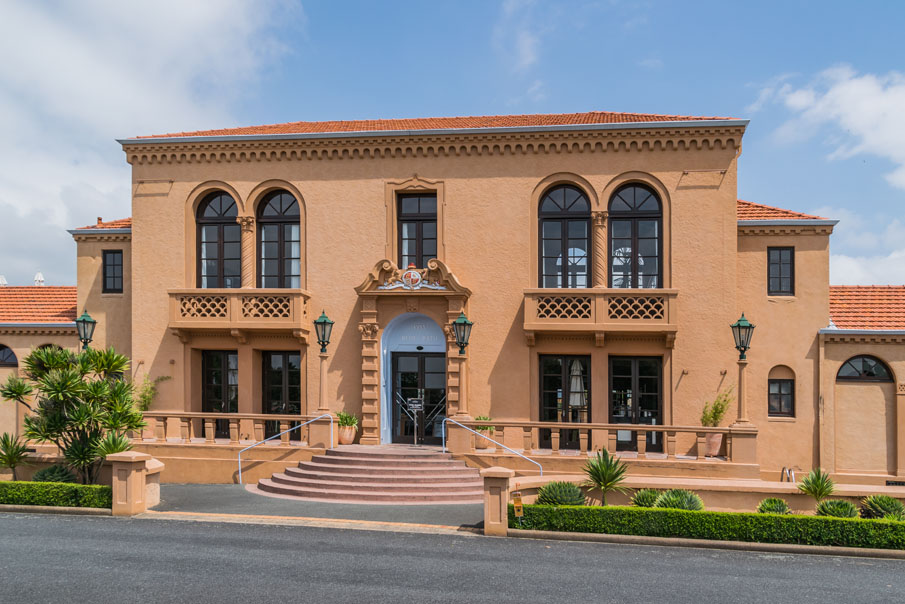
Built as a tea kiosk to augment attractions in the Rotorua Government Gardens, Te Runanga (the Meeting Place), was opened on 12 December, 1903, by Sir Joseph Ward, heralding both the continuing growth of tourism in Rotorua, and the Government’s investment in the Gardens as one of the major tourist attractions of Rotorua. With a band rotunda built just three years earlier, the Gardens were rapidly evolving into the Edwardian ideal of a health spa and pleasure garden.
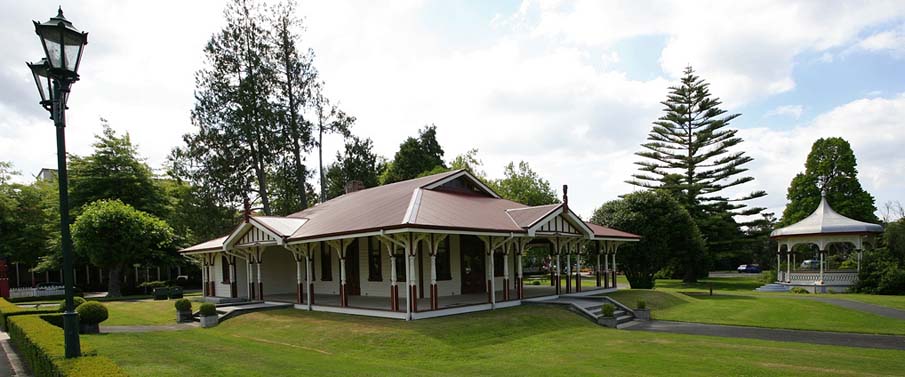
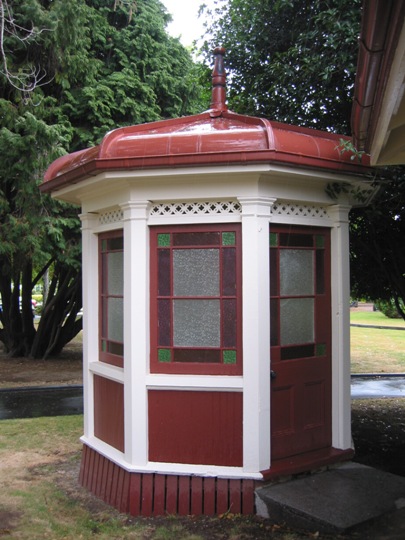
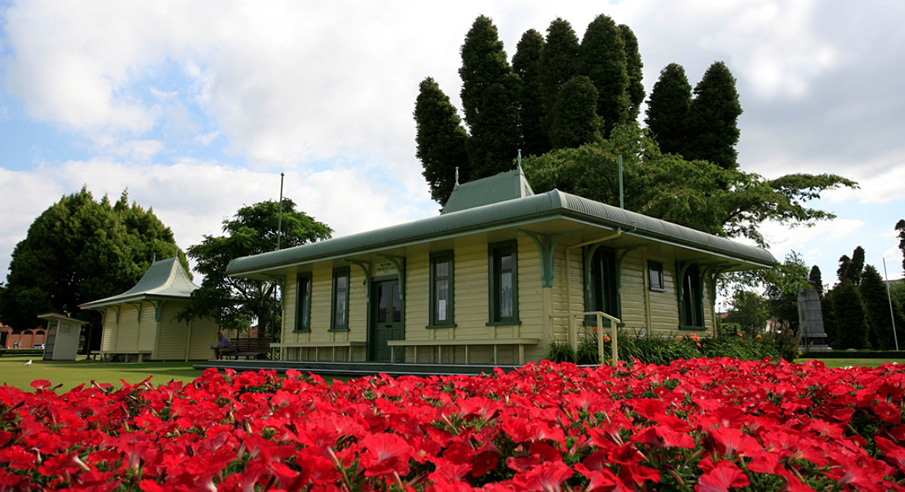
The rectangular building faces east towards the Museum and has a deep verandah that wraps around the front and sides, affording shelter from the weather for promenading visitors. Tables and chairs stood on the verandah in the days of the Tea Kiosk. The single reception room has doors onto the verandah and double hung sashes on three sides. At the rear is the kitchen and on the north side are toilets. The kitchen has several original features including the stained tongue and groove cupboard fittings with their flat metal hinges, and the wood or coal range. At one corner on the Hinemaru Street side stands a small octagonal building featuring coloured glass windows with a cupola roof. This was once used to sell tickets for entrance to the building. It is currently not used. This simple, but elegant Edwardian era kiosk was built rather like a pavilion. Modest in scale, but using typical timber construction and detailing of the time, it is not dissimilar to the Te Aroha Domain Tea Room of the same period. It had electric lighting, both inside and out, again thanks to its Government owners who spared no expense in ensuring the facilities were as fashionable and impressive as was possible. Rotorua had access to electricity very early, by May 1901 the Okere Falls dynamo house produced power to several buildings and the Sanatorium grounds were lit by electricity for the first time; only three other communities enjoyed electricity at the time: Reefton, Wellington and Stratford. Te Runanga was built at a time when the original Sanatorium purpose of the area was evolving to include a more holistic approach that saw entertainment as an essential component of convalescence and for tourist entertainment generally. It catered to a variety of clientele, becoming popular with both tourists and local residents, including the players from the croquet, bowls and tennis clubs. An orchestra played on the verandah and brass bands in the nearby rotunda. This Category II registered historic place served as a social centre of the Spa where tourists and invalids alike, could lounge, socialise or read, and drink tea or mineral waters. Maori girls dressed in traditional costume served as waitresses. No time was lost in landscaping the Kiosk and in 1904 a terrace was formed around it with an ornamental pond in front creating interesting reflective effects. As with the Sanatorium, the teahouse was supplied with fruit and vegetables from the kitchen garden at the nearby Gardener’s Cottage. By around 1934 the new Blue Baths’ tearoom took over the social functions and the tea kiosk became a pavilion for the Bowling Club for a number of years. Today, having been saved from demolition by community support, it is restored and used as a community and function venue.
The tea kiosk has high social value, being significant for contributing to the overall story of the Rotorua Government Gardens and their evolving flavours and variety of entertainment. It was built expressly with recreation and relaxation as its purpose. It became a popular meeting place not just for invalids, but also for the community, tourists and those playing bowls, tennis and later, croquet in the Gardens. The terracing and water features that enhanced the socialising environment of the Kiosk reflect Edwardian garden design fashion of the time. It has high political significance in graphically demonstrating determination by Government to ensure that all elements of the Gardens’ environment were developed with fine attention to detail and beautification.
The rectangular building faces east towards the Museum and has a deep verandah that wraps around the front and sides, affording shelter from the weather for promenading visitors. Tables and chairs stood on the verandah in the days of the Tea Kiosk. The single reception room has doors onto the verandah and double hung sashes on three sides. At the rear is the kitchen and on the north side are toilets. The kitchen has several original features including the stained tongue and groove cupboard fittings with their flat metal hinges, and the wood or coal range. At one corner on the Hinemaru Street side stands a small octagonal building featuring coloured glass windows with a cupola roof. This was once used to sell tickets for entrance to the building. It is currently not used. This simple, but elegant Edwardian era kiosk was built rather like a pavilion. Modest in scale, but using typical timber construction and detailing of the time, it is not dissimilar to the Te Aroha Domain Tea Room of the same period. It had electric lighting, both inside and out, again thanks to its Government owners who spared no expense in ensuring the facilities were as fashionable and impressive as was possible. Rotorua had access to electricity very early, by May 1901 the Okere Falls dynamo house produced power to several buildings and the Sanatorium grounds were lit by electricity for the first time; only three other communities enjoyed electricity at the time: Reefton, Wellington and Stratford. Te Runanga was built at a time when the original Sanatorium purpose of the area was evolving to include a more holistic approach that saw entertainment as an essential component of convalescence and for tourist entertainment generally. It catered to a variety of clientele, becoming popular with both tourists and local residents, including the players from the croquet, bowls and tennis clubs. An orchestra played on the verandah and brass bands in the nearby rotunda. This Category II registered historic place served as a social centre of the Spa where tourists and invalids alike, could lounge, socialise or read, and drink tea or mineral waters. Maori girls dressed in traditional costume served as waitresses. No time was lost in landscaping the Kiosk and in 1904 a terrace was formed around it with an ornamental pond in front creating interesting reflective effects. As with the Sanatorium, the teahouse was supplied with fruit and vegetables from the kitchen garden at the nearby Gardener’s Cottage. By around 1934 the new Blue Baths’ tearoom took over the social functions and the tea kiosk became a pavilion for the Bowling Club for a number of years. Today, having been saved from demolition by community support, it is restored and used as a community and function venue.
The tea kiosk has high social value, being significant for contributing to the overall story of the Rotorua Government Gardens and their evolving flavours and variety of entertainment. It was built expressly with recreation and relaxation as its purpose. It became a popular meeting place not just for invalids, but also for the community, tourists and those playing bowls, tennis and later, croquet in the Gardens. The terracing and water features that enhanced the socialising environment of the Kiosk reflect Edwardian garden design fashion of the time. It has high political significance in graphically demonstrating determination by Government to ensure that all elements of the Gardens’ environment were developed with fine attention to detail and beautification.