The Curator’s House, built in 1920 at 7 Rolleston Avenue, Christchurch, has historical significance for its association with the development of the Christchurch Botanic Gardens, social significance for the role it played in the life of the Botanic Garden curators and their families who lived there, and architectural significance as an English Domestic Revival design by Christchurch architects, Collins and Harman. It also has aesthetic value, especially in its setting as part of the Botanic Gardens and adjacent to the Avon River.
Following the convention of having a curator live at or near the entrance to the botanic gardens, the first curator’s residence, a single-storey timber building, was constructed in 1872 at the Christchurch Domain. By 1919, that building was in poor condition and, following a request from curator James Young, the 1872 cottage was taken off site and a new Curator’s House was built in its place in 1920.
Set at the south east corner of a broadly triangular area at Botanic Gardens beside the Avon River, the 1920 Curator’s House forms an immediate group with the entrance gates set within the Rolleston Avenue boundary and Canterbury Museum, with which it is axially aligned. The Curator’s House is a two storeyed building with a modified T-shaped footprint and multiple steeply pitched gable roof forms. The building’s English Domestic Revival style combines Arts and Crafts influences and Tudor Revival features reminiscent of timber-framed houses of medieval Europe, with the first floor slightly overhanging the ground floor. On the exterior, the ground floor comprises random rubble basalt and the first floor is clad in roughcast with decorative half-timbering. Most of the windows are casement with patterned leadlight glazing.
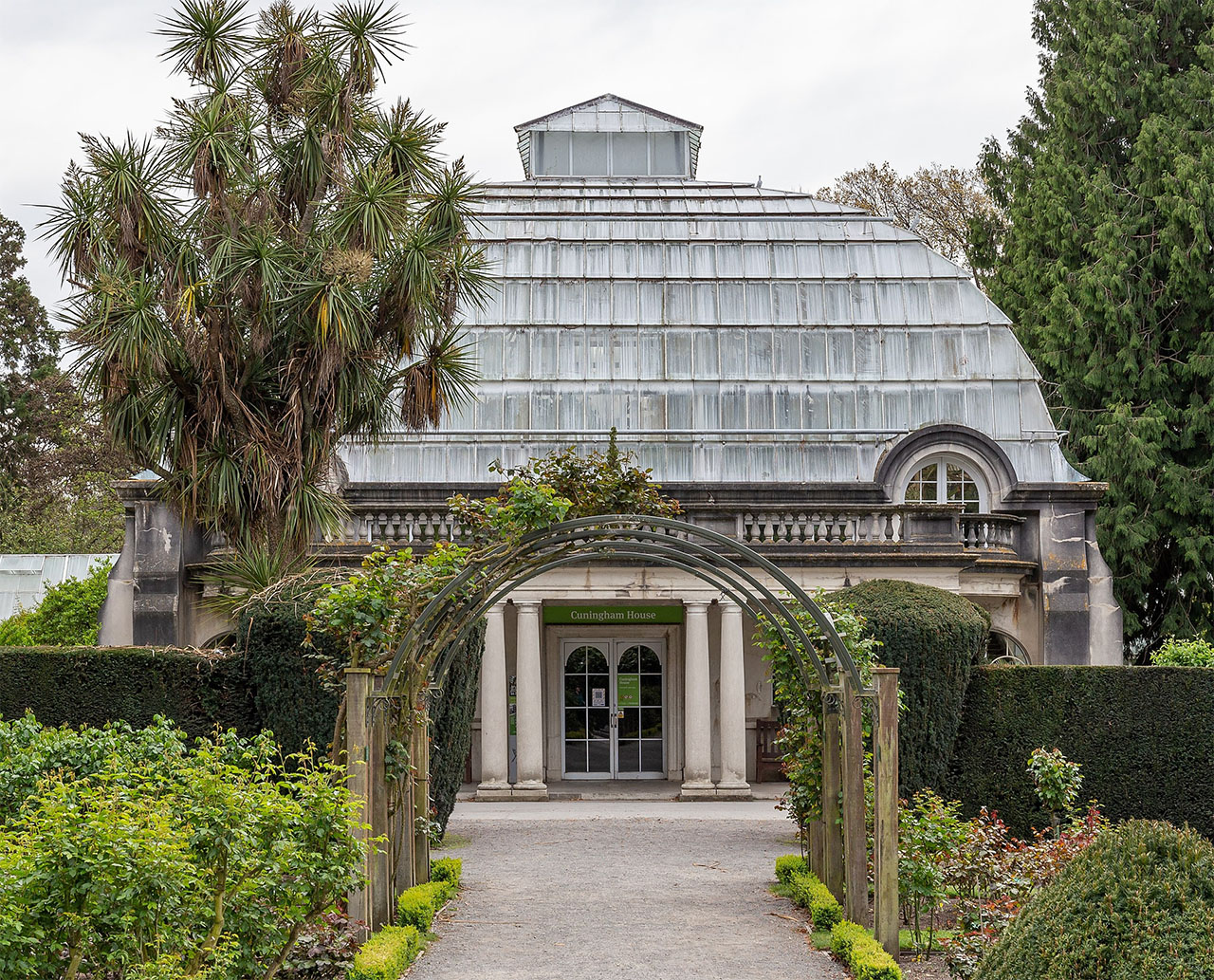
The Curator’s House is one of many notable examples of the work of the architectural firm Collins and Harman. Other nearby buildings designed by the firm include the Christchurch Press Building (demolished), the former Canterbury College Students Union (part of List No. 7301), the Nurses’ Memorial Chapel (List No. 1851) and the Botanic Garden’s Cuningham House (List No. 1862).
In 1946 the Christchurch Domains Board was disbanded by an Act of Parliament and the Botanic Gardens and Hagley Park came under the control of the Christchurch City Council. Successive curators continued to reside in the house until 1983, when a new curator elected to live elsewhere. The house was let as private accommodation until 1999 when it was converted to a restaurant but still called the ‘Curator’s House’. Alterations in 1999 and 2000 included the addition of a kitchen wing to the south and new doors providing access to the verandah on the north front.
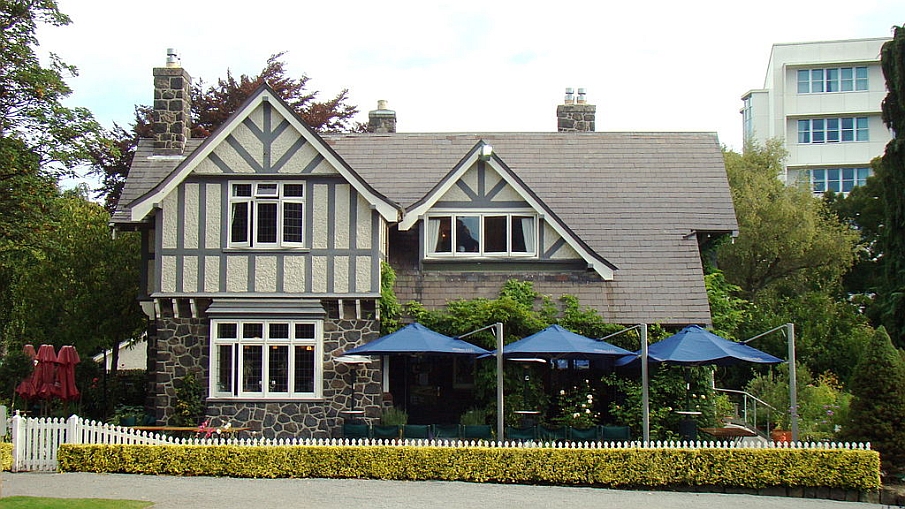
Curator's House, Christchurch Botanic Garden. CC BY-SA 2.0 Image courtesy of www.flickr.com | Dr Bob Hall | 20/02/2010 | Dr Bob Hall
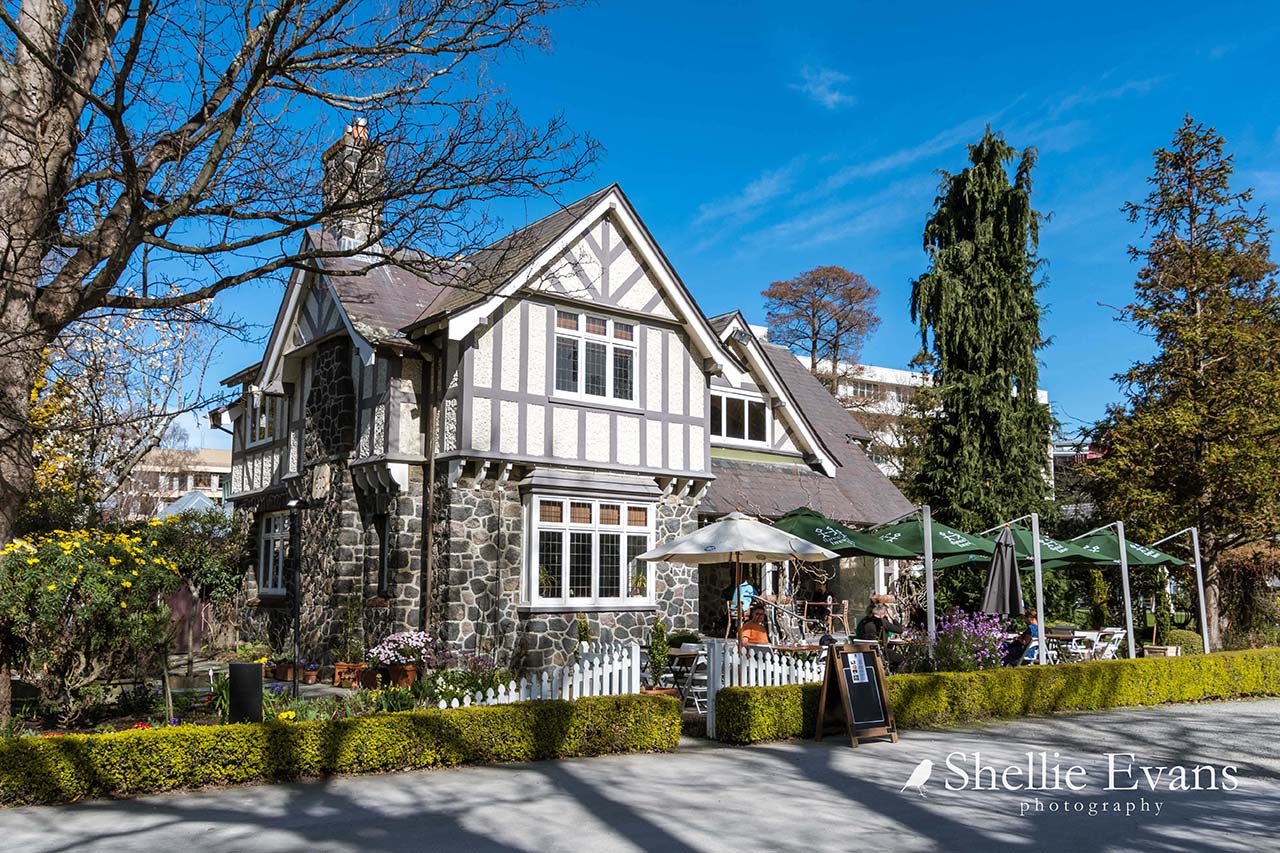
Curator's House, Christchurch Botanic Garden. CC BY-NC-ND 2.0 Image courtesy of www.flickr.com | Shellie Evans – flyingkiwigirl | 01/09/2022 | Shellie Evans
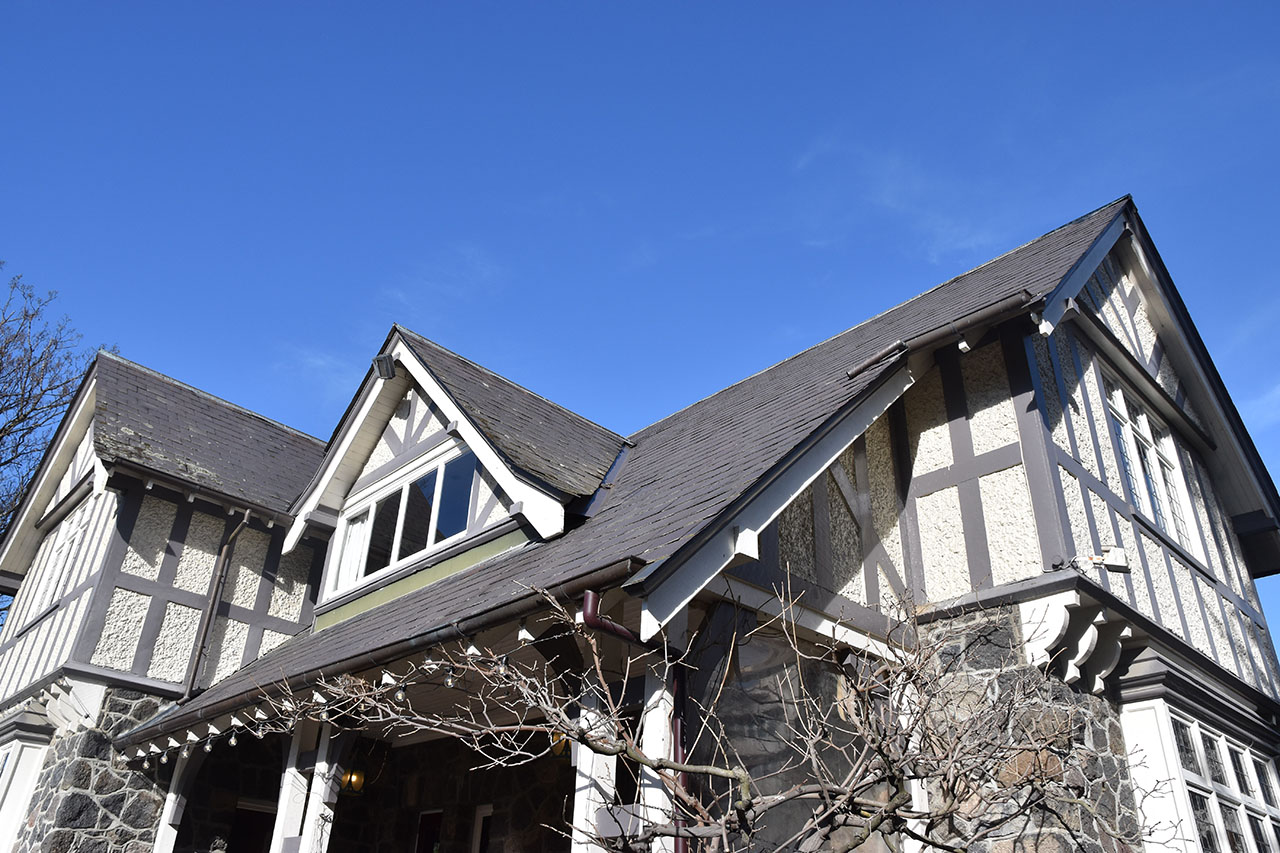
Curator's House, Christchurch Botanic Garden | Hanna Westley | 07/08/2025 | Heritage New Zealand Pouhere Taonga
Curator's House, Christchurch Botanic Garden. CC BY-SA 2.0 Image courtesy of www.flickr.com | Dr Bob Hall | 20/02/2010 | Dr Bob Hall
Curator's House, Christchurch Botanic Garden. CC BY-NC-ND 2.0 Image courtesy of www.flickr.com | Shellie Evans – flyingkiwigirl | 01/09/2022 | Shellie Evans
Curator's House, Christchurch Botanic Garden | Hanna Westley | 07/08/2025 | Heritage New Zealand Pouhere Taonga