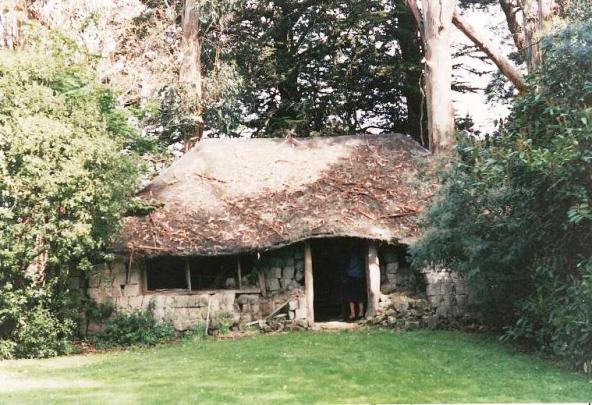
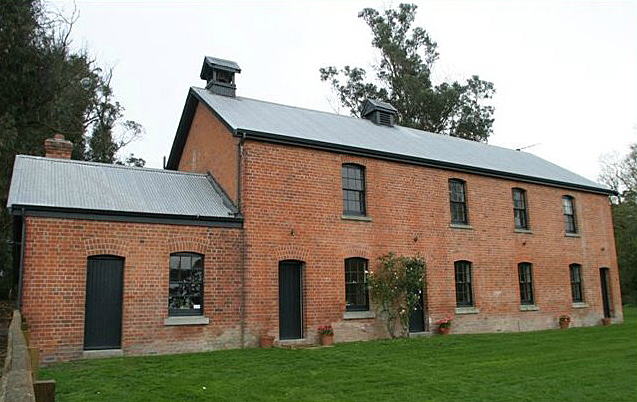
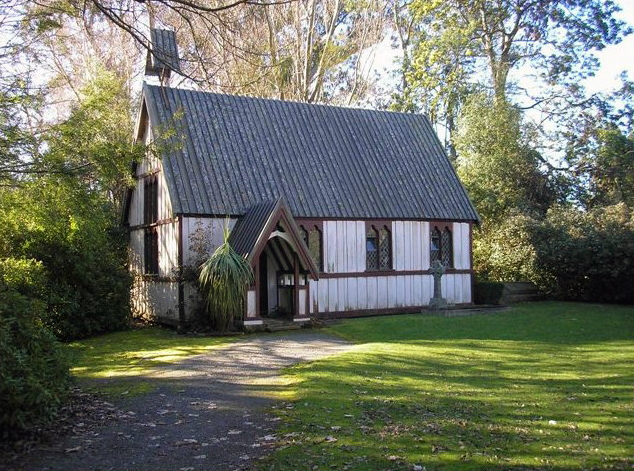
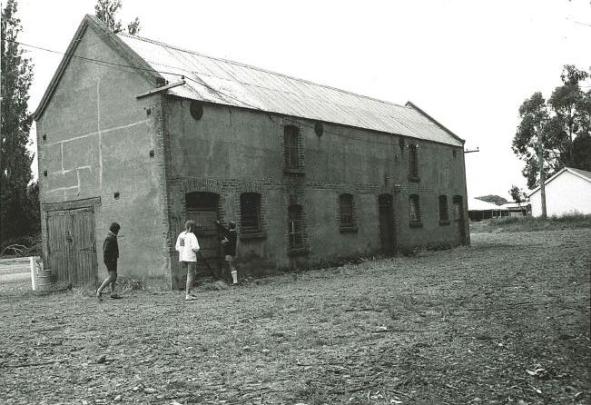
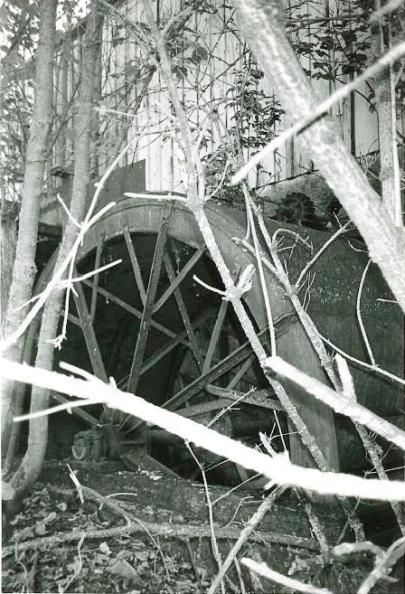
The water wheel is part of a complex of historic buildings at Longbeach Station. The Station homestead has been classified "B".
List Entry Information
Status
Listed
List Entry Status
Historic Place Category 2
Access
Private/No Public Access
List Number
271
Date Entered
28th June 1990
Date of Effect
28th June 1990
City/District Council
Ashburton District
Region
Canterbury Region
Legal description
Lot 7 DP 8730 (RT 568319), Canterbury Land District
Status
Listed
List Entry Status
Historic Place Category 2
Access
Private/No Public Access
List Number
271
Date Entered
28th June 1990
Date of Effect
28th June 1990
City/District Council
Ashburton District
Region
Canterbury Region
Legal description
Lot 7 DP 8730 (RT 568319), Canterbury Land District
Why is this place significant?
Historic Significance
Historical Significance or Value This historic place was registered under the Historic Places Act 1980. This report includes the text from the original Building Classification Committee report considered by the NZHPT Board at the time of registration. The water wheel, though now disused, is a tangible link with the remarkable agricultural enterprise developed by John Grigg and his family in the last decades of the 19th century. Longbeach was famed as a model example of agricultural technology and management in New Zealand.
Physical Significance
This historic place was registered under the Historic Places Act 1980. This report includes the text from the original Building Classification Committee report considered by the NZHPT Board at the time of registration. ARCHITECTURAL QUALITY: A well constructed cast-iron water wheel, in good condition in its original position. TOWNSCAPE/LANDMARK VALUE: None, as obscured by vegetation
Why is this place significant?
Historic Significance
Historical Significance or Value This historic place was registered under the Historic Places Act 1980. This report includes the text from the original Building Classification Committee report considered by the NZHPT Board at the time of registration. The water wheel, though now disused, is a tangible link with the remarkable agricultural enterprise developed by John Grigg and his family in the last decades of the 19th century. Longbeach was famed as a model example of agricultural technology and management in New Zealand.
Physical Significance
This historic place was registered under the Historic Places Act 1980. This report includes the text from the original Building Classification Committee report considered by the NZHPT Board at the time of registration. ARCHITECTURAL QUALITY: A well constructed cast-iron water wheel, in good condition in its original position. TOWNSCAPE/LANDMARK VALUE: None, as obscured by vegetation
Construction Professional
Name
Grigg, John
Type
Designer
Biography
John GRIGG (1828-1901) the original owner and developer of Longbeach station. During the 1870s and 1880s John Grigg established at Longbeach a 'model farm' of international significance. The water wheel powered the flour mill on the station. At its height in the early 1880s Longbeach covered thirty-two thousand acres and supported a small village for its many workers and then families. In 1882 Grigg was forced to sell much of the holding to payoff his financial backer and the property was reduced to sixteen thousand acres. After the sale the property was managed by his eldest son, who employed a peak labour force of 350 to achieve new heights of productivity in grain and meat through the 1890s. Longbeach continued to be a major force in Canterbury agriculture long after John Grigg's death but it was solely through his efforts that the property signified its status in the technology of breaking-in and farming difficult land..
Name
Grigg, John
Type
Builder
Biography
John GRIGG (1828-1901) the original owner and developer of Longbeach station. During the 1870s and 1880s John Grigg established at Longbeach a 'model farm' of international significance. The water wheel powered the flour mill on the station. At its height in the early 1880s Longbeach covered thirty-two thousand acres and supported a small village for its many workers and then families. In 1882 Grigg was forced to sell much of the holding to payoff his financial backer and the property was reduced to sixteen thousand acres. After the sale the property was managed by his eldest son, who employed a peak labour force of 350 to achieve new heights of productivity in grain and meat through the 1890s. Longbeach continued to be a major force in Canterbury agriculture long after John Grigg's death but it was solely through his efforts that the property signified its status in the technology of breaking-in and farming difficult land..
Construction Details
Start Year
1875
startYearCirca
Type
Original Construction
Construction Materials
Cast iron wheel. Concrete leat and tailrace to bring water to and from the wheel. Timber fluming to channel water from the leat to just above the wheel.
Notable Features
A rare extant farm water wheel.
Construction Professional
Name
Grigg, John
Type
Designer
Biography
John GRIGG (1828-1901) the original owner and developer of Longbeach station. During the 1870s and 1880s John Grigg established at Longbeach a 'model farm' of international significance. The water wheel powered the flour mill on the station. At its height in the early 1880s Longbeach covered thirty-two thousand acres and supported a small village for its many workers and then families. In 1882 Grigg was forced to sell much of the holding to payoff his financial backer and the property was reduced to sixteen thousand acres. After the sale the property was managed by his eldest son, who employed a peak labour force of 350 to achieve new heights of productivity in grain and meat through the 1890s. Longbeach continued to be a major force in Canterbury agriculture long after John Grigg's death but it was solely through his efforts that the property signified its status in the technology of breaking-in and farming difficult land..
Name
Grigg, John
Type
Builder
Biography
John GRIGG (1828-1901) the original owner and developer of Longbeach station. During the 1870s and 1880s John Grigg established at Longbeach a 'model farm' of international significance. The water wheel powered the flour mill on the station. At its height in the early 1880s Longbeach covered thirty-two thousand acres and supported a small village for its many workers and then families. In 1882 Grigg was forced to sell much of the holding to payoff his financial backer and the property was reduced to sixteen thousand acres. After the sale the property was managed by his eldest son, who employed a peak labour force of 350 to achieve new heights of productivity in grain and meat through the 1890s. Longbeach continued to be a major force in Canterbury agriculture long after John Grigg's death but it was solely through his efforts that the property signified its status in the technology of breaking-in and farming difficult land..
Construction Details
Start Year
1875
startYearCirca
Type
Original Construction
Construction Materials
Cast iron wheel. Concrete leat and tailrace to bring water to and from the wheel. Timber fluming to channel water from the leat to just above the wheel.
Notable Features
A rare extant farm water wheel.
This historic place was registered under the Historic Places Act 1980. This report includes the text from the original Building Classification Committee report considered by the NZHPT Board at the time of registration. ARCHITECTURAL DESCRIPTION: The waterwheel at Longbeach is an overshot wheel, the most efficient of the four basic water wheel types. Approximately three metres in diameter, the wheel is cross-braced about the axle and its iron buckets are tangential to its circumference. The axle is set into the concrete wall of the adjacent mill building.
This historic place was registered under the Historic Places Act 1980. This report includes the text from the original Building Classification Committee report considered by the NZHPT Board at the time of registration. ARCHITECTURAL DESCRIPTION: The waterwheel at Longbeach is an overshot wheel, the most efficient of the four basic water wheel types. Approximately three metres in diameter, the wheel is cross-braced about the axle and its iron buckets are tangential to its circumference. The axle is set into the concrete wall of the adjacent mill building.
Historical and Associated Iwi / Hapū / Whānau
Completion Date
15th March 1990
Information Sources
Acland, 1975
L.G.D. Acland, The Early Canterbury Runs, 4th ed., Christchurch, 1975
Cyclopedia of New Zealand
Cyclopedia Company, Industrial, descriptive, historical, biographical facts, figures, illustrations, Wellington, N.Z, 1897-1908
Parr, 1951
S Parr, Canterbury Pilgrimage: the first hundred years of the Church of England in Canterbury, New Zealand, Christchurch, 1951
Scotter, 1977
Scotter, W.H, Ashburton, A History with Records of Town and Country, Ashburton Borough and County Councils, 1977
Thornton, 1986
Geoffrey Thornton, The New Zealand Heritage of Farm Buildings, Auckland, 1986
Thornton, 1982
Geoffrey G. Thornton, New Zealand's Industrial Heritage, A.H. & A.W. Reed, Wellington, 1982
Scotter, 1965
W.H. Scotter, A History of Canterbury, Vol. III 1876-1950, Whitcombe & Tombs Ltd, Christchurch, 1965
Porter, 1983
Frances Porter (ed), Historic Buildings of Dunedin, South Island, Methuen, Auckland, 1983.
Brown, 1940
J Brown, Ashburton. New Zealand - Its Pioneers and its History, 1853-1939. A H & A W Reed, Dunedin, 1940
Stevens, 1952
P G Stevens, John Grigg of Longbeach, Whitcombe & Tombs Ltd, Christchurch, 1952
Wilson, 1984
J Wilson (compiler), AA Book of New Zealand Historic Places, Lansdowner Press, Auckland 1984
Hodgson, 1978
T Hodgson, Fire and Decay - The Destruction of the Large New Zealand House, Alister Taylor, Wairua, Martinborough, 1978
Other Information
A copy of this report is available from the NZHPT Southern Region office Please note that entry on the New Zealand Heritage List/Rarangi Korero identifies only the heritage values of the property concerned, and should not be construed as advice on the state of the property, or as a comment of its soundness or safety, including in regard to earthquake risk, safety in the event of fire, or insanitary conditions. This historic place was registered under the Historic Places Act 1980. This report includes the text from the original Building Classification Committee report considered by the NZHPT Board at the time of registration.
Historical and Associated Iwi / Hapū / Whānau
Completion Date
15th March 1990
Information Sources
Acland, 1975
L.G.D. Acland, The Early Canterbury Runs, 4th ed., Christchurch, 1975
Cyclopedia of New Zealand
Cyclopedia Company, Industrial, descriptive, historical, biographical facts, figures, illustrations, Wellington, N.Z, 1897-1908
Parr, 1951
S Parr, Canterbury Pilgrimage: the first hundred years of the Church of England in Canterbury, New Zealand, Christchurch, 1951
Scotter, 1977
Scotter, W.H, Ashburton, A History with Records of Town and Country, Ashburton Borough and County Councils, 1977
Thornton, 1986
Geoffrey Thornton, The New Zealand Heritage of Farm Buildings, Auckland, 1986
Thornton, 1982
Geoffrey G. Thornton, New Zealand's Industrial Heritage, A.H. & A.W. Reed, Wellington, 1982
Scotter, 1965
W.H. Scotter, A History of Canterbury, Vol. III 1876-1950, Whitcombe & Tombs Ltd, Christchurch, 1965
Porter, 1983
Frances Porter (ed), Historic Buildings of Dunedin, South Island, Methuen, Auckland, 1983.
Brown, 1940
J Brown, Ashburton. New Zealand - Its Pioneers and its History, 1853-1939. A H & A W Reed, Dunedin, 1940
Stevens, 1952
P G Stevens, John Grigg of Longbeach, Whitcombe & Tombs Ltd, Christchurch, 1952
Wilson, 1984
J Wilson (compiler), AA Book of New Zealand Historic Places, Lansdowner Press, Auckland 1984
Hodgson, 1978
T Hodgson, Fire and Decay - The Destruction of the Large New Zealand House, Alister Taylor, Wairua, Martinborough, 1978
Other Information
A copy of this report is available from the NZHPT Southern Region office Please note that entry on the New Zealand Heritage List/Rarangi Korero identifies only the heritage values of the property concerned, and should not be construed as advice on the state of the property, or as a comment of its soundness or safety, including in regard to earthquake risk, safety in the event of fire, or insanitary conditions. This historic place was registered under the Historic Places Act 1980. This report includes the text from the original Building Classification Committee report considered by the NZHPT Board at the time of registration.